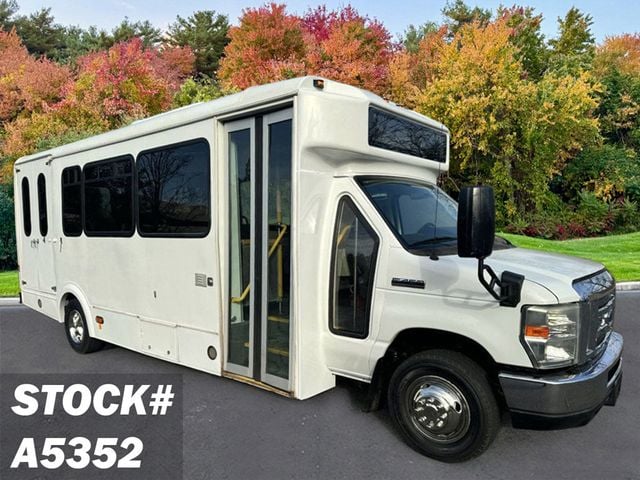
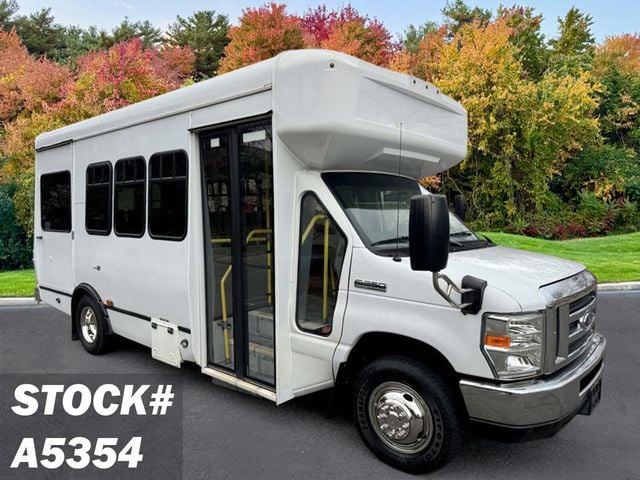
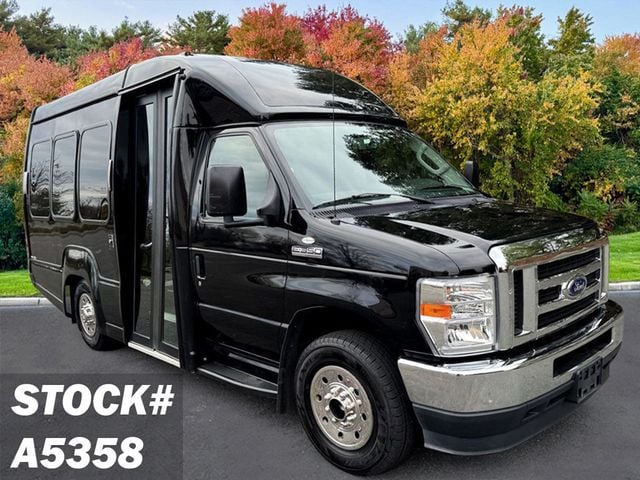
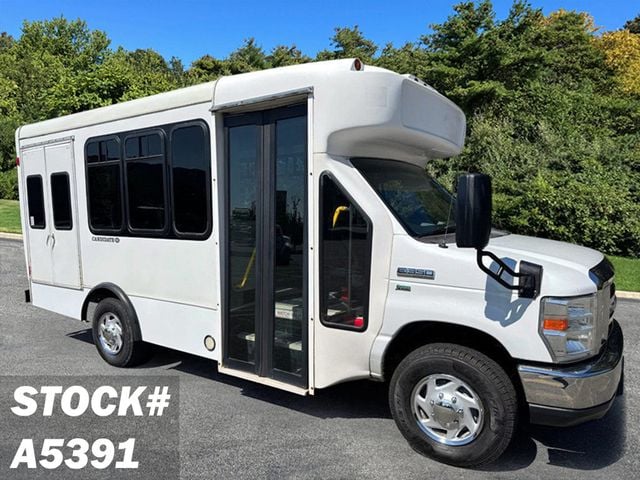
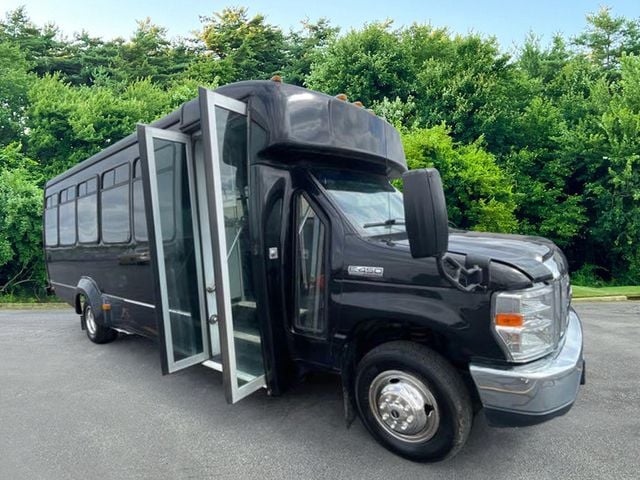
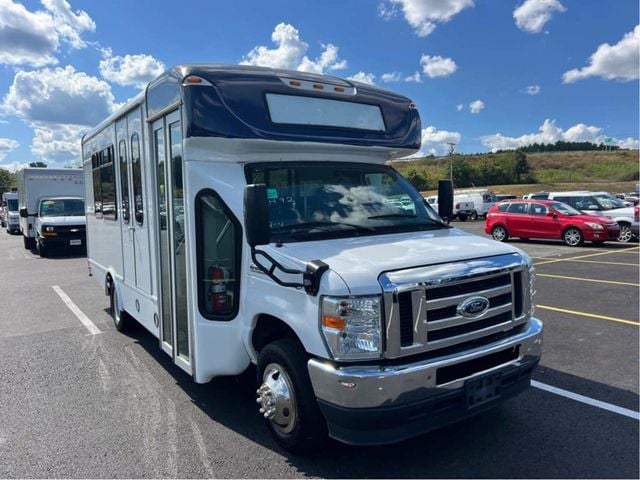
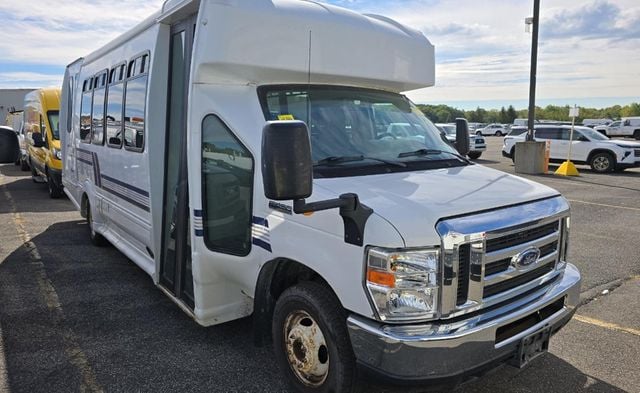
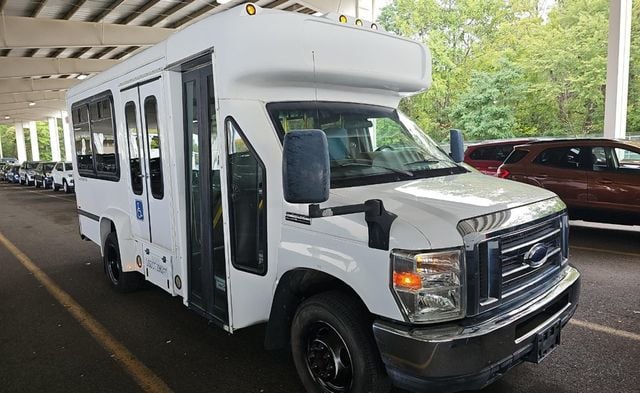
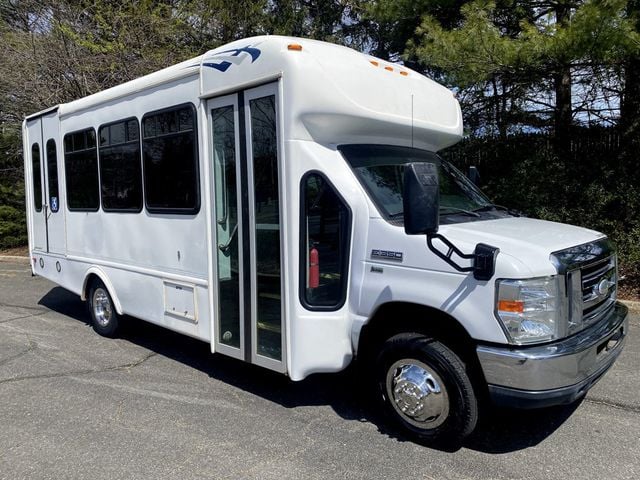
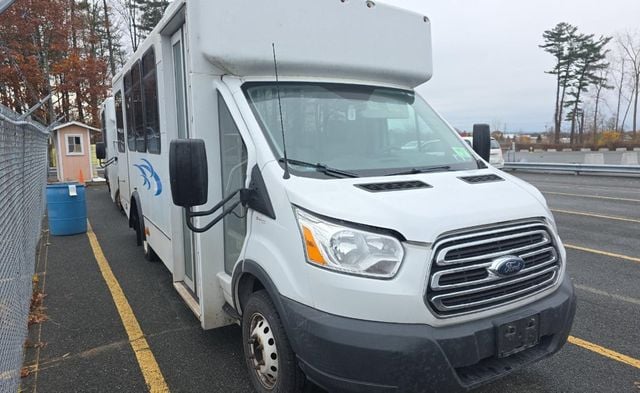
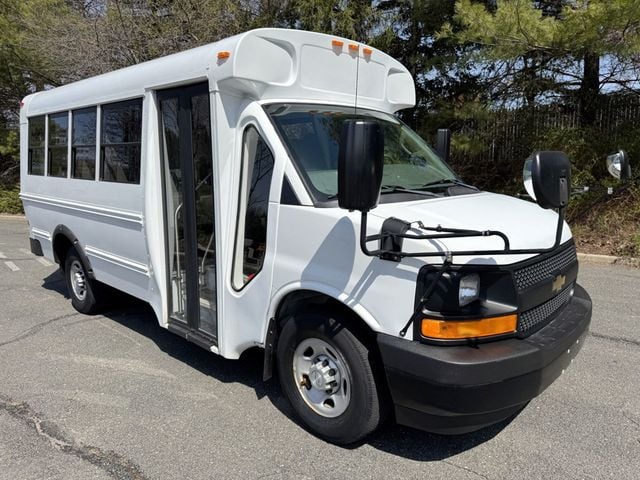
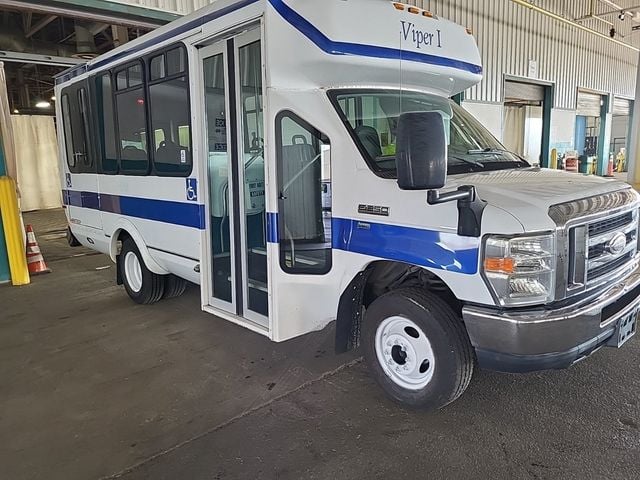
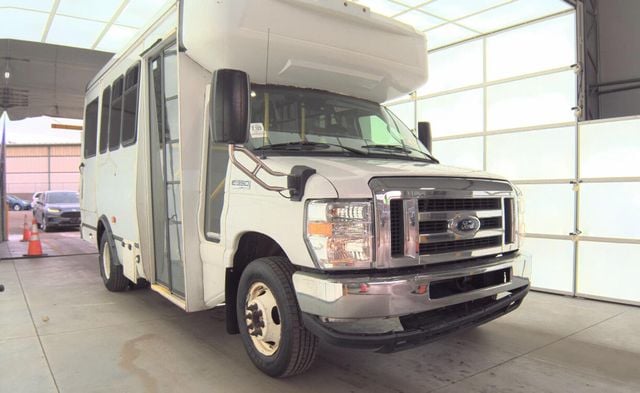
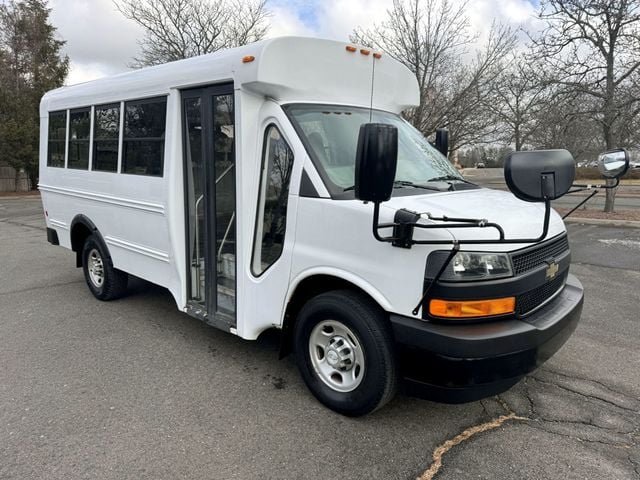
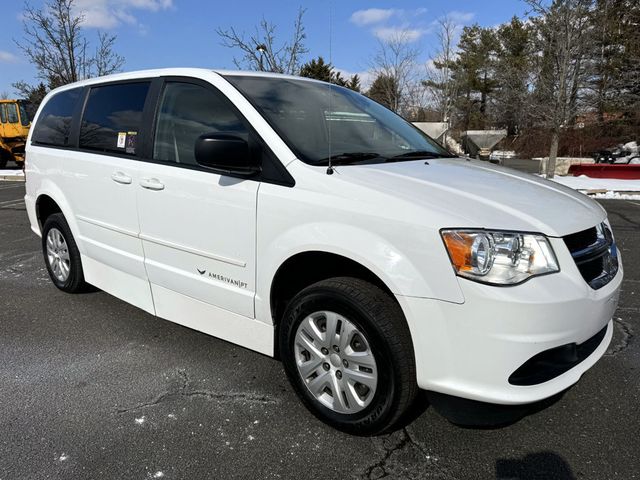
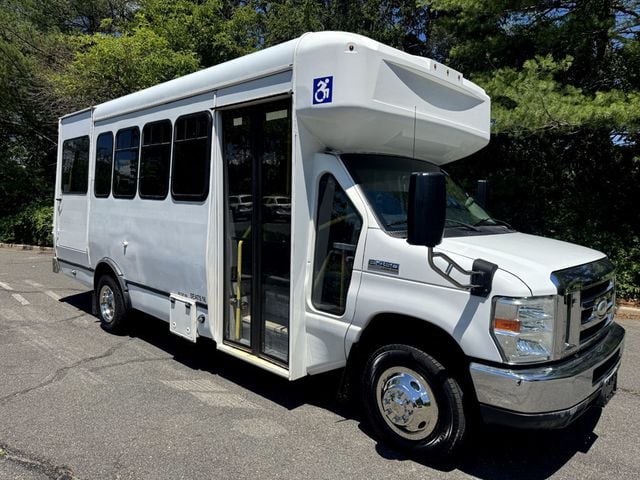
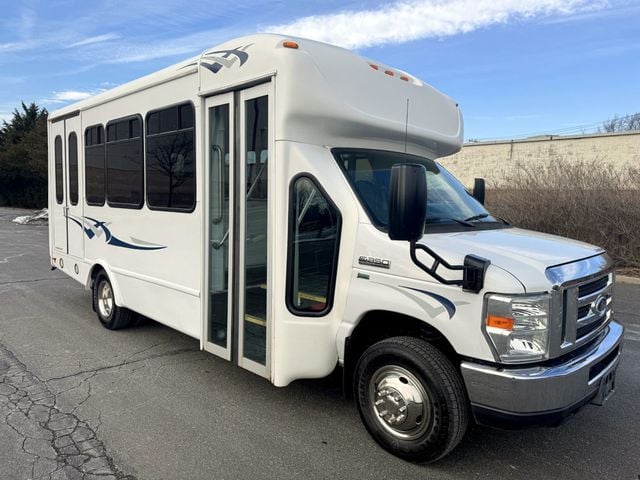
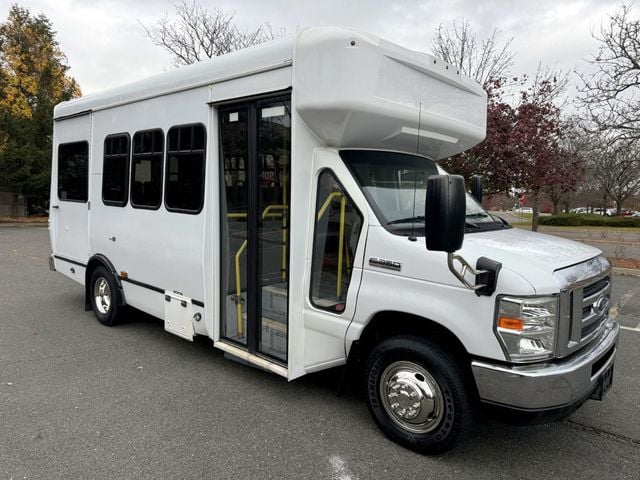
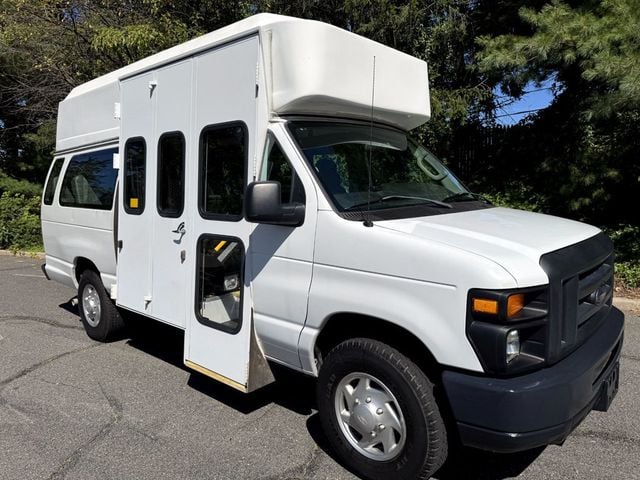

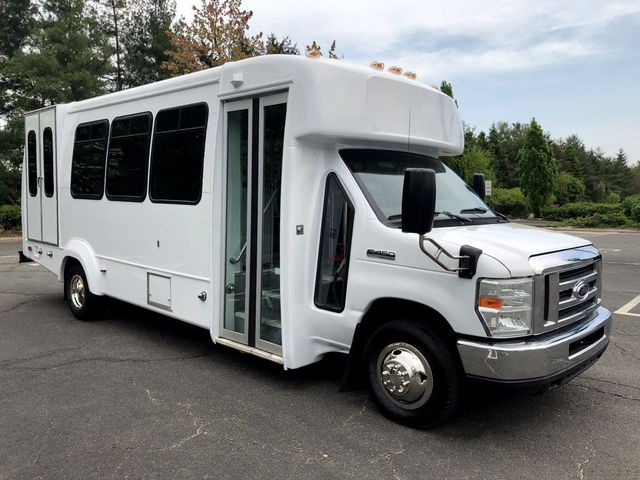
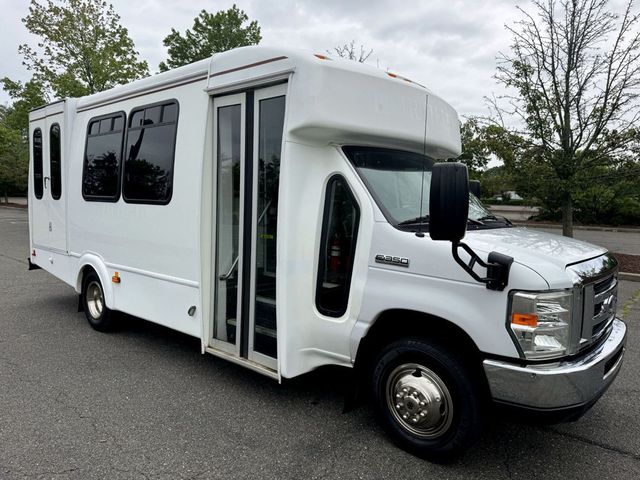
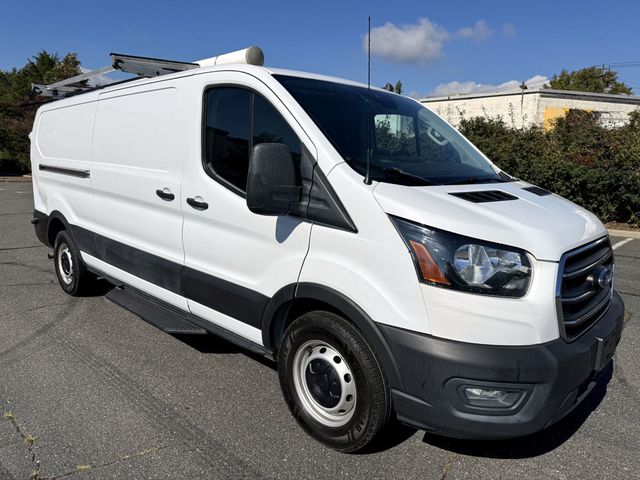

Hotels and resorts need reliable transportation to help guests reach their rooms, dining areas, event spaces, and nearby attractions. A commuter bus for sale can help manage these trips by carrying several passengers in one vehicle. It can support airport pickups, staff travel, wedding events, and group transfers. The right bus should match passenger numbers, travel routes, luggage needs, and daily schedules. A carefully selected vehicle can help hotels provide convenient transportation while keeping daily operations organized. It can also support worker transport by helping employees travel between designated pickup points and the property. Before buying, hotel managers should review how the bus will be used and which features matter most.
Make Guest Transfers Simple and Comfortable
Guests often need transportation between airports, train stations, parking areas, and hotel entrances. A commuter bus can serve these needs, especially during busy arrival and departure periods. It gives hotels a practical way to move groups without arranging several separate vehicles. A planned pickup service can also help guests unfamiliar with the local area or carrying heavy bags.
For resorts, the bus can connect guest rooms with pools, restaurants, conference halls, and other facilities across a large property. This service can be especially useful for older guests, families with children, and visitors carrying luggage. Clear pickup points and regular departure times help guests plan their activities with less confusion. Bus stop signs and simple travel instructions can make the service easier to use. Staff should also share any pickup-time changes so guests know where to wait.
Match Bus Capacity to Guest Demand
The right passenger capacity depends on the hotel’s size and transportation schedule. A small property may need a vehicle for limited group transfers, while a large resort may require more seating for events and peak travel periods. Guest numbers can vary by day, season, and event type, so managers should review typical travel patterns before choosing.
Before buying, review the usual number of passengers per trip. Check the seating layout, entry space, and luggage storage. The vehicle must stay within its approved passenger capacity. A suitable commuter bus should meet the property’s daily needs without being too small for busy periods or too large for regular use. Enough room for bags can also help keep aisles clear and make boarding easier for guests.
Support Events, Weddings, and Group Bookings
Hotels and resorts often host weddings, business meetings, family gatherings, and private functions. Guests may need transportation between the venue, nearby hotels, parking areas, and local attractions. A commuter bus can help keep group travel organized and reduce delays caused by separate arrivals. It can also help event staff manage guest movement during busy periods.
Event teams can set pickup locations and departure times before guests arrive. Staff can also share clear travel instructions during booking or check-in. For large events, the transportation plan should account for traffic, loading time, and the number of trips required. This preparation helps guests reach the right place on schedule. Managers should also plan for late arrivals and keep a staff member available to guide guests at main pickup points.
Use Commuter Buses for Worker Transport
Hotel and resort operations depend on employees working across different departments and shifts. Housekeeping, kitchen, maintenance, front desk, and event teams all need to reach the property on time. Worker transport can help hotels organize employee travel between designated pickup points and the workplace.
This can be particularly useful for resorts located outside busy town centers or in areas with limited public transportation. A scheduled commuter bus can transport multiple employees in one trip, reducing the need for separate travel arrangements. Managers should consider shift timings, employee pickup locations, route distance, and the number of passengers when selecting a vehicle.
The seating layout, entry steps, air conditioning, and overall condition should also support regular employee use. A well-planned worker transport service can make shift changes easier to coordinate and help employees travel more conveniently.
Check Vehicle Condition Before Buying
A bus used for hotel transportation needs regular checks and proper care. Review the engine, transmission, brakes, tires, steering, lights, doors, and air conditioning. These parts affect safe operation and passenger comfort. Check that the seats are secure, the windows work, and the entry steps are in good condition.
Ask the seller for service records, ownership documents, and details of past repairs. A qualified mechanic should inspect the vehicle and carry out a road test before purchase. Also, confirm that the bus meets local registration, insurance, inspection, and passenger transport requirements. Review luggage space and access points to make sure the vehicle fits the planned service. Managers should also plan for regular maintenance so the bus remains ready for daily trips.
Final Thoughts
At Major Vehicle Exchange, our team helps buyers review bus options based on passenger capacity, vehicle condition, and intended use. Whether the requirement is guest transfers, event transportation, or worker transport, the right vehicle should match the property’s daily operating needs. A clear plan can help managers focus on the features that matter most instead of choosing a vehicle based only on its appearance.
Contact Major Vehicle Exchange to discuss your property’s transportation needs and explore available options. Share your expected passenger numbers, common routes, and daily schedule with our team. A clear plan and careful vehicle inspection can help you choose a bus that supports reliable guest transfers and employee transportation.
FAQs
1. How can a commuter bus help hotel transportation?
A commuter bus helps hotels transport guests between airports, parking areas, event venues, and nearby attractions while keeping group travel organized and convenient.
2. What should hotels consider before buying a commuter bus?
Hotels should review passenger capacity, luggage space, seating comfort, vehicle condition, maintenance records, operating routes, and local passenger transport requirements before buying.
3. Can a commuter bus support wedding and resort events?
Yes, a commuter bus can transport guests between hotels, wedding venues, parking areas, and event locations, helping staff manage group arrivals and departures.
4. How can resorts use commuter buses for worker transport?
Resorts can use commuter buses to transport employees from designated pickup points to the property. This can help coordinate staff travel across morning, afternoon, and night shifts.
5. How can buyers check a commuter bus before purchase?
Buyers should review service records, inspect the engine, brakes, tires, doors, and air conditioning, and arrange a professional mechanical inspection before purchase.
Comments are closed.