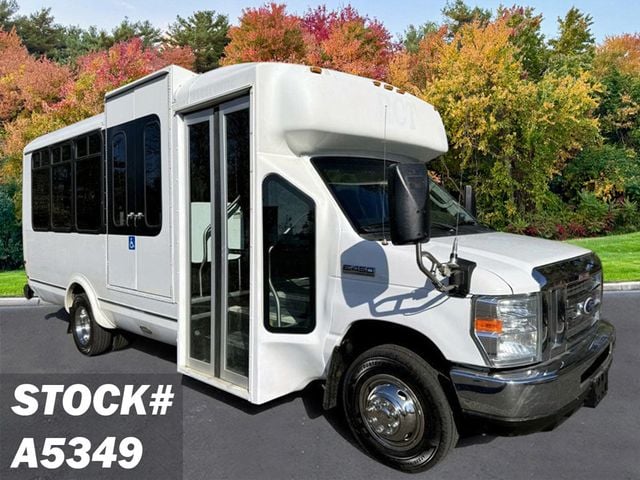
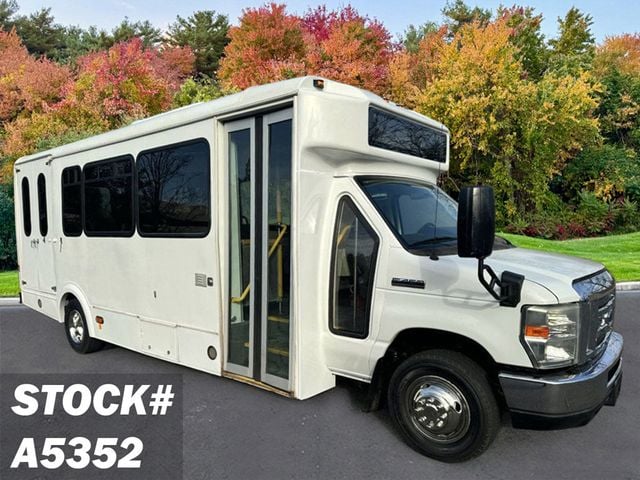
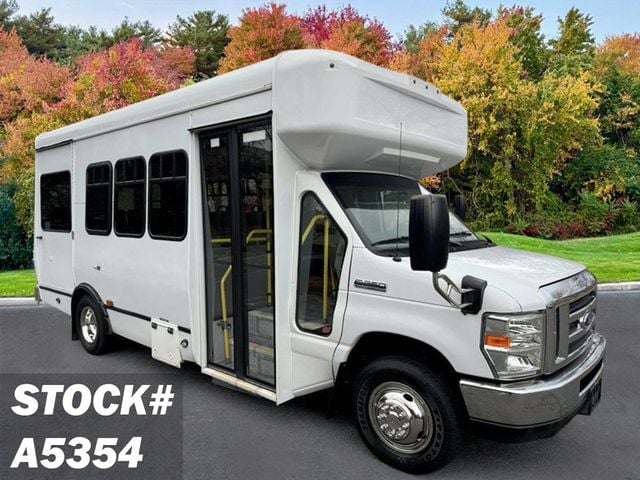
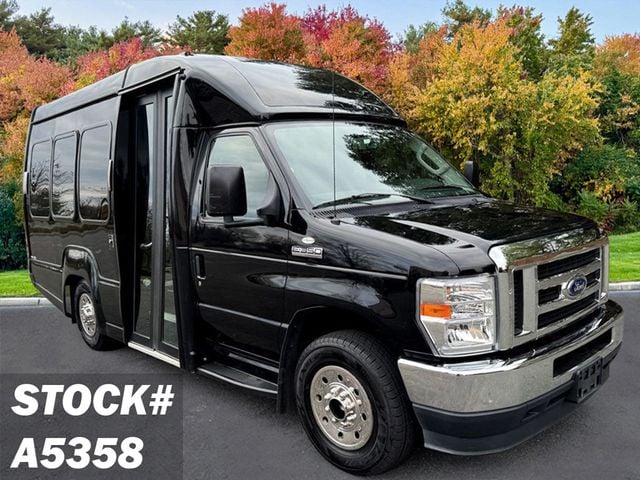
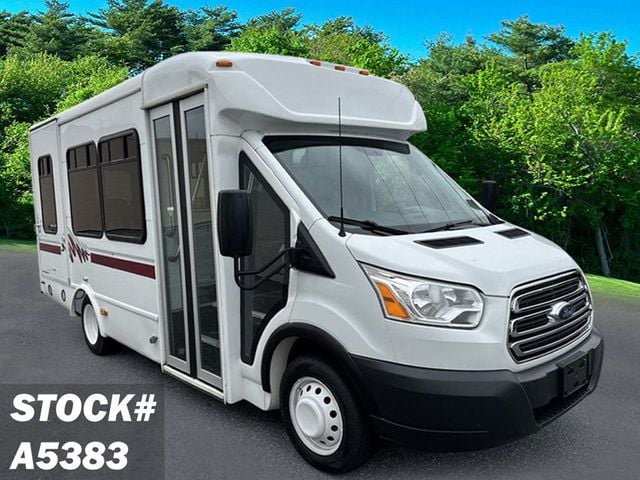
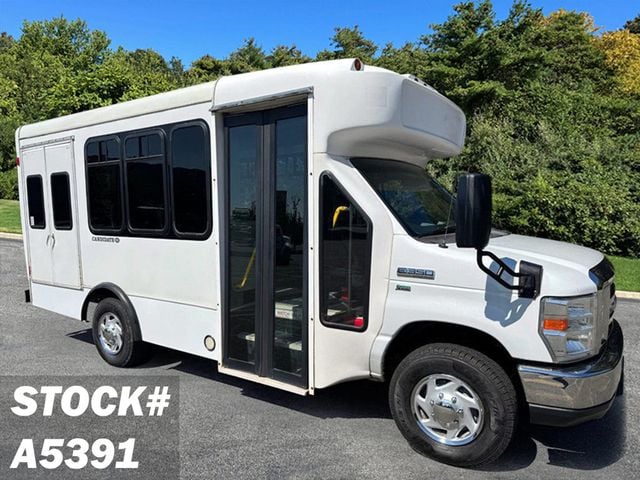
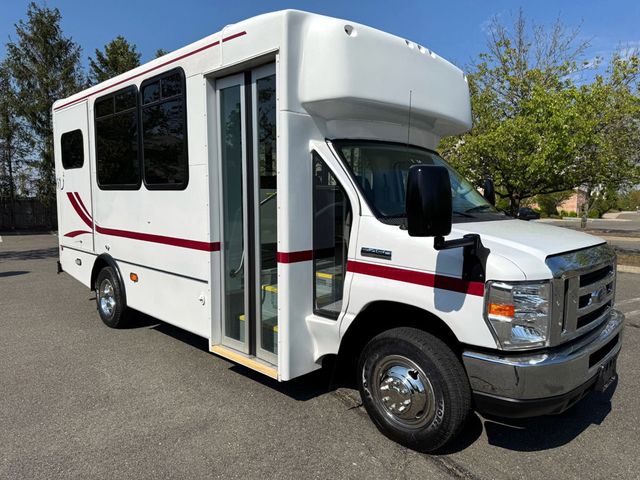
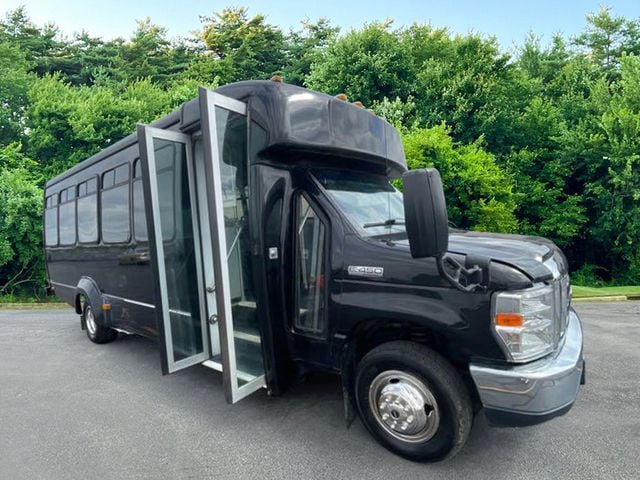
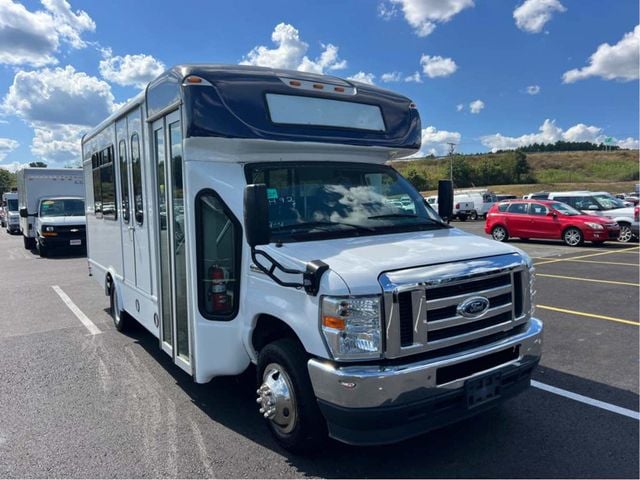
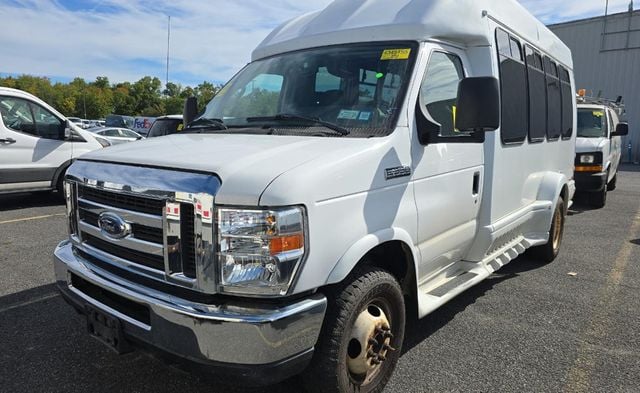
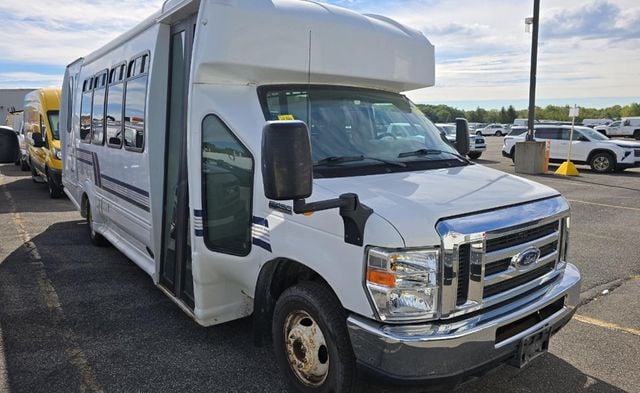
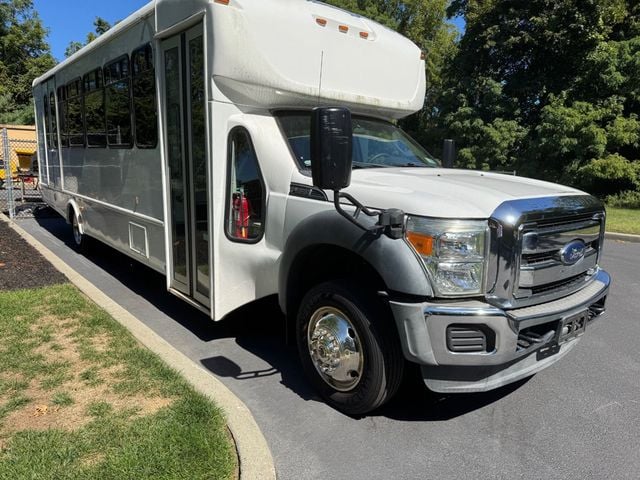
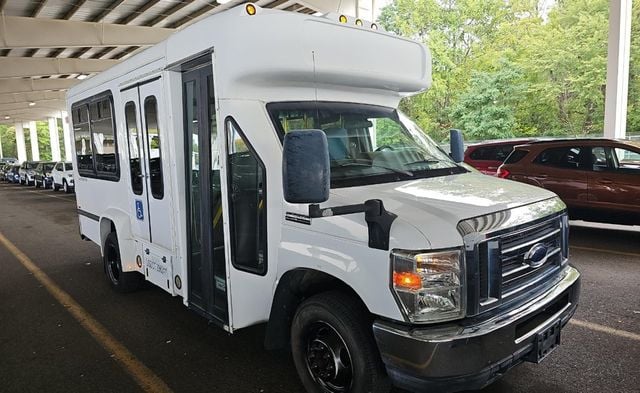
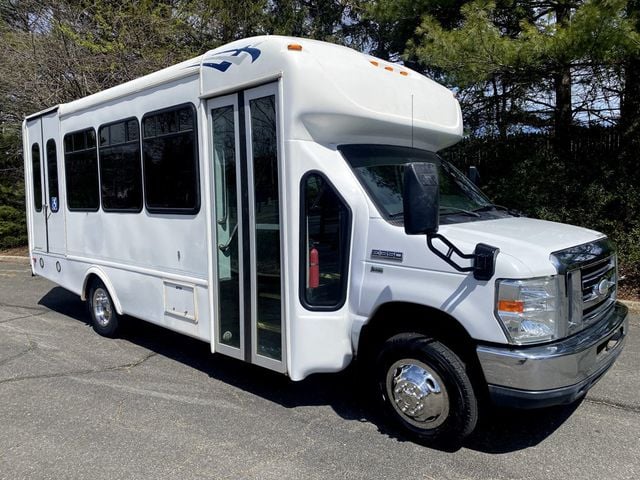
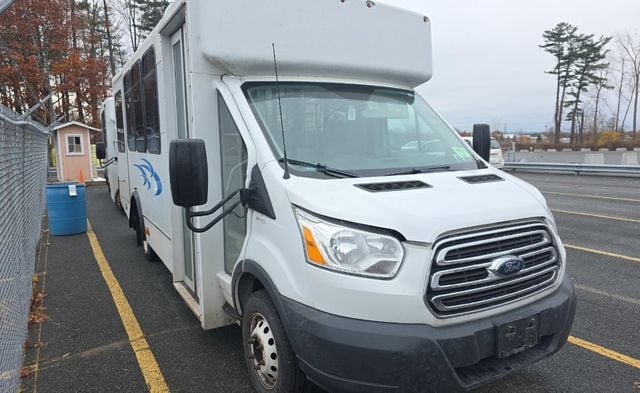
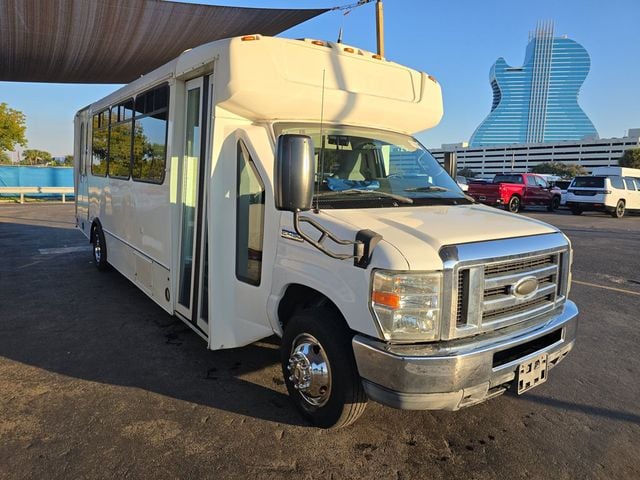
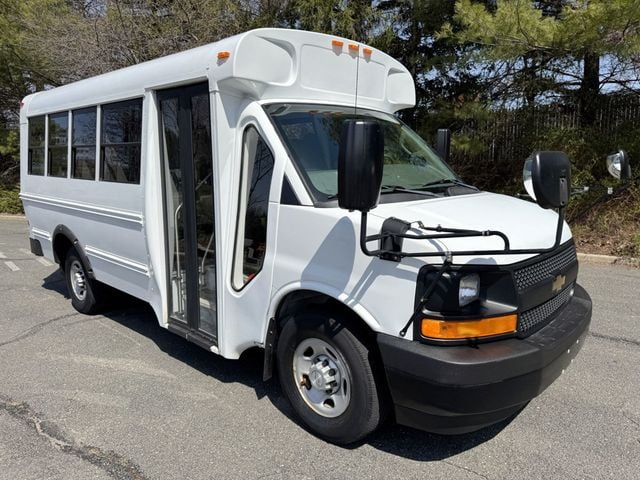
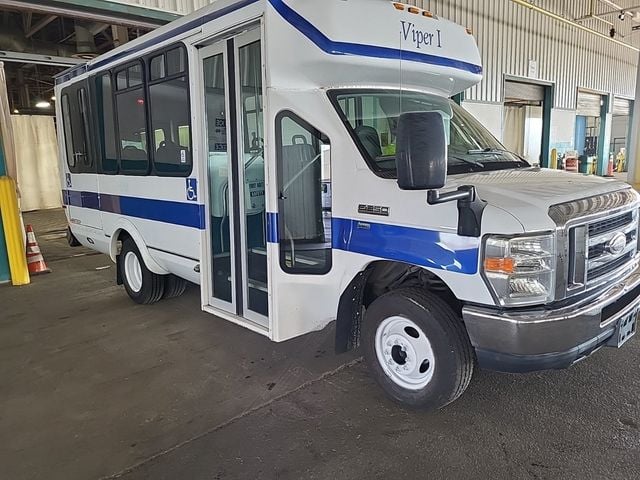
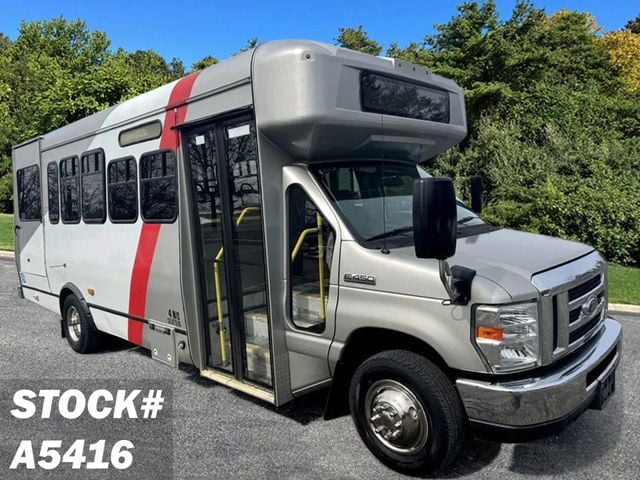
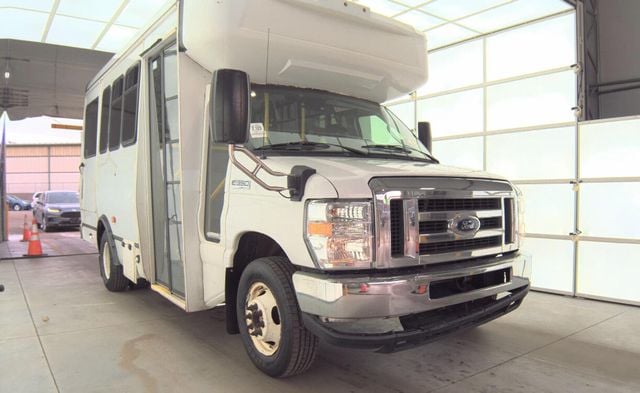
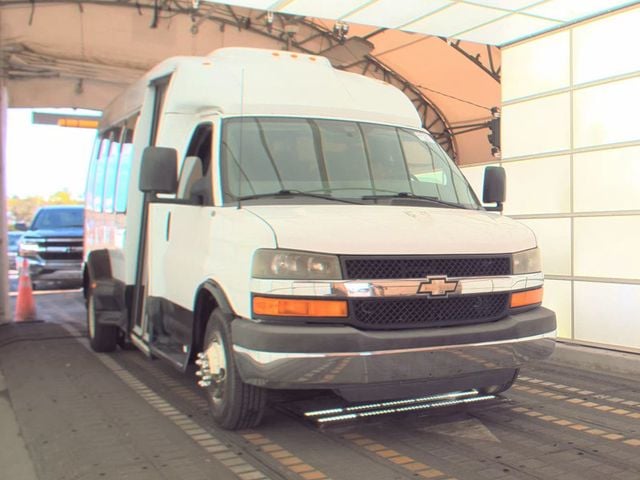
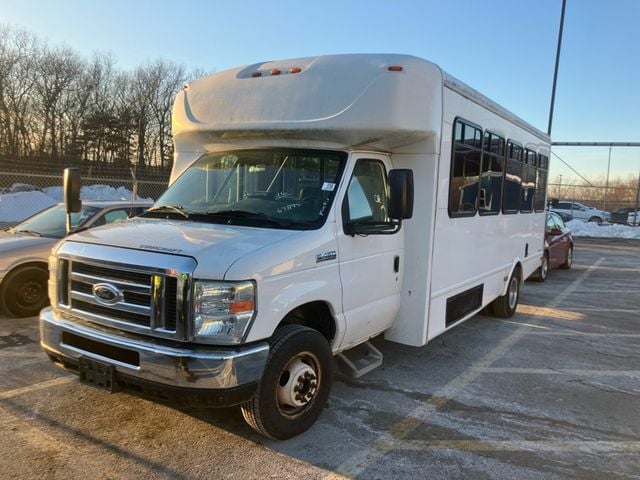
Finding a safe, dependable commuter bus for sale is important for schools, community groups, and other organizations that transport people regularly. A good bus makes every trip safe, smooth, and comfortable. Choosing the right bus is more than just looking at the price or its appearance. Knowing the key points can help you choose a bus that works well for your group for years to come.
Safety and Comfort Come First
The safety of passengers is the most important thing. A well-checked bus gives peace of mind during every ride. Make sure the brakes, tires, and safety systems are in good condition. Drivers should also have access to clear mirrors, passenger seat belts, and proper emergency equipment.
Comfort matters just as much as safety. Comfortable seats, good air control, and enough space for passengers make trips easier and more enjoyable. For longer trips, consider buses that offer extra legroom or better seat cushions. A safe, cozy bus keeps everyone happy and relaxed, which is especially important for children, seniors, and anyone who may feel nervous on the road.
Paying attention to these details helps organizations avoid accidents, ensure compliance with safety rules, and provide a positive passenger experience they can rely on.
Look at Reliability and Service History
● Before buying a bus, check how well it has been maintained. Regularly inspected and repaired buses are less likely to break down.
● Reliable buses run smoothly, saving money on unexpected repairs and reducing operational stress.
● Ask about service records and previous use. Was the bus part of a daily transportation provider or used occasionally for group trips?
● Understanding the history helps gauge wear and tear and predict future performance.
● Reliable buses allow your team to focus on programs rather than emergency maintenance, ensuring punctual, safe operations.
● Well-maintained vehicles reduce downtime, extend lifespan, and provide better long-term value for your investment.
Think About Seating and Access
● Different groups have different needs: schools may need flexible seating, while community groups may require easy access for seniors or people with mobility challenges.
● Check that doors, aisles, and seats are easy to use and navigate.
● Consider the layout carefully: clear walkways, wide entrances, and adjustable seats improve boarding and reduce accidents.
● Some buses allow seats to be removed or adjusted to accommodate additional wheelchairs, equipment, luggage, or supplies.
● Comfortable, accessible seating ensures that all passengers travel safely and without stress.
● Thoughtful seating and easy access show that your organization prioritizes passenger comfort and care.
Ready to Go When You Need It
A bus that can start running right away is a big advantage. Vehicles that are fully checked and ready save time and let your team focus on transportation plans.
Immediate availability is especially helpful for schools that need buses for field trips, community programs with regular schedules, that organize multiple events in a week. Waiting for repairs or long preparation times can disrupt planning, but a bus that is ready to go solves that problem.
Checking that the bus has been fully inspected, cleaned, and serviced before purchase ensures it can perform reliably from day one. It also reduces stress for drivers, administrators, and passengers alike.
Buses That Can Do More
● A good commuter bus should be versatile, serving schools, community programs, or events.
● Some buses can adjust seating or provide space for bags and supplies, supporting a range of trip types.
● Versatility allows the vehicle to meet daily transport needs and occasional outings.
● Multi-purpose buses deliver more value over time and keep your group flexible.
● Organizations benefit from adaptable layouts for special needs, like sports equipment, instruments, or extra supplies.
● Investing in a flexible bus ensures it continues to meet changing organizational requirements as needs grow.
Price and Long-Term Value
The cost of a bus is important, but long-term value matters too. A reliable, not too expensive bus saves money in the long run. Buses that require fewer repairs and last longer help organizations allocate their money to other programs.
When considering price, think about fuel efficiency, expected repair costs, and potential resale value. Buying a bus that keeps running well reduces unexpected expenses and allows your organization to plan its budget accurately. You can get more buses or support more services while staying within budget.
A bus that offers good value provides peace of mind and ensures the organization can operate efficiently without worrying about transportation problems.
Final Touch:
At Major Vehicle Exchange, led by Charlie, our goal is to help groups find safe and reliable buses. We check, repair, and upgrade every bus so it is ready to use and comfortable. If you are looking for used shuttle buses in New York, our team can help you choose the right bus for your needs. We focus on buses that are easy to use, safe, and give the best value for your money. Every vehicle is inspected to ensure long-term reliability and passenger comfort. Choosing a commuter bus does not have to be hard. By focusing on safety, reliability, comfort, and usefulness, you can pick a bus that meets your group’s needs.
Contact Major Vehicle Exchange today to see our selection and find the right bus for your team. We are ready to guide you and make the process simple and efficient.
FAQs:
Q1: How can I know if a commuter bus is safe?
Check its maintenance history, brakes, tires, and safety systems for reliable performance.
Q2: What should I consider for passenger comfort?
Look for good seating, ample space, and proper airflow for smooth rides.
Q3: Why is bus reliability important for organizations?
Reliable buses reduce breakdowns, save costs, and ensure on-time transportation for groups.
Q4: Can one bus serve different purposes?
Yes, buses with flexible seating or storage can handle daily transport and special trips.
Q5: How do I choose a bus within my budget?
Focus on long-term value, low repair costs, and efficient operation to save money.
Comments are closed.