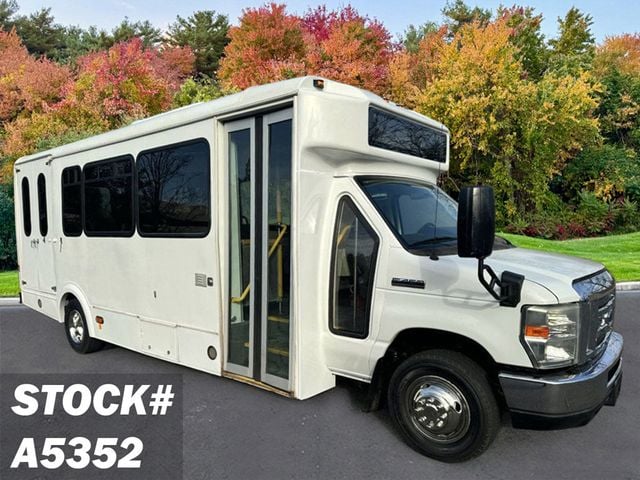
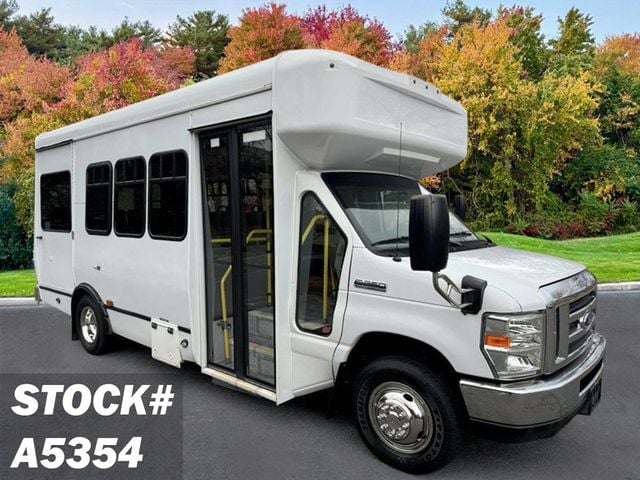

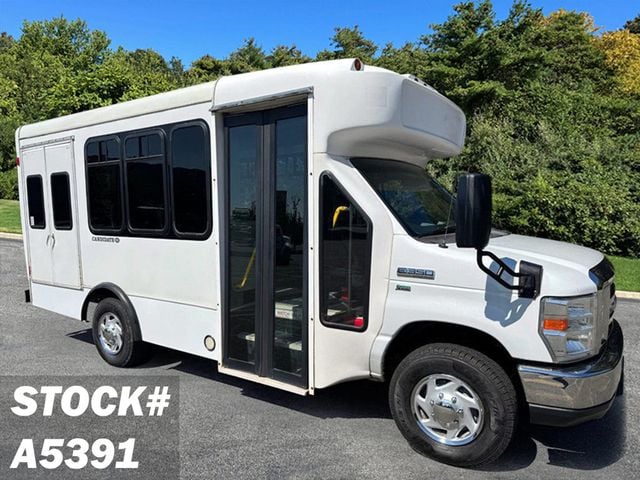
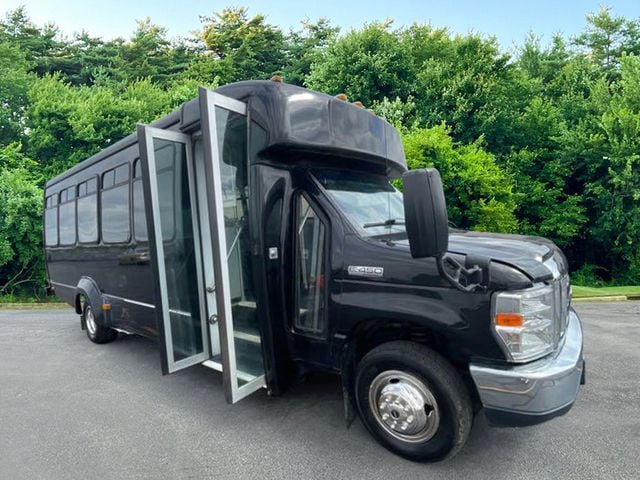
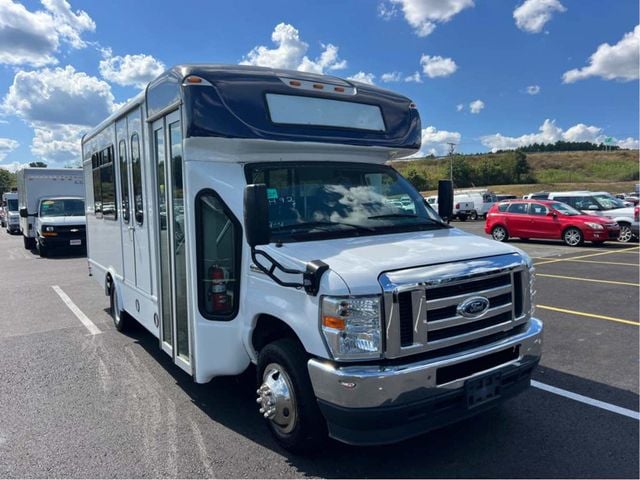
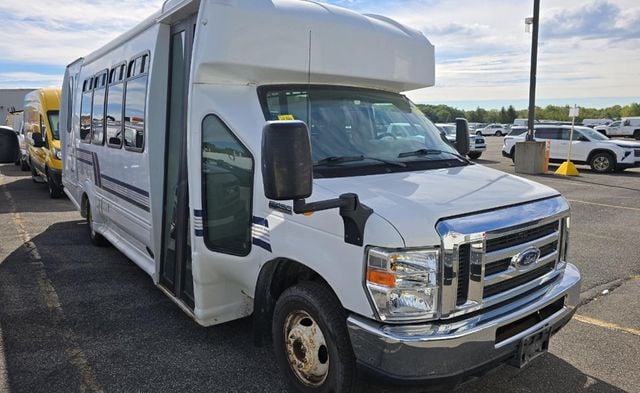
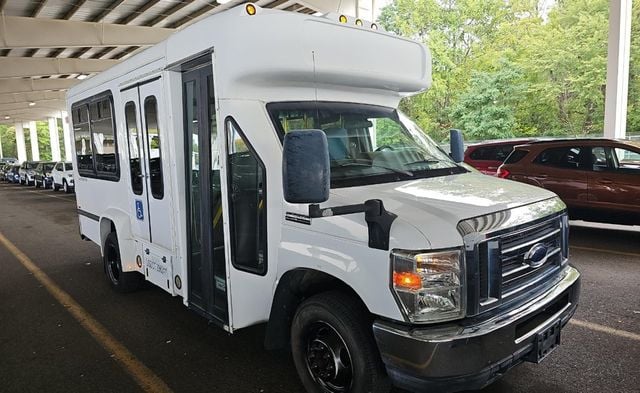
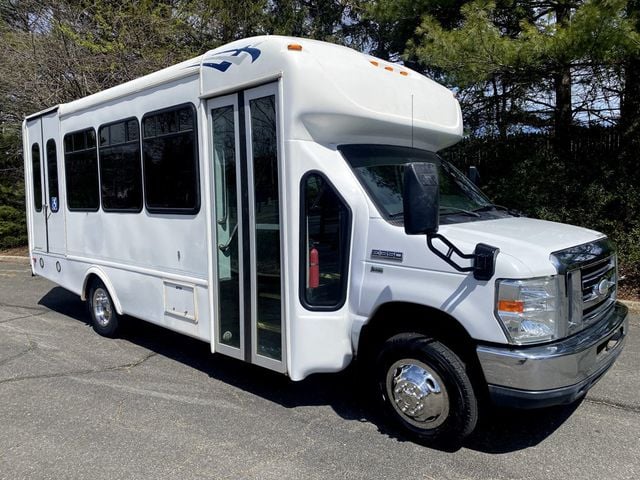
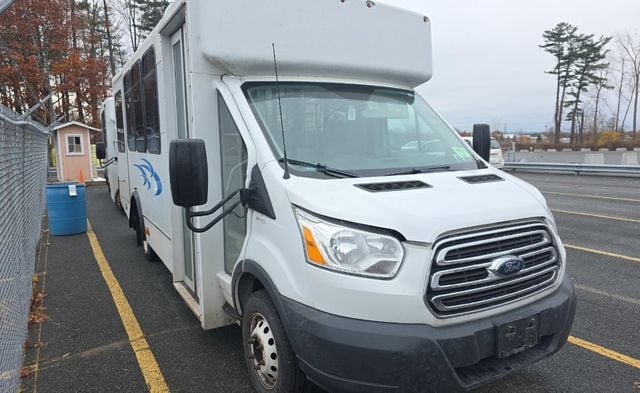
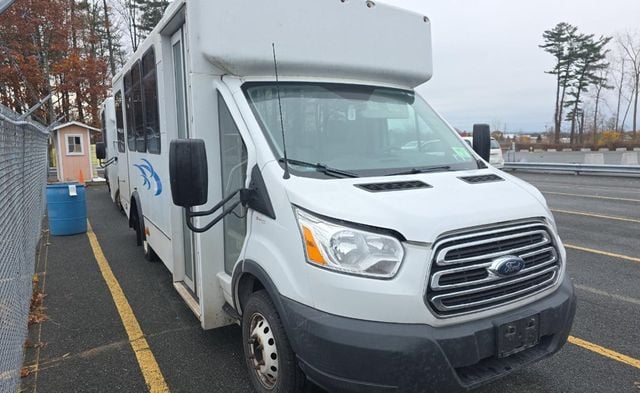
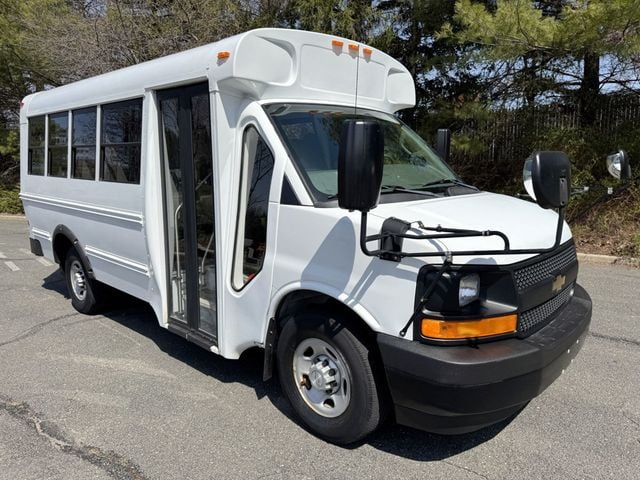
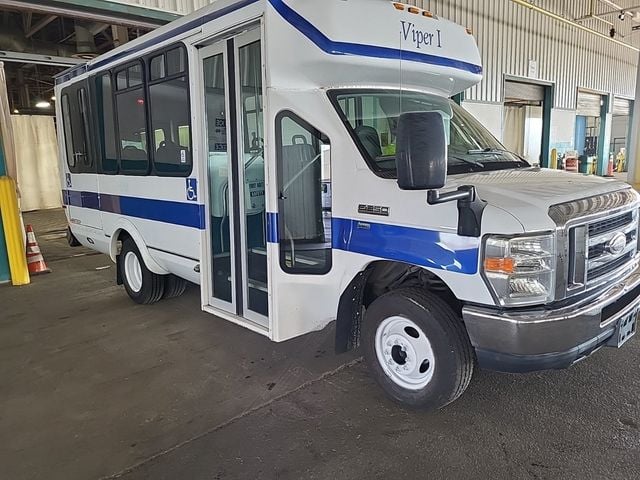
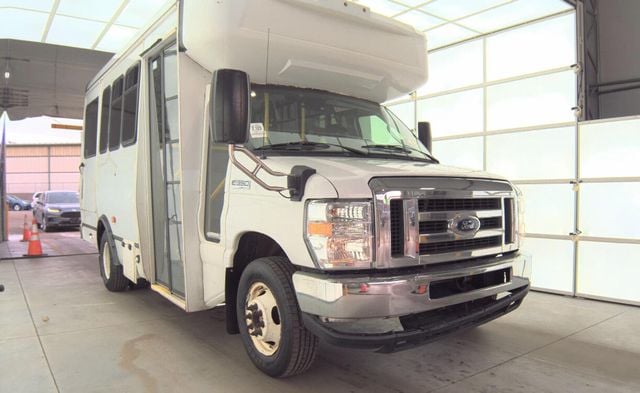
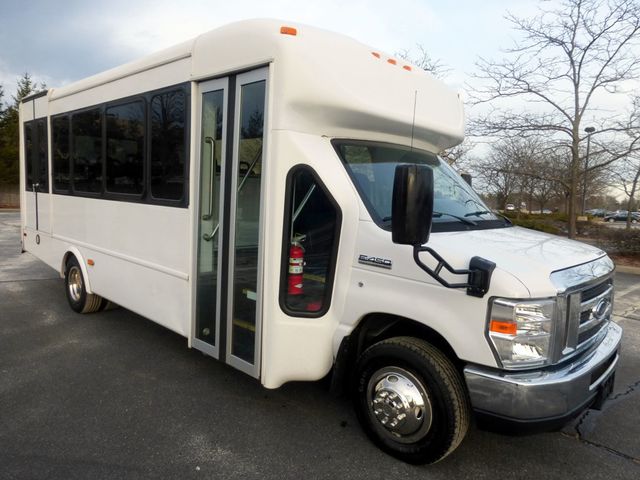
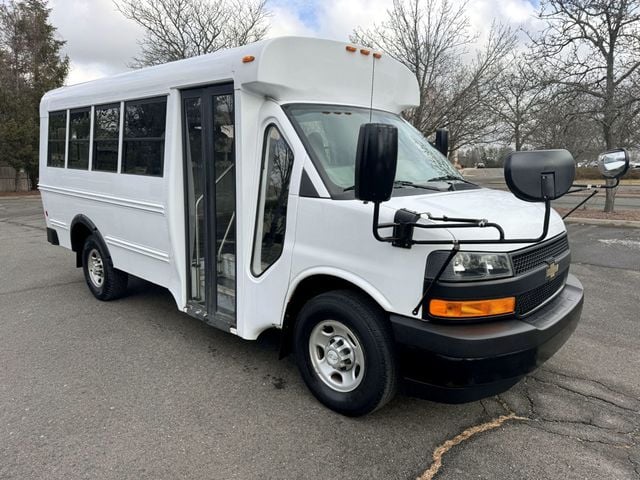

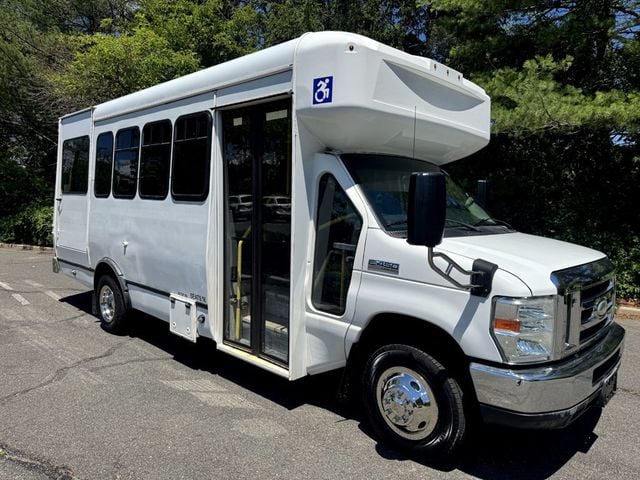
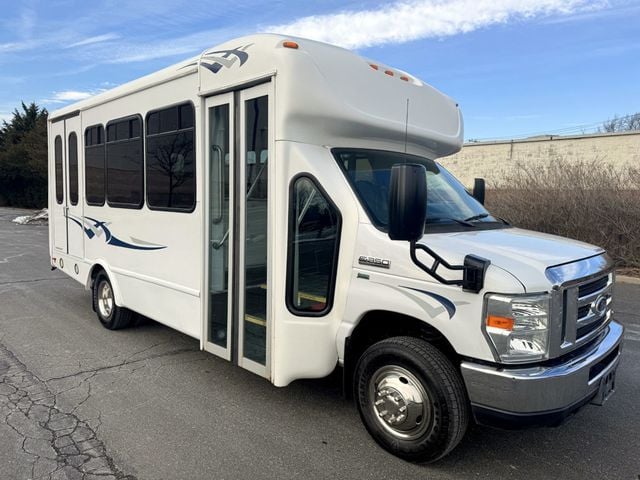
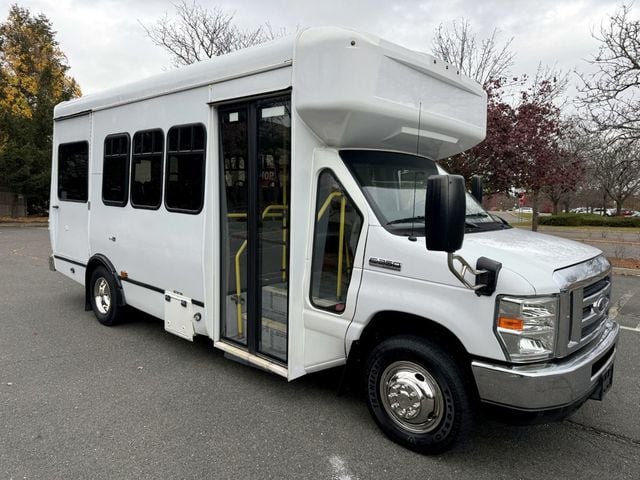
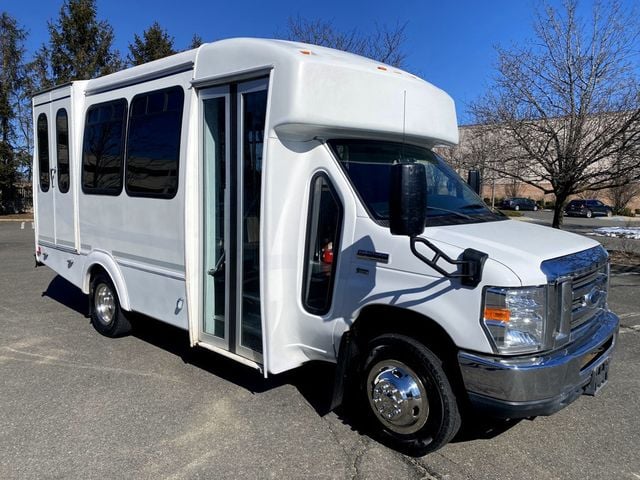
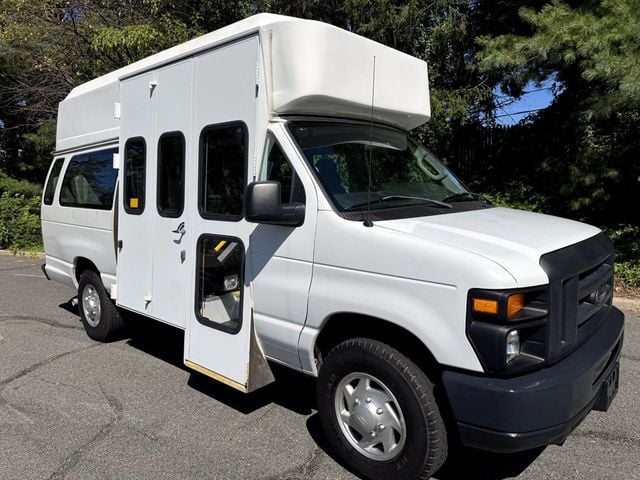

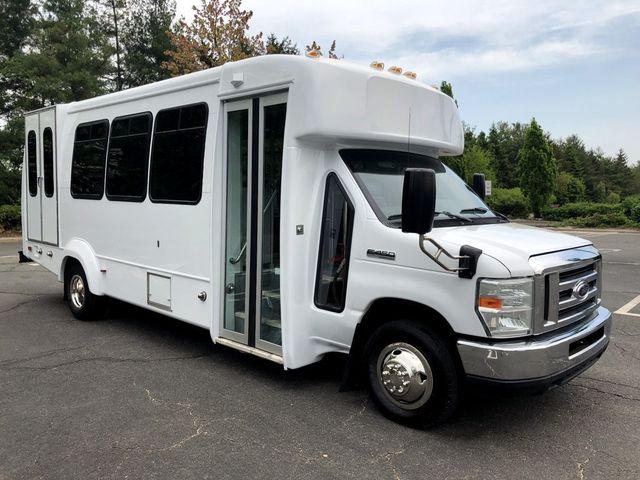
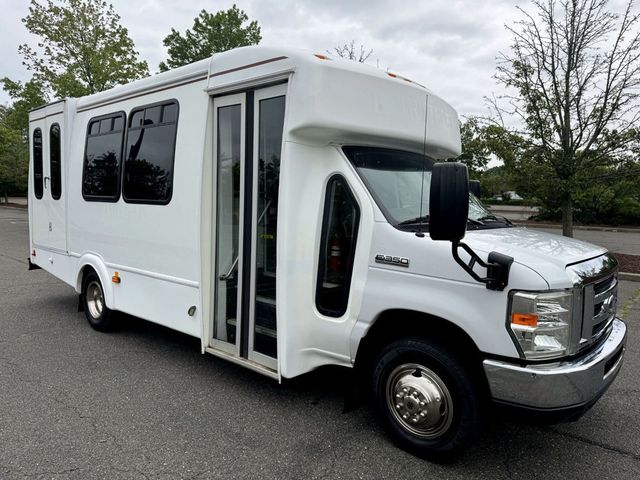
Buying a used Ford shuttle bus for sale can be a smart choice for schools, churches, and community groups. A good bus keeps passengers safe, comfortable, and happy during trips. But buying a used bus without careful inspection can lead to problems and extra costs. Checking it step by step helps you pick a bus that works well for a long time and is worth your money.
Inspect the Body and Safety Features
● Look at the bus frame for signs of serious rust, dents, or cracks that could make it unsafe.
● Test all doors and emergency exits to make sure they open and lock properly.
● Check lights, indicators, and brakes to make sure they work.
● Look at the seats, floors, and handrails for safety and comfort.
● Make sure dashboard alerts and warning lights are working.
● Checking these things first helps prevent accidents and costly repairs.
When inspecting the bus body, pay close attention to areas that are prone to rust or wear, such as wheel wells, under the doors, and around the windows. Minor dents may be cosmetic, but deeper cracks can affect the frame’s strength. Doors and emergency exits must be smooth and easy to open in case of emergencies, and lighting systems should be checked in daylight and at night to ensure visibility.
Review Maintenance Records and Performance History
● Ask for service records showing oil changes, tire care, and checkups.
● Find out if the bus has had repeated problems or big repairs in the past.
● Learn how the bus was used: daily school trips, group trips, or occasional events.
● A well-maintained bus runs better, breaks down less, and costs less to fix.
● Records help you see if the bus will last a long time.
● Picking a well-maintained bus makes your trips worry-free.
Maintenance history is often the best indicator of a bus’s future reliability. Regularly serviced buses with detailed records show the previous owners cared for the vehicle. Look for signs of neglected maintenance, such as uneven tire wear or missing service receipts. Knowing how the bus was used can also reveal potential stress on the vehicle. For example, buses used daily for school runs may have higher mileage but consistent maintenance, while occasional event buses may have less wear but fewer documented checks.
Test Drive and Check How it Feels.
● Start the bus and listen for strange noises or shaking.
● Test brakes, steering, and suspension for smooth control.
● Check acceleration, gear changes, and comfort while driving.
● Try a route with stops, turns, and hills to see how it handles.
● A well-driving bus is safer and easier to use for daily trips.
During a test drive, pay attention to any unusual sounds, vibrations, or jerks when accelerating or braking. Brakes should feel responsive, steering should be smooth, and suspension should absorb bumps without making the ride uncomfortable. A test drive is also the time to check the turning radius, handling on slopes, and how easy it is to park the bus. Drivers who feel confident and comfortable in the vehicle are less likely to make errors, improving safety for everyone on board.
Look at Seats, Access, and Comfort
Passenger comfort is very important. Check the seat layout to make sure there is enough space for everyone. Wide aisles, easy-to-open doors, and handrails make getting on and off safer. Seats that can be moved or removed provide space for luggage, supplies, or special activities. Working air conditioning and clean interiors make rides pleasant.
A bus that is easy to use for seniors, kids, and passengers with mobility issues keeps everyone happy. Comfortable seating and safe access improve the travel experience, making trips stress-free. Also, consider storage options for backpacks, sports gear, or musical instruments. A bus that balances comfort and practicality ensures passengers enjoy each ride, while the organization can easily handle different types of trips.
Think About Long-Term Value
Before buying, think about how the bus will serve your group over time. Compare the price with the cost to fix and run it. Look for a bus suitable for daily trips and special events. A bus that lasts longer and can do more saves money and makes your organization’s work easier.
Long-term value also comes from choosing buses with strong parts, low maintenance needs, and adaptability for a range of trips. Even a used bus, if well inspected, can provide years of reliable service. Organizations benefit from buses that meet daily transportation requirements while also handling occasional larger trips or events.
Closing Note:
At Major Vehicle Exchange, led by Charlie, we help groups find the right second-hand bus second hand for sale. Every bus is carefully inspected, serviced, and upgraded to meet safety, comfort, and reliability standards. We guide you through the process, ensuring your organization selects a bus that is ready to perform immediately and provides safe transportation for everyone.
If you want a shuttle bus that is safe, dependable, and built to last, contact Major Vehicle Exchange today. Explore our selection and secure a bus that supports your organization’s travel needs with confidence.
FAQs:
Q1: How can I check if a used shuttle bus is safe?
Inspect brakes, lights, seatbelts, doors, and emergency exits to ensure they all work properly.
Q2: Why is reviewing maintenance records important?
Maintenance records show past repairs and care, helping predict reliability and reduce future costs.
Q3: What should I look for during a test drive?
Check steering, brakes, suspension, gear shifts, and ride comfort to assess driving performance.
Q4: How do I ensure passenger comfort?
Look for spacious seating, clean interiors, accessible doors, handrails, and adjustable or removable seats.
Q5: How can I evaluate the long-term value of a used bus?
Consider maintenance needs, adaptability, durability, fuel efficiency, and potential resale value.
Comments are closed.