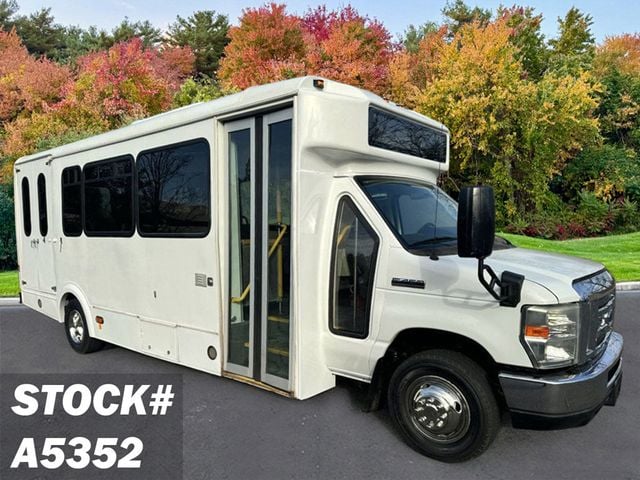
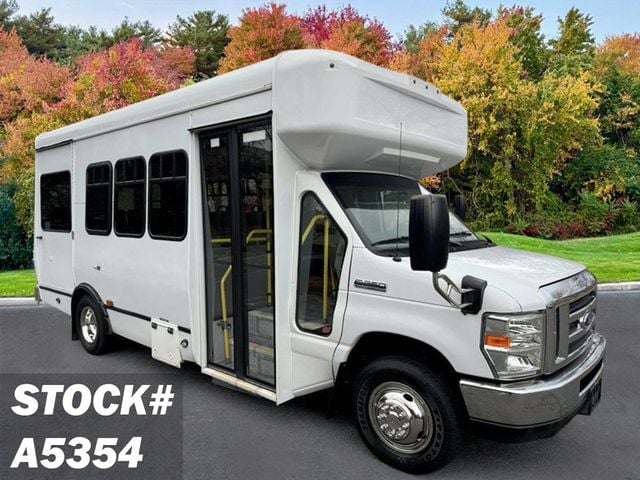
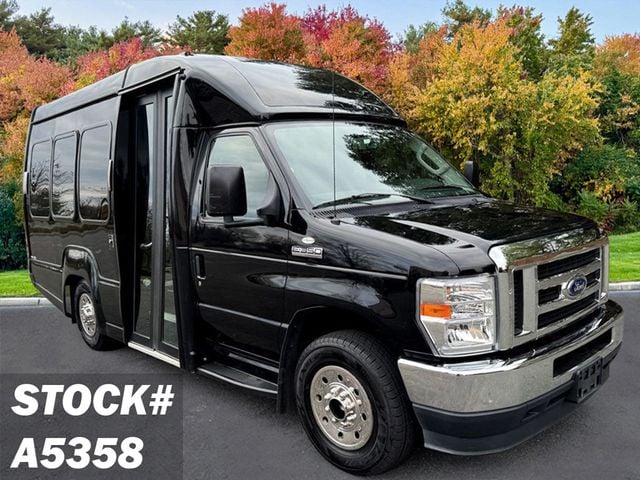
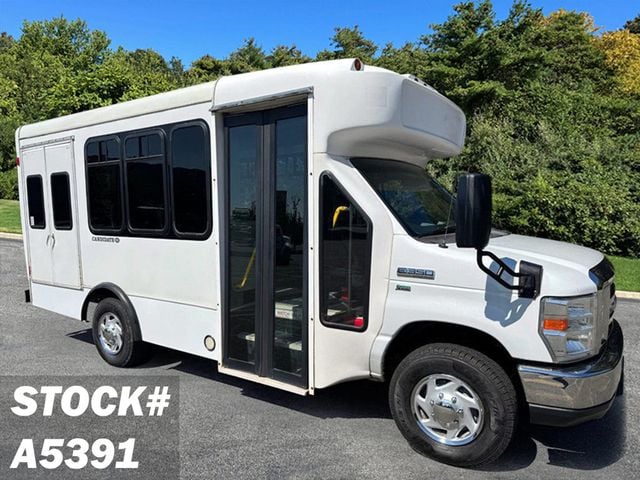
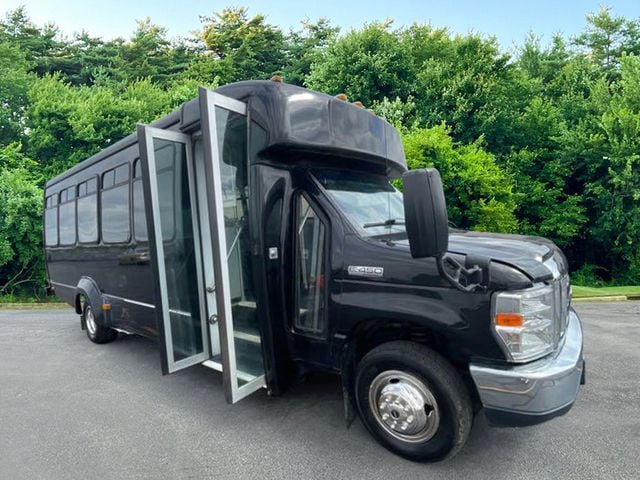
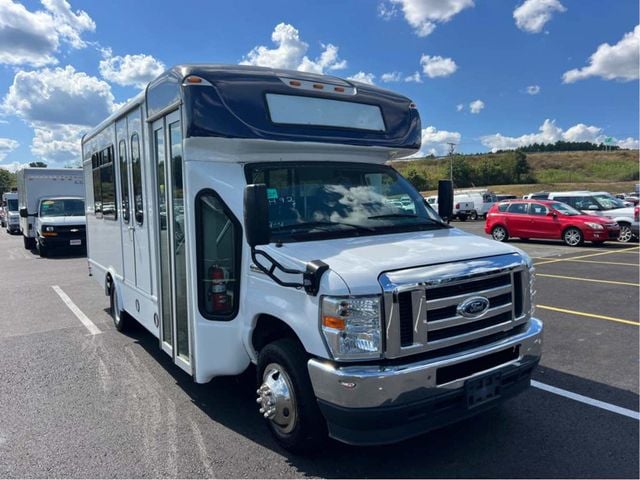
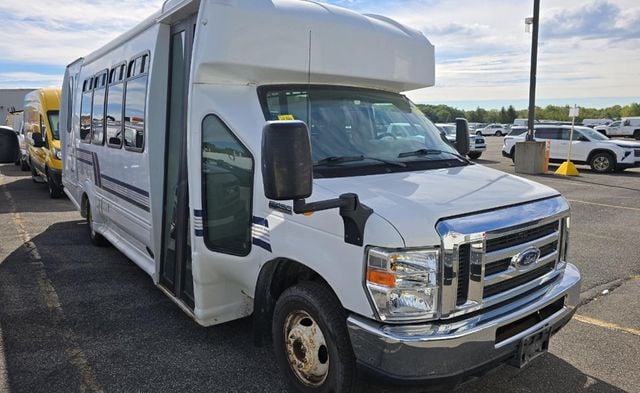
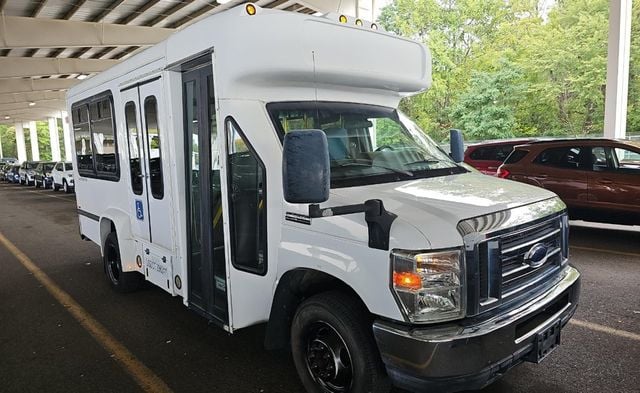
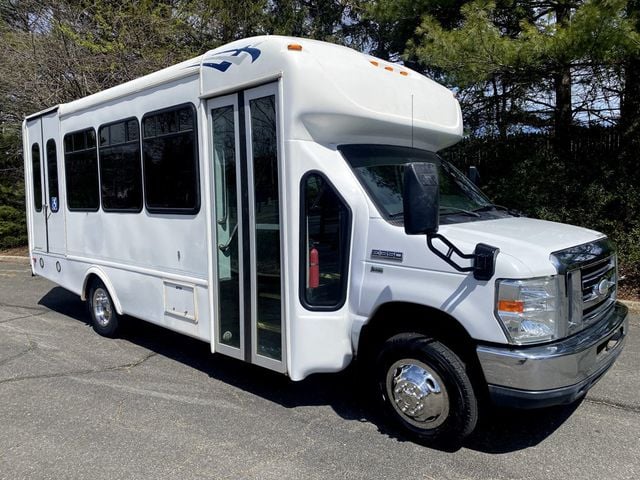
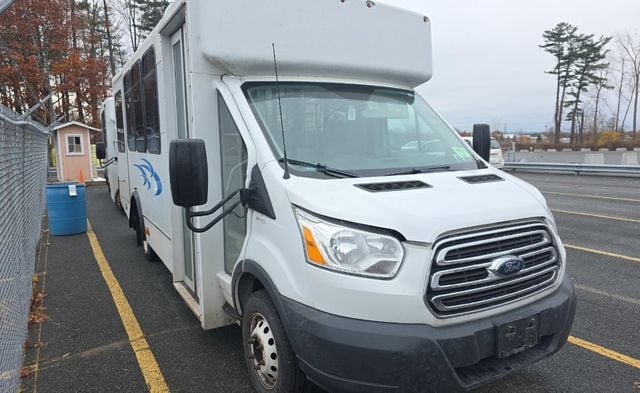
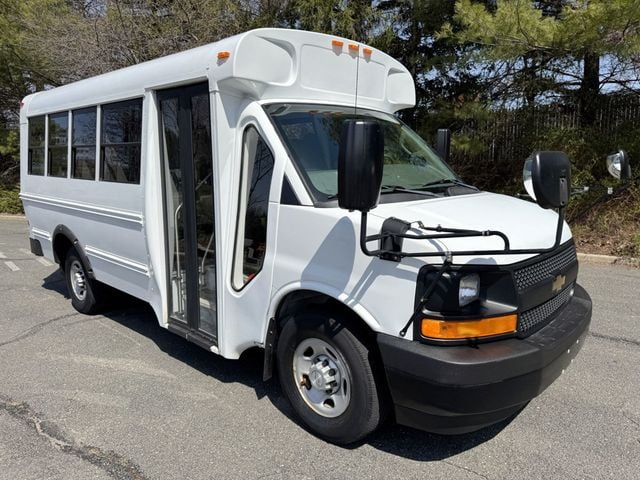
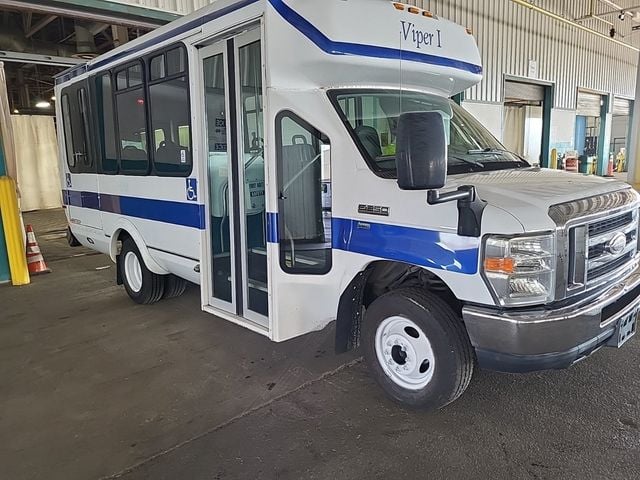
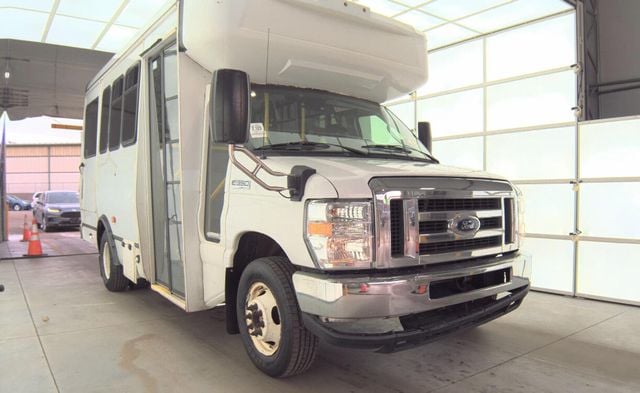
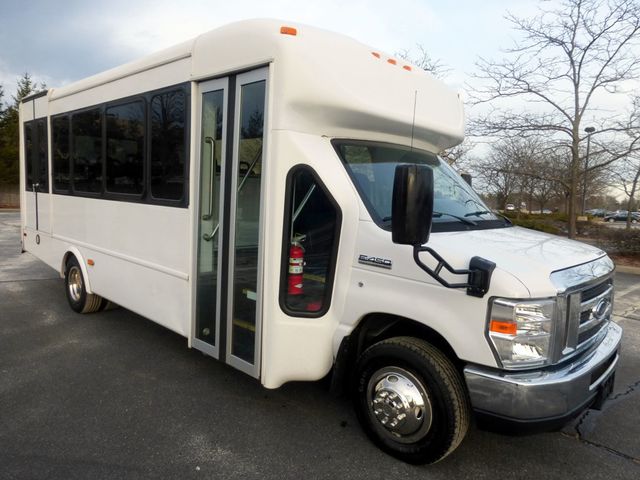
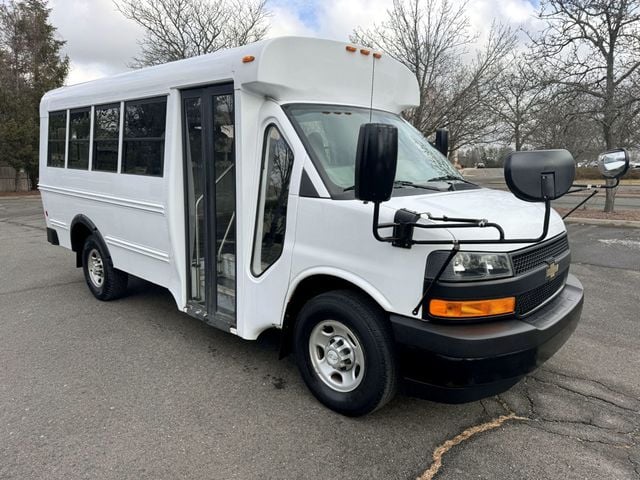
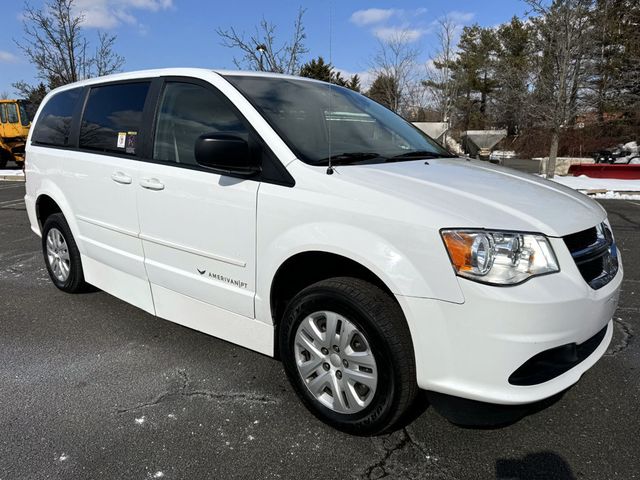
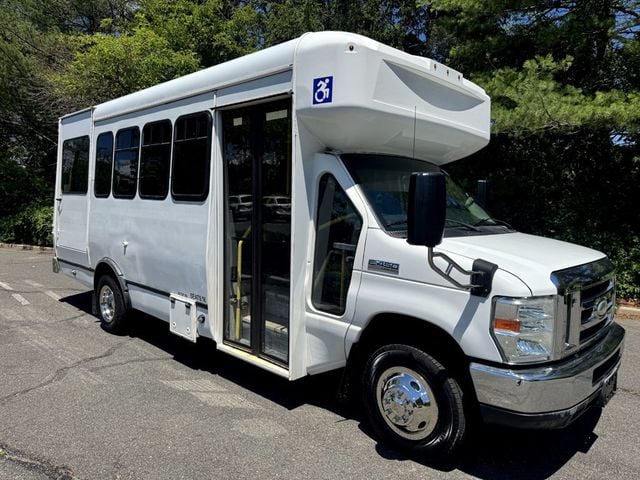
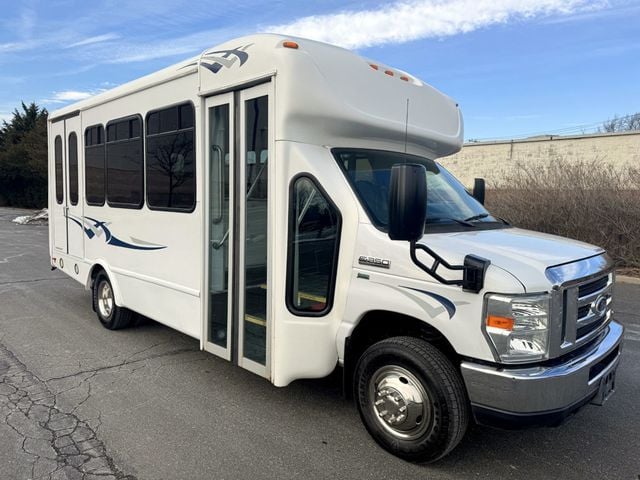
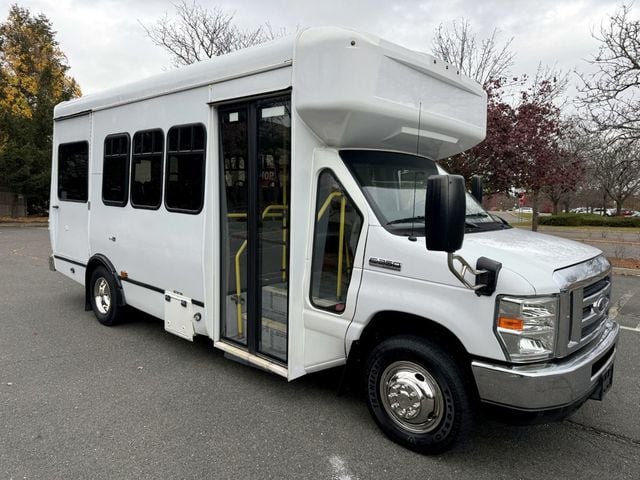
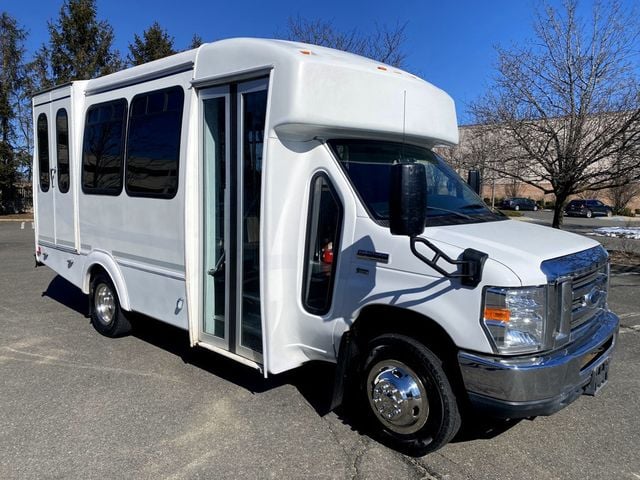
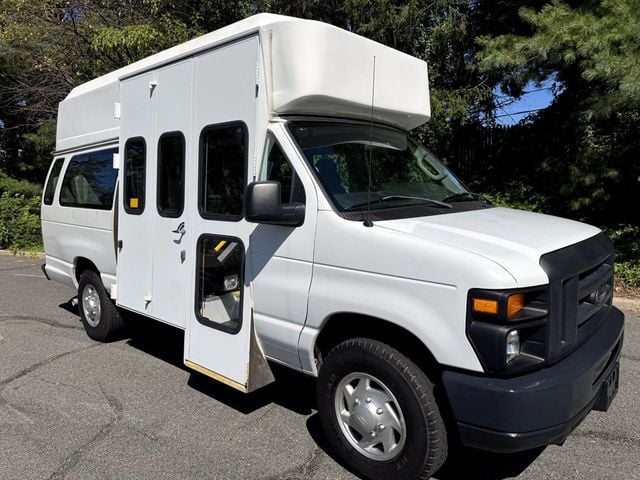

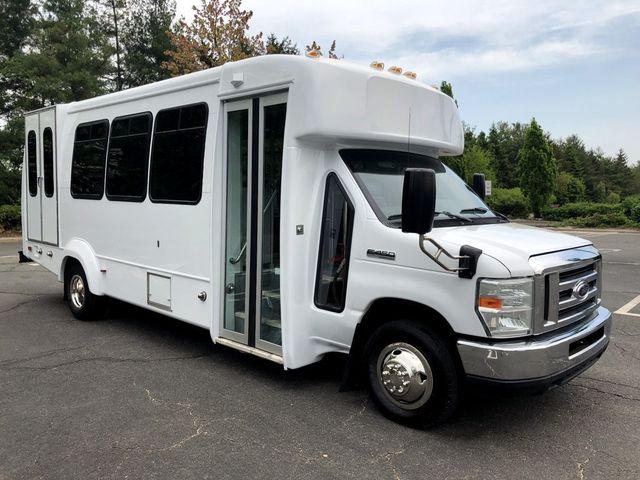
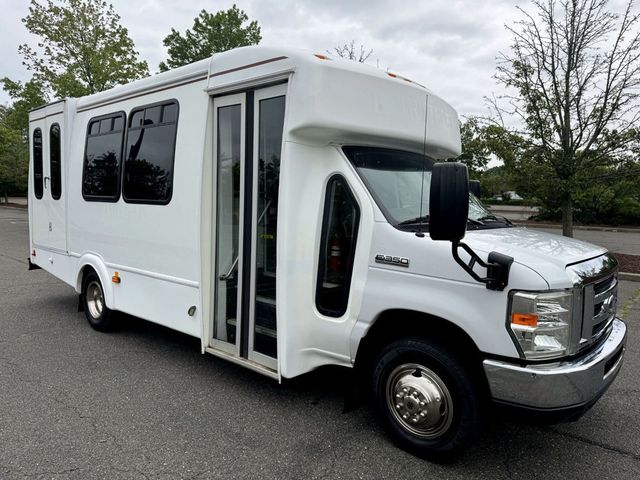
A 15 passenger used shuttle bus is a smart choice for schools, churches, and community groups that need safe and reliable transportation. A dependable bus keeps passengers comfortable, programs on time, and helps organizations save money on repairs. Not every used bus is the same, so knowing what to check helps you make a smart choice.
Reliability is more than just how a bus looks. It includes safety, past care, comfort, and how it can be used for different trips. A well-checked bus lets organizations focus on programs, not emergency repairs or breakdowns.
Reliable buses also improve your organization’s efficiency. Drivers feel confident, passengers enjoy every ride, and leaders can plan events without worrying about transportation issues. Taking the time to inspect a bus carefully ensures it supports your group for many years.
Key Signs of a Safe and Strong Bus
● Look for rust, dents, or damage in the bus frame. A strong frame keeps the bus safe.
● Test all doors and emergency exits to make sure they open and close easily.
● Check lights, indicators, and brakes to make sure they work.
● Look at seats, handrails, and floors to keep passengers safe.
● Make sure dashboard warning lights work to alert the driver.
● Checking these areas first helps make sure the bus is safe and reliable.
Safety is the foundation of any community bus. A strong frame prevents accidents caused by structural issues. Working doors, exits, and brakes ensure everyone can enter, leave, and travel without worry. Even small details like seatbelts, handrails, and floors matter. A well-maintained bus with safety features reduces the risk of accidents and costly repairs over time.
Maintenance History: How to Know It’s Reliable
● Ask for records showing regular checks, oil changes, and tire care.
● Ask whether the bus has had repeated problems or major repairs.
● Find out how the bus was used: daily school trips, community trips, or occasional events.
● Buses that are properly cared for break down less and cost less to fix.
● Good records help you know if the bus will last a long time.
● Picking a bus with proper maintenance gives peace of mind and fewer surprises.
A bus with a clear maintenance record is far more likely to provide dependable service. Knowing how the bus was used in the past helps predict its future performance. For example, a bus used daily in a school district may have higher mileage but will often have better-documented maintenance than one used occasionally. Choosing a bus with a verified service history saves money, reduces unexpected problems, and keeps your programs running smoothly.
Comfortable Seats and Easy Access
Passengers need to be comfortable. Check seat layouts so everyone has space. Wide aisles, easy doors, and handrails make getting on and off safe. Seats that move or can be removed make room for luggage, sports gear, or special activities. Clean interiors and working air systems make rides more enjoyable.
Accessibility is important. Seniors, children, and passengers with mobility challenges need easy access. Thoughtful design reduces accidents, helps passengers feel safe, and makes trips stress-free. A bus that balances safety, comfort, and flexibility keeps everyone happy and supports your organization’s daily activities.
Small touches matter too. Good lighting, clear signage, and smooth flooring can make a big difference in daily use. Passengers are more likely to feel secure and relaxed, which is important for community transport programs.
Test the Bus on the Road
● Drive the bus on a short route with stops, turns, and small hills.
●Listen for unusual engine noises or shaking.
● Check brakes, steering, and suspension for smooth control.
● Notice how gear changes, acceleration, and ride feel.
● A bus that drives well keeps passengers safe and reduces stress for the driver.
A test drive is essential to see how the bus performs in real conditions. Smooth handling, responsive brakes, and quiet operation show that the bus is in good condition. A reliable ride reduces stress for drivers, making it easier to manage daily routes or group trips. Even minor issues noticed during a test drive can prevent larger problems in the future.
Long-Term Value and Flexibility
A good 15-passenger bus should be useful for many trips. It should handle daily transport and occasional group events. Flexible seating, storage, and strong parts make the bus more valuable over time. A bus that can do different jobs saves money, reduces stress, and works well for your organization.
Durable construction and adaptable layouts allow the bus to meet changing needs. Whether transporting students, church members, or community groups, an easy-to-adjust seating bus ensures maximum usability. Choosing a bus that lasts longer, handles different situations, and provides comfort and safety is a smart investment for any organization.
Ending Note:
At Major Vehicle Exchange, led by Charlie, we help organizations find the right used shuttle bus for sale. Every bus is carefully inspected, serviced, and upgraded to meet safety, comfort, and reliability standards. We work closely with clients to ensure their bus is ready for immediate use and provides dependable service for all trip types.
If your group needs a safe, dependable, and comfortable shuttle bus, contact Major Vehicle Exchange today. We will help you choose a vehicle that keeps your passengers secure and your programs running smoothly.
FAQs:
Q1: How can I tell if a used shuttle bus is safe?
Check the tires, brakes, lights, doors, seat belts, and emergency exits to ensure they function properly.
Q2: Why is maintenance history important when buying a used bus?
Records show past repairs and care, helping predict reliability and reduce unexpected costs.
Q3: What should I look for during a test drive?
Check steering, brakes, suspension, acceleration, and overall ride comfort for smooth performance.
Q4: How do I make sure passengers are comfortable?
Look for spacious seating, clean interiors, easy access, and adjustable or removable seats.
Q5: How can I judge the long-term value of a shuttle bus?
Consider durability, adaptability, maintenance needs, flexibility for trips, and potential resale value.
Comments are closed.