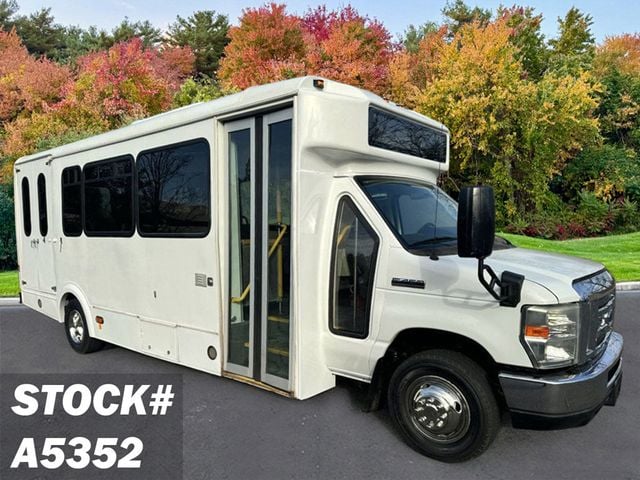
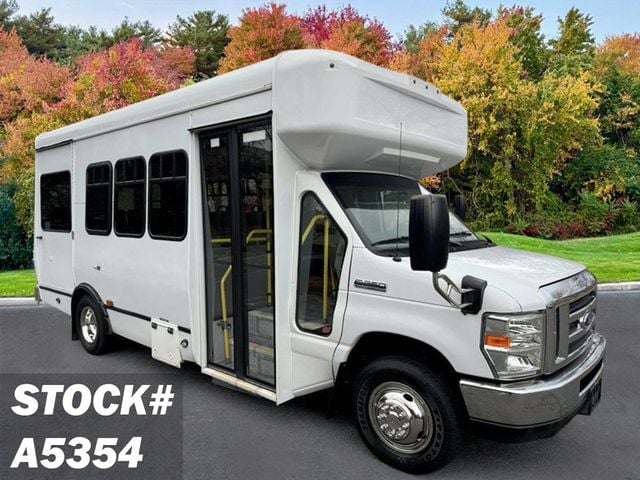
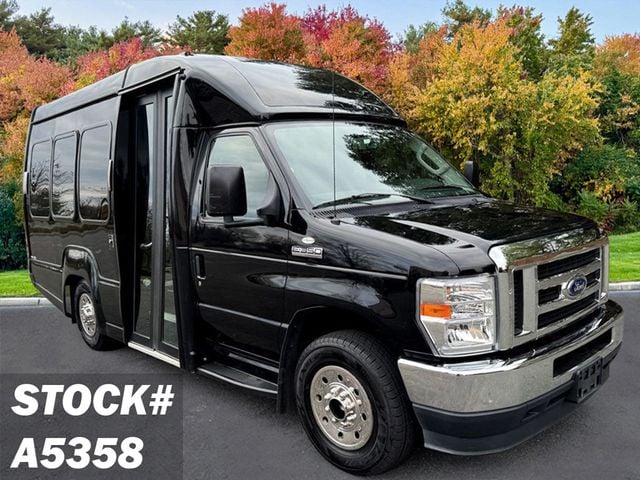
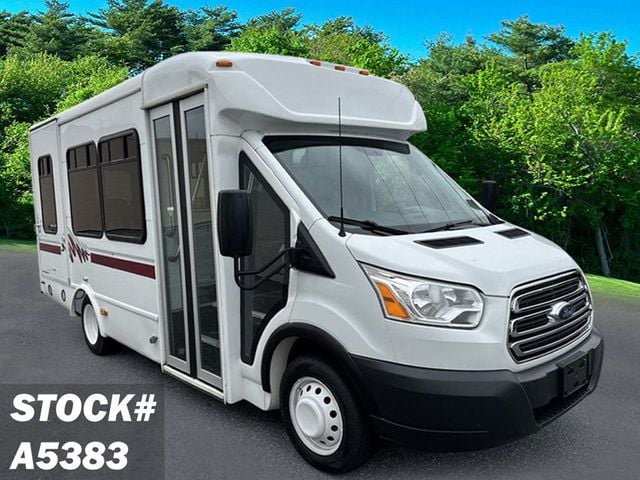
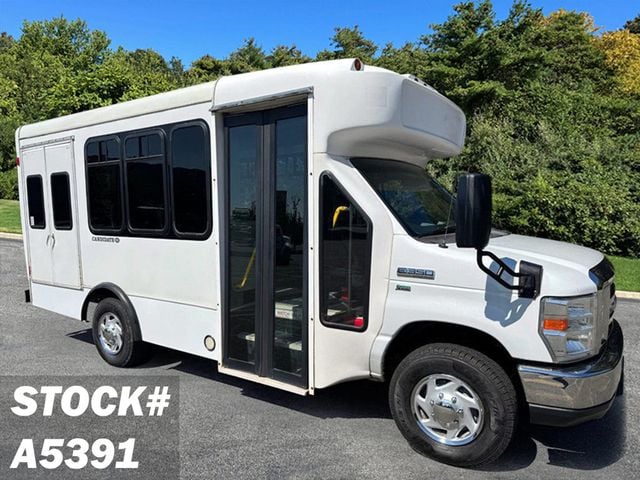
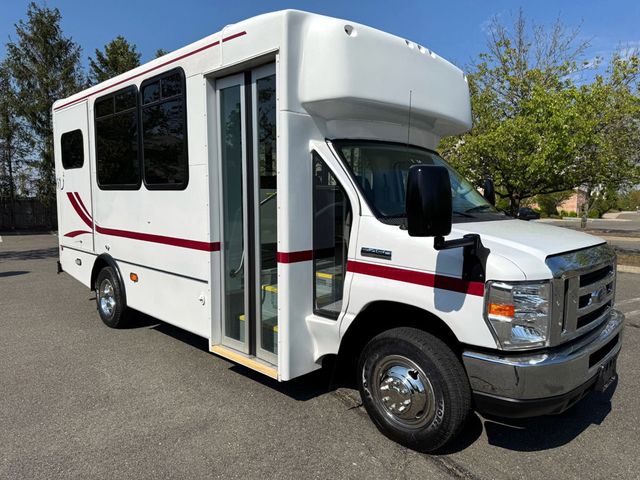
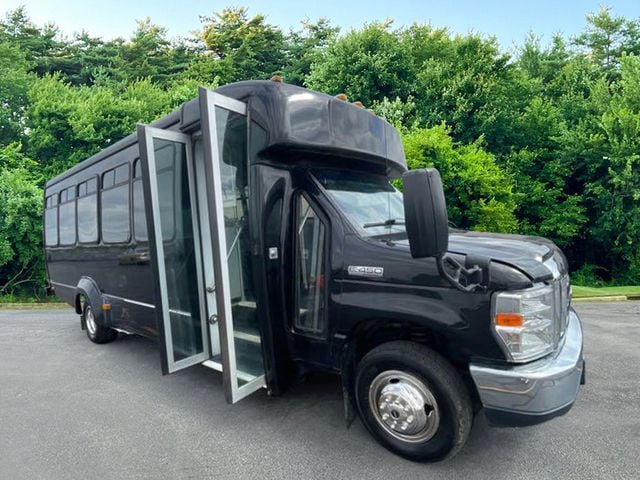
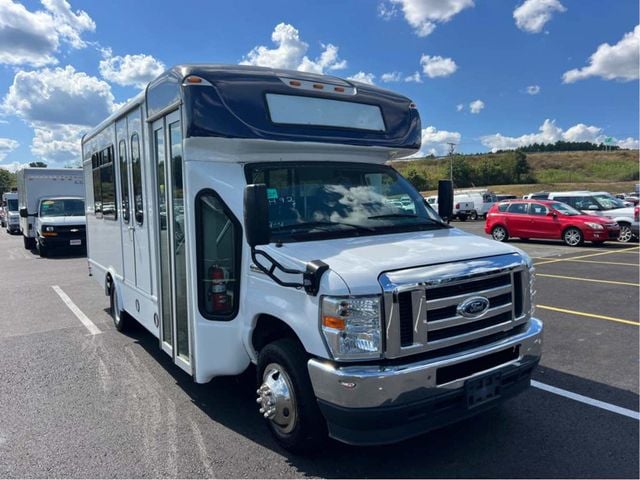
The transportation industry is currently navigating an incredibly demanding economic landscape. Between surging fuel prices, skyrocketing insurance premiums, inflated repair expenses, and the staggering initial cost of new vehicles, fleet operators are feeling the financial squeeze from every direction. Whether you manage a massive commercial fleet or oversee transportation for a local community organization, optimizing your daily operations and procurement strategies is no longer optional—it is essential for survival.
Welcome to the getanybus.com blog. Today, we are breaking down actionable fleet management strategies to help you control costs, maintain strict safety standards, and make smarter purchasing decisions in a high-cost environment.
1. Cost-Effective, Periodic Maintenance is Essential
When operating budgets tighten, the temptation to defer maintenance can be strong. However, periodic maintenance is the backbone of fleet management and is absolutely essential to avoiding catastrophic, big-ticket repairs down the road.
One highly effective strategy to reduce your maintenance overhead is to rethink where your routine services are performed. While highly specialized engine or electrical diagnostics might require a dealership, many routine, high-frequency services can be performed by independent, non-DOT shops at significantly lower labor rates.
Preventative maintenance tasks, such as brake service, tire rotation and installation, battery replacement, oil changes, and transmission fluid changes, can be reliably handled by local
independent mechanics. Building a relationship with a trusted local shop keeps your vehicles running smoothly while protecting your bottom line from inflated dealership service fees.
2. Enforce Driver Accountability and Pre-Ride Inspections
In keeping with best-in-class fleet management practices, vehicle care cannot rest solely on your mechanics. It must be a shared operational responsibility.
Make it the driver’s explicit duty to pre-inspect the bus thoroughly before each use. On both a per-ride and periodic basis, drivers must report any and all defects they find to their supervisors in writing. This proactive communication chain ensures that minor issues—such as worn tire tread, a malfunctioning wheelchair lift, a flickering indicator light, or a soft brake pedal—are identified immediately. Catching these issues early prevents them from becoming expensive breakdowns, dangerous liabilities, or accidents that could significantly increase your insurance rates.
3. Sector-Specific Strategies: Tailoring Operations to Your Mission
Different organizations face unique transportation challenges. Applying these cost-saving measures requires understanding your specific operational tempo:
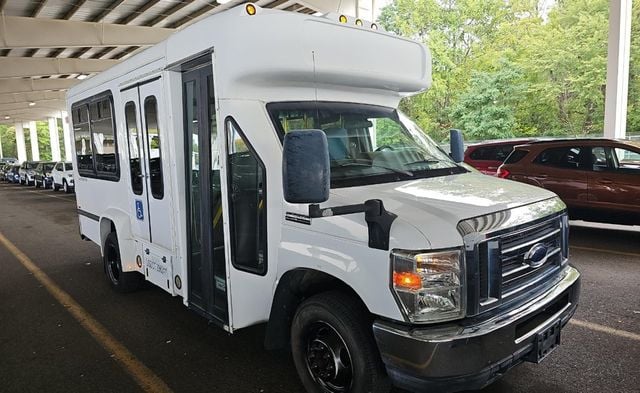
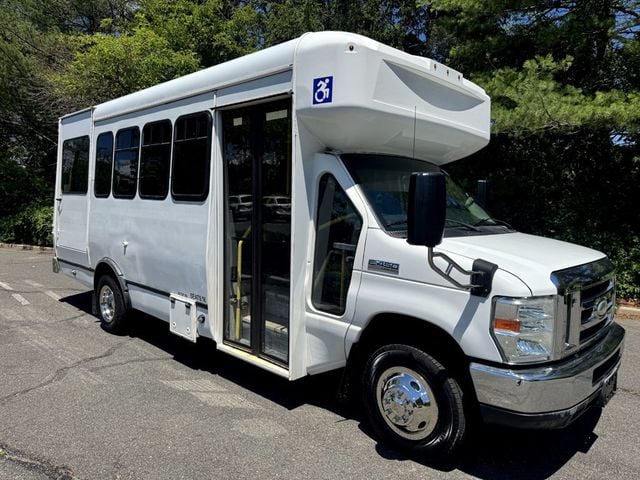
• NEMT (Non-Emergency Medical Transportation) & Para-Transport Operators: For NEMT providers, margins are tight, and vehicle reliability is literally a matter of health and safety. You require high-quality wheelchair-accessible shuttle buses capable of handling rigorous daily schedules. By utilizing local non-DOT shops for your frequent tire and brake changes, and strictly enforcing daily driver logs, you can maintain the high uptime required for your medical contracts without bleeding capital.
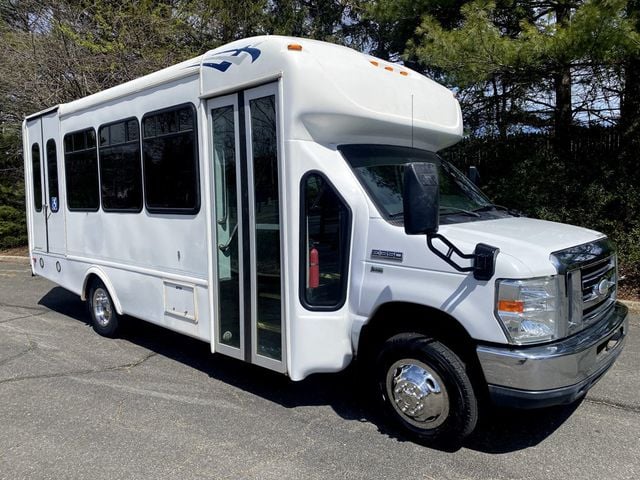
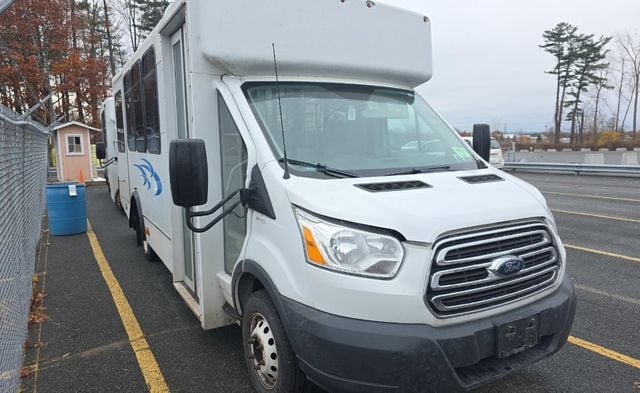
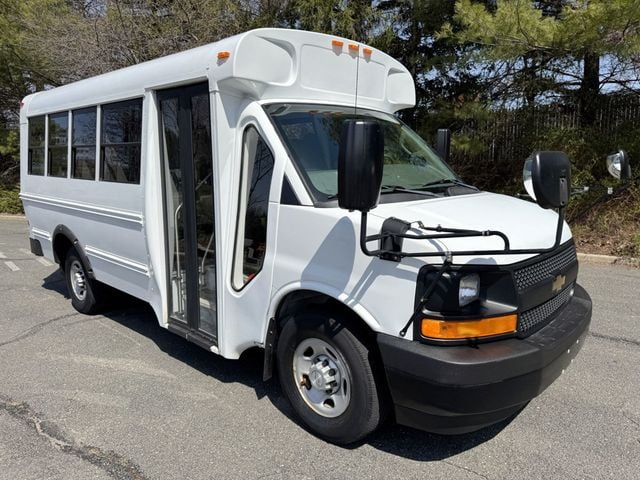
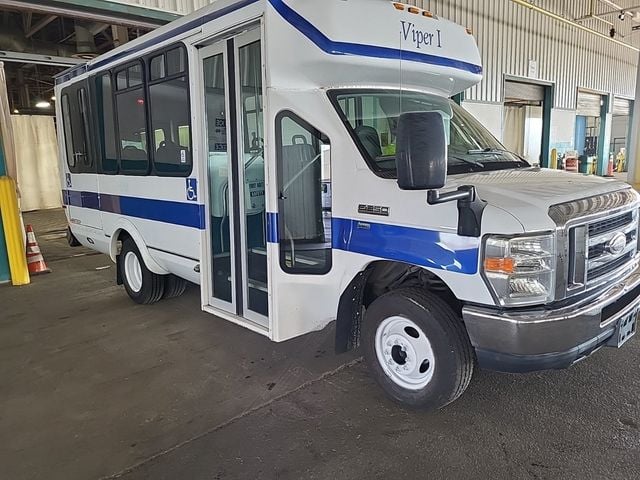
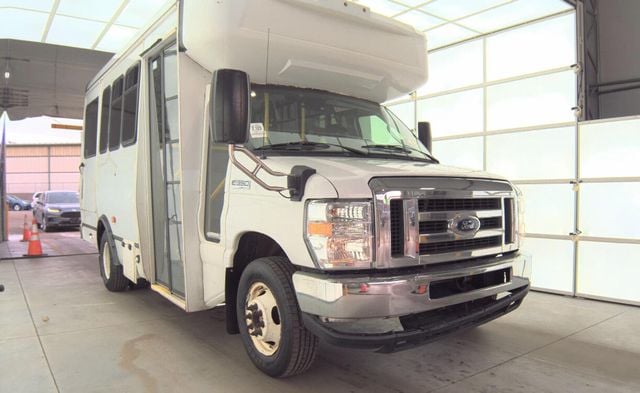
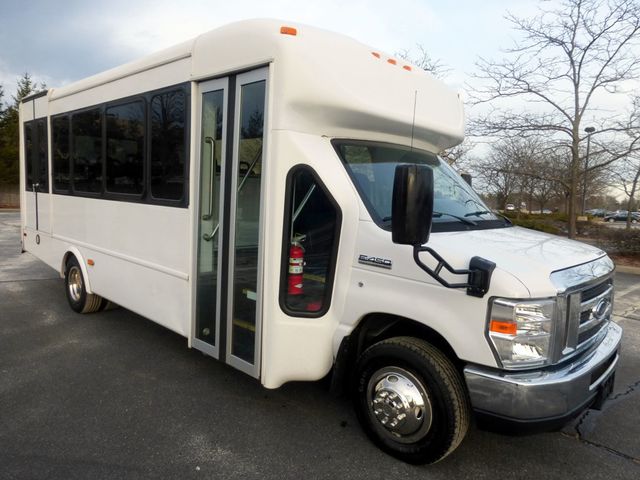
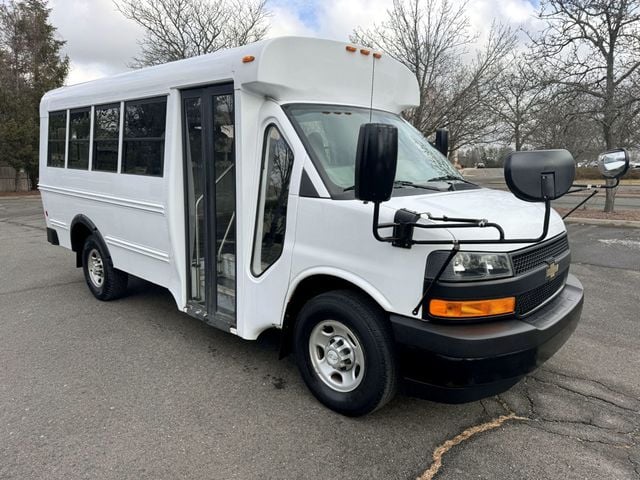
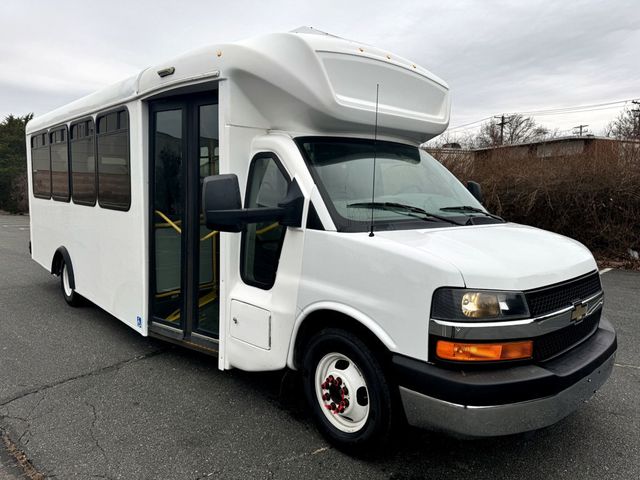
• Assisted Living Facilities: Resident comfort and ADA compliance are your top priorities. Transportation is an amenity, not your primary business, which means it shouldn’t consume your healthcare budget. Sourcing a reliable used shuttle bus lets you safely transport seniors to appointments and outings without the financial strain of leasing a new vehicle, freeing up funds for direct resident care.
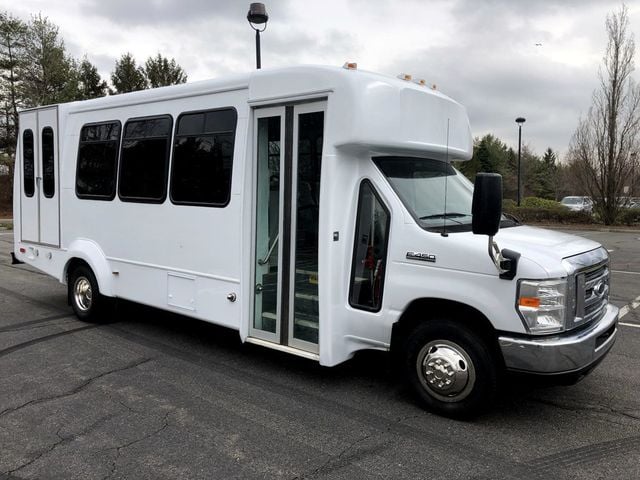
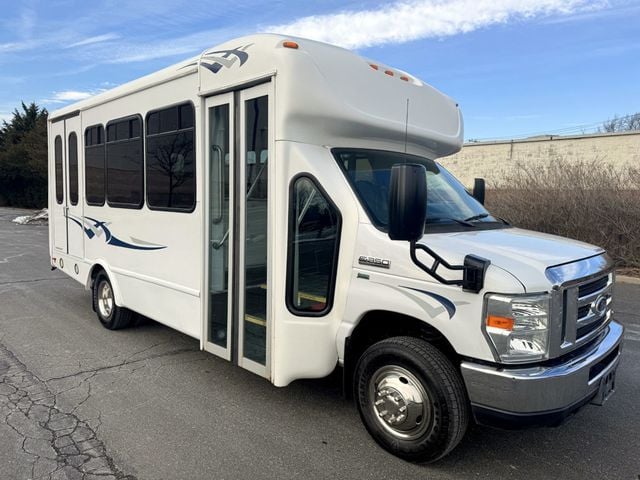
• Churches and Religious Organizations: Financial stewardship is critical for religious institutions. Whether transporting a youth group to a retreat or offering Sunday service shuttles for elderly members, a shuttle bus for sale needs to be safe, reliable, and highly cost-effective. Since church buses often sit idle during the week, absorbing the massive depreciation of a brand-new bus is a poor use of congregation funds. A well-maintained, pre-owned vehicle provides the exact same utility at a fraction of the cost.
4. The MVE Advantage: Beat High Early-Year Depreciation
With sticker prices for brand-new vehicles at historic highs, savvy fleet managers and individual buyers are rethinking their acquisition strategies. A brand-new bus loses a massive percentage of its value the second it is driven off the lot. Why absorb that crippling first-year depreciation when you can get a fully reconditioned, road-ready replacement for significantly less?
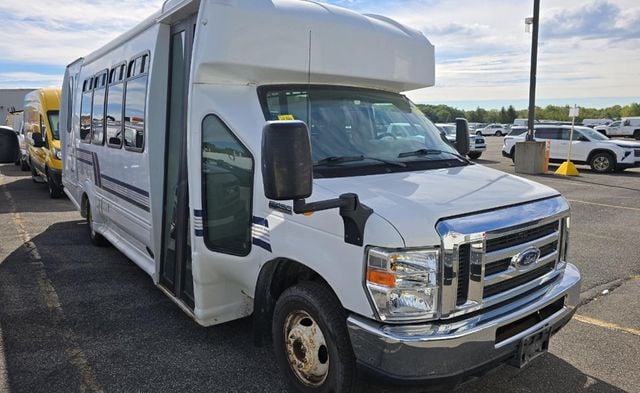
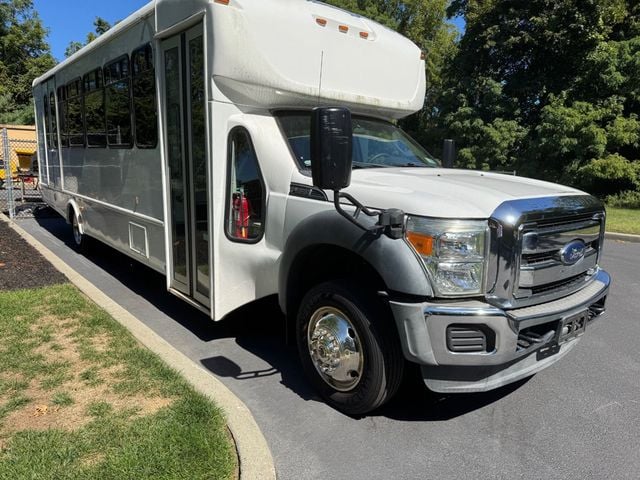
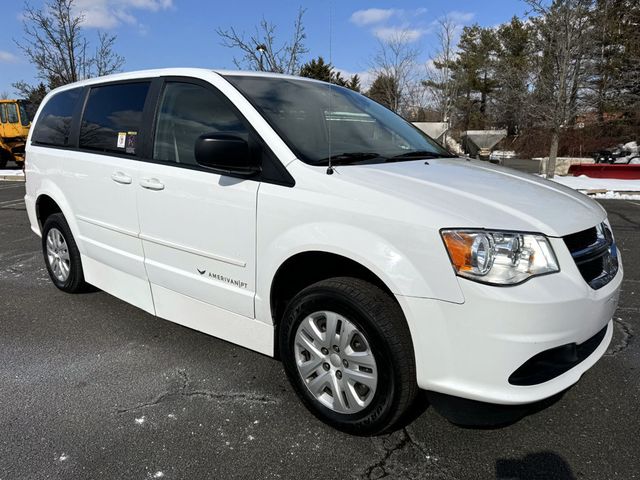
This is where sourcing your vehicles through Major Vehicle Exchange (MVE) completely changes the financial equation. Please note that all of our buses and wheelchair-accessible vehicles for sale are used. However, “used” at MVE means something entirely different than buying off the open market.
MVE spares you the cost of high early-year depreciation by delivering 100% operational vehicles ready for immediate fleet integration. They specialize in meticulously pre-inspected used shuttle buses. Before any vehicle is offered for sale, MVE performs all rigorous preventive maintenance, DOT-level inspections, and road tests mentioned above. Checking brakes, replacing fluids, testing batteries, and servicing wheelchair lifts are integral to their operational skills and routines.
When you buy from MVE, you aren’t inheriting someone else’s deferred maintenance; you are receiving a turnkey replacement vehicle that saves you big dollars right out of the gate.
The Bottom Line
Operating a successful and safe transportation service in today’s economy requires a multifaceted approach: lowering routine labor costs through strategic local shop partnerships, enforcing rigorous written driver inspections, and keeping initial vehicle costs low by investing in premium used inventory.
Don’t let depreciation and high initial costs stall your operations. Browse our extensive inventory of expertly reconditioned, 100% operational vehicles today at getanybus.com and discover how Major Vehicle Exchange can keep your organization moving forward securely and affordably.
Comments are closed.