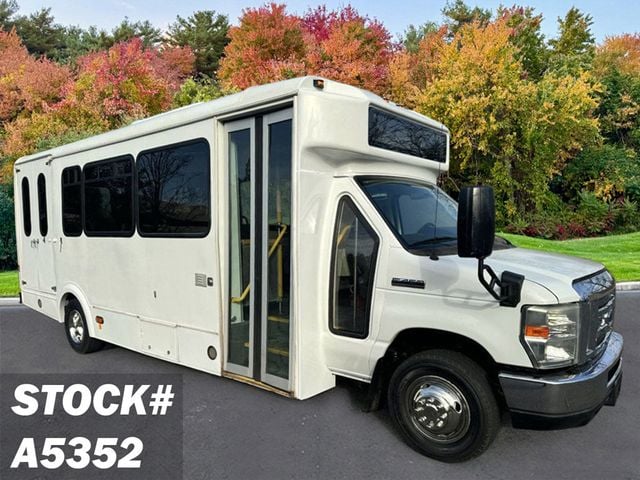
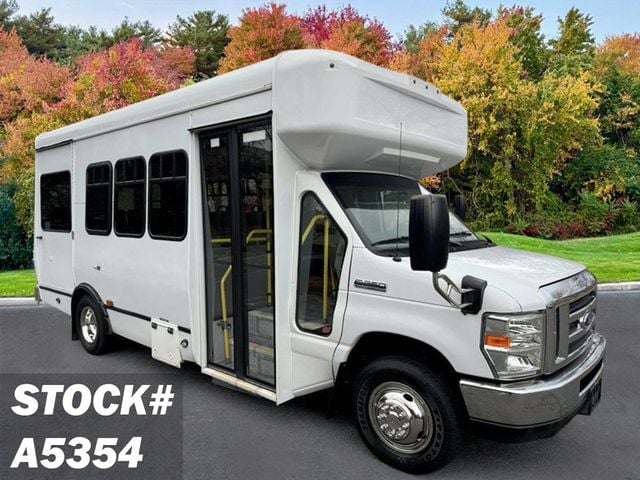
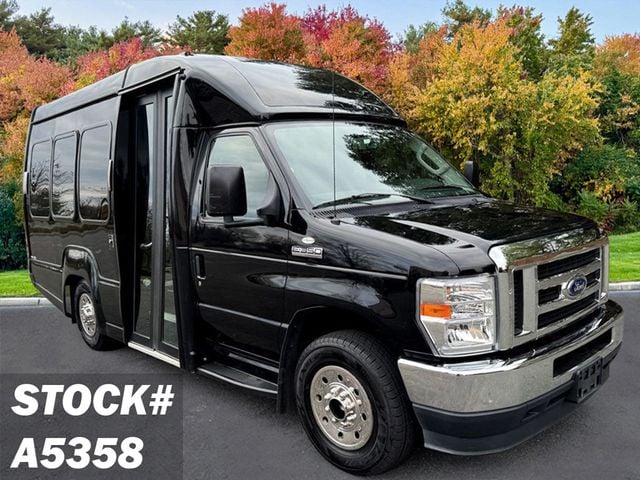
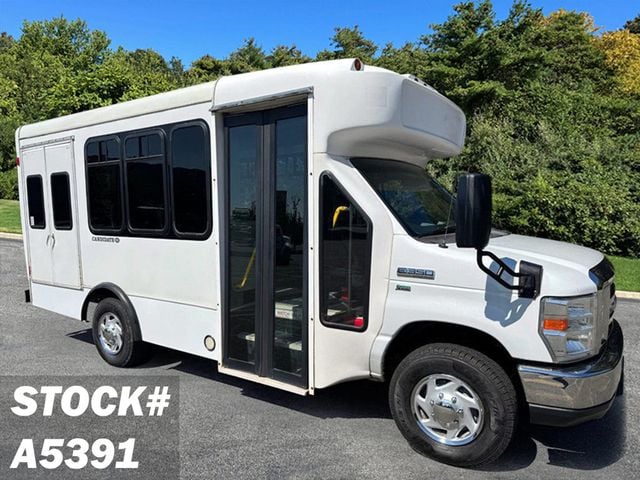
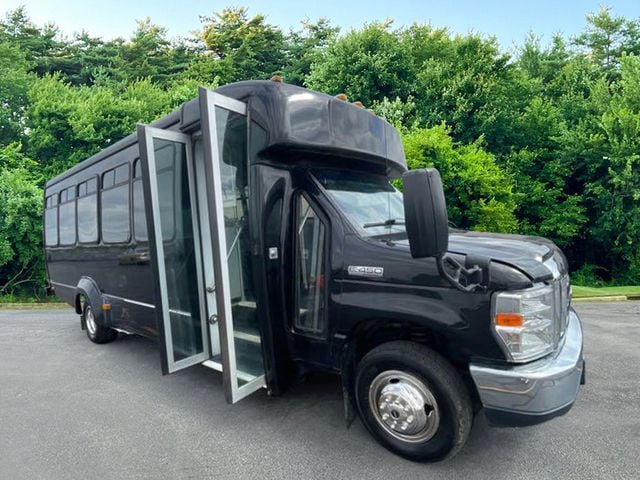
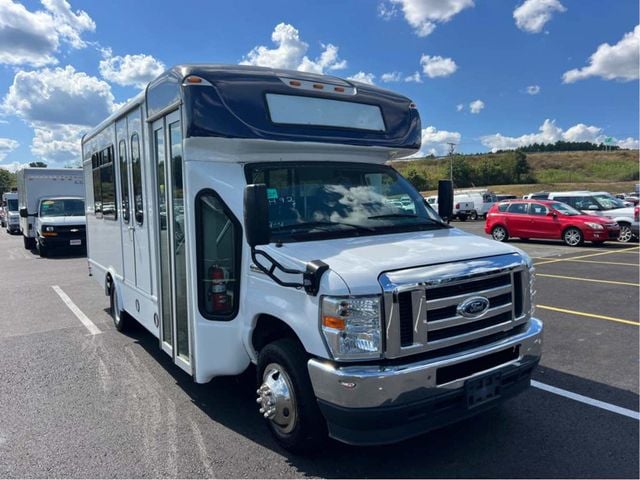
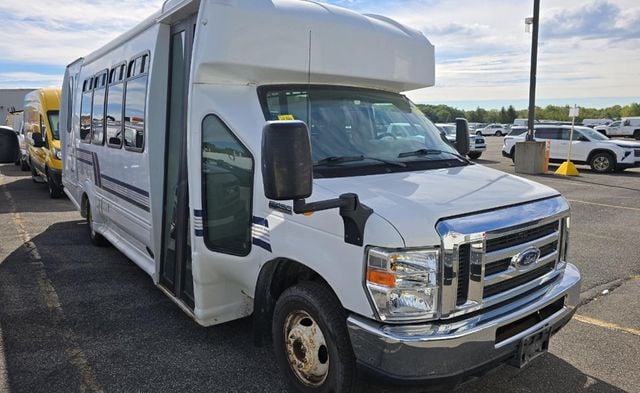
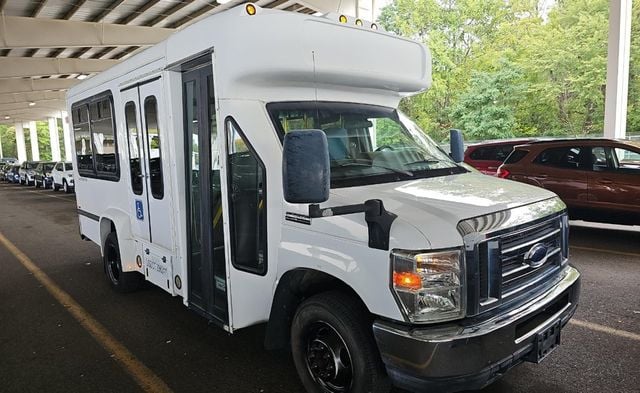
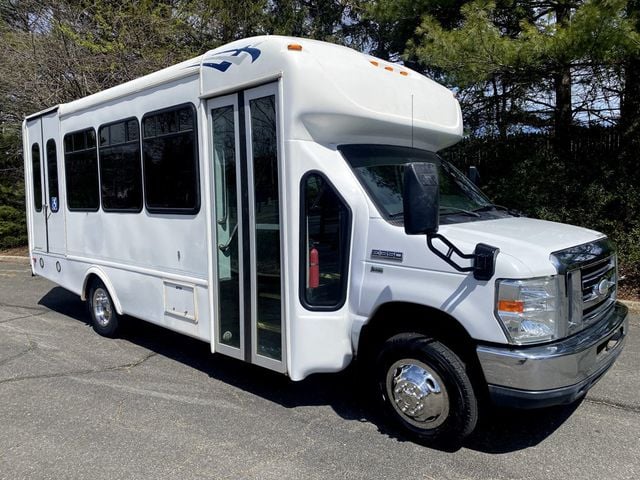
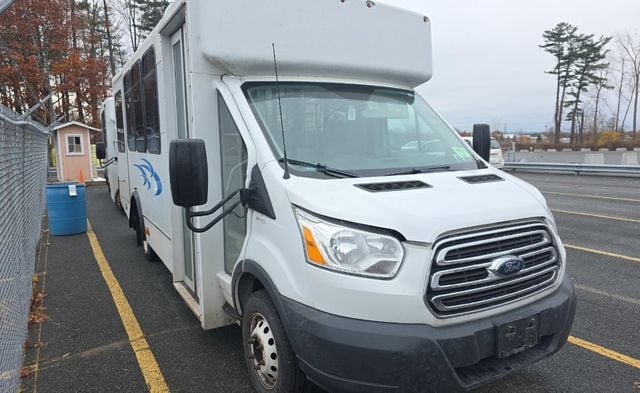
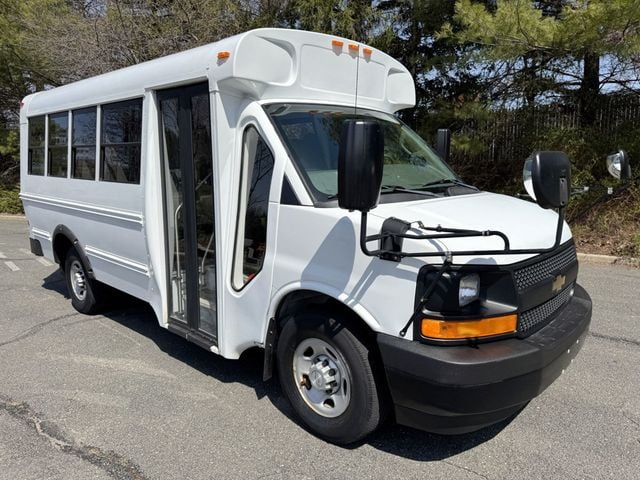
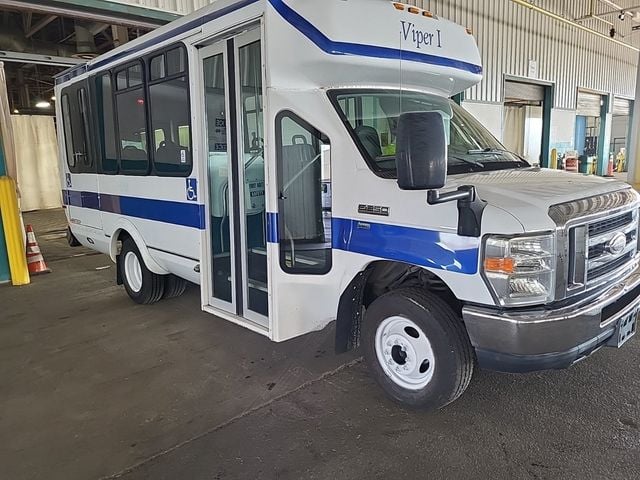
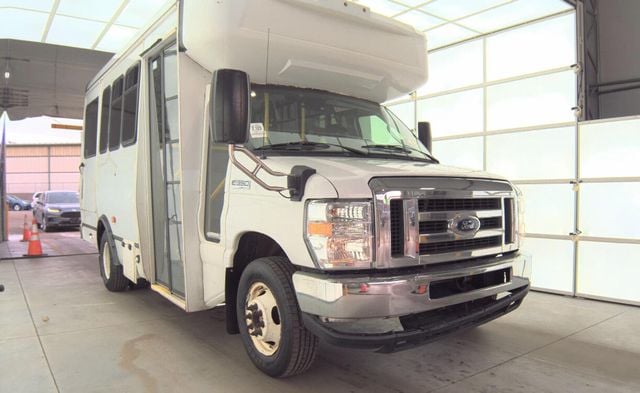
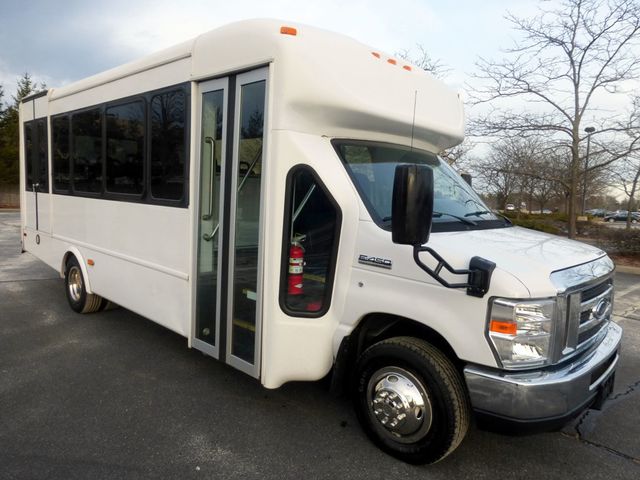
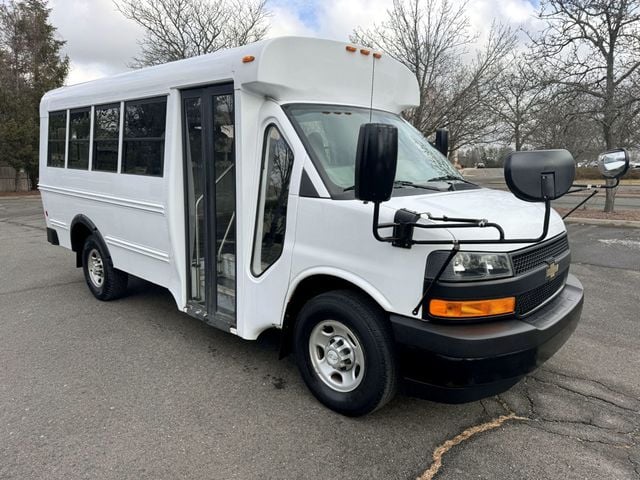
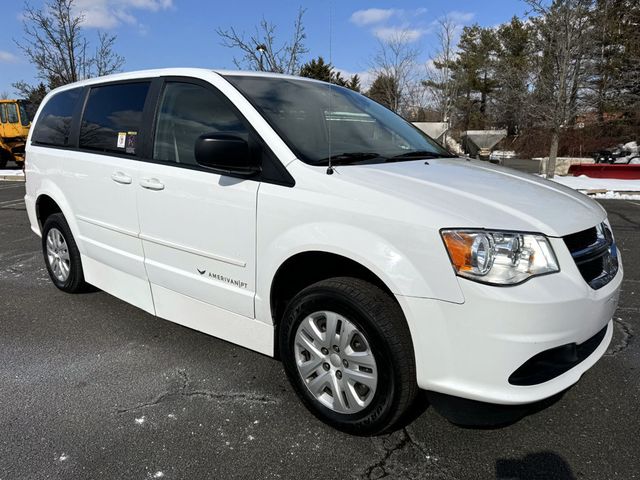
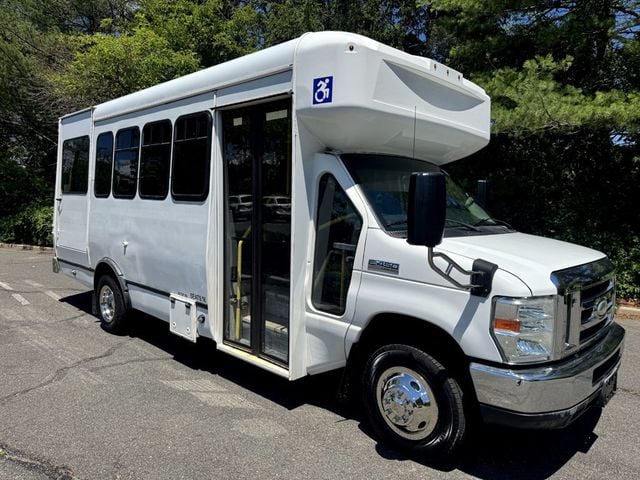
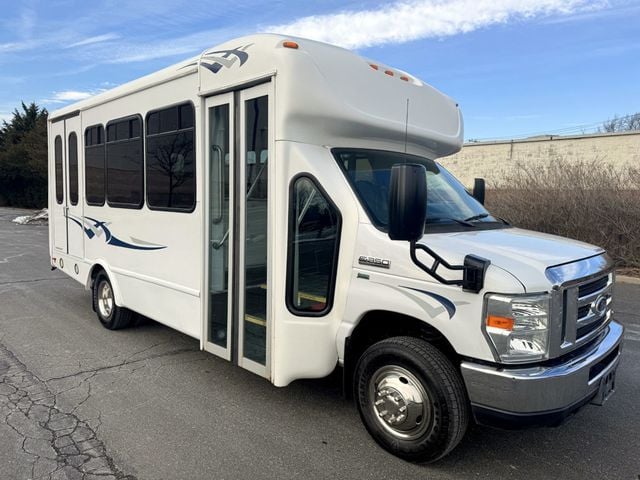
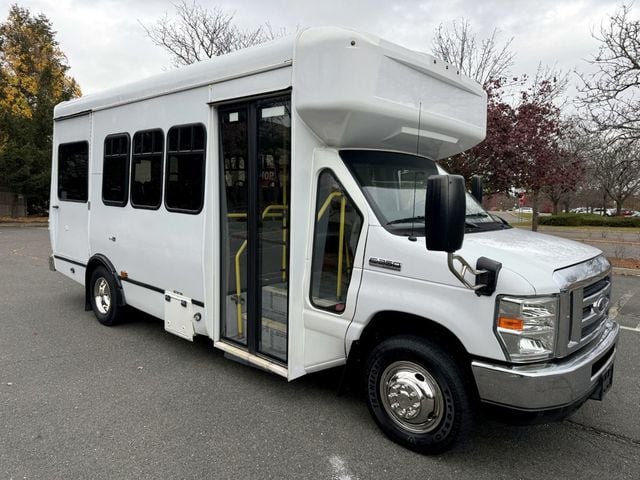
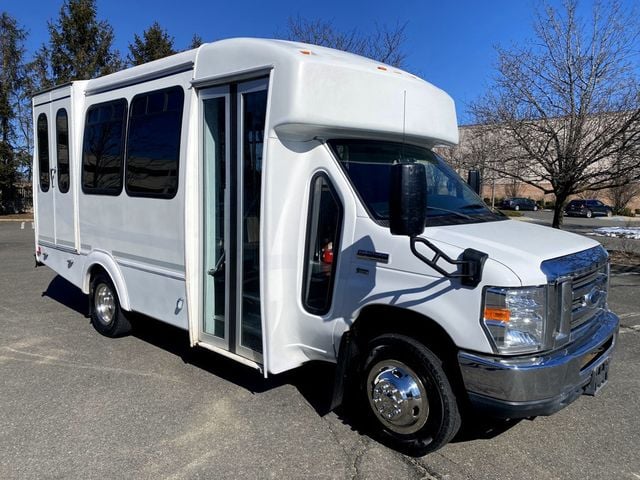
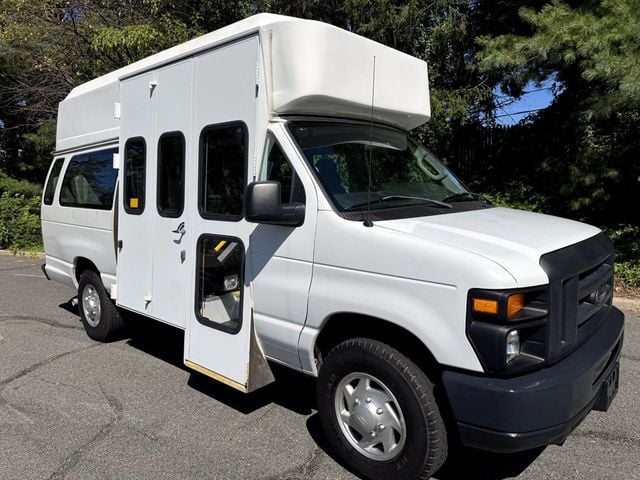

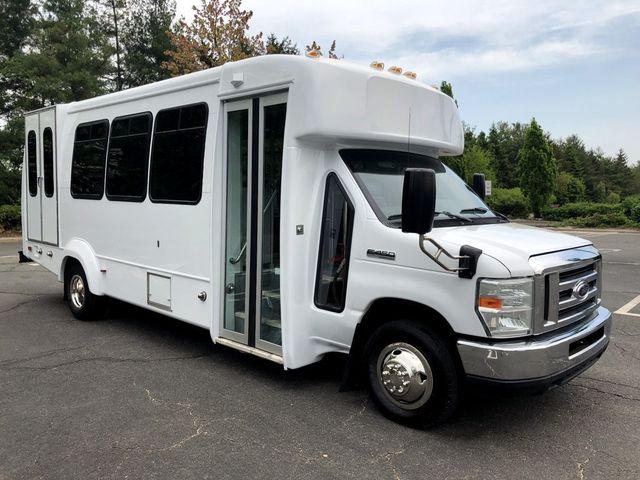
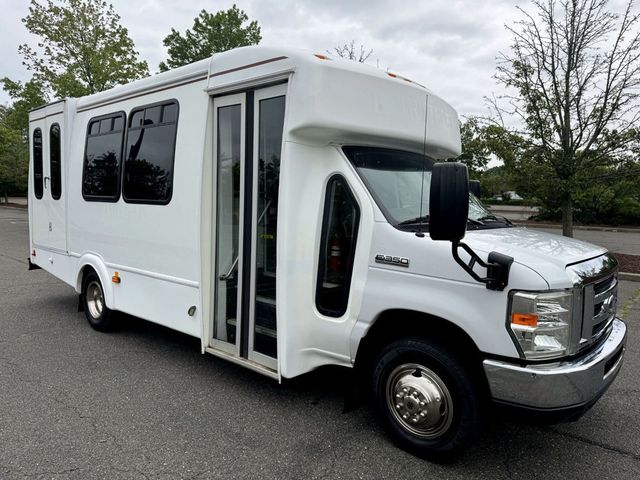
Whether you are a church group, a retirement community, or a tour operator, buying a used shuttle bus is a significant investment. At Major Vehicle Exchange (getanybus.com), we believe the difference between a “bargain” and a “burden” lies in the inspection process.
While we specialize in reconditioned, serviced, and road-tested used shuttle buses for sale, we want you to feel confident when evaluating any vehicle. Here are the five critical areas you must inspect to ensure your next commercial bus is safe, reliable, and ready for the road.
1. Engine & Drivetrain
The heart of your shuttle bus determines its longevity. Whether you’re looking at a Ford E-series, Ford Transit, or a Chevrolet Express chassis, the engine should sound smooth and be free of visible leaks.
• What to look for: Check the transmission fluid (it should be translucent and light colored, not burnt-smelling or dark). Listen for “knocks” during a cold start and ensure the transmission shifts smoothly through all gears during a road test.
• Pro Tip: At getanybus.com, our certified technicians perform a deep mechanical audit on every engine to ensure it meets our reconditioning standards.
2. Brakes, Tires & Steering
Safety is non-negotiable for passenger transportation.
• Brakes: Ensure there is no “pulsing” or pulling to one side when braking.
• Tires: Check for uneven wear, which could indicate alignment or steering linkage issues. Look for “dry rot” cracks in the sidewalls, especially on buses that have sat idle.
• Steering: There should be no excessive “play” in the wheel or whining from the power steering pump during tight turns.
3. Body Condition & Structural Integrity
Cosmetics matter, but floor integrity and leak prevention are vital for the vehicle’s lifespan.
• Floor Integrity: Walk the entire length of the cabin. Soft spots—especially near the entrance door or wheelchair lift—usually indicate a rotted plywood subfloor caused by long-term leaks.
• Leak Evidence: Inspect the ceiling, windows, and doors for water stains. A leaking roof or poorly sealed windows can lead to mold and expensive structural repairs.
• Corrosion and Water Damage: Check the frame and wheel wells for excessive rust, particularly if the bus has operated in wet or northern states.
4. Wheelchair Lift Operation
If you are purchasing an ADA-compliant bus or mobility bus, the lift is a high-ticket item that must function perfectly.
• Testing: Deploy the lift (e.g., BraunAbility or Ricon) multiple times. It should operate smoothly without jerky movements or strange hydraulic noises.
• Safety Features: Ensure the interlock system is working (the bus shouldn’t move while the lift is deployed) and that the manual backup pump is functional.
5. Air Conditioning & Heat (Front and Rear)
On shuttle buses, the driver’s AC rarely covers the whole cabin. Also, test the auxiliary heating and rear AC system independently.
• The Test: Blast the AC on a warm day and the heat on a cold one. It can take 10–15 minutes for a large cabin to reach the target temperature. Don’t settle for “it feels like it’s getting cold.” Please confirm that the rear climate-control blowers are pushing air through all vents.
The GetAnyBus Inspection Checklist
Use this checklist during your next viewing. Keywords highlighted are essential to the Major Vehicle Exchange quality standard.
Inspection Area Critical Checkpoints
Note: Why take the risk on an “as-is” private sale? Every vehicle at Major Vehicle Exchange is a reconditioned used shuttle bus or Wheelchair Van that has already passed these tests. We take the guesswork out of the process so you can focus on your passengers.
Are you looking for a specific seating capacity, such as a 14-passenger non-CDL bus or a larger 25-passenger shuttle?
Comments are closed.