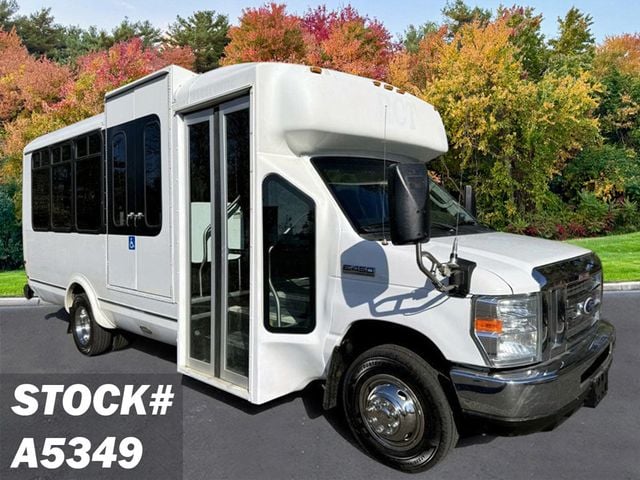
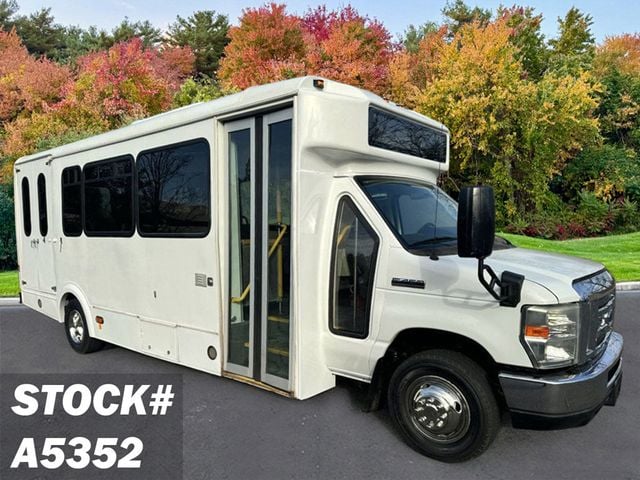
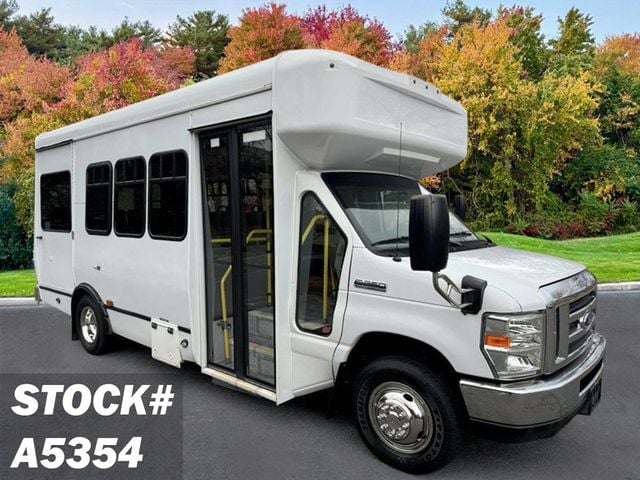
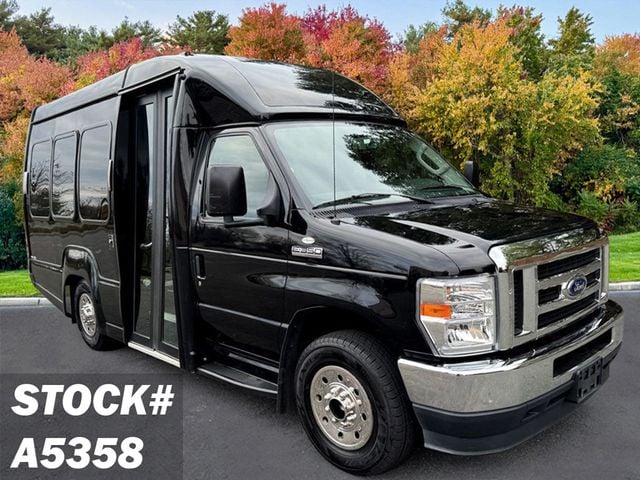
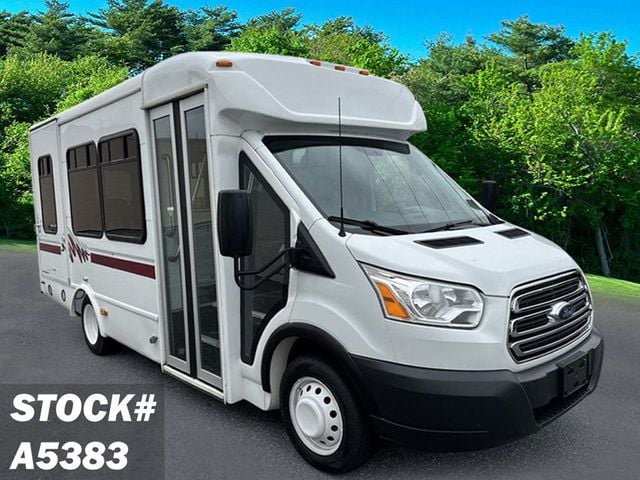
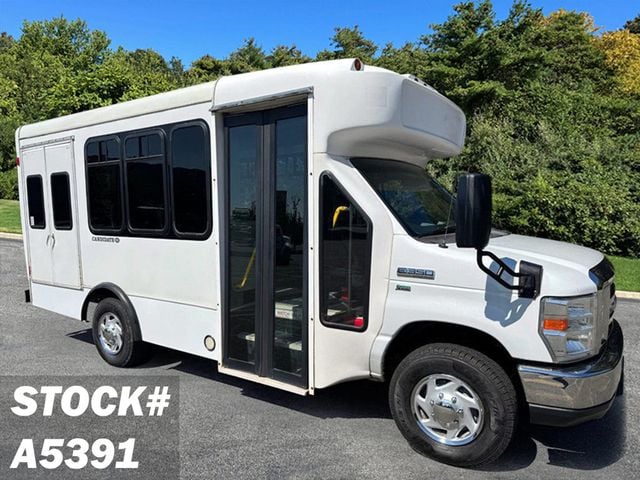
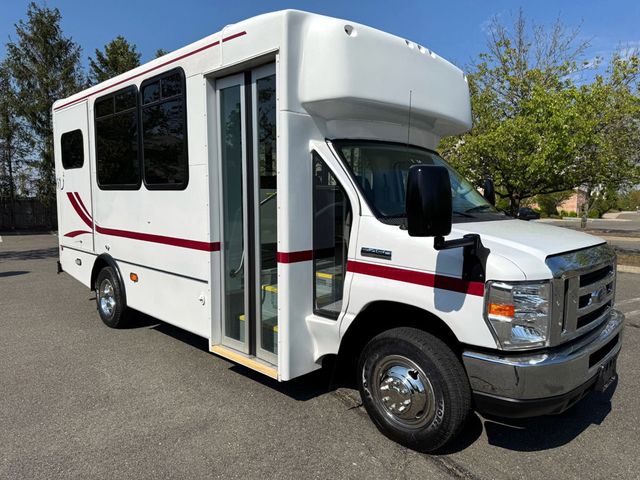
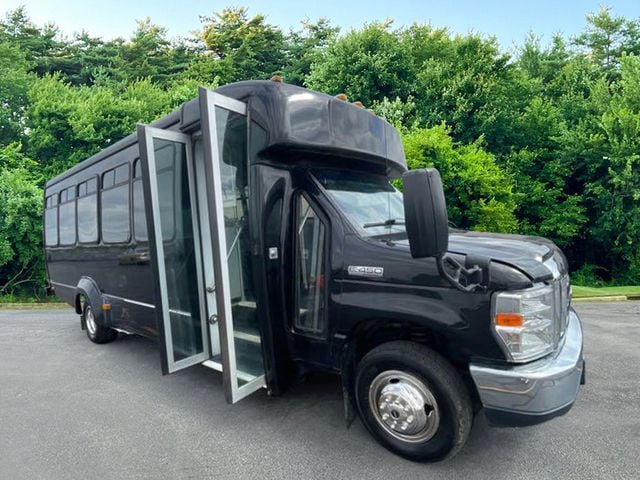
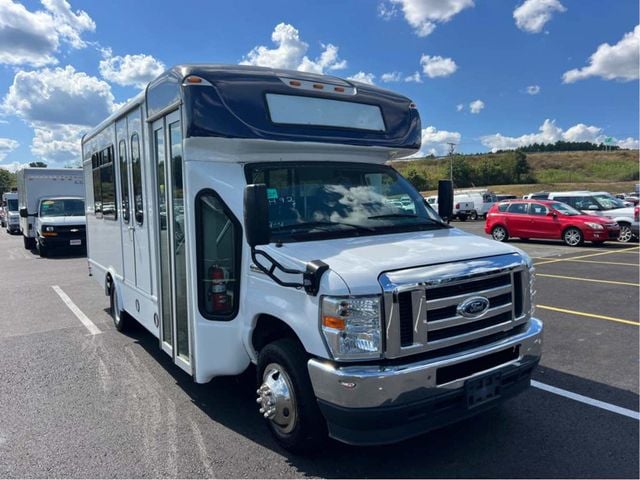
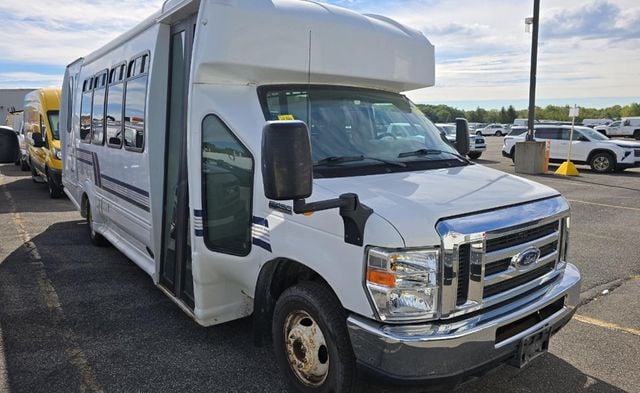
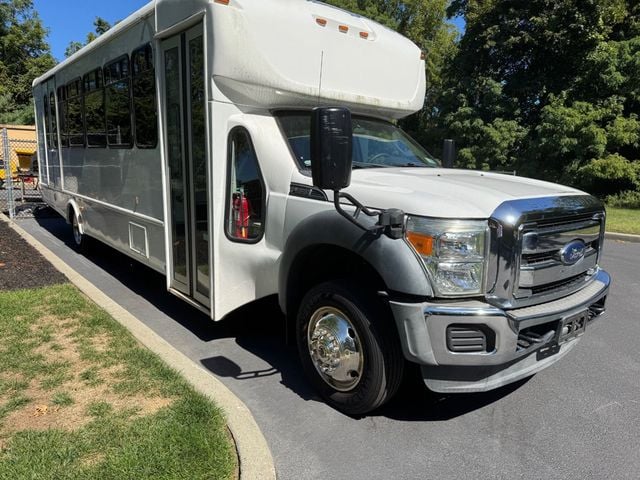
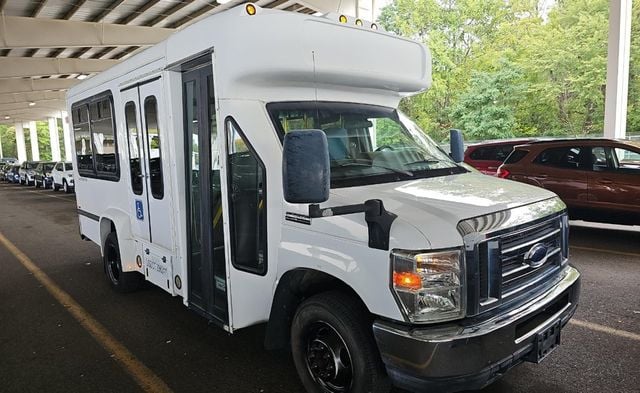
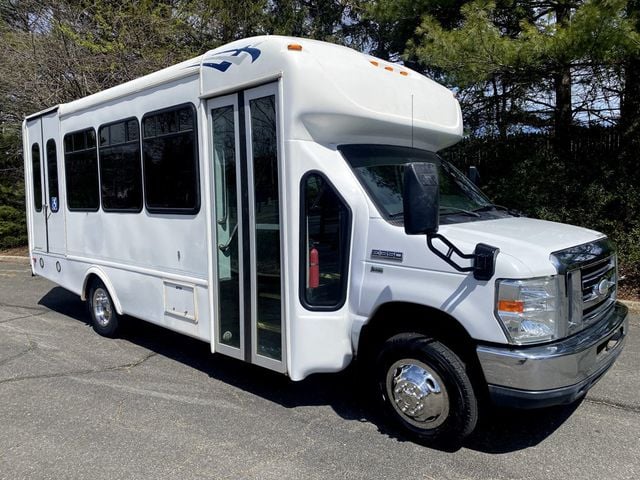
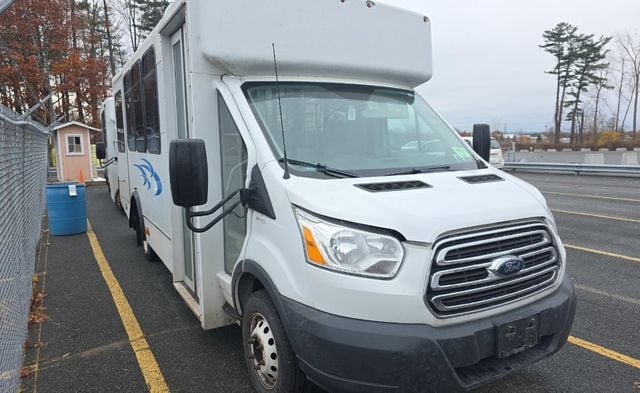
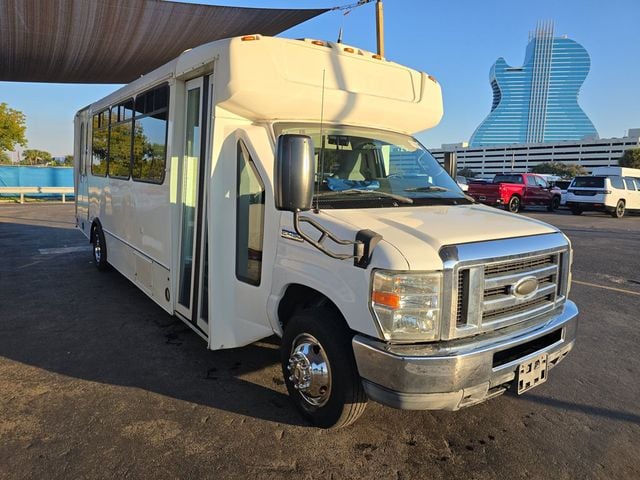
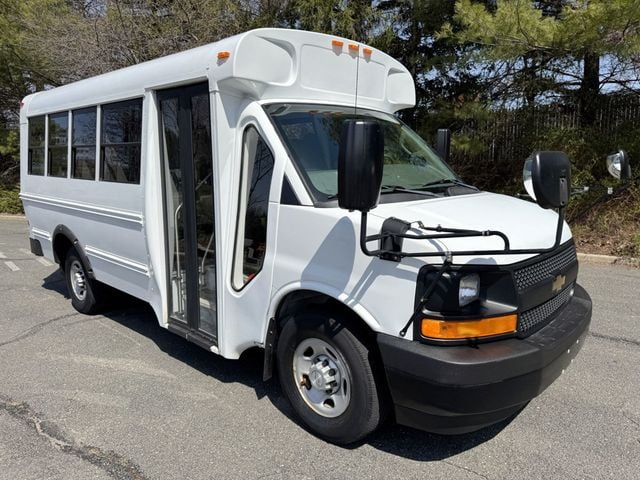
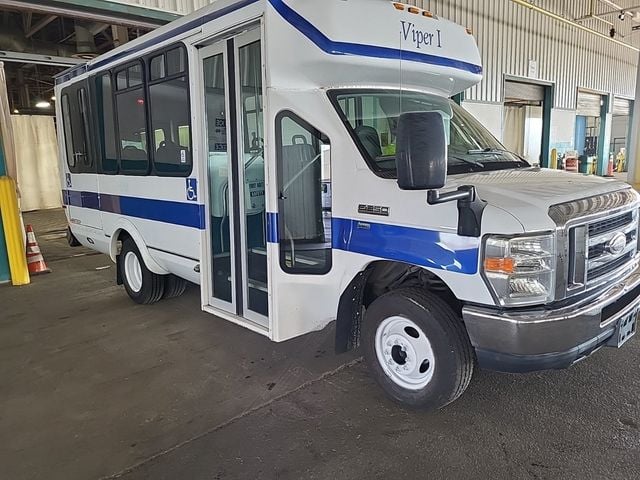
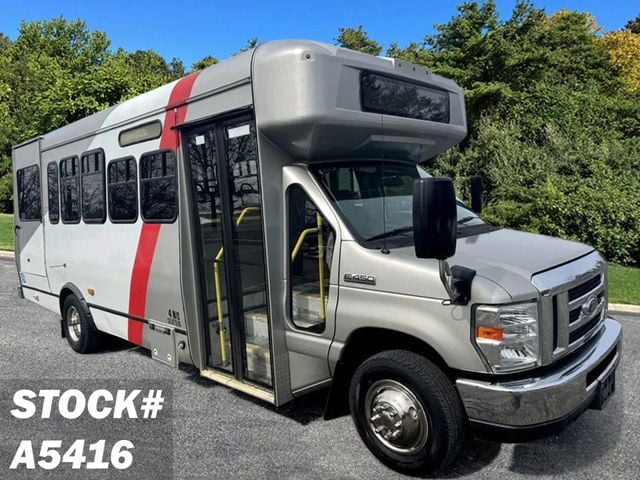
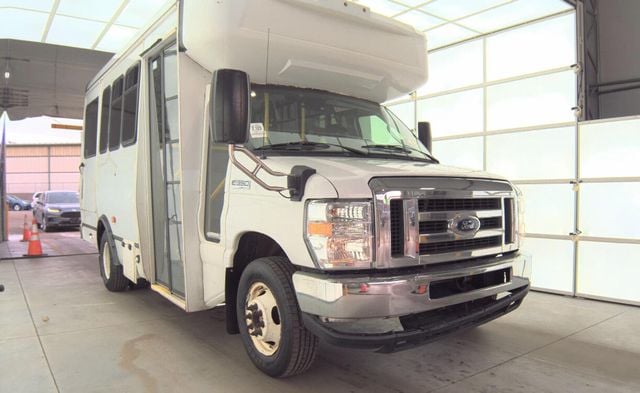
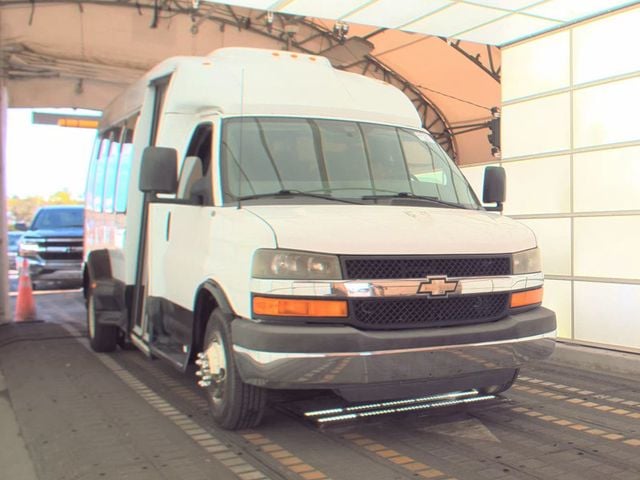
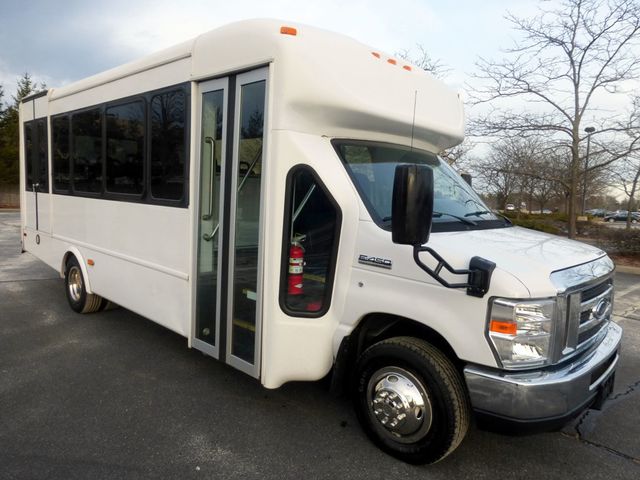
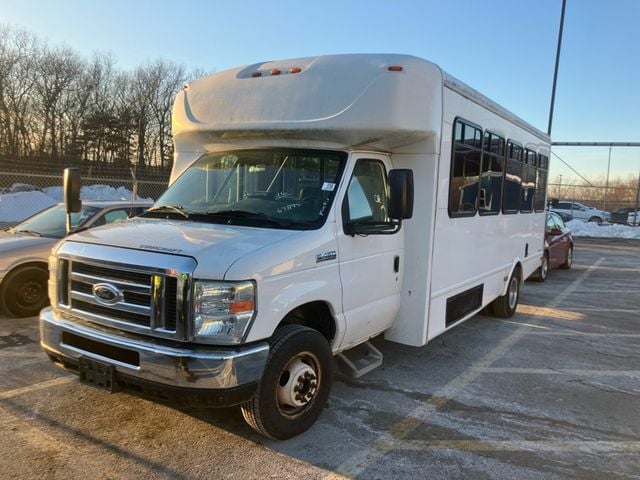
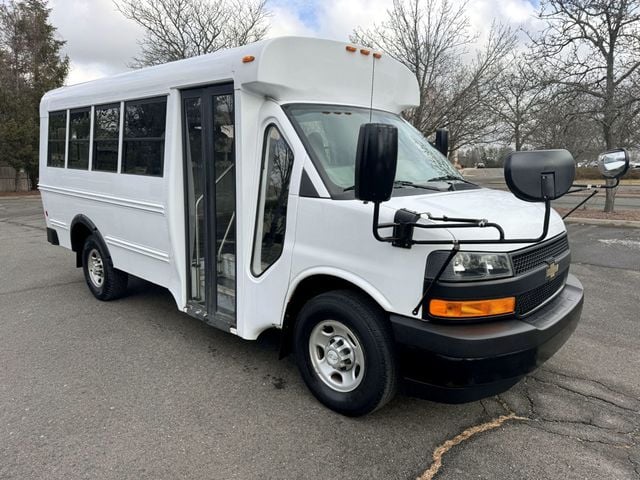
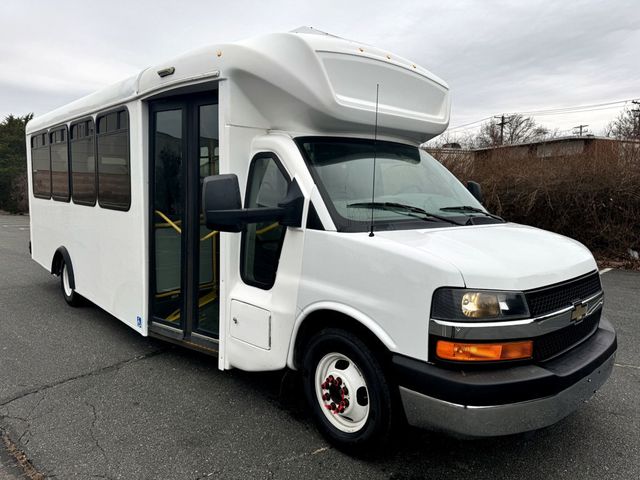
Purchasing a shuttle bus or a wheelchair-accessible minibus is a significant investment. Whether you are expanding a non-emergency medical transportation (NEMT) fleet, upgrading a church bus, or starting a tour company, your focus is likely on passenger capacity, engine reliability, and ADA compliance. However, there is one piece of paper that dictates the legality, safety, and value of your investment: the motor vehicle title.
At Major Vehicle Exchange, we know that navigating the paperwork of commercial and specialty vehicles can feel overwhelming. Before completing a bus or wheelchair van purchase, here is everything you need to know about motor vehicle titles for shuttle buses and wheelchair-accessible minibuses.
1. The Basics: What is a Vehicle Title?
A motor vehicle title (often called a “pink slip”) is a legal document issued by a state’s Department of Motor Vehicles (DMV) establishing definitive proof of ownership. For any vehicle, the title includes the Vehicle Identification Number (VIN), make, model, year, weight, owner details, and any lienholder information.
While this sounds standard, the stakes are much higher when purchasing a vehicle designed to transport large groups or vulnerable passengers.
2. The Golden Rule: Insist on a Clean Title and Beware of Brands
When shopping for a used minibus, you will encounter different “statuses” or “brands” on titles. You always want a Clean Title, meaning the vehicle has never been deemed a total loss.
However, buyers must be highly alert for non-standard, branded titles. Be aware that different states use different terminology, so a title that looks acceptable at first glance might be branded. Here is what to watch out for:
• Salvage: The vehicle was severely damaged (crash, fire, vandalism), and the insurance company declared it a total loss.
• Rebuilt / Reconstructed: A salvage vehicle that has been repaired and passed a basic state safety inspection. Never gamble with a rebuilt title on a passenger transport vehicle. A rebuilt wheelchair bus may have compromised structural integrity, creating massive liability issues, and commercial insurance providers will often outright refuse to insure them.
• Flood / Water Damage: The vehicle sustained significant water damage. Flood buses are notorious for hidden electrical gremlins and corrosion that can cause wheelchair lifts and safety interlocks to fail months down the road.
• Parts Only / Junk / Non-Repairable: These vehicles cannot be legally driven or registered ever again. They are sold strictly for dismantling and parts.
• Not Actual Mileage (NAM): The vehicle’s true mileage is unknown, typically due to a broken odometer or tampering. For decades, the federal rule was that vehicles over 10 years old were exempt from odometer disclosure. However, due to a federal rule change in 2021, that threshold is being doubled to 20 years.
As of 2026, the rules are in a transition period:
1. The “20-Year Rule” (Modern Vehicles)
If the vehicle is a 2011 model year or newer, it is not exempt until it reaches 20 years of age.
o This means that a 2011 car (15 years old in 2026) still requires a formal odometer reading.
o It won’t become exempt from disclosure until January 1, 2031.
2. The “10-Year Rule” (Grandfathered Vehicles)
Vehicles that were already 10 years old before the rule change are grandfathered into the old exemption.
o If the vehicle is a 2010 model year or older, it is exempt from federal odometer disclosure requirements.
o Even if the car is only 16 years old (a 2010 model in 2026), it falls under the old rule and does not require a reading in most states.
Summary Table for 2026

3. United States Government Titles (SF-97)
If you are purchasing a surplus shuttle bus formerly owned by a federal agency (such as the VA or the military), it will not include a standard state title.
Instead, it will come with a Standard Form 97 (SF-97), officially known as The United States Government Certificate to Obtain Title to a Vehicle. These certificates look completely different from standard state titles—often resembling standard government paperwork—but do not let that alarm you. An SF-97 is a highly secure, federally issued document that is fully acceptable in every state. Simply bring the SF-97 to your local DMV, and they will use it to issue a standard clean state title in your name.
4. Lien Releases: A Crucial Detail
When a bus is financed, the bank or lender places a “lien” on the vehicle, and their name is printed on the front of the title. This means they legally own a stake in the vehicle until the loan is paid off.
If you are buying a used bus that has a lienholder listed on the title, you cannot transfer ownership without an official lien release. * On the Title: The release can be executed directly on the front of the title, requiring an authorized signature and often an official stamp from the lending institution in the designated lien release section.
• Separate Document: Alternatively, the lender may provide a separate lien release document. This must be an original document with a physical signature. DMVs will almost universally reject photocopies, faxes, or printed emails of lien releases.
Without a properly executed lien release, the DMV will refuse to transfer the title, leaving you stuck with a bus you cannot register.
5. Be Alert for Canadian Titles
Because high-quality shuttle buses can be hard to find, buyers sometimes look across the border. However, buying a vehicle with a Canadian title is incredibly risky and requires extreme caution.
Not all vehicles manufactured for the Canadian market are acceptable in the United States. To be titled and registered in the US, a vehicle must meet the strict requirements of both the Department of Transportation (Federal Motor Vehicle Safety Standards, or FMVSS) and the Environmental Protection Agency (EPA emissions standards).
If a Canadian bus does not have the proper US FMVSS and EPA compliance labels permanently affixed under the hood or in the door jamb, you will not be able to import or title it without spending thousands of dollars on complex modifications through a Registered Importer. Furthermore, your DMV will require specific stamped U.S. Customs and Border Protection paperwork (such as EPA Form 3520-1 and DOT Form HS-7) to convert a Canadian title to a U.S. title. If you do not have these forms, you cannot title the bus.
6. Title Considerations Specific to Buses
Standard cars are straightforward, but specialty vehicles have unique titling quirks:
• GVWR and Commercial Designations: The Gross Vehicle Weight Rating (GVWR) listed on the title dictates how the vehicle is registered and who can drive it. If a shuttle bus exceeds a certain weight class or carries 16 or more passengers (including the driver), it requires a Commercial Driver’s License (CDL).
• Seating Capacity: When a vehicle is converted into a wheelchair-accessible minibus, the capacity changes (e.g., from 14 seats to 8 seats plus 2 wheelchair spots). Please ensure the dealer’s documentation accurately reflects the current configuration to avoid DMV issues.
The Benefit of Buying from a Licensed Dealer
If you buy a used shuttle bus from a private seller, you are entirely responsible for avoiding salvage brands, obtaining original lien releases, and verifying Canadian import statuses.
When you purchase from a specialized, licensed dealer like Major Vehicle Exchange, the title process is completely secure. We ensure all vehicles are free of prior liens, have clean U.S. titles, and include all required paperwork (reassigned titles, bills of sale, original lien releases). You get peace of mind knowing exactly what you are buying: a reconditioned, road-ready bus with pristine legal documentation.