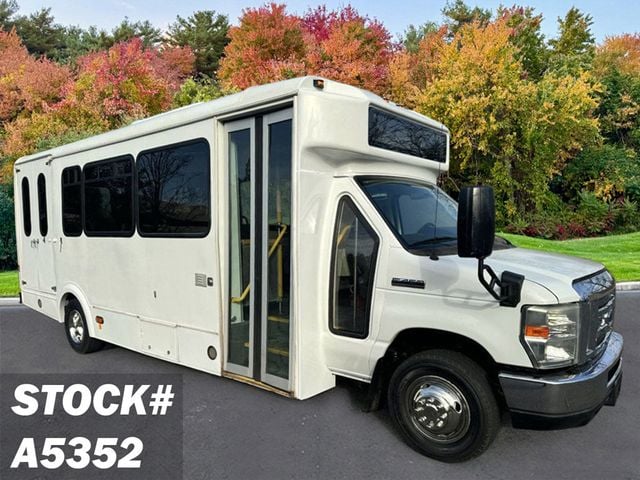
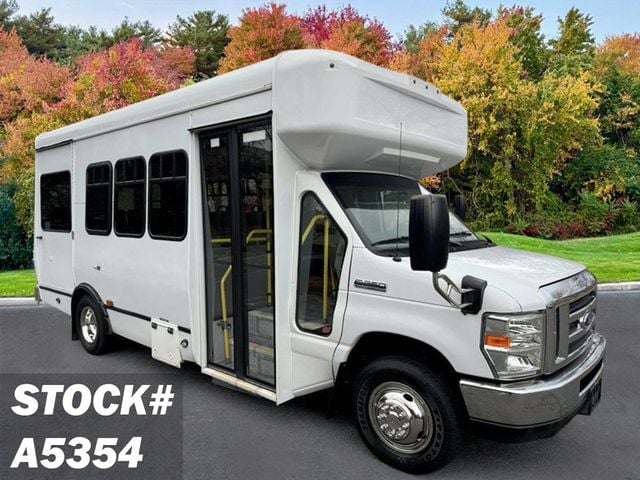
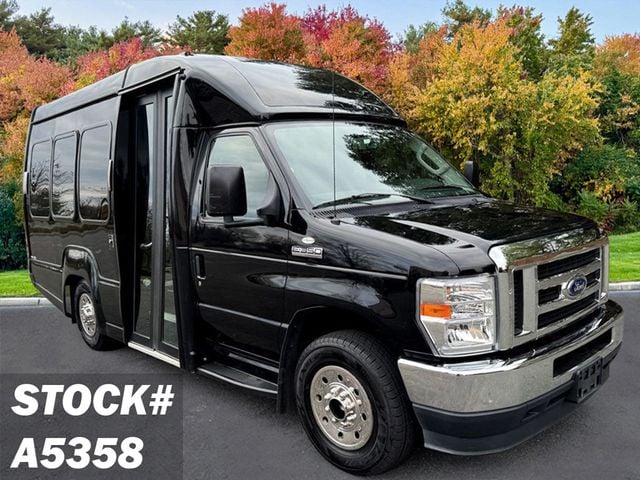
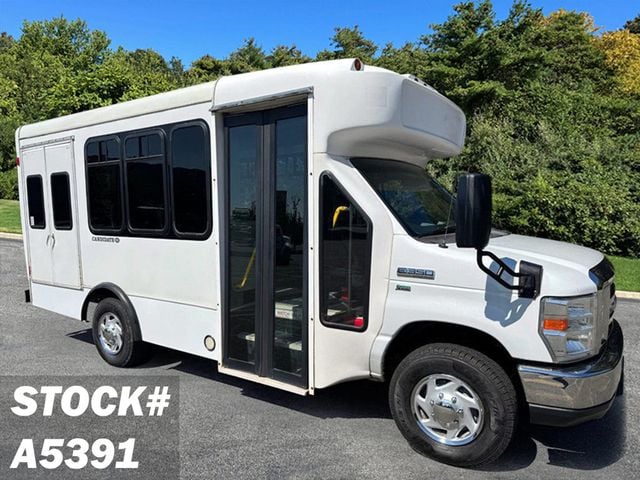
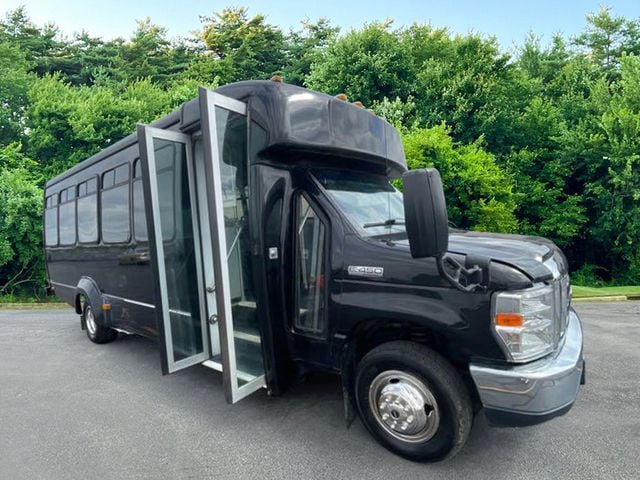
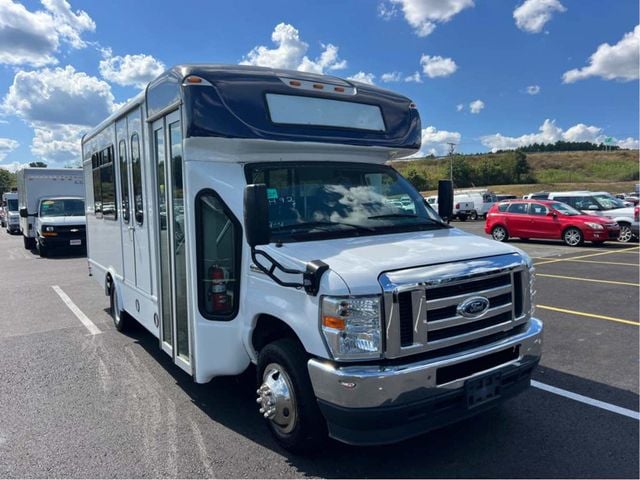
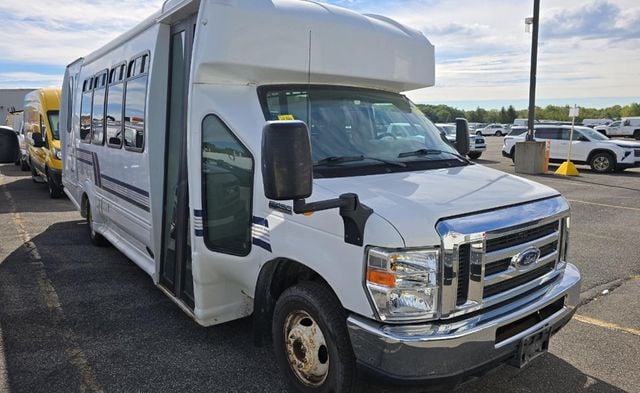
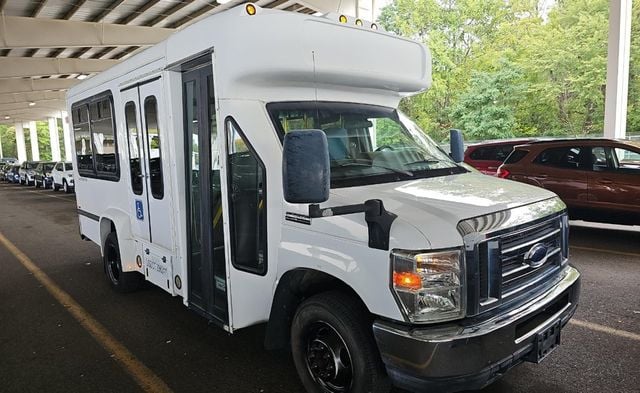
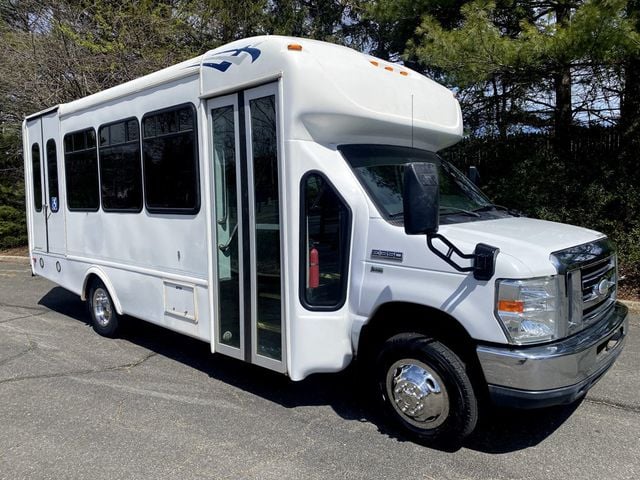
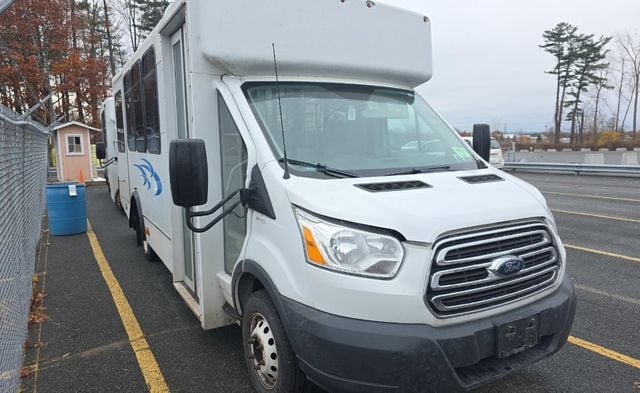
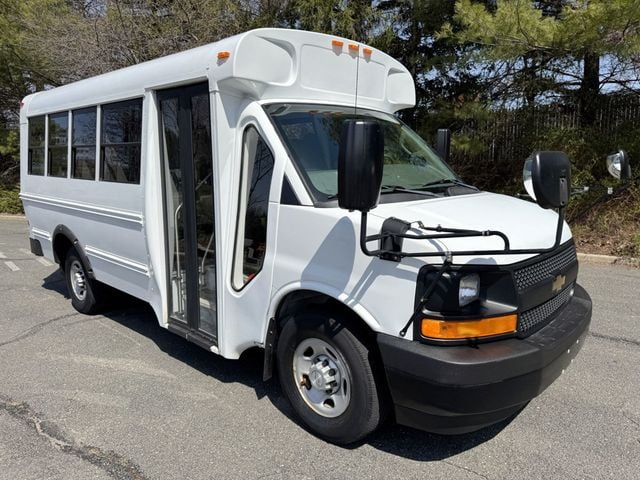
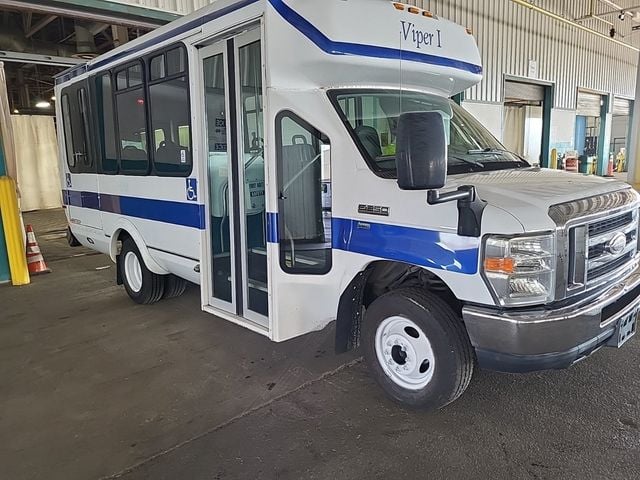
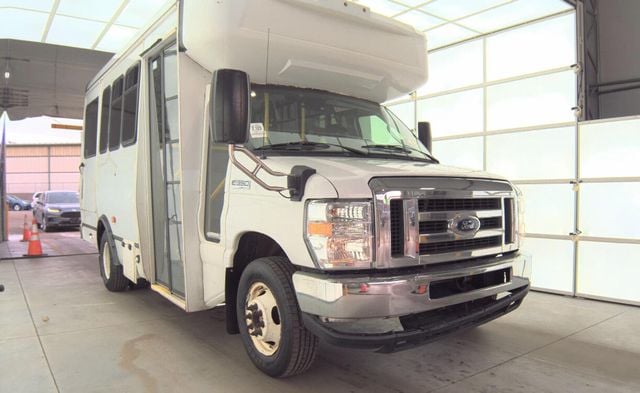
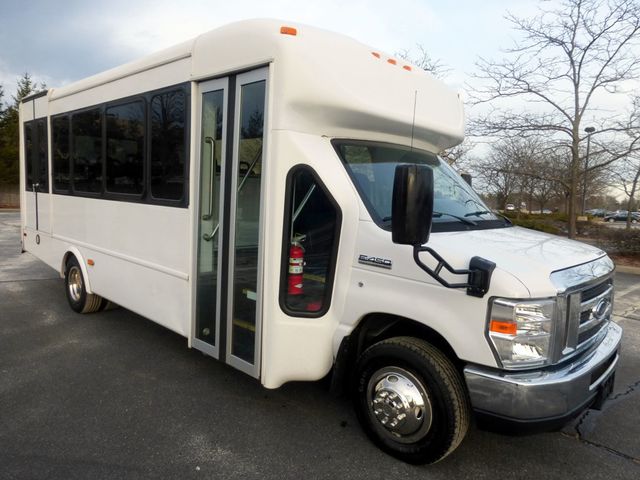
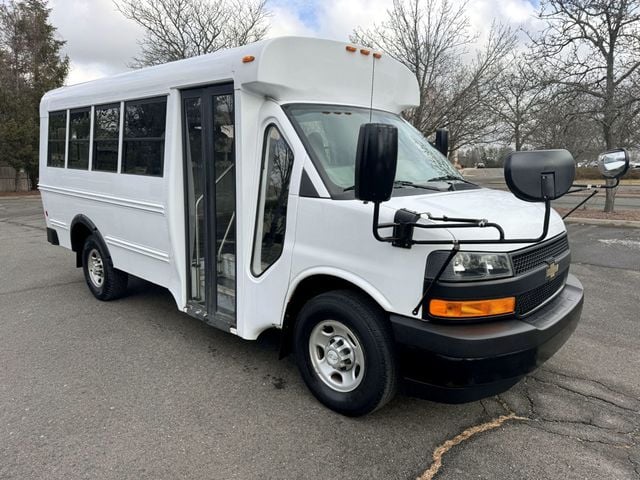
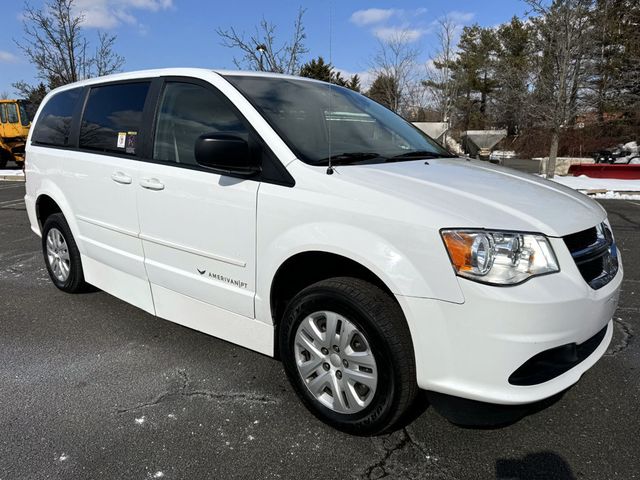
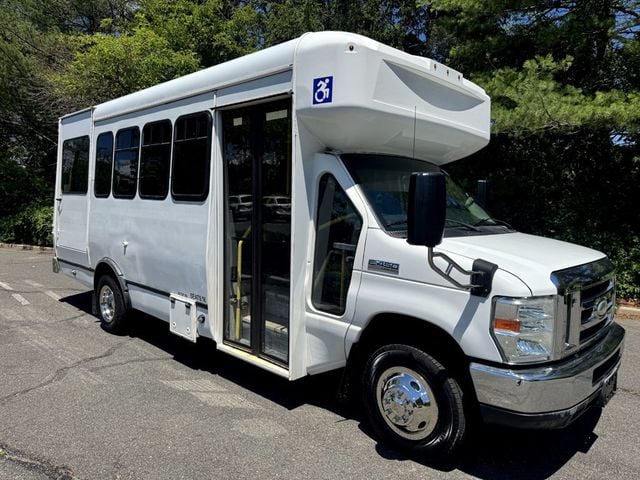
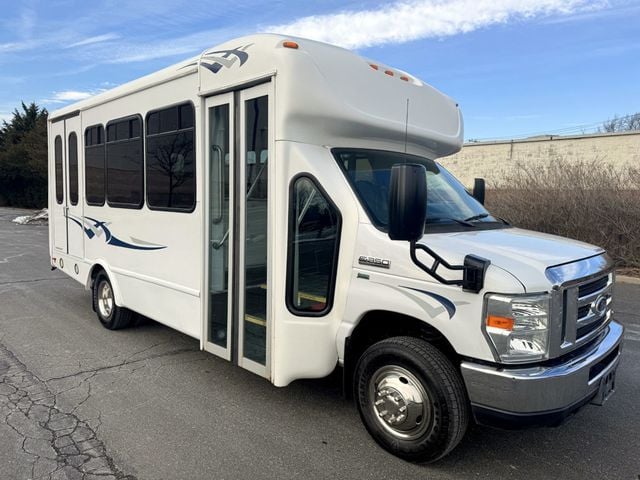
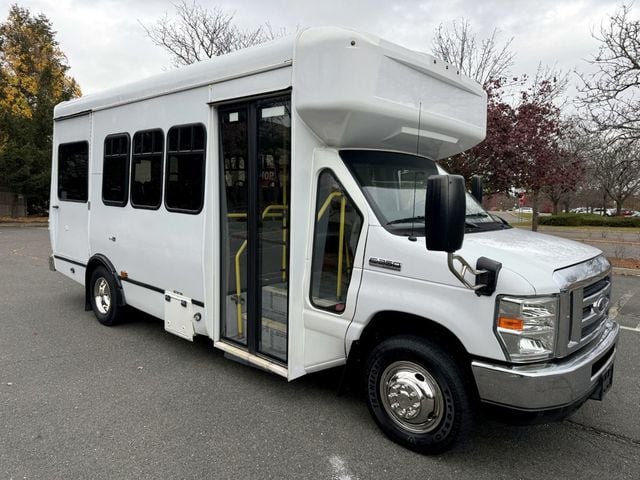
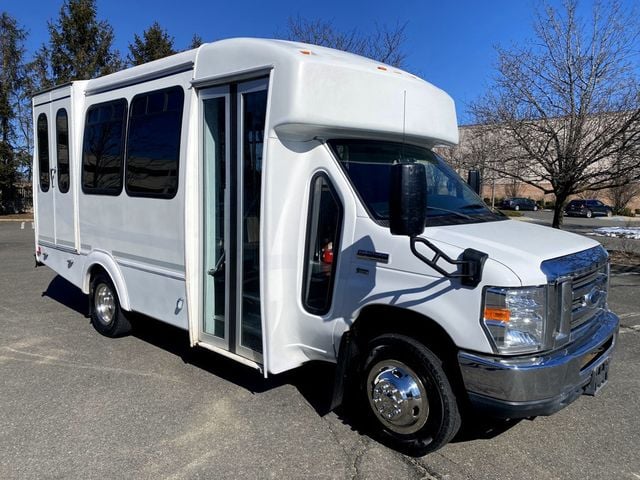
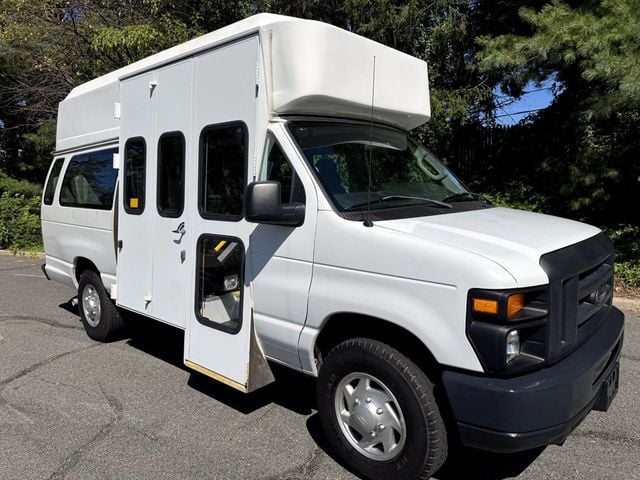

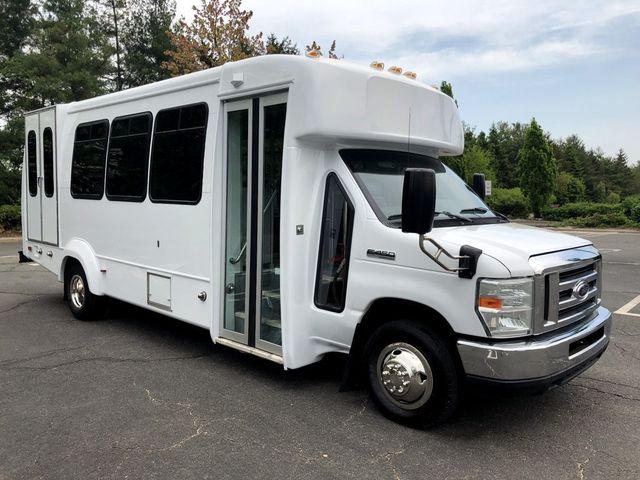
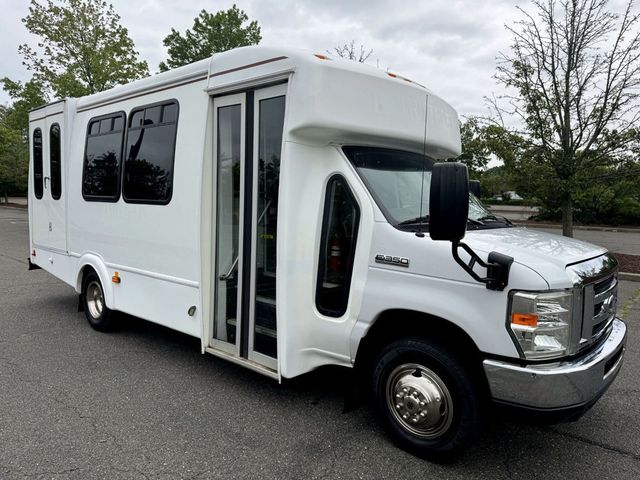
A shuttle bus for sale with lift can do much more than provide wheelchair access. It helps create a better travel experience for passengers with different mobility needs while giving fleet operators more flexibility in daily service. A well-designed lift-equipped shuttle supports smoother boarding, better interior movement, and a layout that works for many types of transportation. Hotels, senior living communities, medical transportation providers, schools, churches, and private organizations often depend on these vehicles because they serve a wide range of passengers with comfort and safety. Choosing the right bus means looking beyond appearance and focusing on how the vehicle will perform every day.
The Lift Is Only One Part of the Equation
A wheelchair lift is one of the most important features, but it should never be the only reason to choose a shuttle bus. Lift quality depends on platform size, weight capacity, operating controls, safety locks, and how it fits into the vehicle. A reliable lift should move smoothly and allow passengers to board with confidence. It should also provide enough space for different mobility devices without making the boarding process difficult.
A fleet manager should focus on daily operations, not just the equipment itself. A shuttle that stops many times during the day needs a lift that works quickly and safely while keeping passenger movement simple. This practical approach helps improve both driver efficiency and rider satisfaction.
Look at the Space Behind the Lift
Many buyers focus on the entrance and overlook the passenger area. After a rider enters the bus, there should be enough room to move comfortably toward the wheelchair position or assigned seat. A good interior design creates a clear path that reduces crowding and helps passengers feel secure during boarding.
Handrail placement, securement systems, foldable seating, and aisle width all work together. A thoughtful layout allows staff to assist passengers without blocking the entrance for everyone else. This is especially valuable at busy pickup locations where several passengers board in a short period.
Wheelchair Capacity Can Change the Whole Bus Layout
Passenger capacity is not only about counting seats. The number of wheelchair positions, folding seats, and open floor space changes how the shuttle serves different groups. Two buses may have the same overall size, yet one may offer much better flexibility because its interior was designed around accessible transportation.
Before buying, review the seating arrangement carefully. Think about the average number of passengers, the need for mobility devices, and the balance between fixed seating and flexible space. A layout that matches real passenger demand often performs much better than one with the highest seating number.
Boarding Flow Can Matter More Than Seating Count
A successful shuttle route depends on how people move through the vehicle. Boarding begins long before passengers reach their seats. The lift lowers, the passenger enters, the mobility device is secured, and other riders continue boarding. Every step should happen in a smooth order without creating unnecessary delays.
A shuttle with an organized boarding flow helps drivers stay on schedule and creates a more comfortable experience for everyone inside. This is especially important for airport transportation, hotel shuttle service, community programs, and senior transportation where frequent stops are part of daily operation.
Ask What Happens After Years of Use
A lift is a mechanical system that works every day, so its long-term condition deserves careful attention. Buyers should inspect the platform, electrical controls, mounting points, moving parts, and overall operation before deciding. Service records can also provide valuable information about previous maintenance and repairs.
A complete vehicle inspection should include the engine, transmission, suspension, brakes, doors, climate system, and body condition along with the lift itself. This gives buyers a clearer picture of the shuttle’s overall reliability and helps reduce unexpected repair costs later.
Match Accessibility With Your Actual Service
Every transportation program serves different passengers, so accessibility needs are never exactly the same. A hotel shuttle may carry guests with luggage, while a senior transportation vehicle may focus on easy boarding and wider interior space. Community organizations may need flexible seating because passenger groups change throughout the day.
The smartest purchase begins with understanding your own routes. List your daily trip distance, passenger volume, wheelchair use, boarding locations, and service schedule. Then compare those needs with the shuttle’s layout and accessibility features. This method leads to a better fleet investment.
Why the Right Configuration Can Add Fleet Value
A lift-equipped shuttle lets one vehicle serve both standard passengers and riders who need wheelchair access. This flexibility allows organizations to handle different transportation requests without relying on separate vehicles for every trip. A practical configuration supports better fleet planning, improves passenger convenience, and increases the vehicle’s usefulness across many service types.
Ending Note:
Our team at Major Vehicle Exchange, understands that every fleet has different transportation goals. We help buyers evaluate lift configuration, wheelchair capacity, seating layout, interior accessibility, and overall vehicle condition before making a purchase. If you are searching for a shuttle bus for sale in Ohio, our team is ready to help you find a vehicle that matches your passenger service needs.
Ready to upgrade your fleet with an accessible shuttle bus? Contact Major Vehicle Exchange, led by Charlie, to explore available inventory and choose the right lift-equipped shuttle for your operation.
FAQs:
1. What should I check before buying a lift-equipped shuttle bus?
Check lift condition, platform capacity, wheelchair positions, seating layout, vehicle history, mechanical systems, and overall interior accessibility before purchasing.
2. How does a wheelchair lift improve shuttle bus access?
A wheelchair lift provides a controlled entry method for passengers using mobility devices and can make boarding easier for both riders and staff.
3. Why does shuttle bus interior layout matter?
Interior layout affects wheelchair movement, seating capacity, boarding flow, securement areas, aisle space, and how easily passengers can move through the vehicle.
4. How do I choose the right shuttle bus configuration?
Match seating, wheelchair capacity, lift design, route demands, passenger volume, boarding needs, and daily service patterns with your organization’s transportation requirements.
5. Is a lift-equipped shuttle useful for different passenger groups?
Yes. A properly configured shuttle can transport seated passengers and wheelchair users, making it useful for hotels, senior programs, schools, and organizations.
Comments are closed.