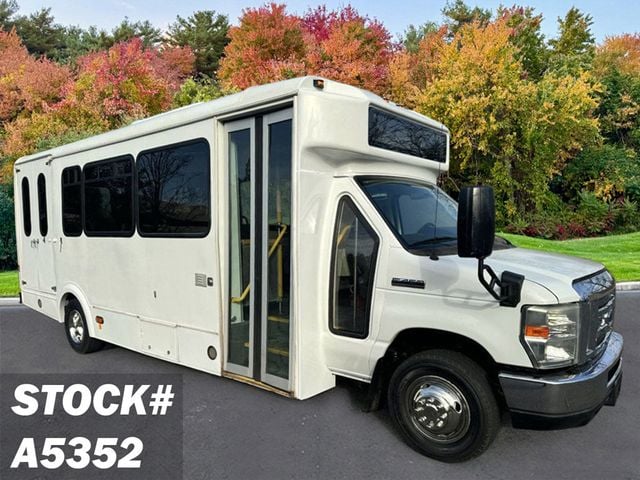
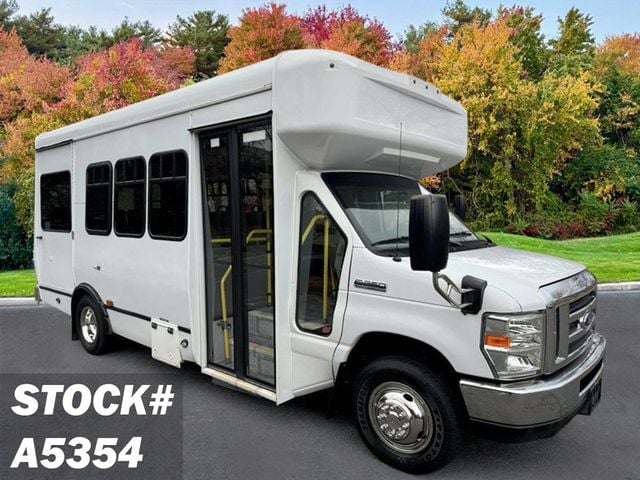
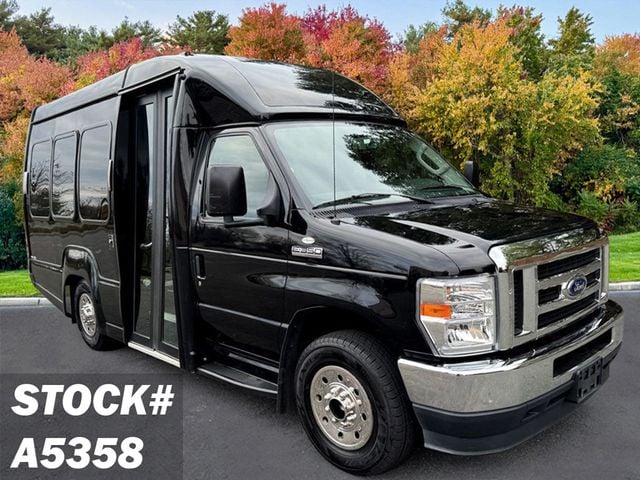
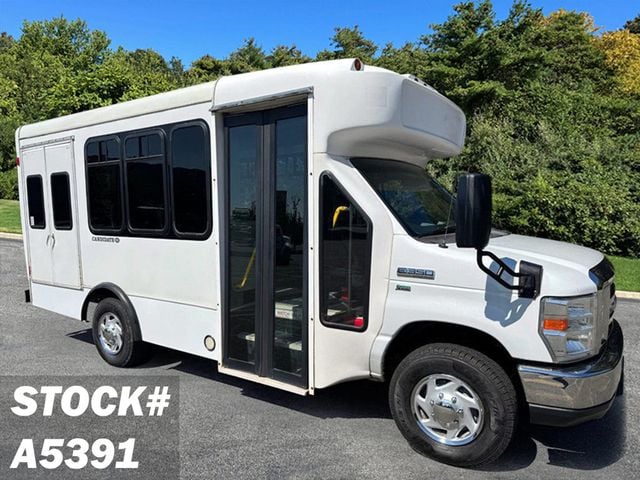
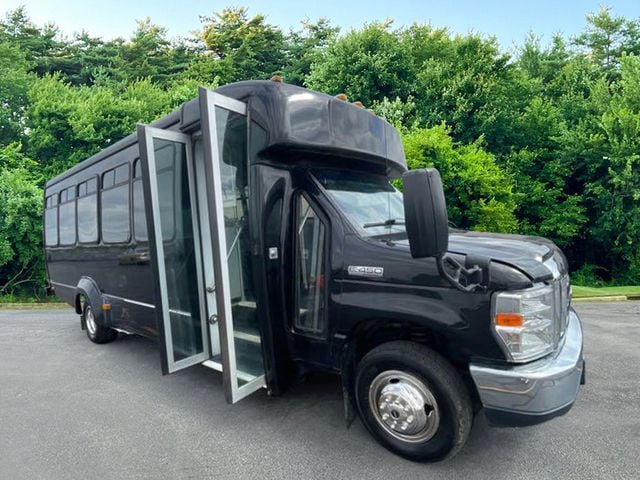
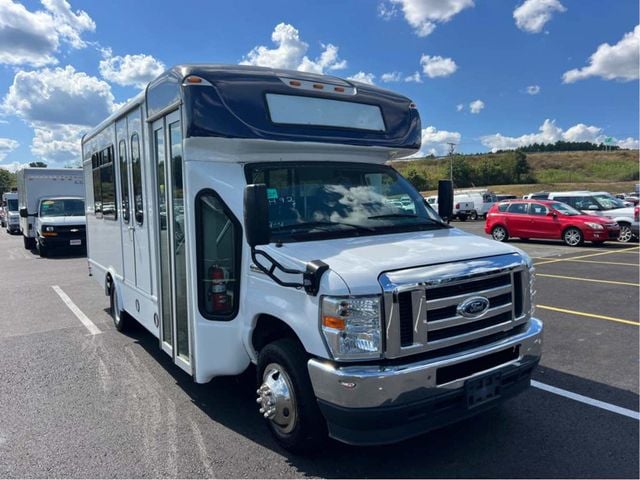
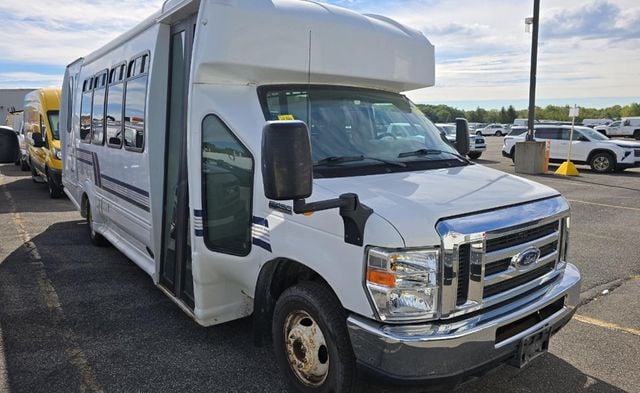
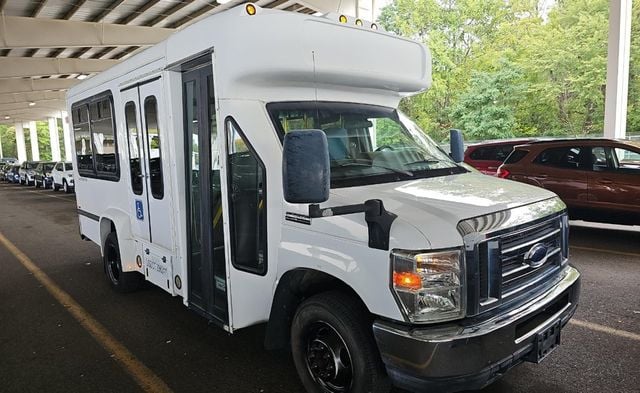
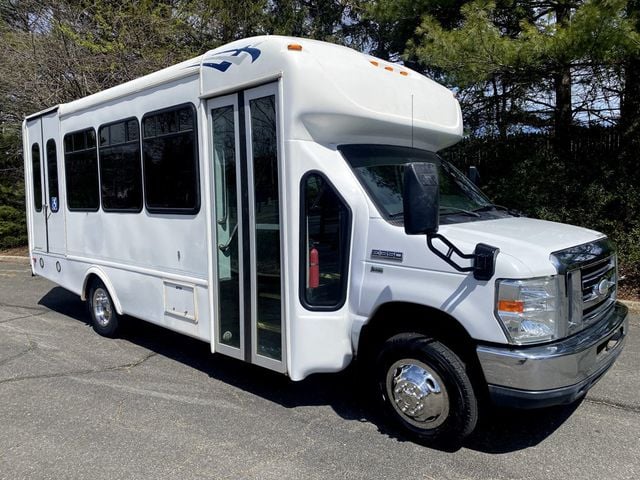
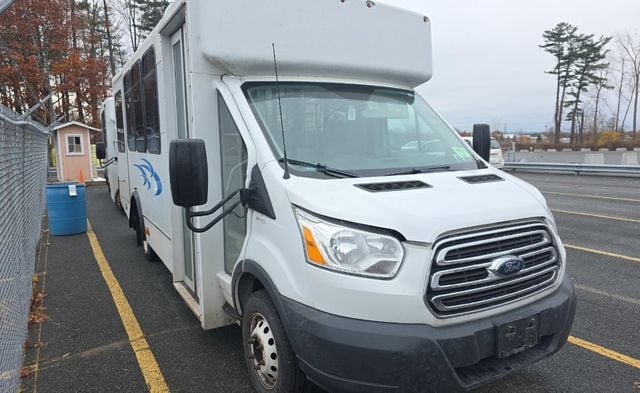
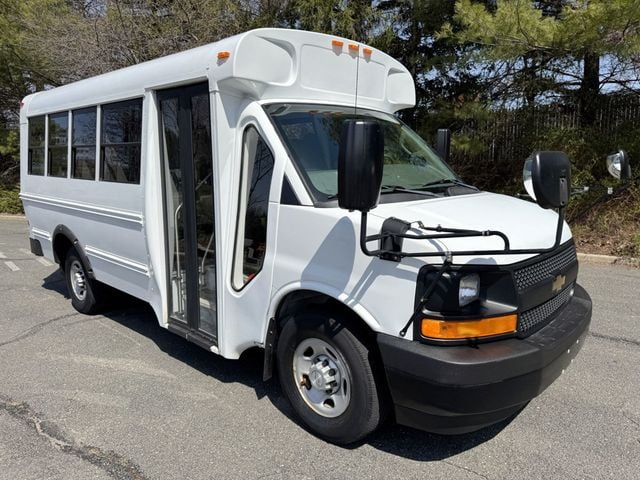
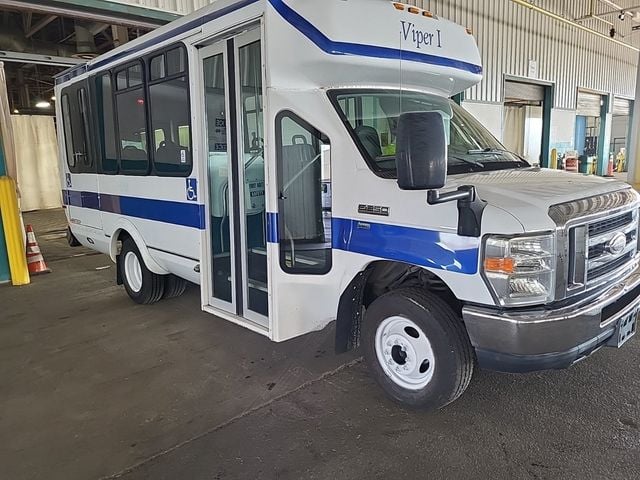
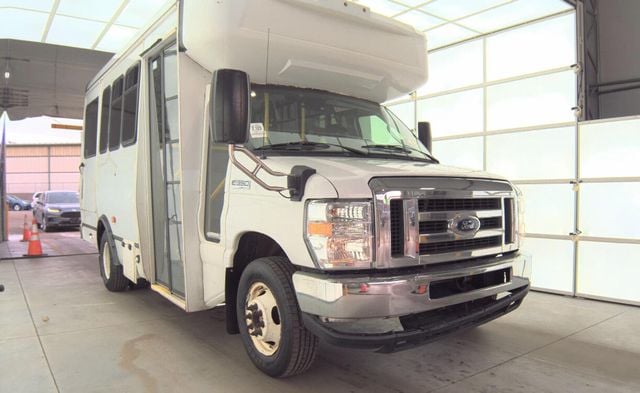
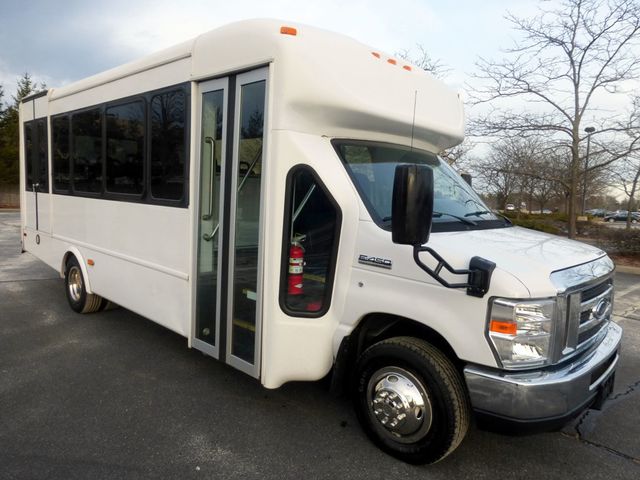
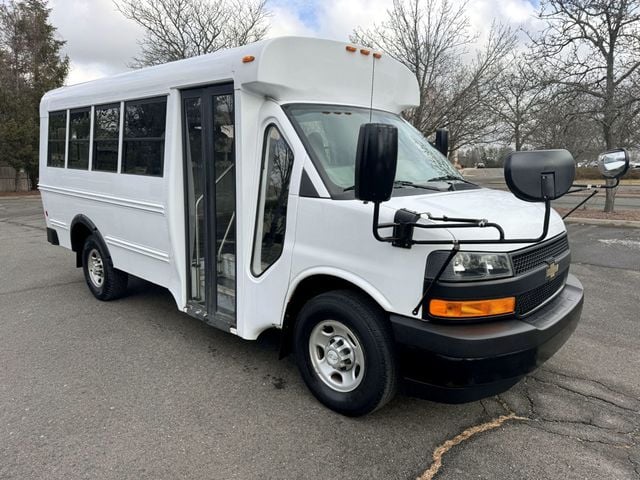
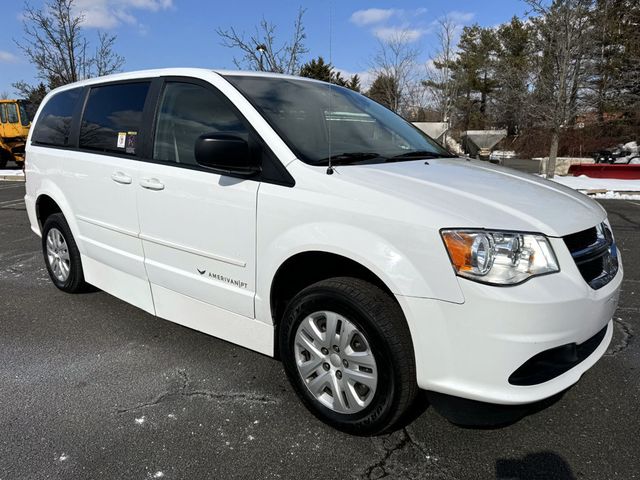
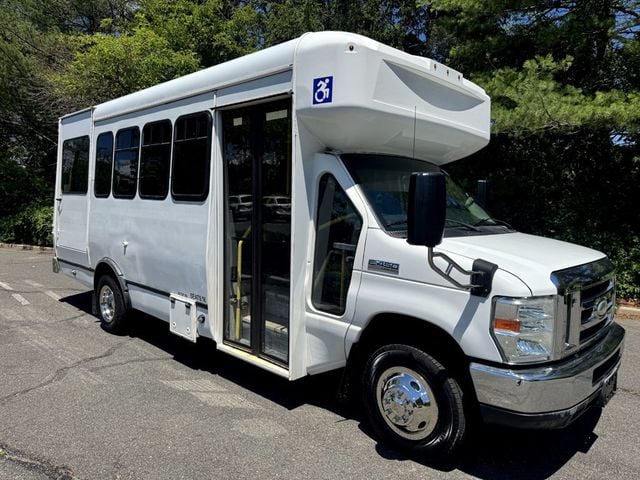
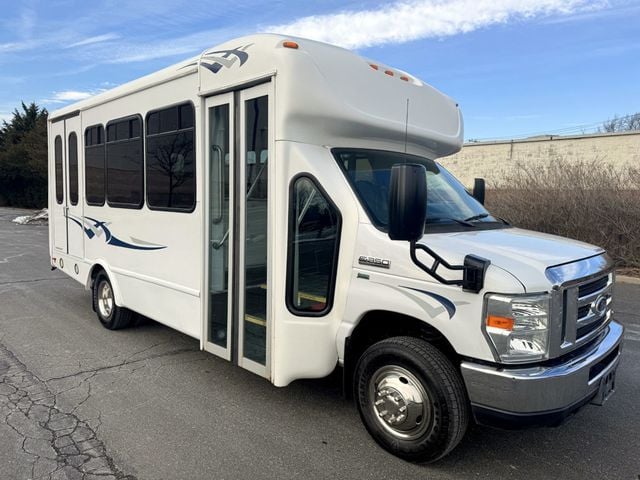
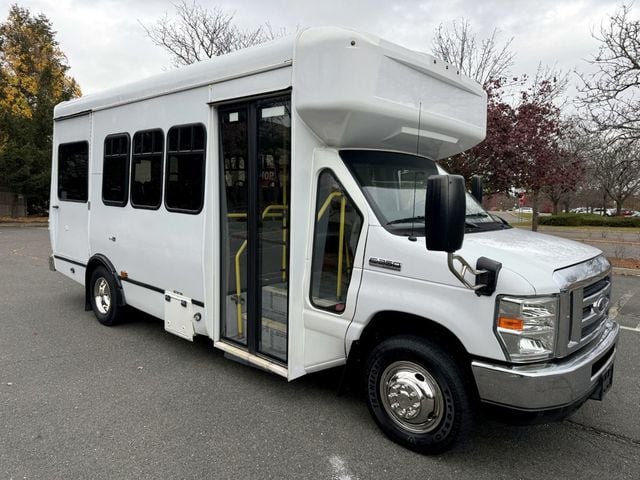
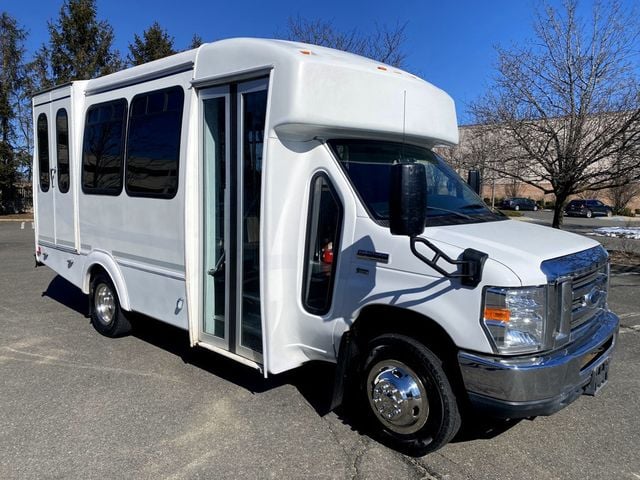
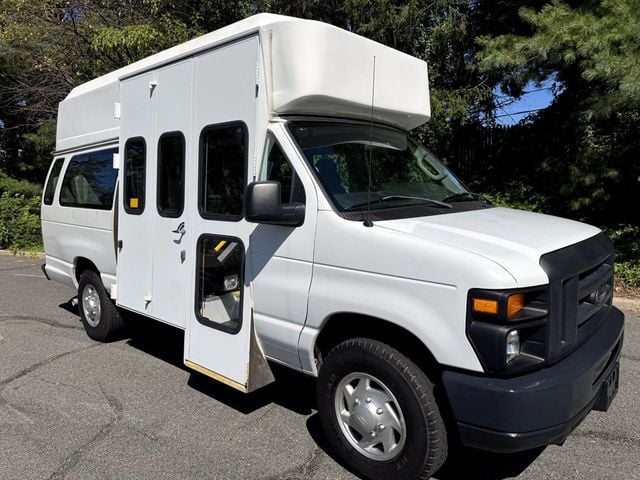

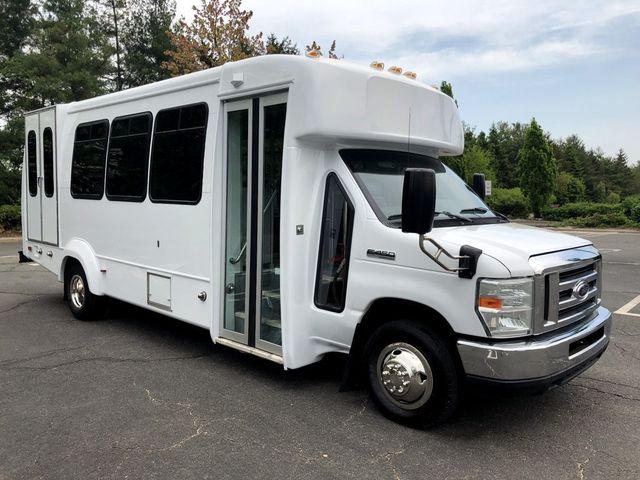
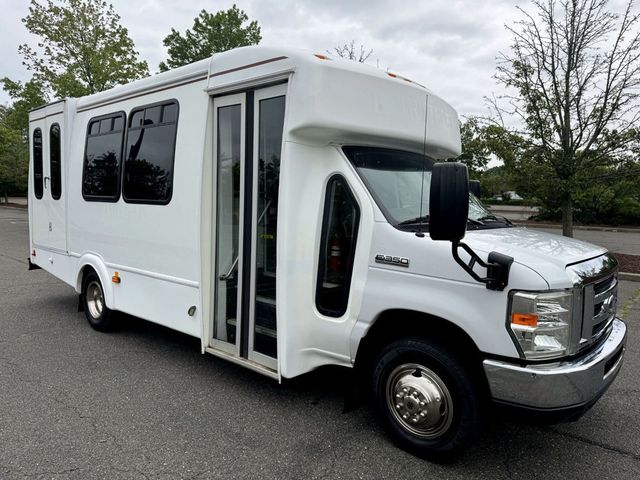
Purchasing a used shuttle bus or church bus is a considerable investment that requires careful evaluation to ensure safety, reliability, and long-term value. Whether you are interested in any wheelchair bus, including the Ford E-350 shuttle bus, Ford E-450 shuttle bus, or a Ford Transit T350, a thorough inspection is crucial before finalizing your purchase. This comprehensive guide covers the key steps and areas to examine so you can confidently select the used shuttle bus best suited for your organization’s needs.
Step 1: Review Mechanical Systems and Drivetrain
The foundation of a reliable shuttle bus lies in its mechanical condition. Most popular shuttle buses on the market are built on robust, proven chassis, such as the Ford E-Series (E-350, E-450) and Ford Transit models. Assess these components in detail:
● Engine Inspection: Check for oil leaks, unusual noises, and smooth operation during a test drive. Request maintenance records to confirm regular service whenever practical, including oil changes, state inspections, and service.
● Transmission and Brakes: During your test drive, pay attention to smooth gear shifts without slipping or jerking. Evaluate brake responsiveness and listen for squealing or grinding noises, which might indicate worn pads or rotors.
● Suspension and Steering: Test for smooth handling over bumps and during turns. Excessive play or unusual noises in the steering mechanism can signal the need for repairs.
● Tires and Wheels: Ensure tires have adequate tread depth and show even wear. Inspect rims for damage and confirm lug nuts are tight.
Ask the dealer about any recent repairs or replacements and verify that the bus has passed all required safety inspections.
Step 2: Examine Exterior Condition and Body
The exterior reveals much about the vehicle’s history and care:
● Body Integrity: Look for rust spots, dents, scratches, and prior repair work that might compromise the body’s strength. Special attention should be paid to wheel wells and undercarriage areas prone to corrosion.
● Doors and Windows: Test all doors for smooth operation, alignment, and secure locking. For emergency exits, ensure they open easily and are clearly marked. Windows should be free of cracks and completely sealed to prevent leaks.
● Lighting and Signals: Verify that headlights, brake lights, turn signals, and emergency flashers function correctly.
A clean, well-maintained exterior generally indicates attentive ownership and care.
Step 3: Inspect Interior Condition and Accessibility Features
The passenger compartment is where real-world usability and comfort shine:
● Floor and Seating: Walk through the bus to check for sagging or damaged floors, especially near doorways and wheelchair lifts. Seats should be firmly attached, with upholstery in good shape and seatbelts present and functional.
● Accessibility Equipment: For wheelchair buses, operate the lift or ramp multiple times to ensure smooth, reliable operation. Confirm safety interlocks work and that tie-down straps or anchors for securing wheelchairs are intact and functional.
● Passenger Comfort: Test heating, air conditioning, and interior lighting. Ensure grab rails and step lights are present, operating, and secure.
Make sure aisles are clear and all passenger safety equipment, such as emergency hammers or fire extinguishers, is visible and accessible.
Step 4: Confirm Documentation and Legal Compliance
Before purchase, review all paperwork carefully:
● Title and Registration: A clear vehicle title with no liens or salvage history is fundamental. Verify the bus is properly registered and has passed required emissions and safety inspections for your state.
● Service Records: When practical, request maintenance and repair records. This provides transparency and can highlight potential future maintenance costs.
● Warranty Information: Understand any warranties or service agreements included with your purchase.
Consider local regulations regarding non-CDL shuttle bus operation. Confirm that the bus meets these regulatory criteria based on seating and weight limits.
Step 5: Assess Operational Fit and Upgrade Potential
Think about your specific transportation needs:
● How many passengers and wheelchairs do you typically transport?
● Will the bus primarily operate in urban environments or on longer highway routes?
● Do you require additional upgrades such as GPS, radio systems, or customized seating configurations?
● If future shuttle bus conversion or refurbishment is planned, assess the body’s capacity and condition to support modifications.
Choosing the right bus with operational flexibility can reduce future expenses while enhancing passenger experience.
Final Advice: Partner With Experienced Dealers
While this checklist empowers you to inspect a used shuttle bus effectively, partnering with established dealers like Major Vehicle Exchange gives you added confidence. Dealers specializing in used shuttle buses and church buses for sale thoroughly recondition fleets and back sales with warranties and financing support.
A professional dealer also understands general licensing and compliance needs, helping you stay within non-CDL shuttle bus guidelines and choosing a bus optimized for your routes.
Comments are closed.