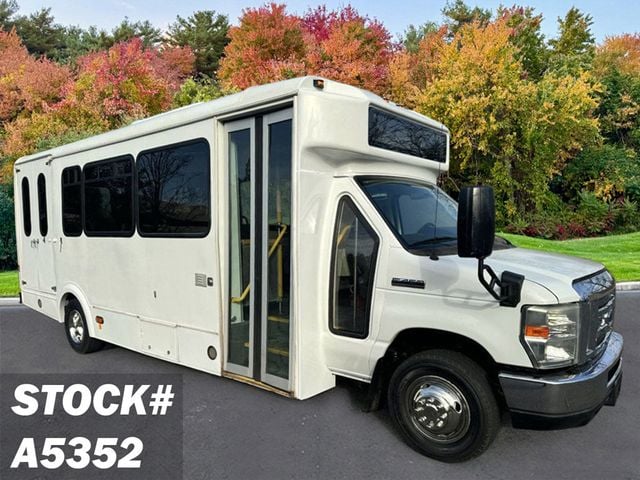
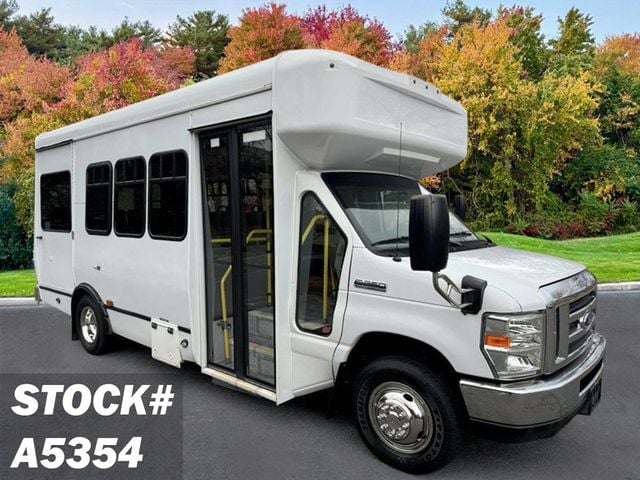
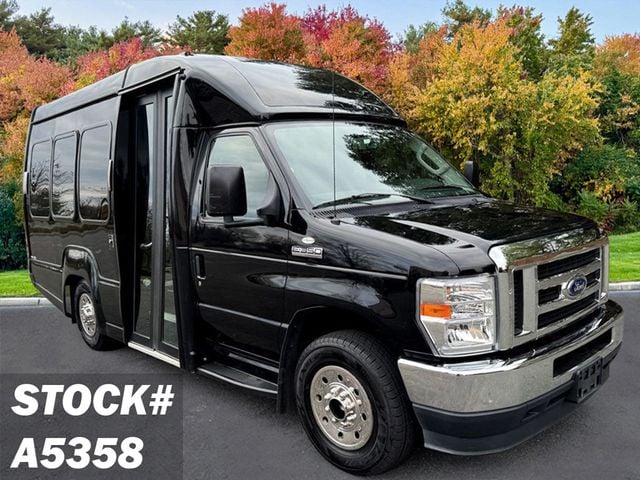
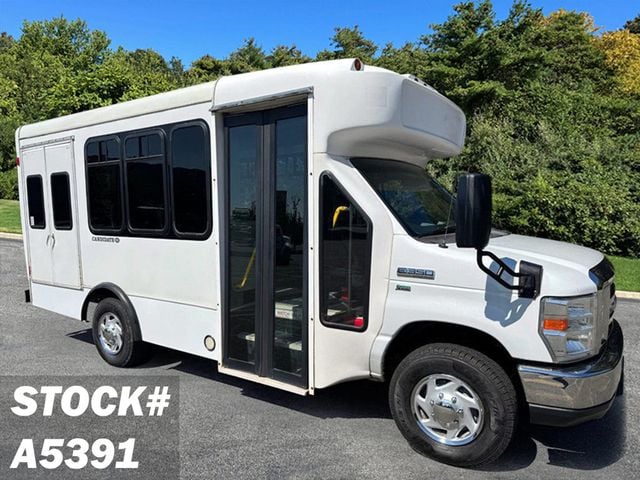
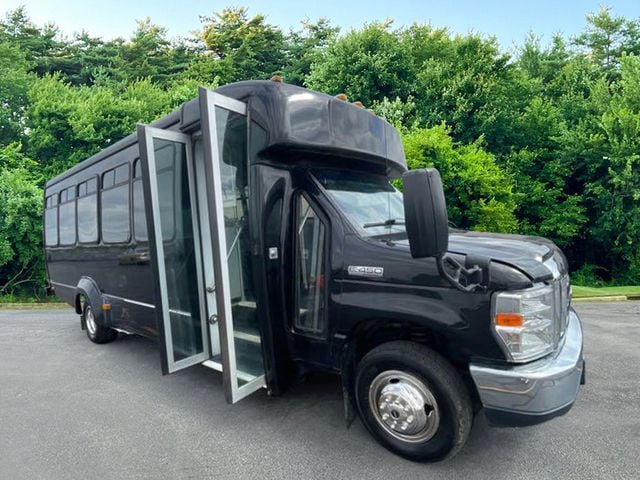
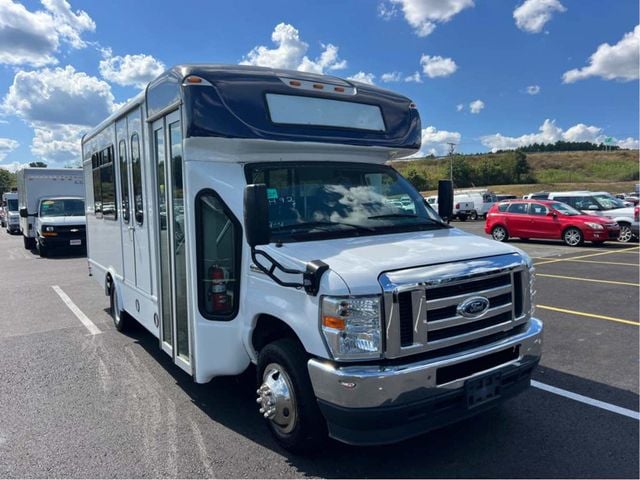
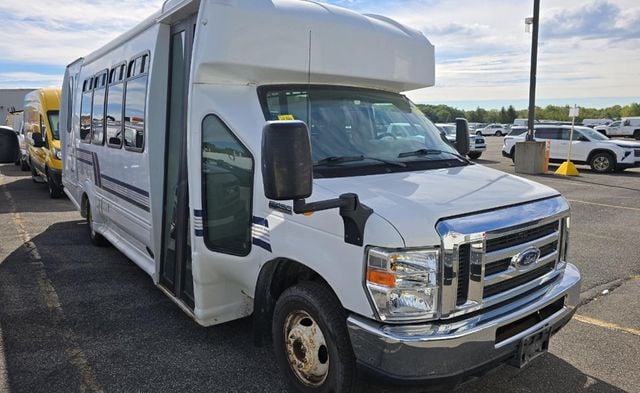
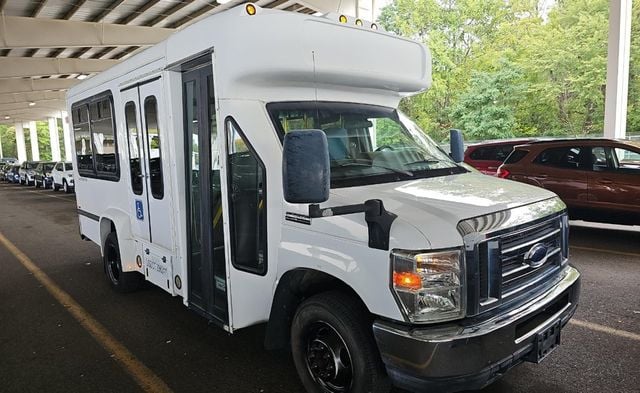
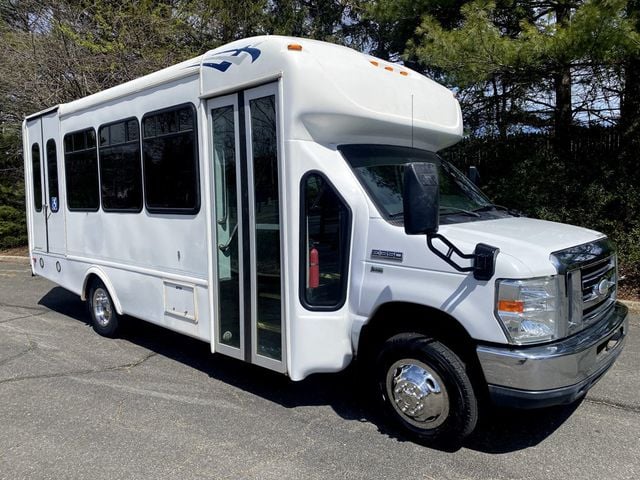
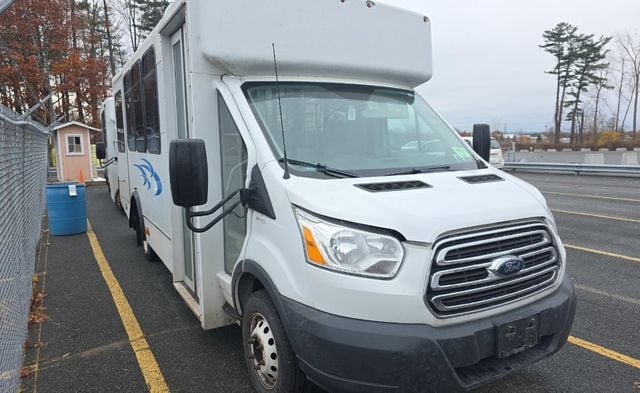
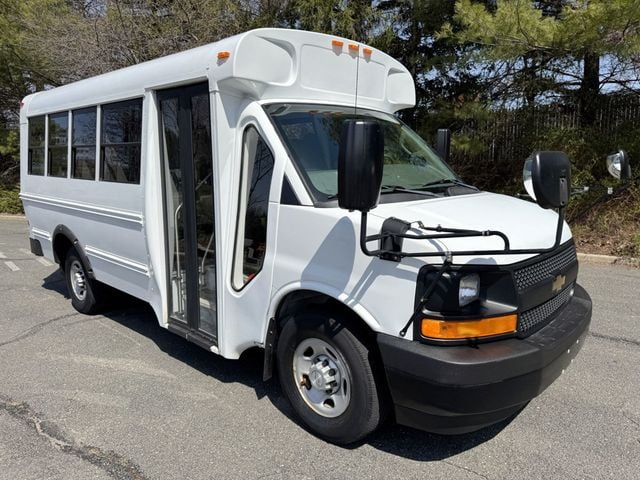
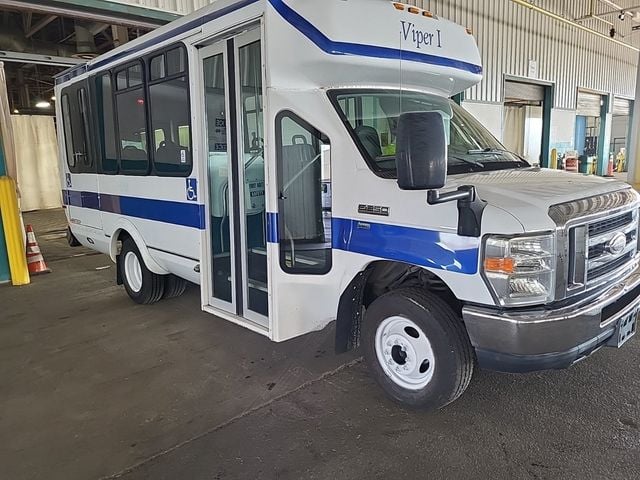
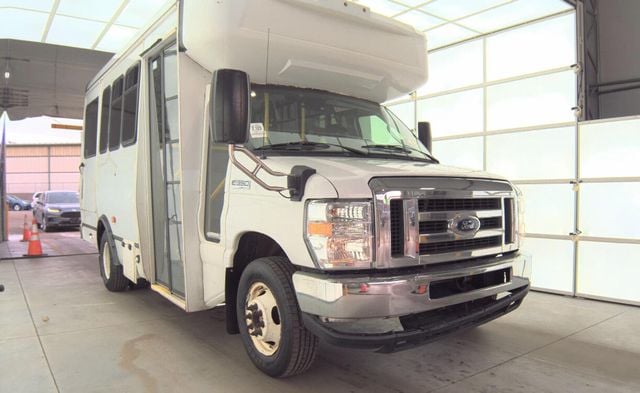
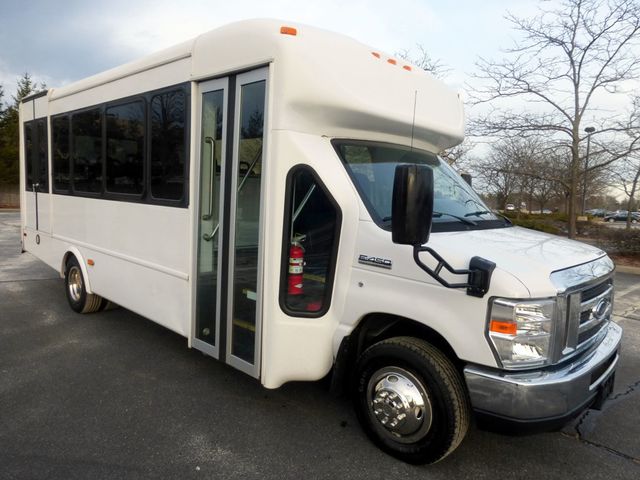
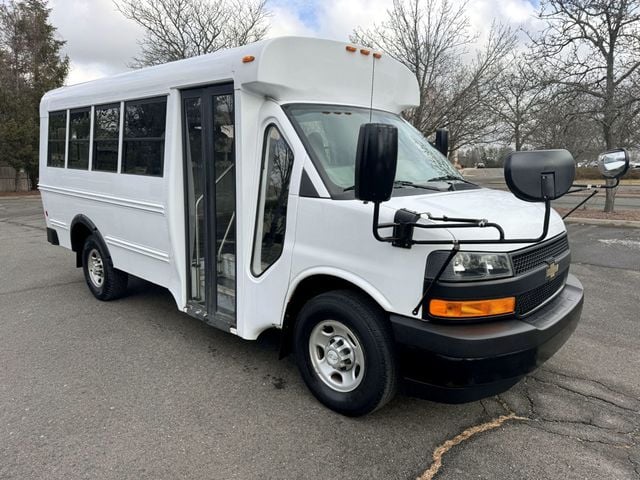

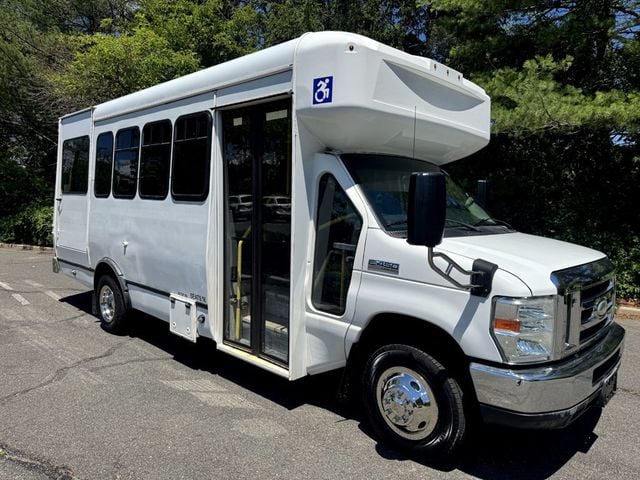
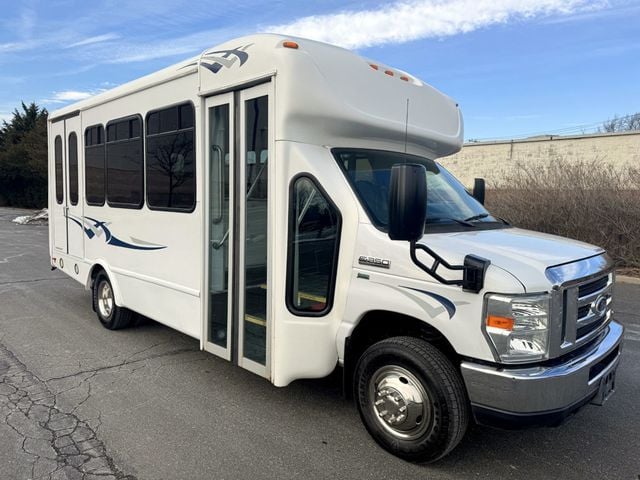
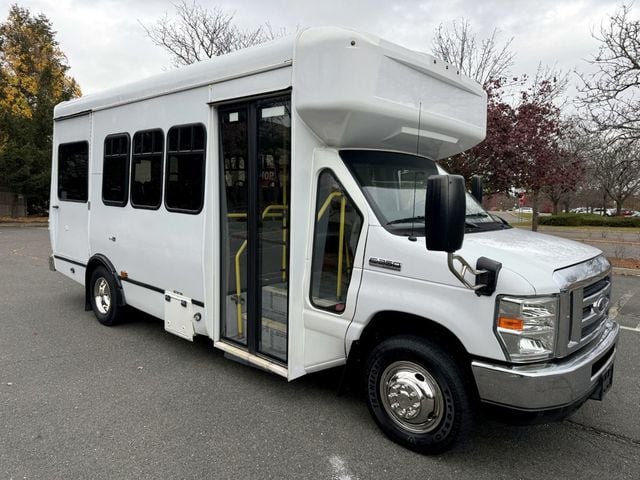
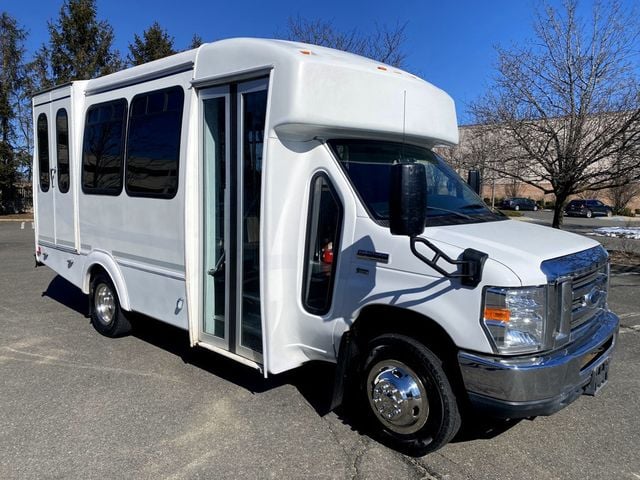
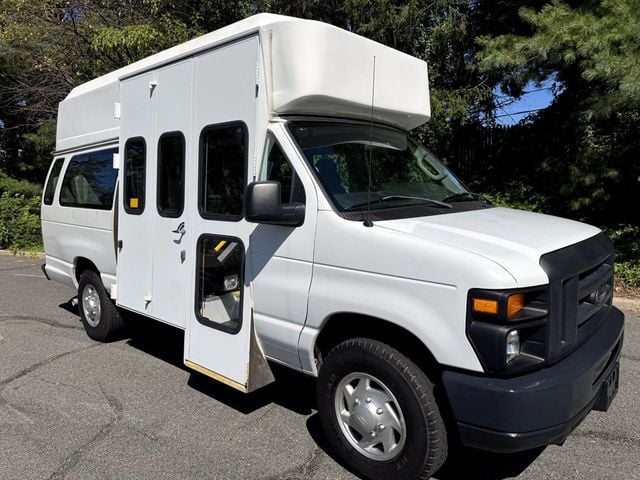

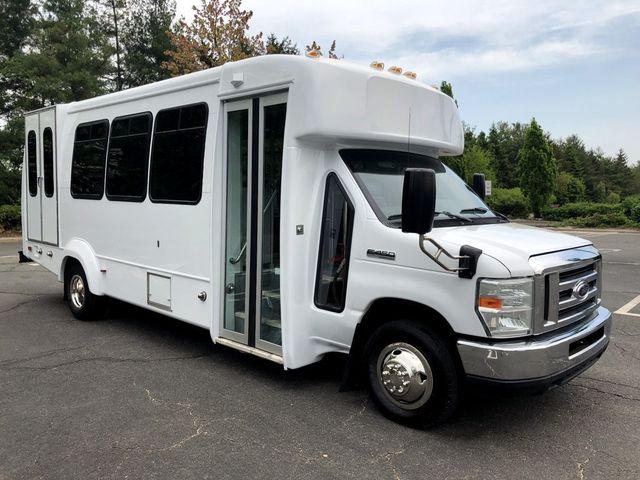
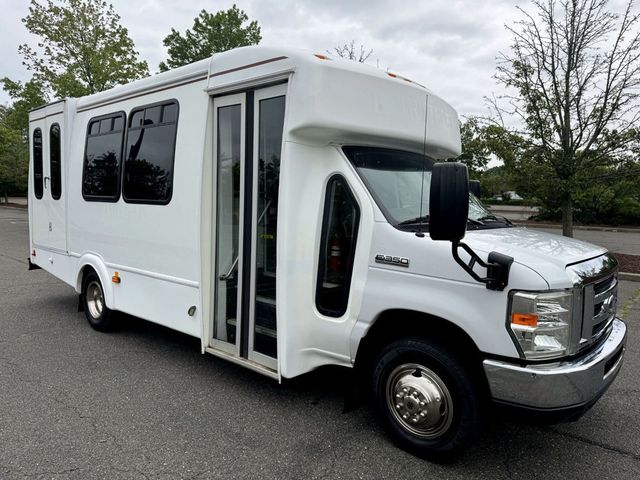
A shuttle bus for sale Delaware can be a strong option for organizations that move passengers throughout the day. Frequent service calls for more than a suitable seat count. Buyers should consider stop frequency, passenger turnover, curb access, luggage, driver visibility, interior circulation, and the bus’s ability to handle repeated trips. The best choice fits the actual work rather than simply having the largest capacity. A careful review can also help fleet owners avoid choosing a vehicle that looks suitable but does not work well during busy daily service.
Start With the Route, Not the Vehicle
A common buying mistake is choosing a bus first and trying to make the route fit later. Reverse that process.
Map the service. Note the number of stops, average trip length, road width, parking areas, passenger volume, and peak travel periods. A vehicle used for hotel transfers may need quick entry and room for luggage. A campus shuttle may need easy circulation and frequent door operation.
The route tells you what type of bus makes sense. It also helps you decide how much interior space, maneuverability, and passenger capacity your fleet really needs.
Passenger Turnover Changes the Buying Decision
Frequent service means passengers may enter and leave many times during one operating shift. This makes the entrance, aisle, door, and seating arrangement important.
A narrow aisle or awkward seat position can slow movement. A poor entry layout can create a line at the door. Look for a cabin layout that lets passengers enter, find a seat, and exit without unnecessary crossing.
This is not just about comfort. Efficient movement can help keep scheduled service on track. It can also make repeated boarding easier for drivers and passengers.
Measure the Space You Actually Need
Don’t rely on advertised passenger capacity alone. Ask how that number relates to your intended seating arrangement.
Consider the space needed for:
● Passenger seats
● Wheelchair positions
● Mobility equipment
● Luggage
● Handrails
● Aisle movement
● Driver access
● Entry and exit areas
A vehicle with fewer seats may serve your operation better if it gives passengers more usable room. A larger cabin can make sense for heavy demand, but only if your routes and parking areas can handle it. The right balance can make the bus more useful throughout the day.
Frequent Stops Put Focus on the Door
The entrance gets repeated use during a busy shuttle shift. Step height, door width, handrails, and interior clearance can affect how easily people board.
Accessible transportation requires closer attention. Check the lift or ramp location, platform space, wheelchair securement area, and movement path into the cabin.
Think about the entire boarding sequence. A passenger should have a clear route from the curb to the correct position inside the bus. This matters even more on routes with many stops and short boarding times.
Driver Visibility Deserves a Closer Look
A shuttle driver manages passengers, traffic, stops, and repeated turns. Good visibility can make these tasks easier.
Review the windshield view, mirror placement, side visibility, dashboard controls, and driver’s seating position. Check the passenger door area too. A driver needs to monitor boarding without losing focus on the road.
For used vehicles, sit in the driver’s seat before deciding. A quick inspection from the driver’s seat can reveal details photos can’t show. Check whether controls are easy to reach and whether the driver has a clear view around the vehicle.
Look at Heat, Cooling, and Interior Airflow
Frequent passenger service means the doors may open often. This can affect the interior temperature, especially on busy routes.
Check the climate system from front to rear. Ask whether passengers in the back receive enough airflow. Test the controls rather than assuming they work properly.
A comfortable cabin matters more on repeated trips because passengers may spend hours in the same vehicle throughout the day. Proper airflow can also help keep the cabin more comfortable during heavy passenger use.
Think About Service Access Before Buying
A shuttle used often needs regular service. Easy access to key components can make routine work simpler.
Review the engine area, fluid access points, battery location, tires, brakes, suspension, and other service items. For a used bus, ask for available maintenance records and repair details.
The goal is not simply to buy a vehicle that looks good today. It is to choose one that can fit your operating plan after the purchase. A complete inspection gives buyers a clearer view of the vehicle’s current condition.
Match the Bus to Its Real Passengers
Passenger needs should shape the final decision. Airport riders may need luggage space. Hotel guests may value quick boarding. Campus riders may create high turnover. Senior transportation may require stronger attention to accessibility and easy entry.
Build a simple passenger profile before comparing vehicles. This gives you a clear way to judge each option. It also helps prevent paying for features that your passengers may rarely use.
Closing Thoughts:
Our team at Major Vehicle Exchange, helps buyers look beyond a simple vehicle listing. We focus on how each shuttle can fit its intended work, including passenger flow, seating, accessibility, route demands, driver needs, and overall condition. If you are searching for a shuttle bus for sale in Pennsylvania, our team can help you review available choices based on your actual transportation requirements.
Ready to select a shuttle for frequent passenger service? Contact Major Vehicle Exchange, led by Charlie, to discuss your route, passenger needs, and fleet goals.
FAQs:
1. What should I consider before buying a shuttle bus for frequent use?
Review route length, passenger volume, seating, accessibility, entry design, driver visibility, climate control, service access, and overall vehicle condition.
2. How does passenger capacity affect shuttle bus selection?
Capacity should match your regular passenger load while leaving enough room for aisles, mobility equipment, luggage, and comfortable passenger movement.
3. Why is the shuttle bus entrance important?
A suitable entrance can make frequent boarding easier. Check step height, door width, handrails, lift or ramp access, and interior clearance.
4. What should fleet buyers check inside a shuttle bus?
Review seating layout, aisle space, wheelchair areas, handrails, climate controls, passenger movement, luggage space, and access to important driver controls.
5. How can I choose a shuttle bus for my specific route?
Compare your routes, stops, passenger demand, road conditions, parking areas, trip frequency, and service needs with each vehicle’s size and configuration.
Comments are closed.