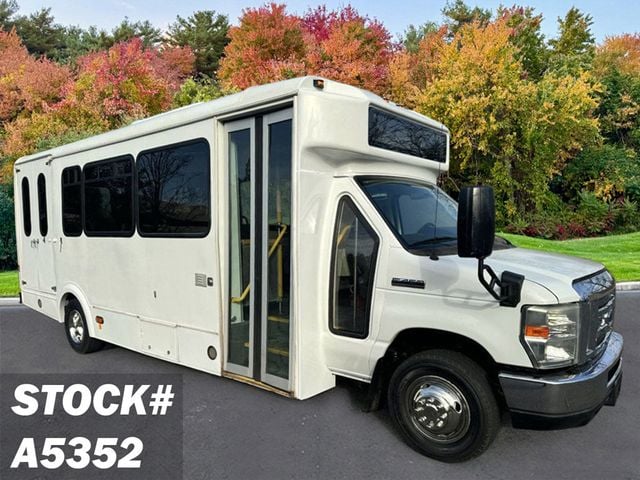
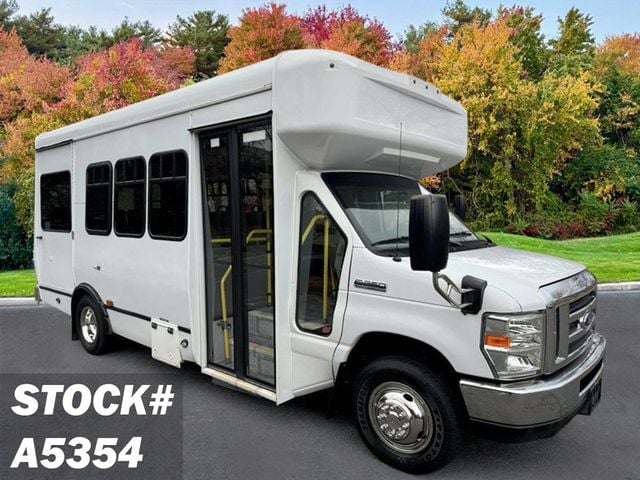
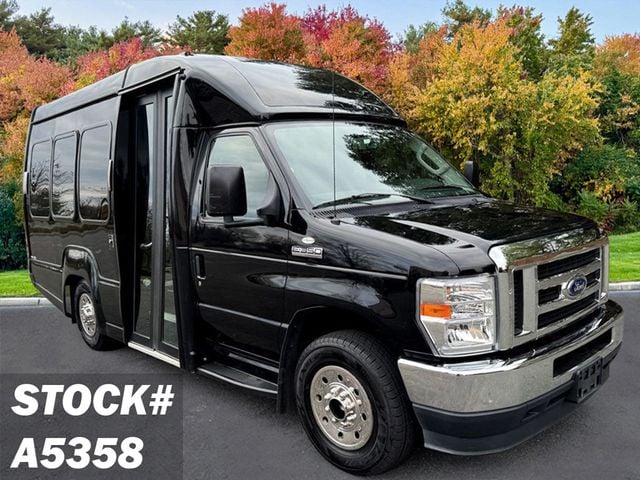
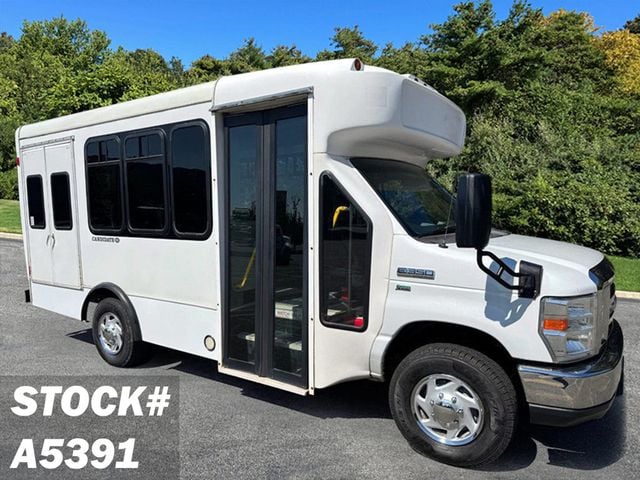
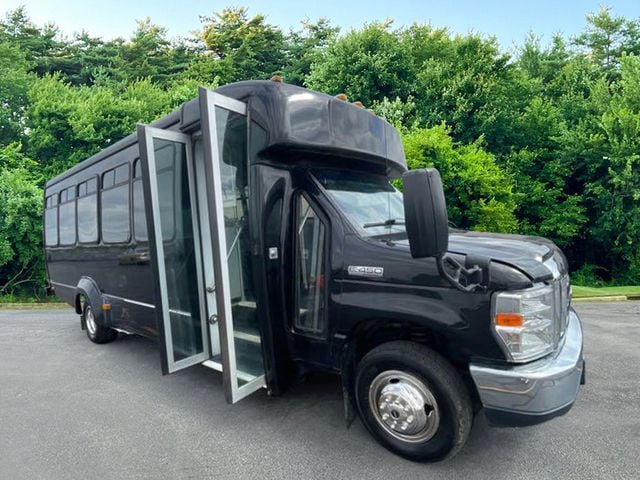
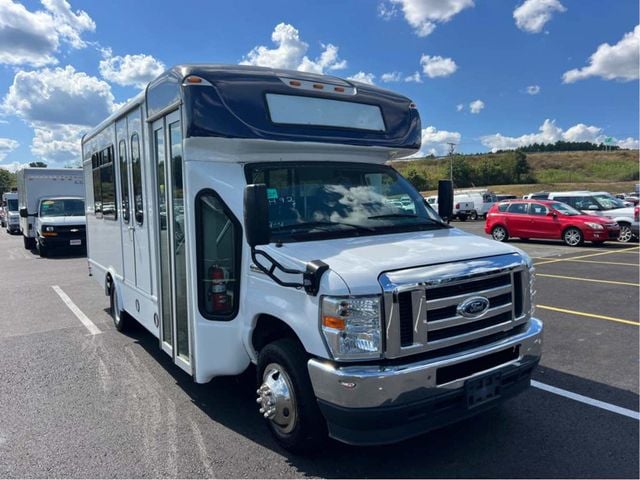
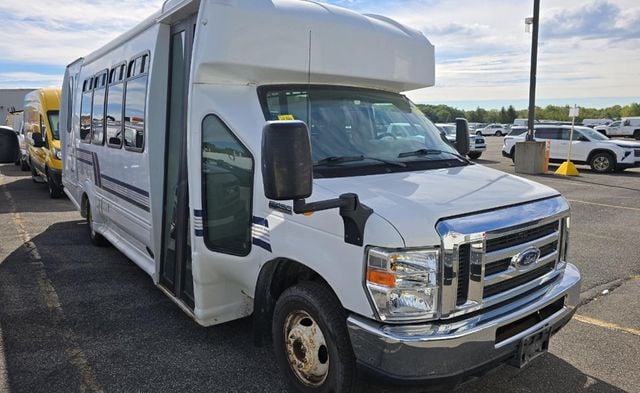
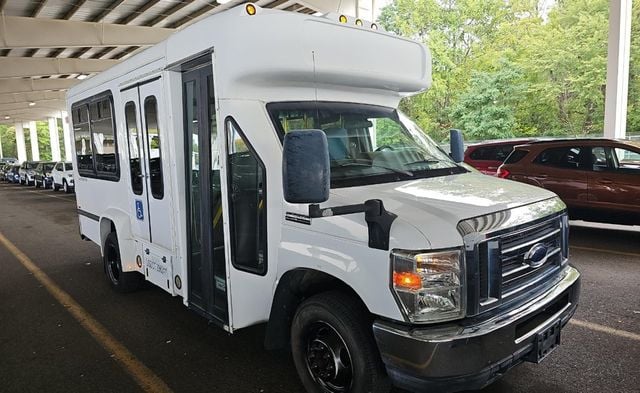
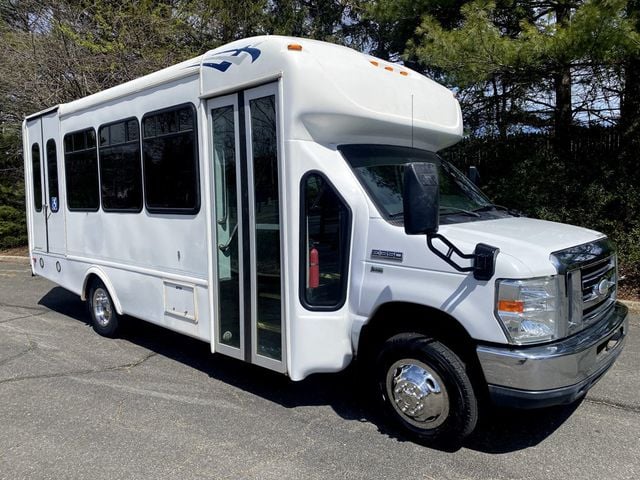
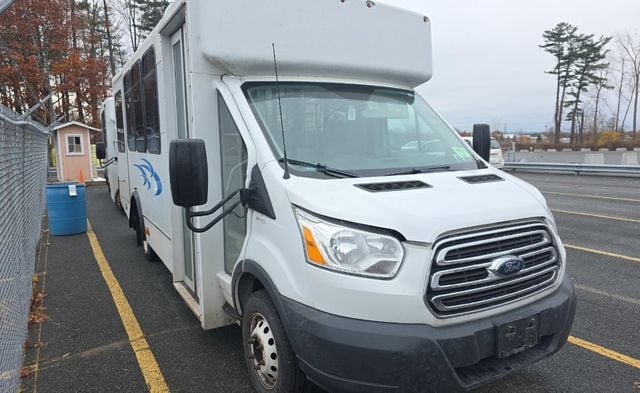
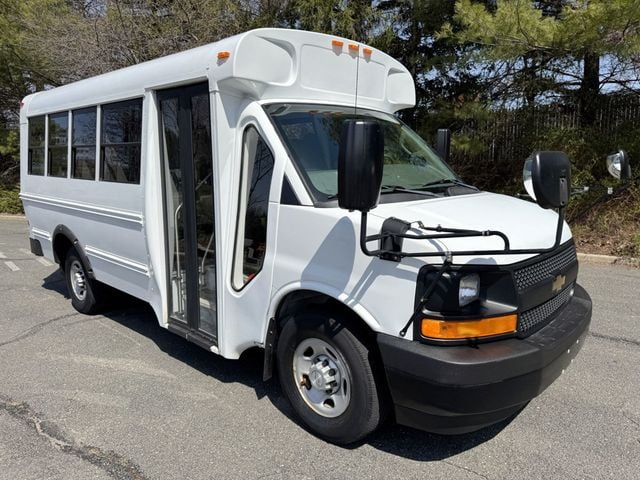
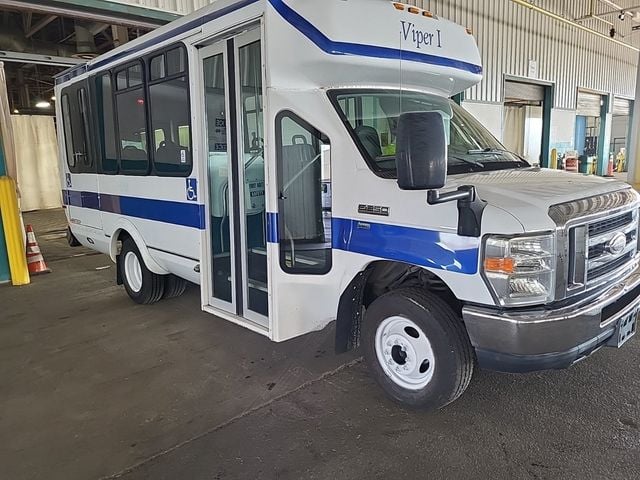
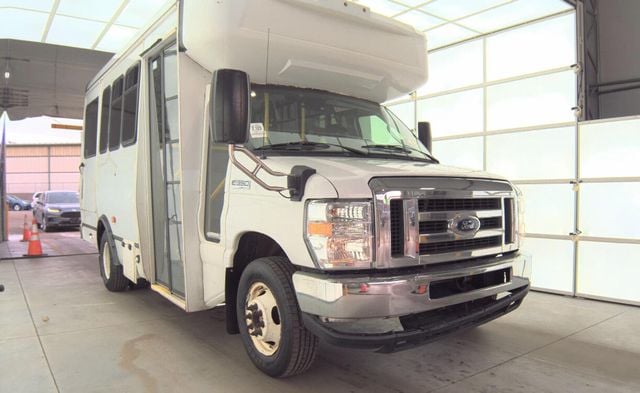
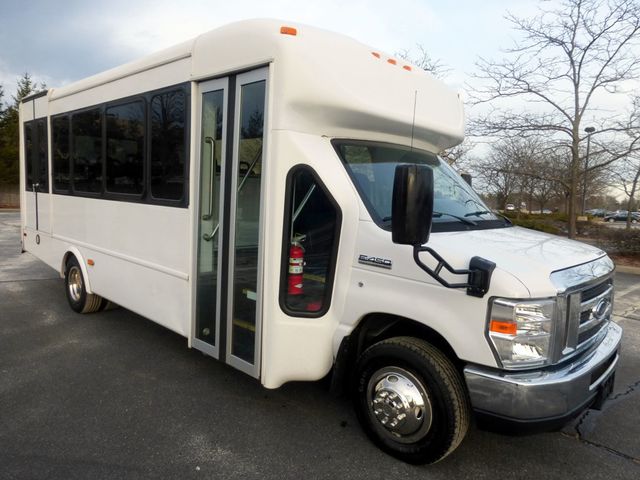
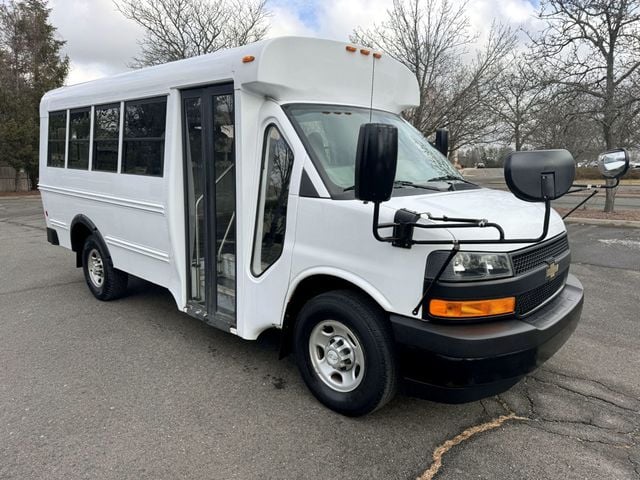

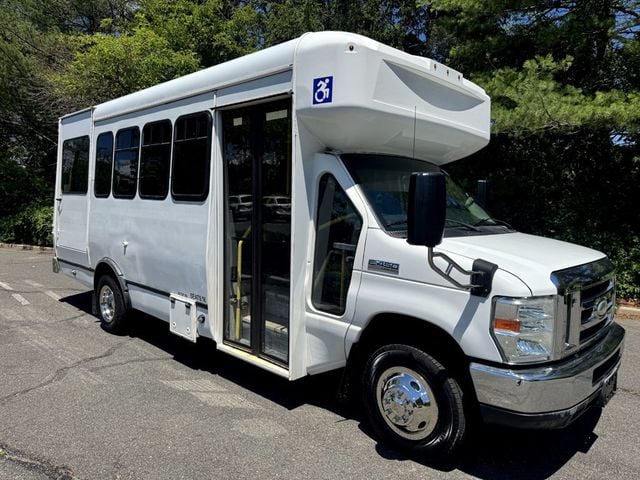
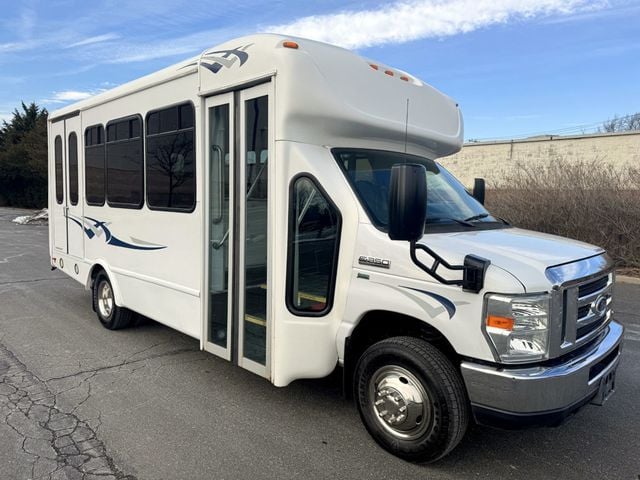
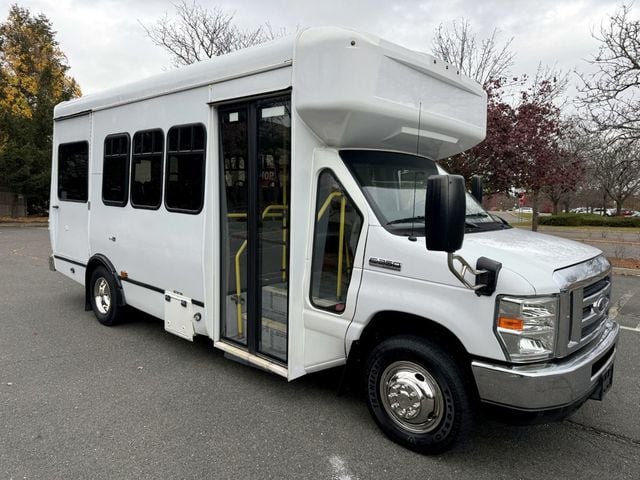
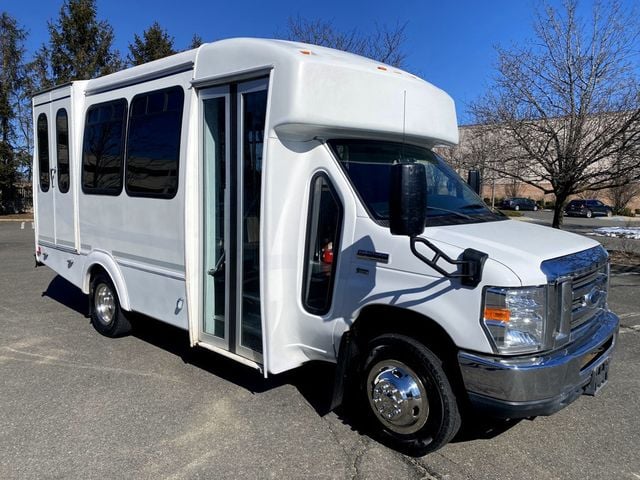
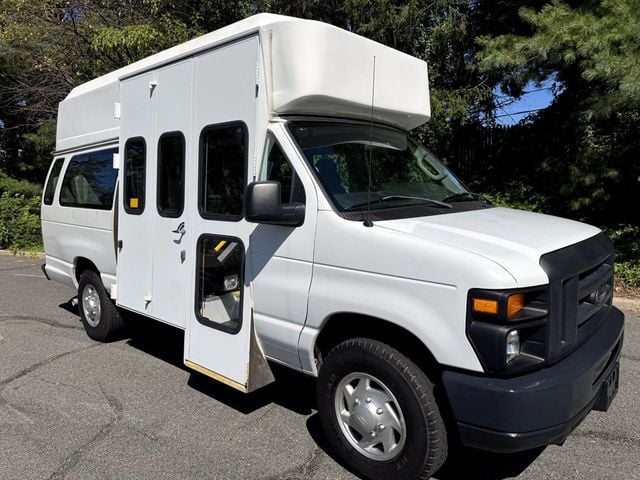

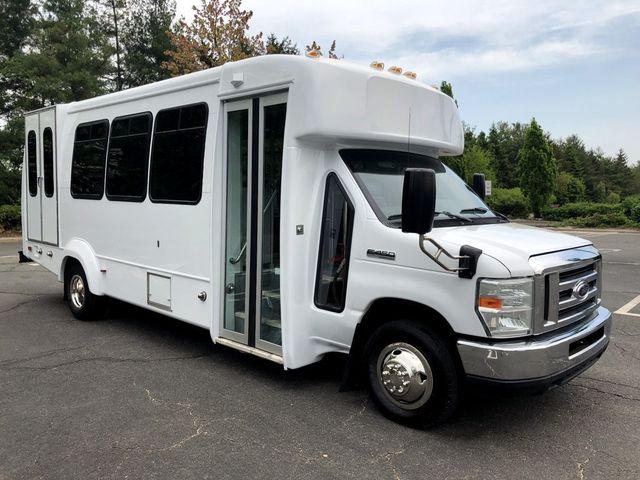
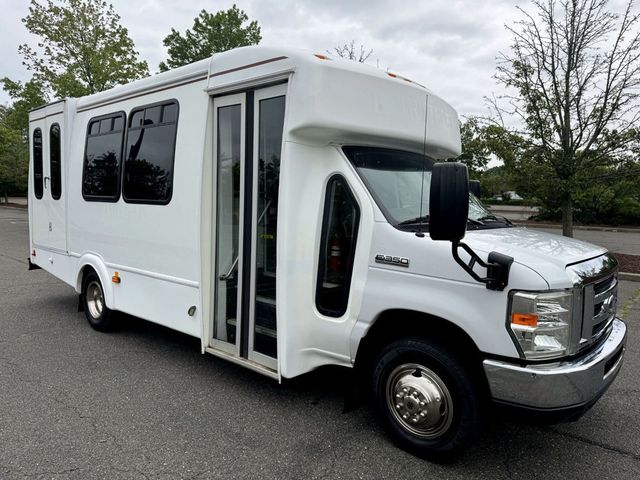
A wheelchair-accessible shuttle bus for sale can help a transportation program serve more riders without forcing every passenger into the same travel setup. The right vehicle should work as a complete system. The lift, doorway, floor plan, securement equipment, seating, driver area, and service history all need to support the job. A smart purchase starts by studying how passengers will use the bus, not just how the vehicle looks. This approach can help your team choose a vehicle that feels practical, comfortable, and useful during regular service.
Build the Vehicle Around the Service
Start with the service plan. List the number of trips, pickup locations, average riders, wheelchair users, trip length, and busiest periods. This information can reveal the type of shuttle your program really needs.
A vehicle for scheduled community transportation may need a different setup from one serving hotel guests, airport passengers, medical appointments, or campus routes. The goal is to match the vehicle to real demand. This can prevent a fleet from buying too much capacity or too little usable space. It also gives buyers a simple way to compare several vehicle options.
Study the Lift in Real Operating Conditions
Test a wheelchair lift as part of the complete boarding process. Review its platform dimensions, rated capacity, controls, handrails, safety interlocks, deployment area, and entry position.
Also consider the ground space needed beside the vehicle. A lift may work well in an open parking area but face challenges at narrow curbs or crowded pickup points. The operator should have enough room to deploy the platform without creating an unsafe path for nearby passengers or traffic.
This practical check can reveal issues that a simple specification sheet may not show. It can also help staff understand how the equipment will work during regular passenger service.
The Floor Plan Can Make or Break Accessibility
The lift only solves the entry part of the process. The passenger still needs a clear path into the cabin.
Look at the distance between the doorway and wheelchair securement locations. Check turning space, aisle width, seat placement, handrails, and nearby obstacles. A good floor plan allows a mobility device to move into position without forcing staff to shift seats or block other riders.
The interior should also support easy access for passengers who use walkers, canes, or other mobility aids. Simple movement inside the cabin can make boarding less stressful for riders and staff.
Count Wheelchair Spaces, Not Just Seats
A published passenger capacity can hide an important detail. Wheelchair positions may reduce the number of available seats, depending on the interior arrangement.
Ask how many mobility devices the configuration can carry at the same time. Review the securement points, restraint equipment, clear floor area, and space beside each position.
A program with steady wheelchair demand may gain more from flexible seating and usable floor area than from the highest possible seat count. This helps the vehicle serve its real passenger mix instead of focusing only on a number printed in the specifications.
Test the Securement Workflow
Securement should be simple enough for trained staff to perform correctly and consistently. Review the location of tie-down points, passenger restraint areas, access around each position, and the space available for staff assistance.
The process should not require staff to reach across other riders or stand in an awkward position. A clean setup can make boarding more organized and reduce unnecessary movement inside the cabin. It also gives staff a clear process to follow during busy pickup periods.
Check the Vehicle’s Service Life
A used handicap accessible shuttle needs a deeper review than a visual walk-around. Inspect the lift and its mounting points, along with the engine, transmission, brakes, suspension, tires, doors, electrical components, climate system, and flooring.
Service records can show past repairs and routine care. Ask about lift maintenance and general vehicle work. A qualified inspection can help identify worn parts before you decide to buy. This step can give buyers a clearer idea of the vehicle’s present condition and future service needs.
Think About the Driver’s View
Passenger access and driver operation are connected. The driver needs a clear view of the passenger door, mirrors, surrounding traffic, and loading area.
Sit in the driver’s position and inspect the sight lines. Check the placement of controls and mirrors. Review the path passengers use during boarding. A practical setup can make repeated stops easier to manage and help the driver monitor the boarding area.
Choose a Bus That Can Do More Than One Job
A versatile configuration can help a transportation program handle different passenger groups. Flexible seating may allow the same vehicle to support standard riders, wheelchair users, caregivers, and mixed groups.
This can be useful for organizations with changing schedules. A bus that works across several service types may give the fleet more options without requiring a separate vehicle for every passenger need. It can also make fleet planning easier as passenger requirements change.
Ending Thoughts:
Our team at Major Vehicle Exchange, helps buyers assess accessible shuttle options through the lens of real transportation needs. We review lift setup, floor plan, wheelchair capacity, securement areas, passenger flow, driver visibility, service history, and overall vehicle condition. If you are searching for a used bus for sale, our team can help you compare suitable options for your program and intended use.
Ready to choose an accessible shuttle that fits your operation? Contact Major Vehicle Exchange, led by Charlie, to discuss your passenger needs and explore available vehicle options.
FAQs:
1. What should I check before buying a shuttle bus with a lift?
Review lift capacity, platform size, wheelchair spaces, securement equipment, floor layout, vehicle condition, service records, and driver visibility before purchasing.
2. How many wheelchair users can an accessible shuttle carry?
Capacity depends on the interior configuration. Check designated wheelchair positions, securement points, available floor space, and seating arrangement for your program.
3. Why is the shuttle bus floor plan important?
A practical floor plan provides clear movement from the lift to securement areas while maintaining useful seating and access for other passengers.
4. Should I inspect a used shuttle bus before purchasing?
Yes. Review the lift, engine, brakes, tires, suspension, doors, electrical systems, climate controls, flooring, mounting points, and available maintenance records.
5. How can I choose an accessible shuttle for my program?
Compare passenger needs, route demands, wheelchair capacity, lift design, seating, securement areas, driver visibility, and vehicle condition with your daily service requirements.
Comments are closed.