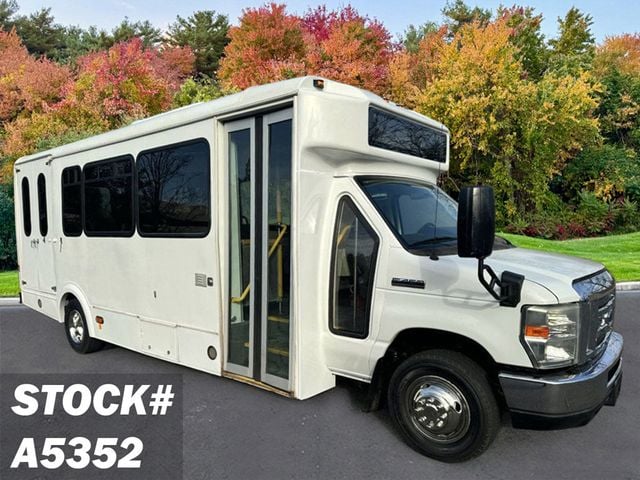
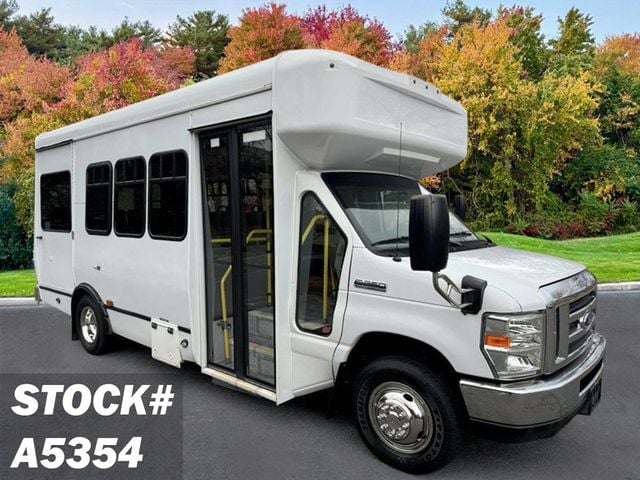
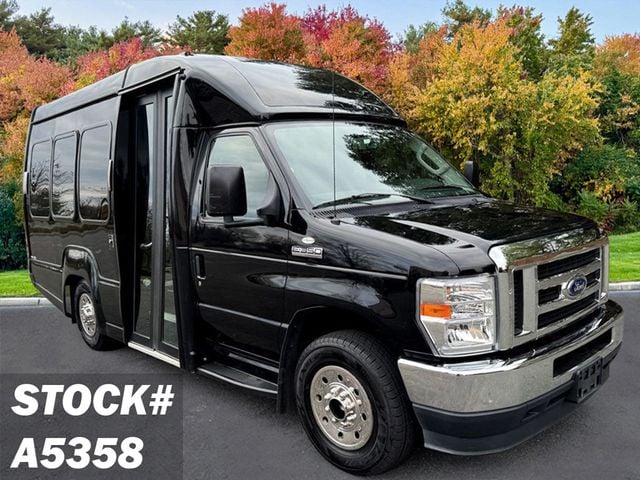
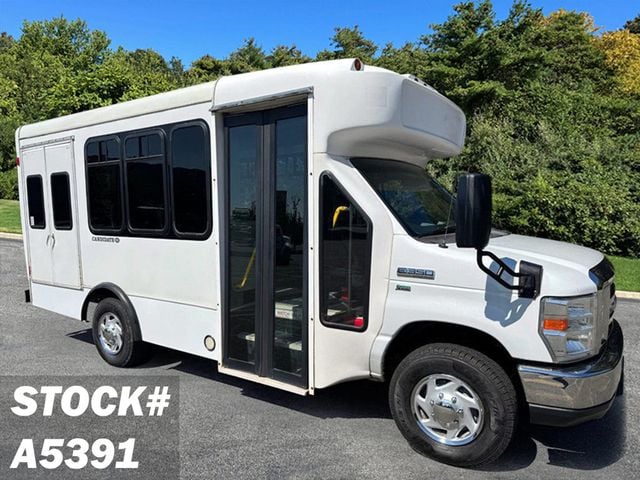
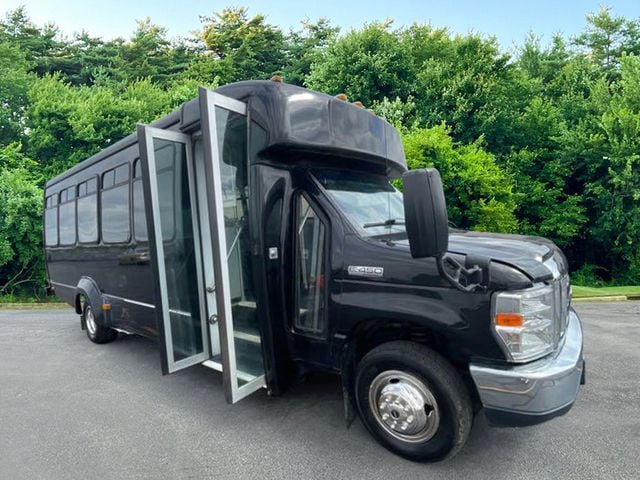
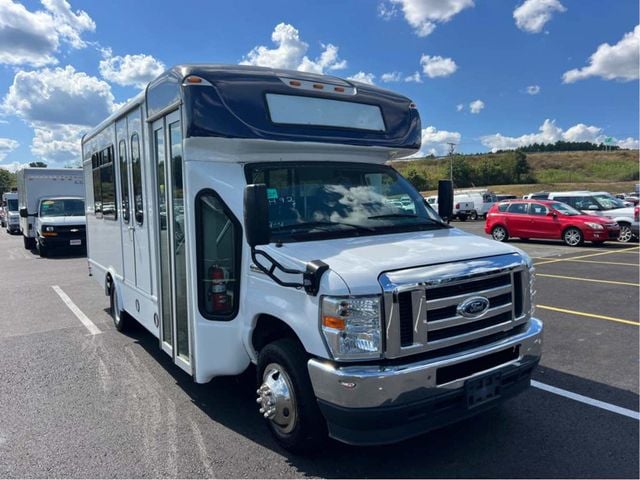
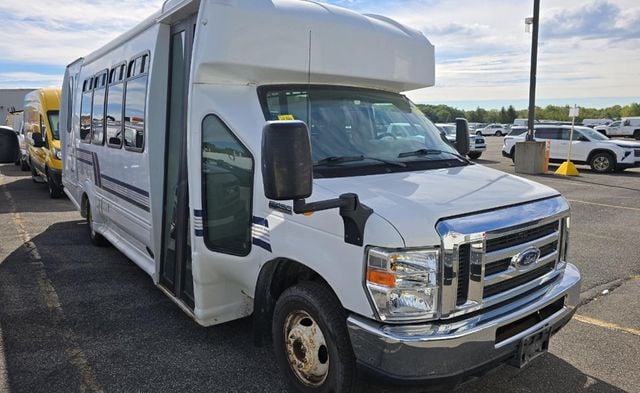
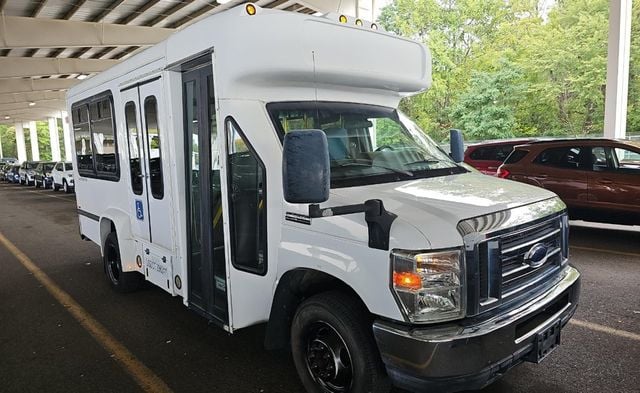
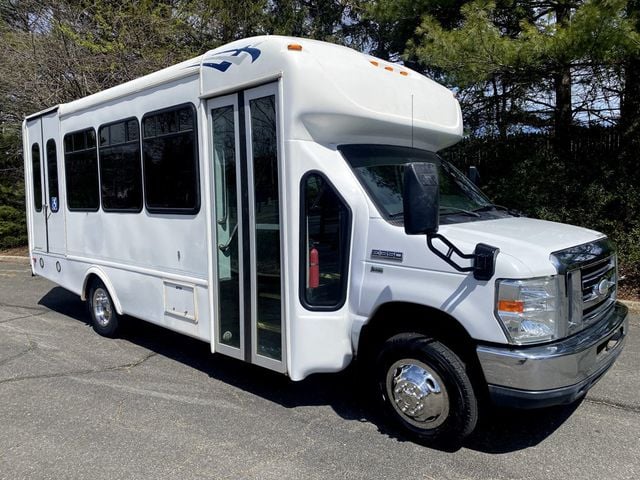
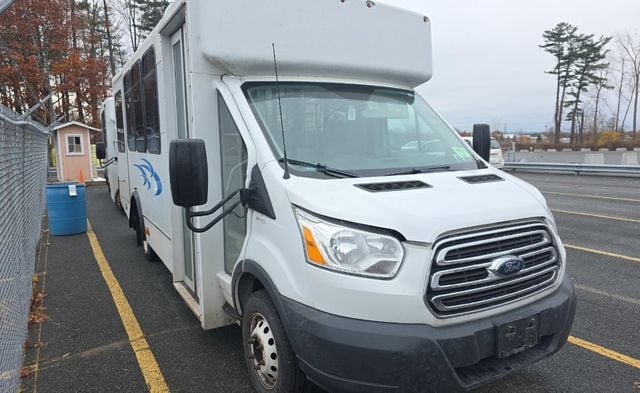
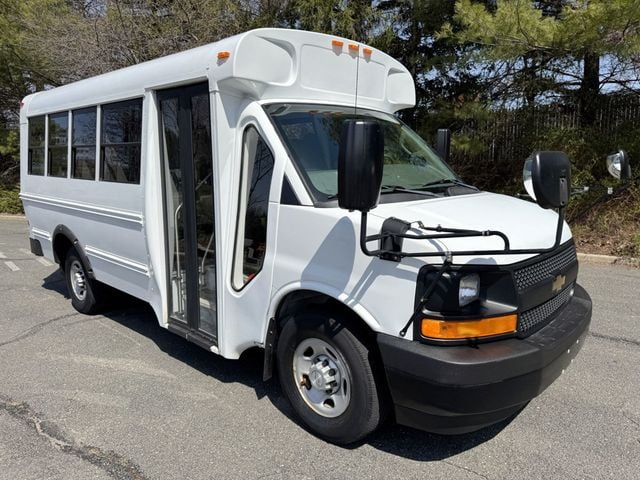
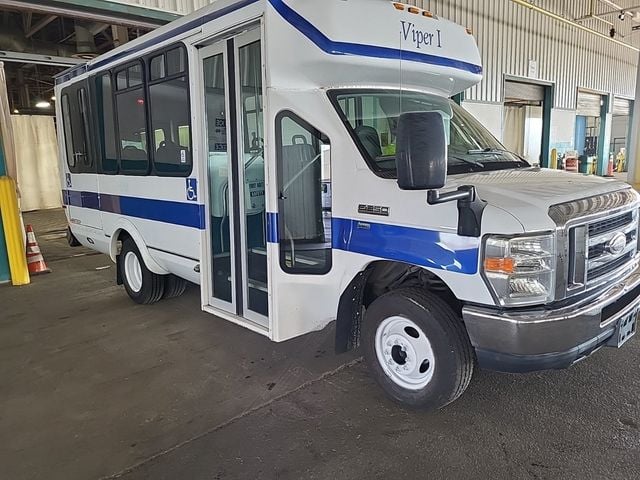
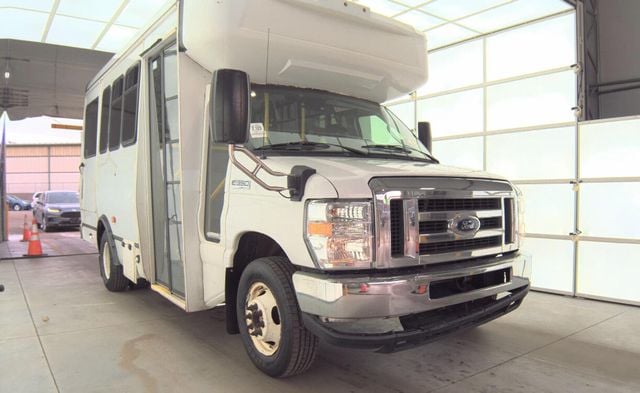
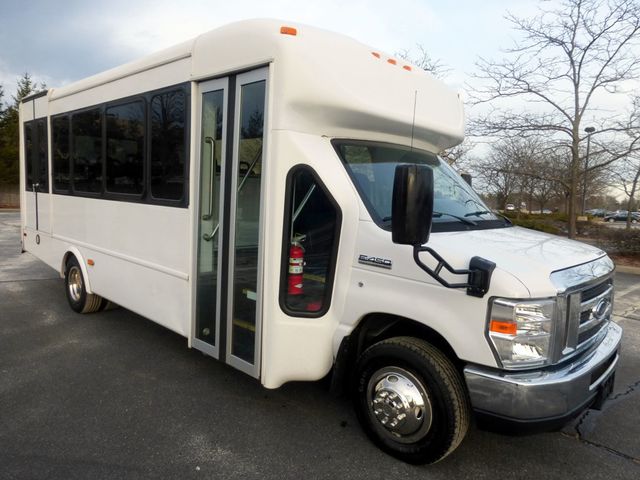
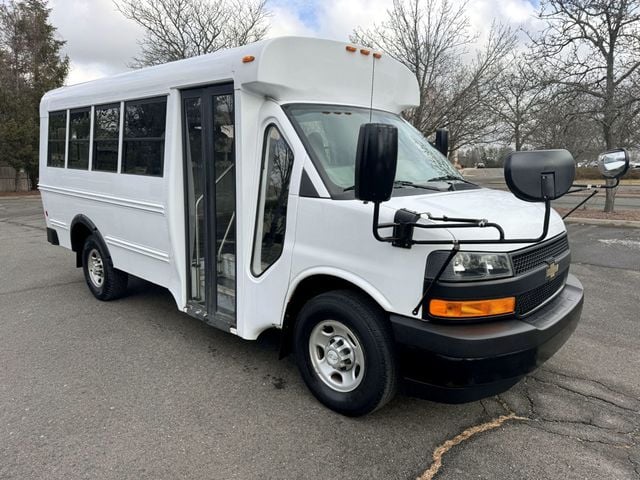
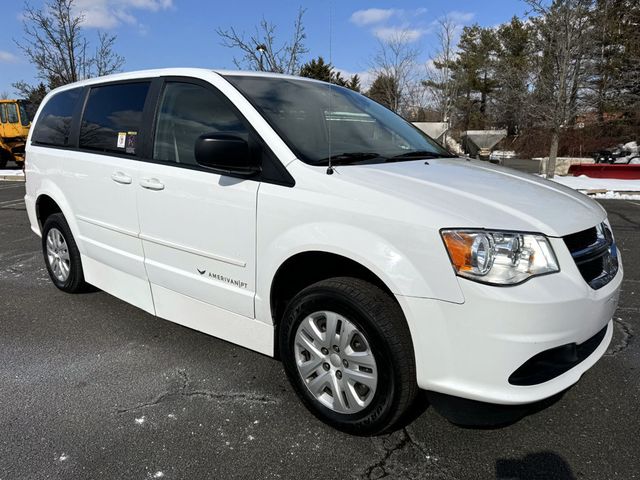
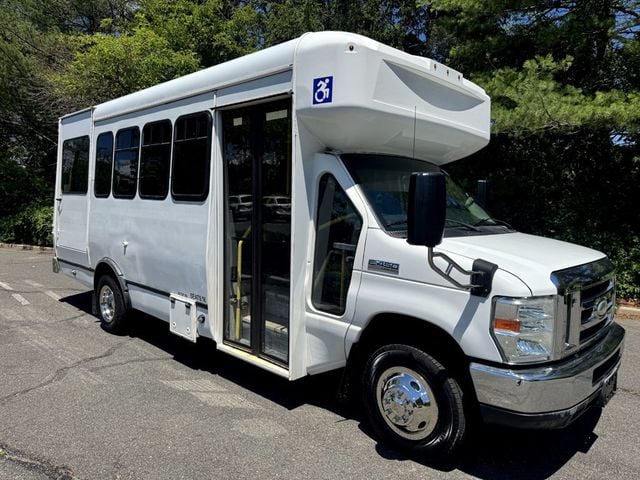
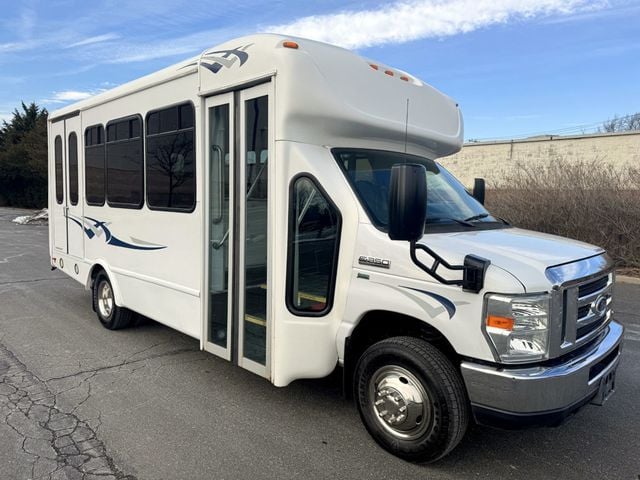
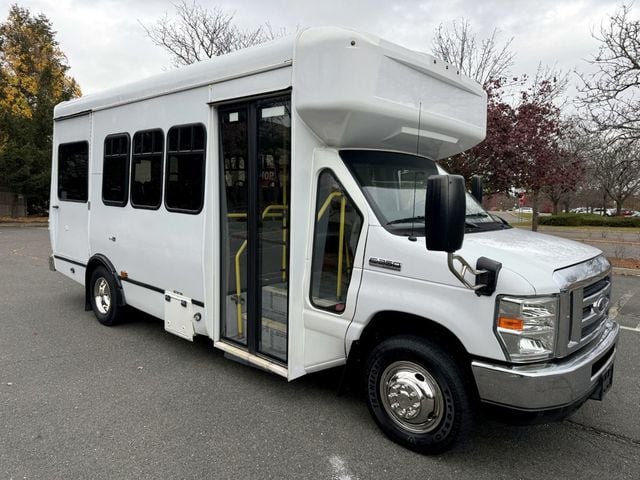
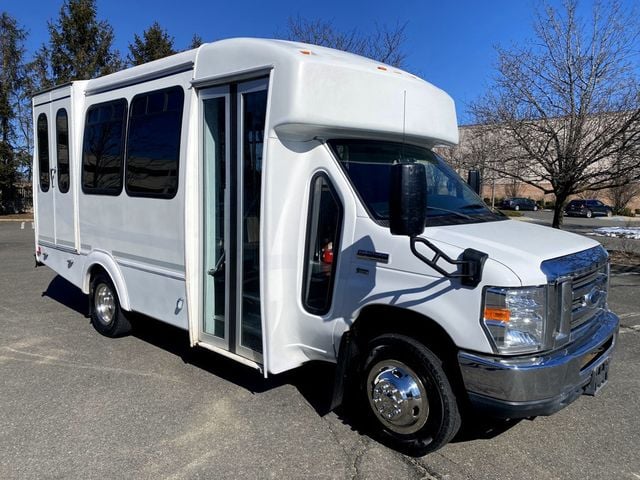
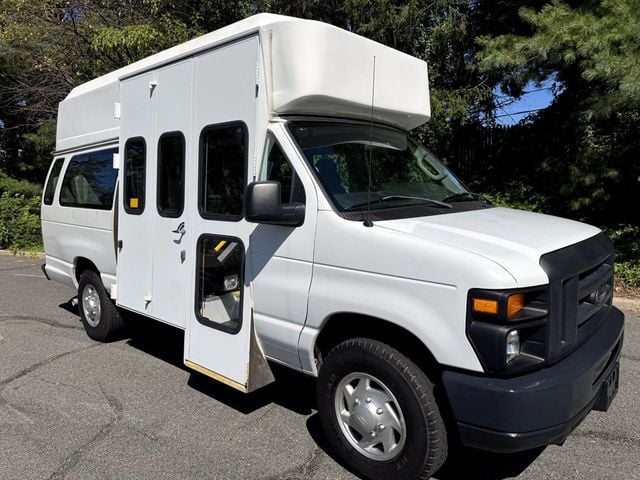

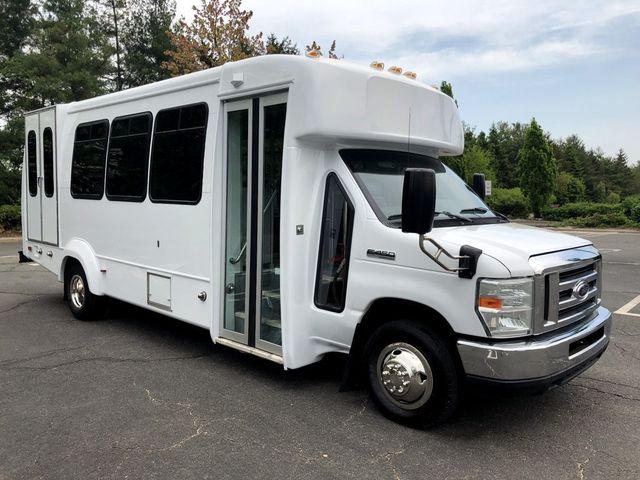
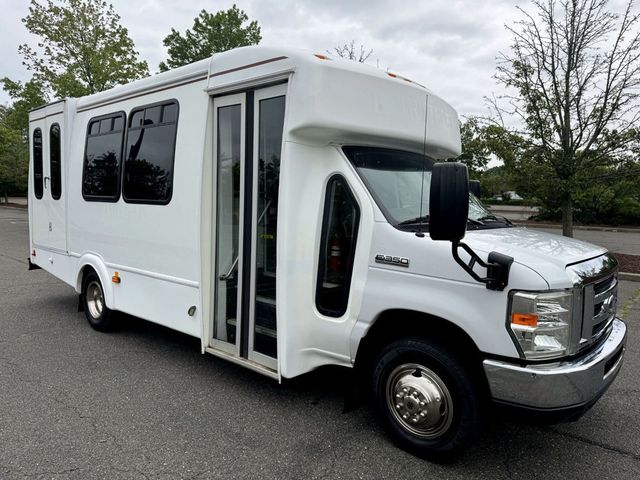
Choose a paratransit bus for sale based on the trips your program actually provides. A vehicle can have many features, but more equipment does not always mean a better purchase. Smart buying starts with a simple question: What does your transportation program need every day? Passenger mix, boarding method, seating layout, wheelchair capacity, route size, driver needs, and service history can help you choose useful equipment without filling the vehicle with features that add little value. A clear plan also makes it easier to compare vehicles and focus on the details that affect daily passenger service.
Turn Daily Trips Into a Buying Checklist
Before reviewing vehicles, write down what happens during a normal service day. Count the usual riders. Note wheelchair users, walkers, caregivers, luggage, pickup points, trip length, and peak periods.
This creates a practical buying checklist. It also gives your team a way to compare different vehicles without getting distracted by long equipment lists.
For example, a program with two wheelchair users per trip may need a different floor plan from a service that regularly carries several mobility devices. Your actual passenger mix should guide the purchase. A simple record of daily trips can show what your vehicle must handle most often.
Spend First on the Features That Affect Access
Accessibility equipment should solve a real passenger need. A lift or ramp, wheelchair securement system, passenger restraints, handrails, and clear entry space can all play important roles.
Review each feature based on its daily use. Check lift platform dimensions, rated capacity, operating controls, entry location, and space around the loading area. For a ramp, examine its width, slope, storage position, and ease of deployment.
The goal is simple: select equipment that supports safe and practical passenger boarding. This also helps your staff use the vehicle with less confusion during regular service.
Use Floor Space as Your Hidden Budget
Floor space has value. Adding more seats may reduce room for wheelchairs, walkers, caregivers, or passenger movement.
Study the cabin as if you were a rider. Can a wheelchair reach its securement position without difficult turns? Can another passenger pass through the aisle? Can staff assist without standing in a cramped area?
A flexible floor plan may be more useful than a higher seat count. The right balance depends on the people your program serves most often. Good use of floor space can also make boarding and exiting easier for everyone.
Buy Capacity for Peak Demand, Not Fantasy Demand
Some buyers choose a large vehicle because they expect every seat to be filled. That may not reflect normal service.
Review your actual passenger records. Identify the busiest regular trips and occasional high demand periods. Then select capacity around those needs.
An oversized vehicle can create practical problems too. It may need more parking space and can be harder to maneuver in tight pickup areas. A properly sized vehicle can be easier to operate while still meeting passenger demand. The aim is to have enough room without paying for capacity that rarely serves a purpose.
Give Every Feature a Job
A simple test can prevent unnecessary spending. Ask three questions about each feature:
Who will use it?
How often will it be used?
What problem will it solve?
A feature with clear answers to all three questions may deserve a place in the purchase. An item with little connection to your daily operation may not be worth prioritizing.
This approach keeps the buying process focused on function rather than a long list of specifications. It can also help your team explain why certain equipment is needed.
Check Access From Curb to Seat
Accessibility does not end at the vehicle entrance. Look at the full passenger path from the pickup point to the final seating or securement position.
Review the doorway, steps or lift, aisle, handrails, wheelchair area, and restraint locations. A rider should have a clear path through the cabin.
For programs serving different mobility needs, this complete view can reveal layout problems that checking the lift alone may miss. Small details in the cabin can have a large effect on passenger comfort and staff assistance.
Treat Used Condition as Part of the Price
A vehicle with the right features may still need careful review if it has previous service history.
Inspect the engine, transmission, brakes, tires, suspension, doors, flooring, electrical systems, climate equipment, lift or ramp, and securement hardware. Ask for available maintenance records. Look for signs of repeated heavy use or poorly completed repairs.
A professional inspection can help identify repair needs before a final purchase decision. This gives buyers a better understanding of the vehicle’s real value and helps them plan for future service needs.
Build a Vehicle That Can Adapt
Passenger needs can vary from one trip to another. Flexible seating, removable seats, practical storage, and well-placed securement areas can make a vehicle useful across different schedules.
A flexible configuration may allow the same bus to carry seated passengers during one trip and a mixed passenger group during another. This can make the vehicle more useful without paying for equipment that has no clear role.
Adaptable interior space can also help a transportation program respond to changes in passenger demand without replacing the vehicle too soon.
Closing Thoughts:
Our team at Major Vehicle Exchange, helps buyers compare transportation vehicles based on real service needs rather than unnecessary equipment. We can review accessibility systems, wheelchair capacity, floor plans, passenger requirements, route demands, maintenance history, and overall vehicle condition with your program in mind. If you are comparing paratransit vans for sale, our team can help you identify practical options that fit the work you need the vehicle to perform.
Ready to choose a paratransit vehicle without paying for features you do not need? Contact Major Vehicle Exchange, led by Charlie, to discuss your passenger requirements and explore suitable options.
FAQs:
1. How can I avoid paying for unnecessary paratransit bus features?
List your daily passenger needs first. Compare each feature by its purpose, frequency of use, and value to your transportation program.
2. What accessibility features should a paratransit vehicle have?
Your vehicle may need a lift or ramp, wheelchair securement areas, passenger restraints, handrails, clear entry space, and suitable interior clearance.
3. Why is floor space important in a paratransit bus?
Usable floor space supports wheelchair movement, passenger assistance, aisle access, flexible seating, and comfortable boarding without creating unnecessary cabin crowding.
4. Should I choose the largest paratransit vehicle available?
Not always. Select capacity based on regular passenger demand, route conditions, parking areas, mobility needs, and expected peak service periods.
5. What should I inspect before buying a used paratransit vehicle?
Review the engine, brakes, tires, suspension, doors, electrical systems, climate equipment, lift or ramp, securement hardware, and available maintenance records.
Comments are closed.