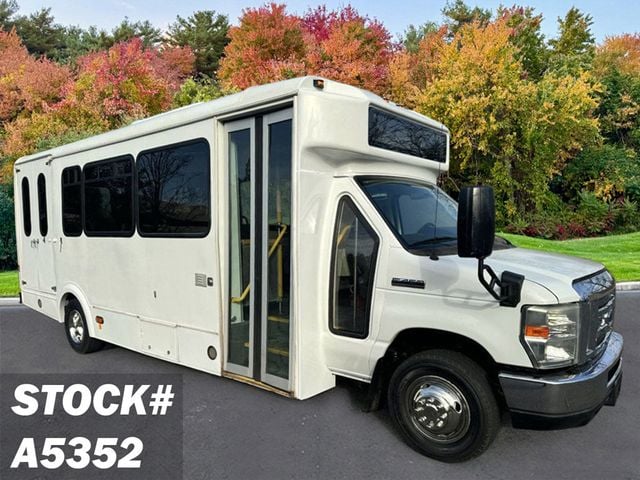
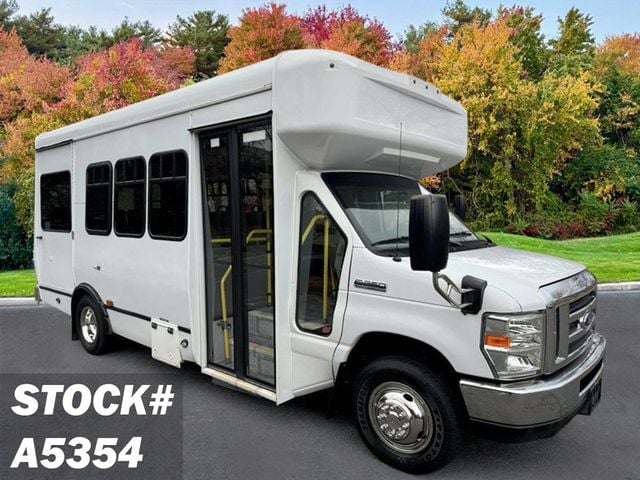
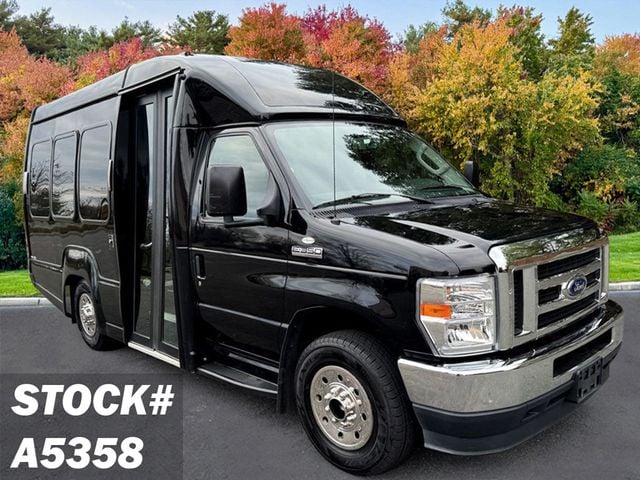
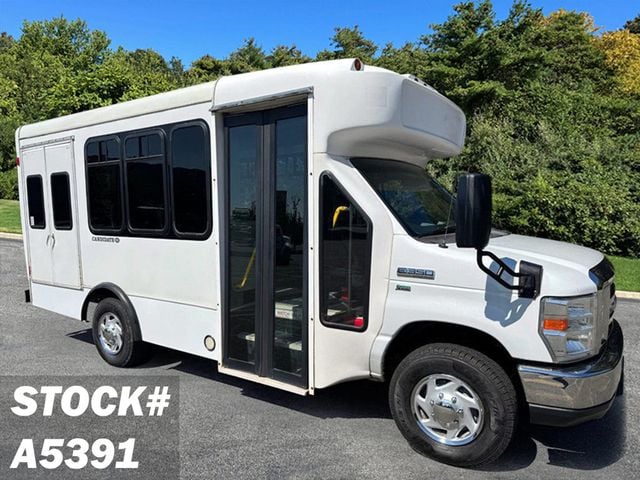
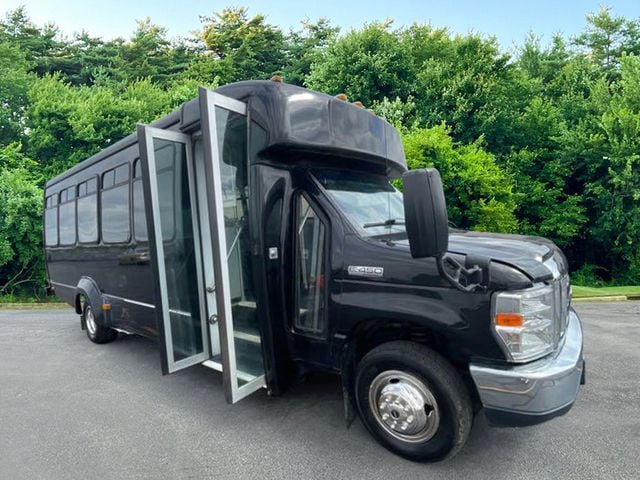
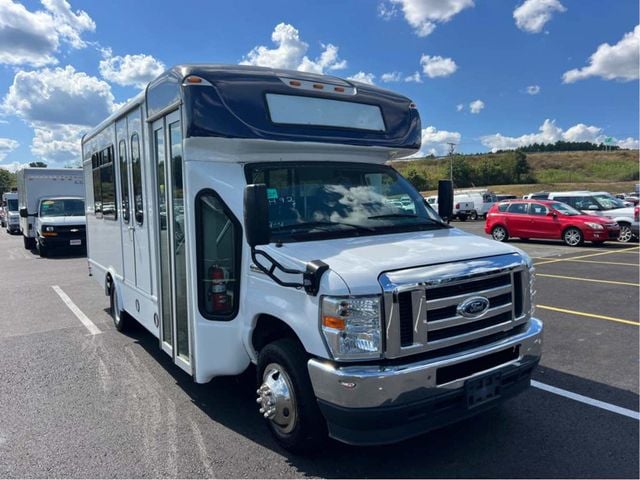
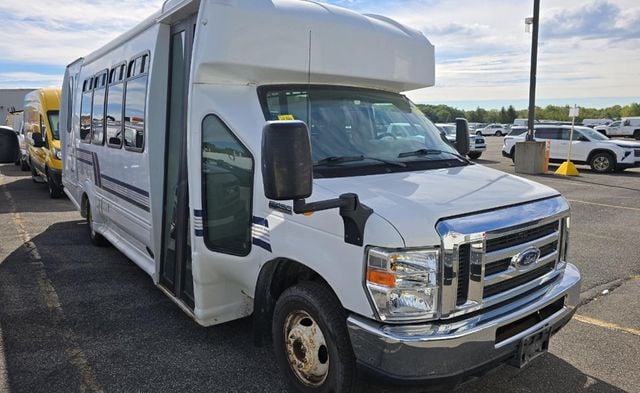
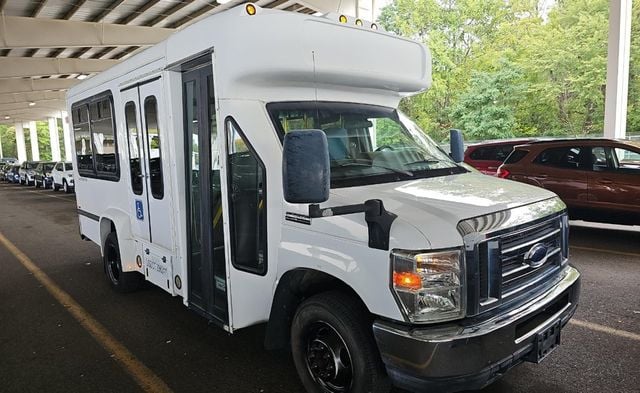
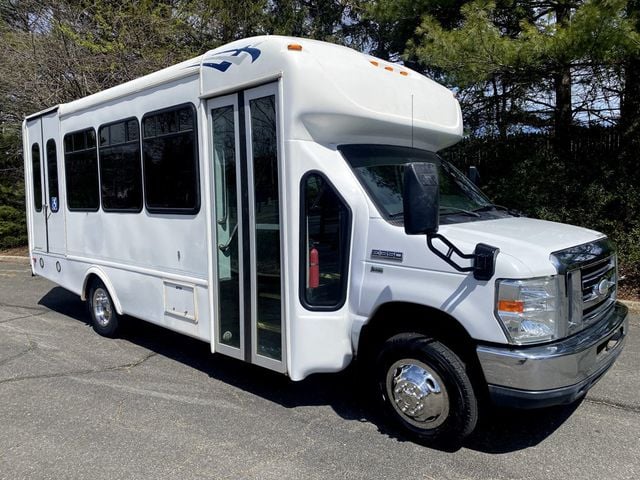
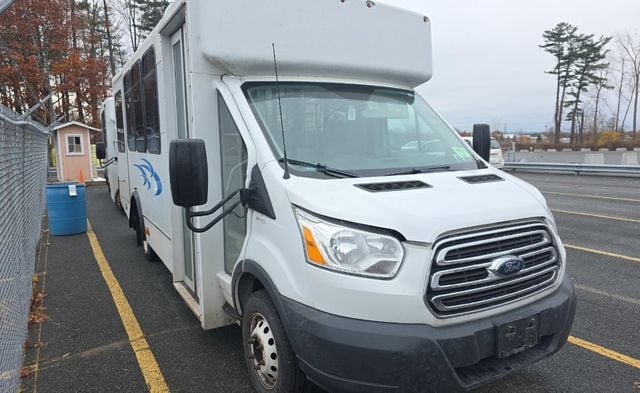
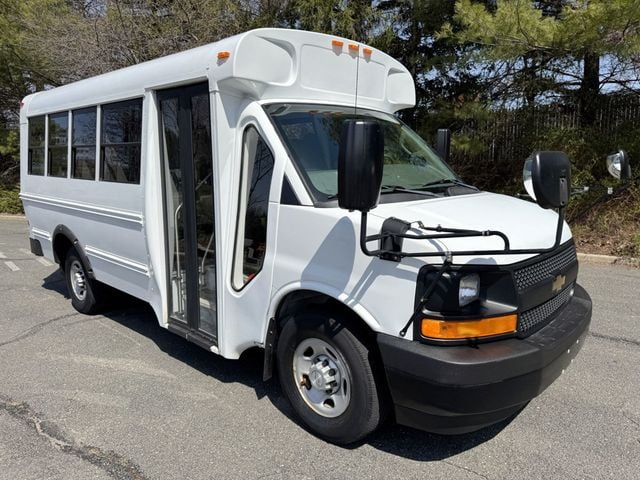
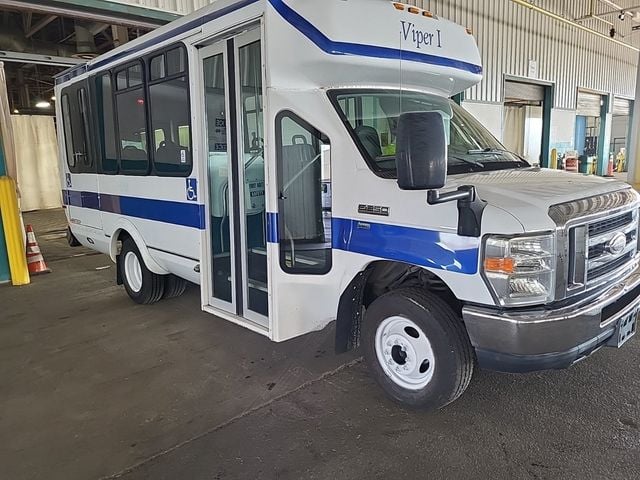
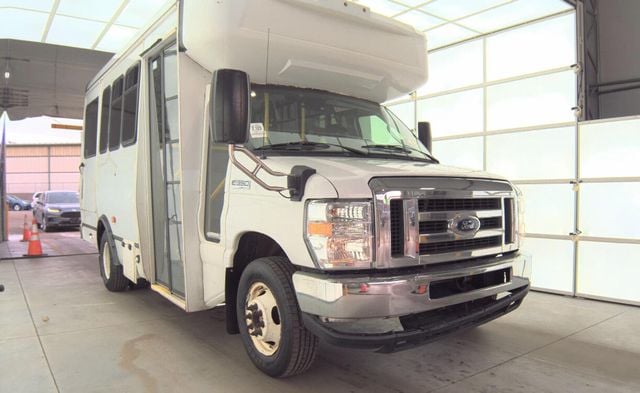
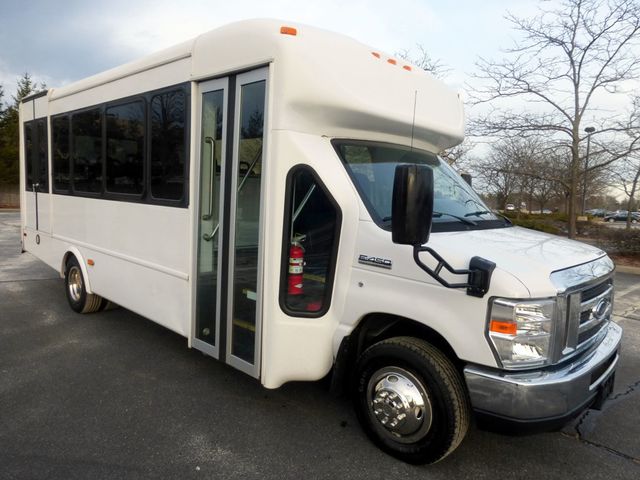
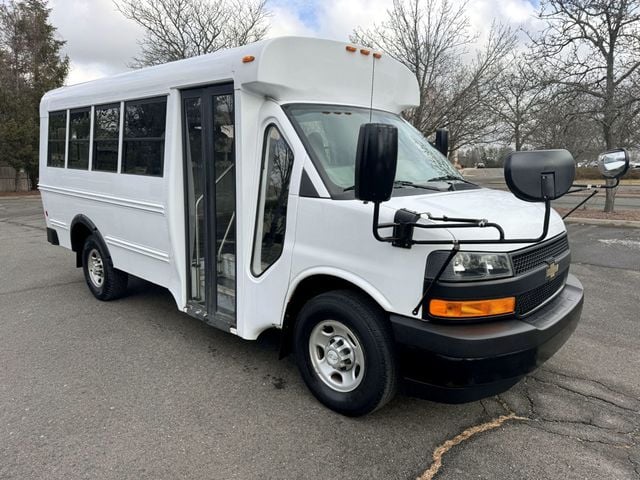

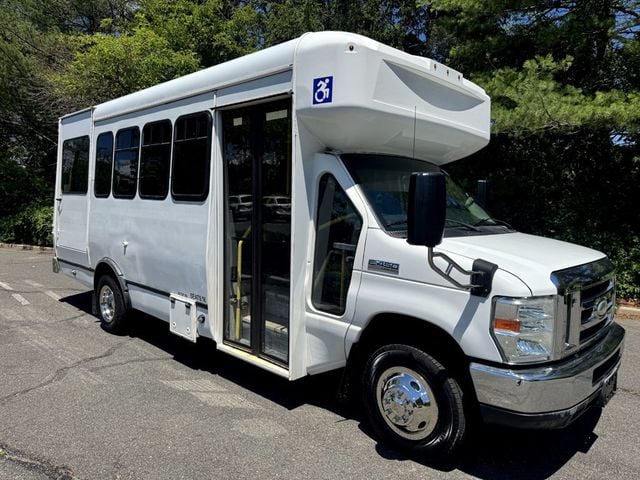
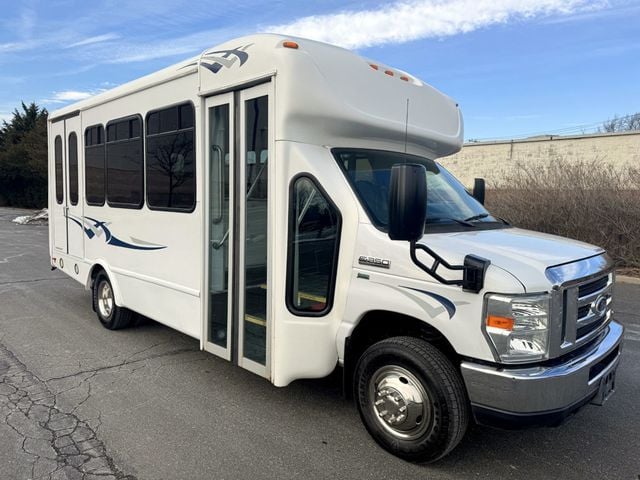
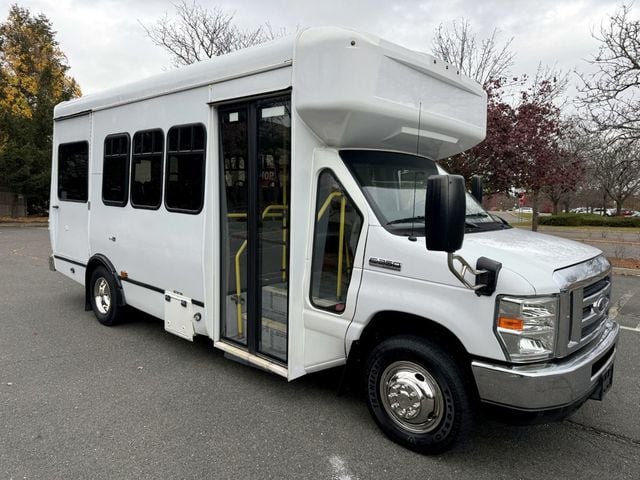
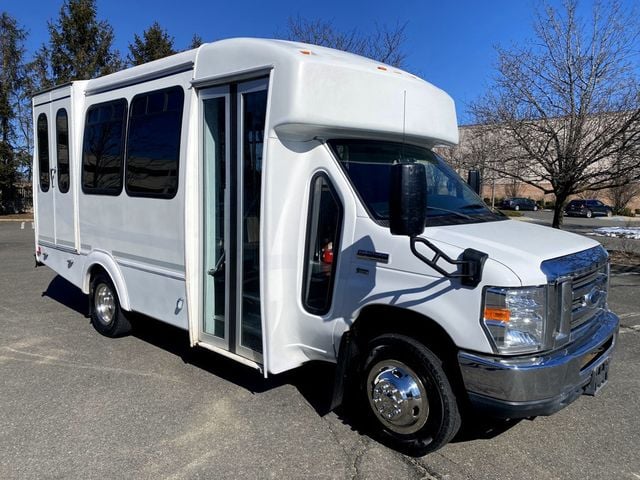
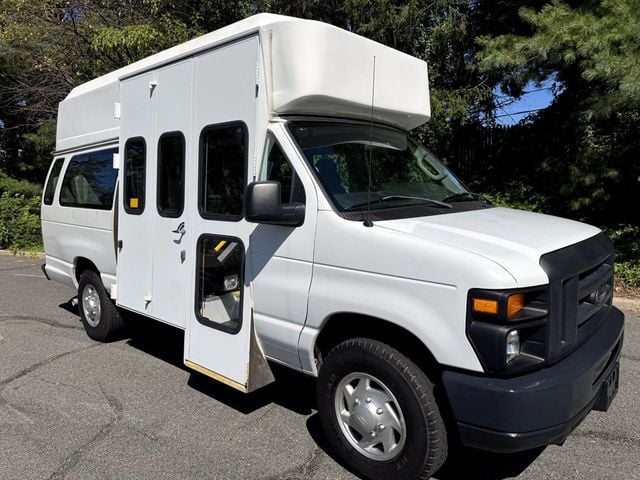

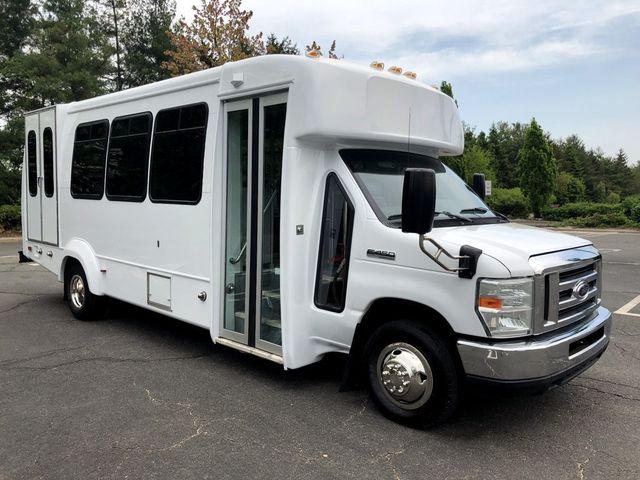
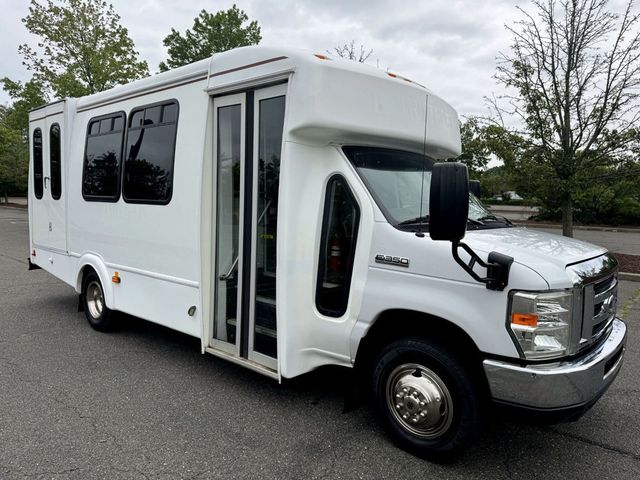
A search for used buses for sale becomes much easier once you stop treating seat count as the main buying point. A bus is a working passenger space. Its value comes from how well people can enter, sit, move, store belongings, and leave. For fleet buyers, the better question is not, “How many seats does it have?” It is, “How well does this layout support our actual trips?” That shift can lead to a more useful purchase and fewer compromises after the vehicle enters service. A careful review also helps buyers understand which parts of the cabin matter most for daily passenger use.
Turn Passenger Behavior Into a Vehicle Specification
Start with passenger behavior instead of a sales sheet. Track the average group size, busiest trips, luggage volume, mobility needs, boarding time, and typical route length. These simple details can show what the bus must handle each day.
This information creates a practical specification for your search. A vehicle used for employee transportation may need strong seating capacity and simple boarding. A community shuttle may benefit from more open cabin space. A service carrying travelers may need room for bags. The right configuration comes from real passenger patterns.
Read the Cabin Like a Passenger
Walk through the vehicle before judging its capacity. Stand at the entrance and imagine boarding with a full group. Check how quickly people can reach their seats. Look for narrow points that could slow movement.
Pay attention to the distance between seat rows, aisle width, handrail placement, doorway clearance, and sight lines through the cabin. These details affect how the bus feels during a busy trip. A smart layout uses space for movement as well as seating.
Find the Seating Sweet Spot
Maximum seating is not always maximum usefulness. A tightly packed cabin can leave little room for bags, mobility aids, or passengers who need more space to move.
Compare several layouts rather than focusing on one seat number. Ask how many seats are needed on an average trip and how often the vehicle reaches peak capacity. A slightly lower seat count may create a better passenger experience if it provides easier movement and more useful open space.
Measure Space That Passengers Can Actually Use
Cabin dimensions can sound impressive on paper. The real test is usable space. Check the area beside seats, under storage sections, near the entrance, and along the aisle. Look for places where equipment, wheel wells, or fixed structures reduce usable floor area.
For accessible transportation, inspect wheelchair positions and clear paths carefully. A floor plan should allow mobility devices to reach their assigned areas without unnecessary turns or blocked access. This can make boarding easier for passengers and staff.
Let Your Route Decide the Bus Size
Route conditions can change the ideal vehicle choice. A bus serving large facilities may need more passenger capacity. A vehicle working on narrow streets may benefit from a more manageable footprint.
Review turning areas, parking spaces, pickup zones, road conditions, and trip frequency. Consider how drivers will position the vehicle at common stops. The best size provides enough passenger capacity while remaining practical for the places it will visit.
Do Not Let Storage Steal Passenger Space
Storage needs deserve their own review. Bags, mobility aids, supplies, and personal items can quickly crowd a cabin.
Look at dedicated storage areas first. Then check whether those spaces are easy to reach without blocking seats or aisles. A good arrangement keeps passenger pathways clear.
If luggage is common on your routes, sacrificing a small number of seats for useful storage may make more sense than filling every available row. This gives passengers more room and makes the cabin easier to manage.
Use Vehicle History to Judge the Layout
A well-designed cabin is only valuable if the vehicle is in suitable condition. Used buses need a close inspection of both mechanical and interior components.
Review the engine, transmission, brakes, suspension, tires, doors, windows, flooring, seats, electrical systems, climate controls, and accessibility equipment. Examine high-contact areas for excessive wear.
Service records can also provide useful clues. They may show regular maintenance, major repairs, component replacement, and previous service work. A professional inspection can help buyers make a more informed decision before purchase.
Compare Cost With Usable Capacity
View purchase cost alongside usable passenger capacity. Two buses can have similar prices but provide very different value because of their layouts and condition.
Calculate how the vehicle fits your regular service. Consider seating, storage, accessibility, maintenance needs, route suitability, and expected passenger demand.
This gives your team a clearer basis for comparing options than price or seat count alone. The right vehicle should provide useful space for the people and work it is meant to serve.
In Closing:
Our team at Major Vehicle Exchange, helps buyers review used passenger vehicles around real operating needs. We look at cabin layout, seating, open floor area, storage, accessibility, route demands, passenger flow, and vehicle condition so buyers can compare options with greater confidence. If you are searching for a shuttle bus for sale in Massachusetts, our team can help you assess available choices based on the work your fleet needs to handle.
Need help finding a used bus with the right balance of seats and usable space? Contact Major Vehicle Exchange, led by Charlie, to discuss your passenger requirements and available vehicle options.
FAQs:
1. How do I choose the right seat capacity for a used bus?
Review average passenger numbers, peak trips, route frequency, and luggage needs. Select enough seats for regular demand withoutovercrowding the cabin.
2. Why is usable floor space important in a passenger bus?
Usable floor space supports passenger movement, luggage, mobility devices, boarding, and accessibility. A practical layout can improve comfort without maximizing the seat count.
3. Should route conditions affect my used bus choice?
Yes. Review road width, parking areas, pickup points, turning space, and trip length. The vehicle should provide capacity while remaining practical for daily routes.
4. What should I inspect before buying a used bus?
Check mechanical systems, seats, flooring, doors, tires, brakes, suspension, electrical components, climate controls, accessibility equipment, and available maintenance records.
5. Is a higher passenger capacity always better?
No. A higher seat count may reduce usable floor space. Choose a configuration that balances passenger capacity, movement, storage, accessibility, and route requirements.
Comments are closed.