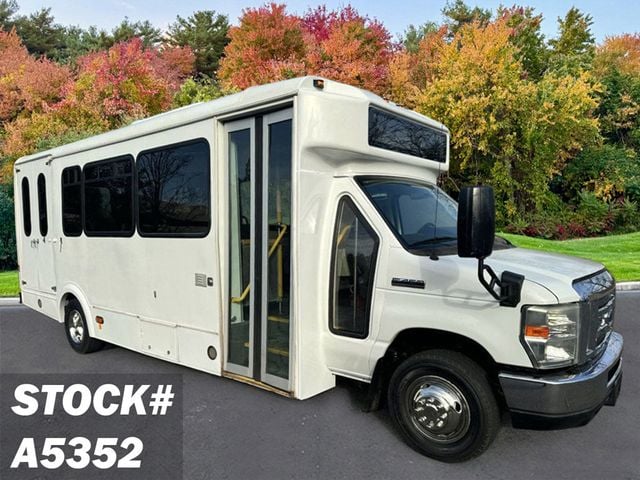
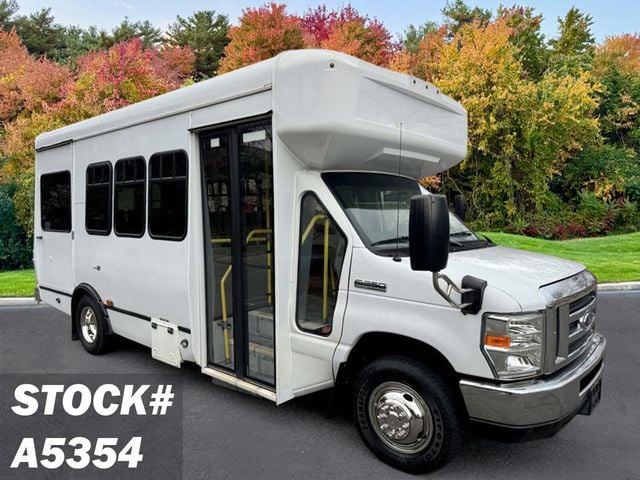
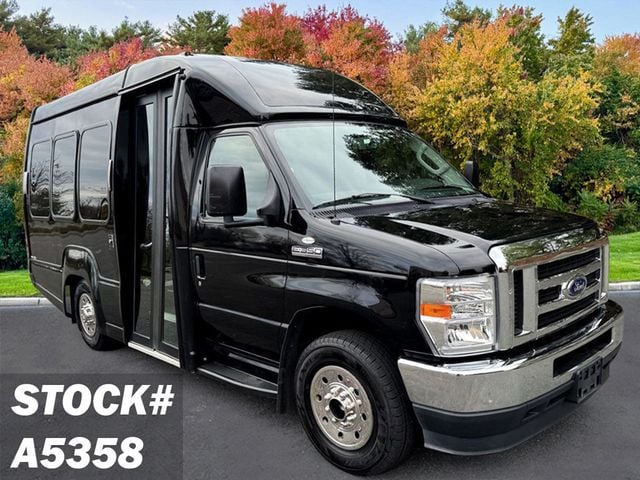
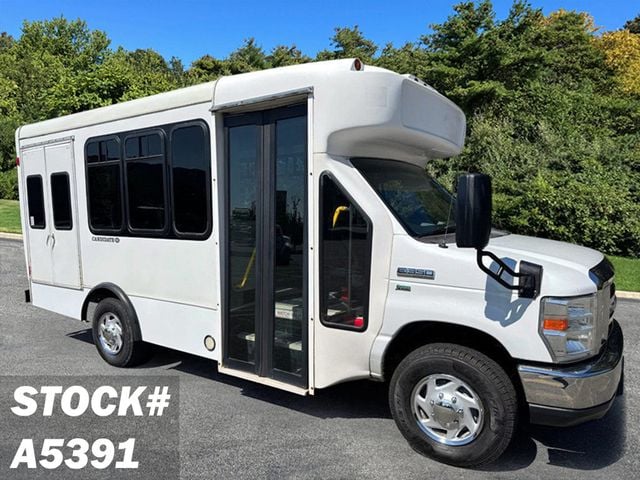
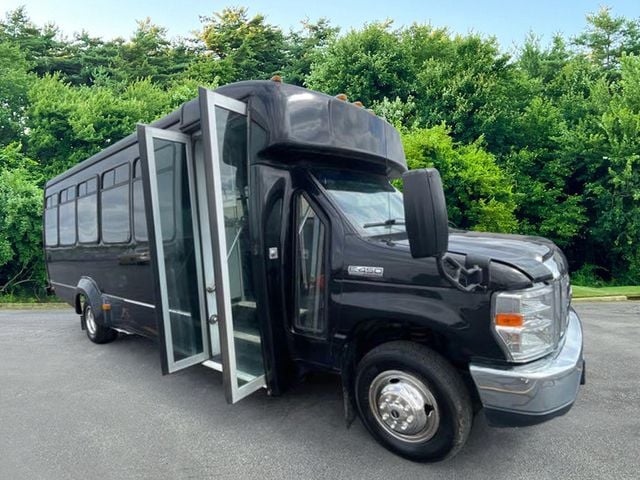
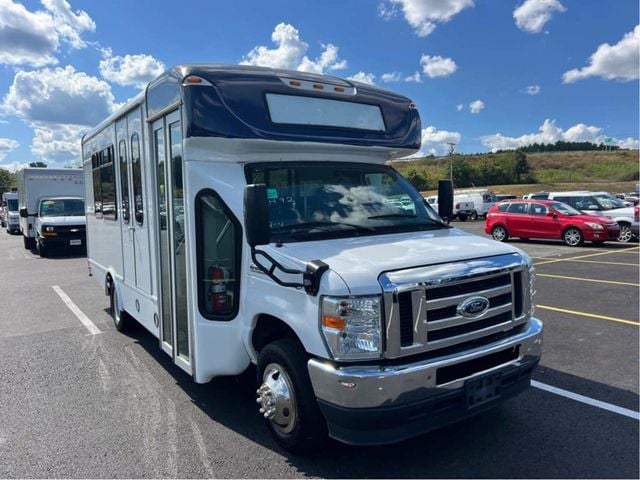
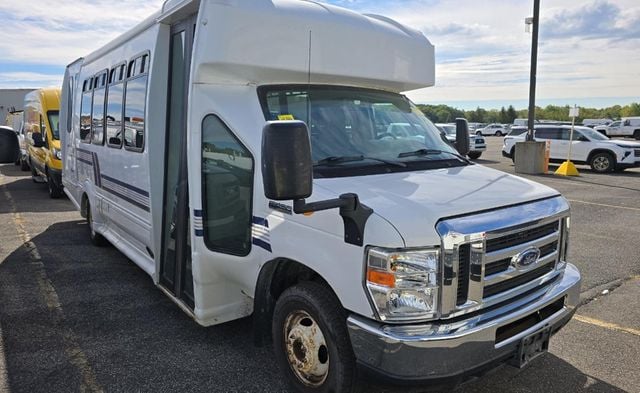
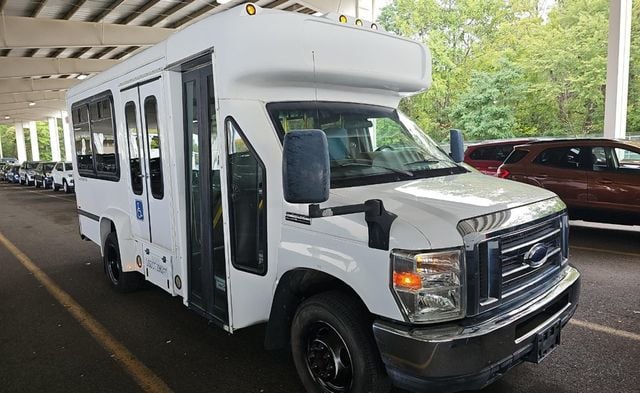
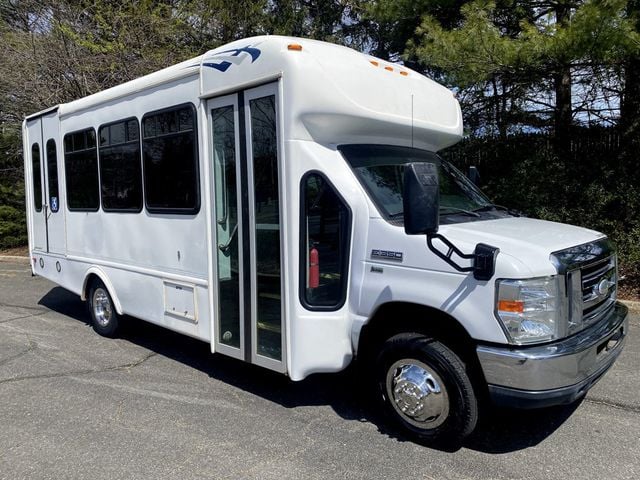
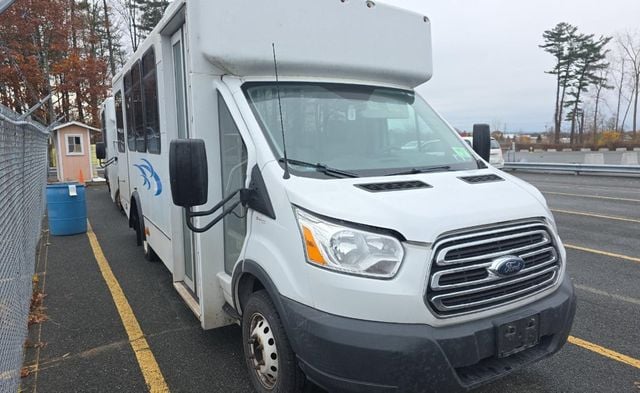
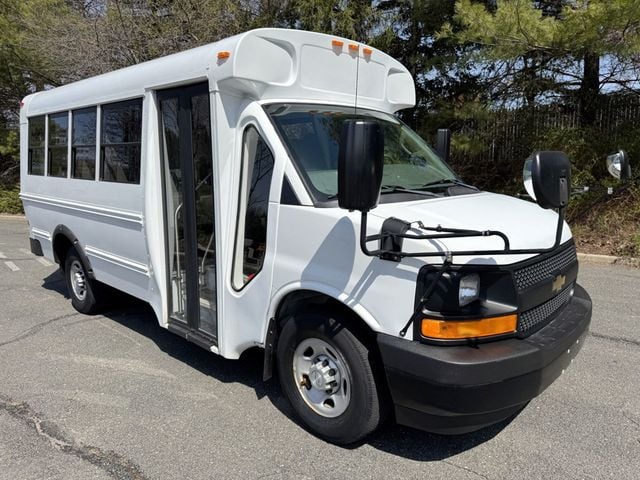
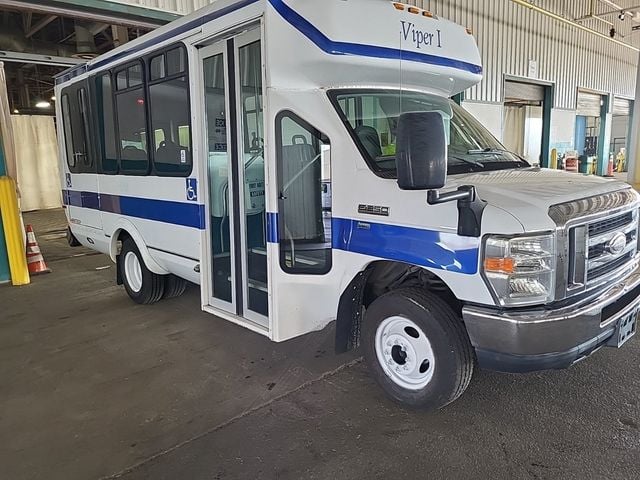
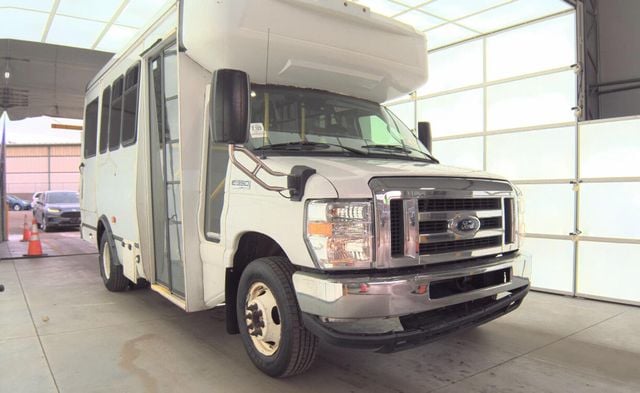
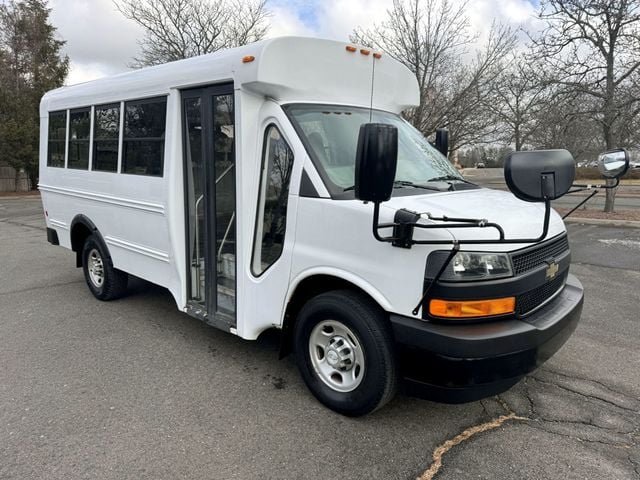
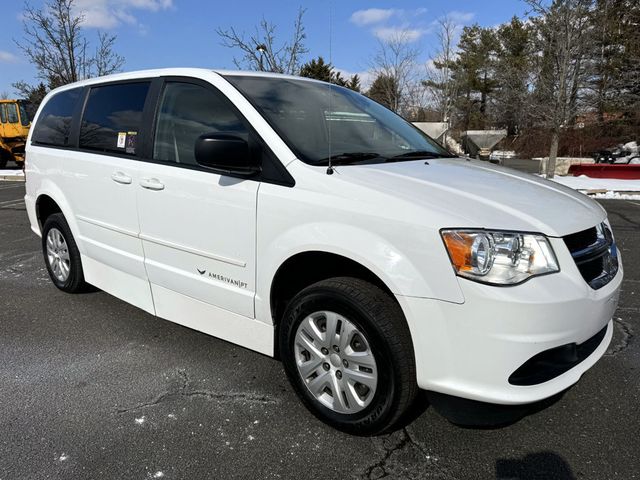
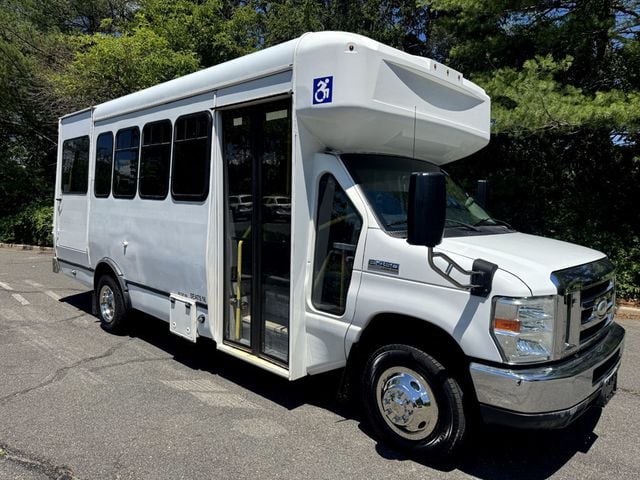
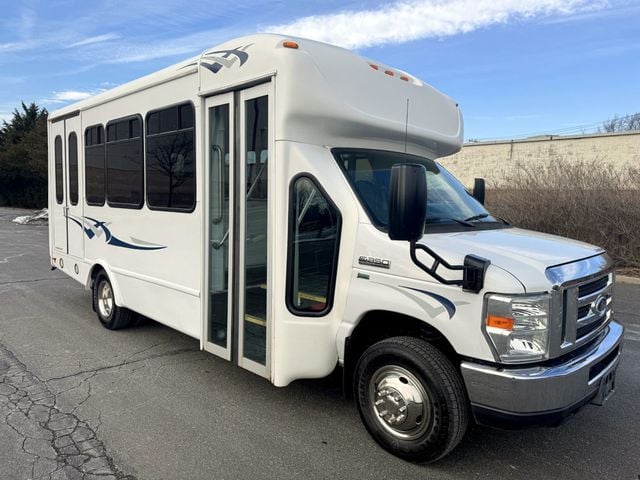
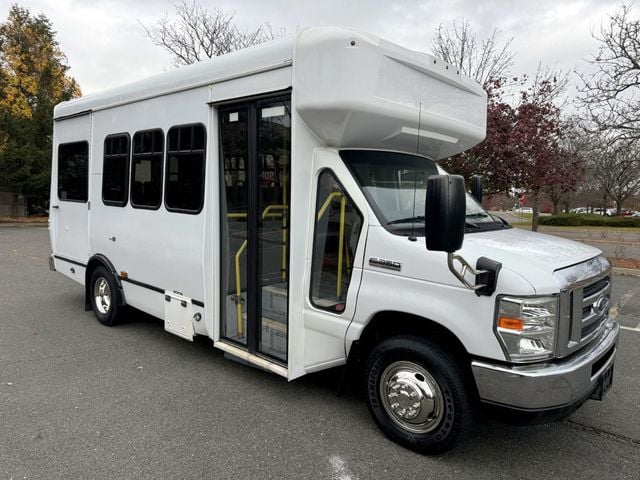
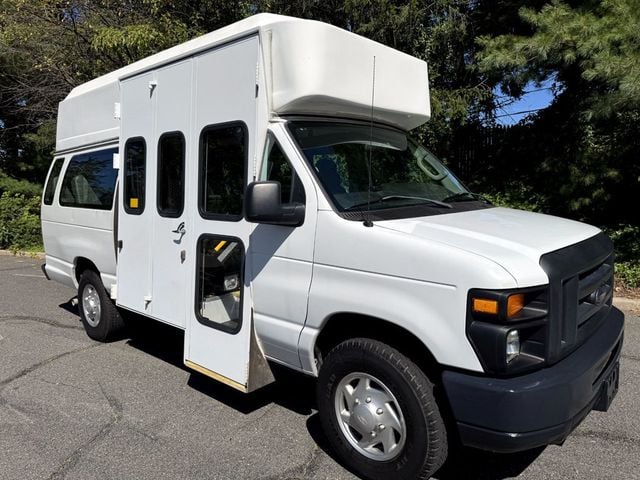

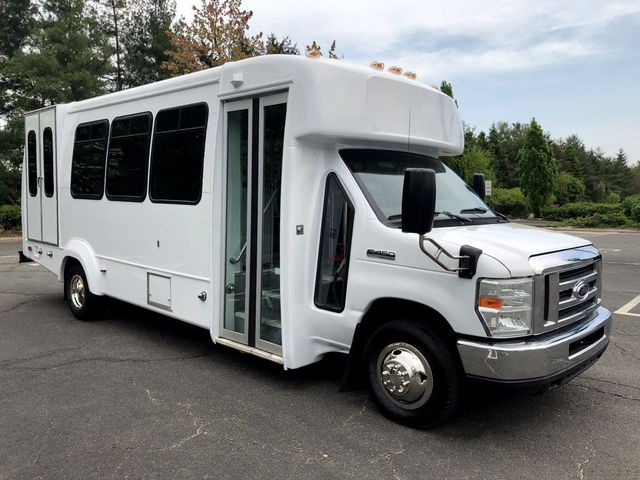
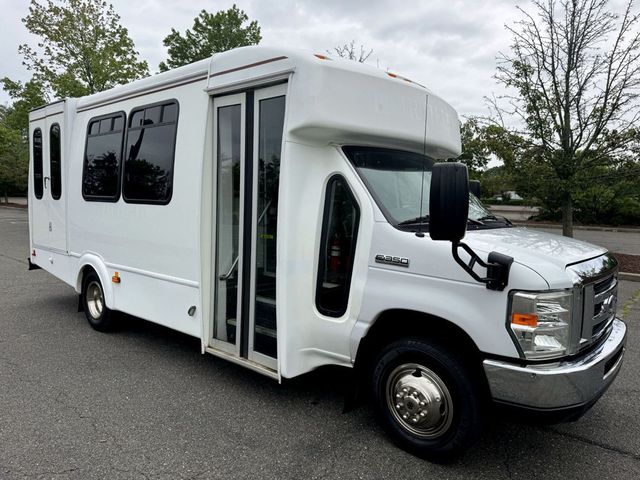
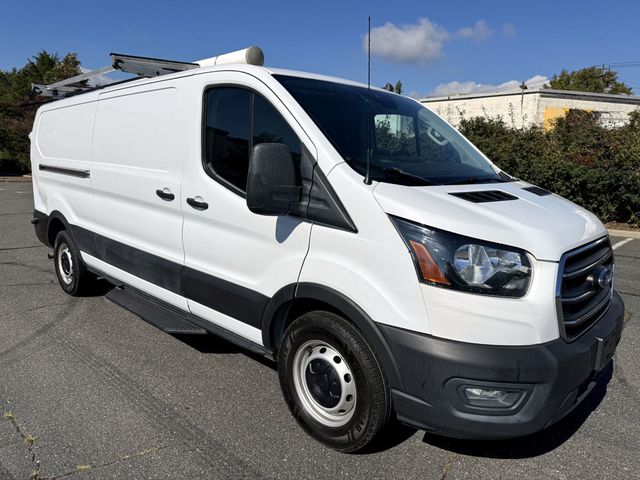

Purchasing a used shuttle bus can be a practical way for fleet managers to expand their transportation capacity while managing costs. Whether you need additional vehicles for employee transportation, hotel shuttles, airport transfers, or community services, choosing the right vehicle requires careful evaluation.
In this article, the terms reconditioned and refurbished are used interchangeably to describe used shuttle buses that have received inspection, repair, or restoration work. However, the level of work completed can vary from one vehicle to another.
Start With Your Fleet’s Daily Needs
Before looking at available vehicles, consider how the shuttle bus will be used. Think about the number of passengers you need to accommodate, the distance the vehicle will travel, and how frequently it will operate.
For example, a shuttle bus used for short hotel transfers may have different requirements than one transporting employees over longer distances. Understanding your daily operating needs will help you narrow down the right vehicle size, seating capacity, and features.
Check the Engine and Mechanical Condition
A used shuttle bus should be evaluated beyond its appearance. The engine, transmission, brakes, suspension, tires, and cooling system all play an important role in its overall performance.
Ask for maintenance records and find out whether any major repairs have been completed. If possible, arrange for a qualified mechanic to inspect the vehicle before making a purchase. A professional inspection can help identify potential issues that may lead to unexpected repair costs.
Review Passenger Safety and Comfort
Passenger safety should remain a priority when selecting a used shuttle bus. Check the condition of seat belts, emergency exits, interior lighting, doors, and other safety features.
You should also inspect the seating, flooring, air conditioning, and overall interior condition. If the vehicle will serve seniors or passengers with mobility needs, consider whether it has the appropriate accessibility features, such as a wheelchair lift and securement system.
Verify Vehicle History and Documentation
Before purchasing, review the vehicle’s title, service history, mileage, and available inspection records. Confirm that the vehicle identification number (VIN) matches the documentation.
It is also helpful to ask about the bus’s previous use, ownership history, and any accident or damage records available. These details can provide a clearer picture of how the vehicle was maintained and what to expect after purchase.
Consider the Total Cost of Ownership
The purchase price is only one part of the overall investment. Fleet managers should also account for insurance, fuel, maintenance, replacement parts, and any repairs or upgrades needed after purchase.
A refurbished or reconditioned shuttle bus may offer a cost-effective option, but it is important to understand exactly what work has been completed. Ask the seller for details about replaced components, repairs, inspections, and any remaining maintenance needs. Comparing these costs can help you make a more informed decision.
Choose a Vehicle That Fits Your Long-Term Plans
The right used shuttle bus should meet your current transportation needs while supporting your fleet’s future requirements. Consider passenger capacity, operating conditions, accessibility, maintenance needs, and the availability of replacement parts before making a final decision.
Taking the time to review the vehicle’s condition, documentation, and refurbishment work can help you choose a shuttle bus that fits your operational needs and budget.
Frequently Asked Questions
1. What should I check before buying a used shuttle bus?
Review the engine, transmission, brakes, tires, seating, safety features, mileage, maintenance history, and vehicle documentation. A professional inspection is also recommended.
2. Are reconditioned and refurbished shuttle buses the same?
The terms are often used interchangeably, but the actual work completed can vary. Always ask the seller for details about the inspection, repairs, replacement parts, and restoration work performed.
3. Is buying a used shuttle bus more cost-effective than buying new?
A used shuttle bus may have a lower upfront purchase price than a new vehicle. However, the overall value depends on its condition, maintenance history, repair requirements, and expected operating costs.
4. Can a used shuttle bus be modified for specific transportation needs?
Yes. Depending on the vehicle’s design and condition, modifications may include seating changes, accessibility equipment, wheelchair lifts, and other interior adjustments. Confirm that any modifications meet applicable safety requirements.
5. Why should fleet managers review maintenance records?
Maintenance records help show how the vehicle was cared for, identify previous repairs, and provide useful information about potential future maintenance needs.
Comments are closed.