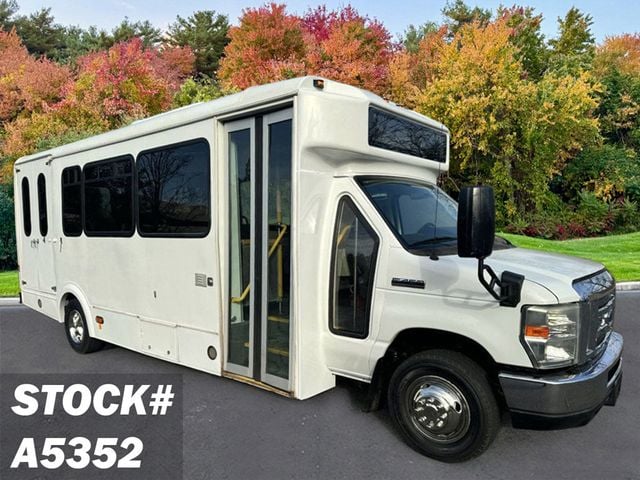
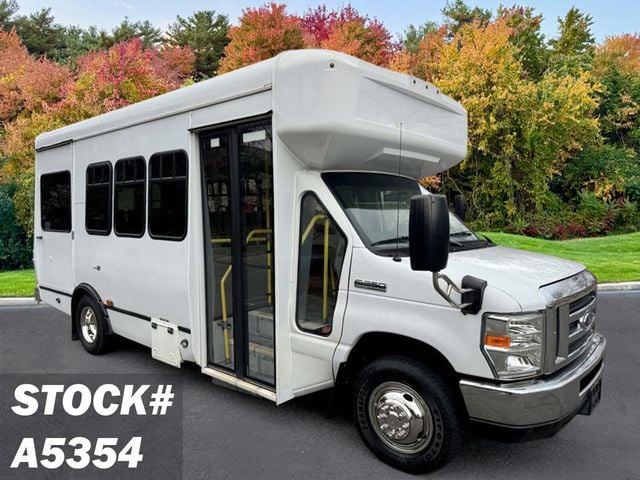
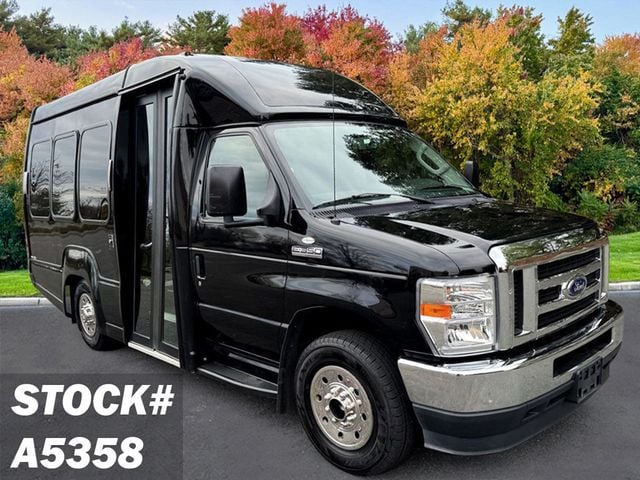
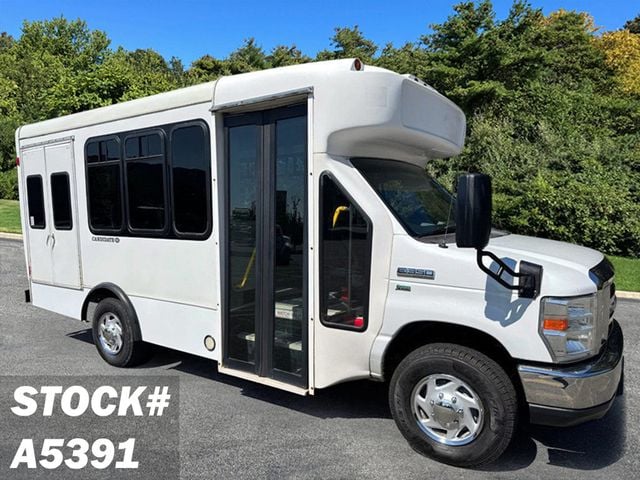
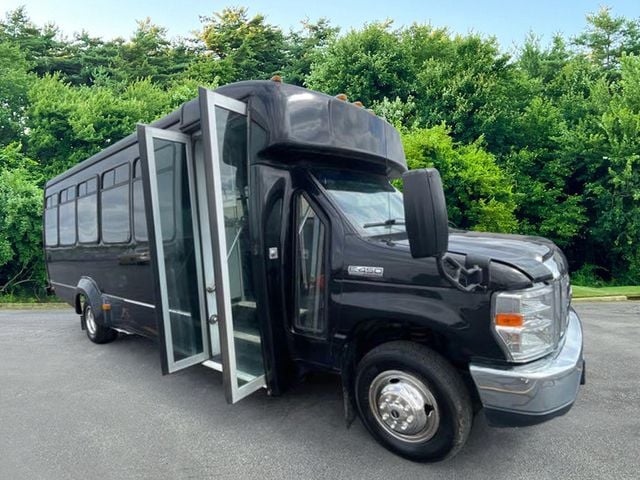
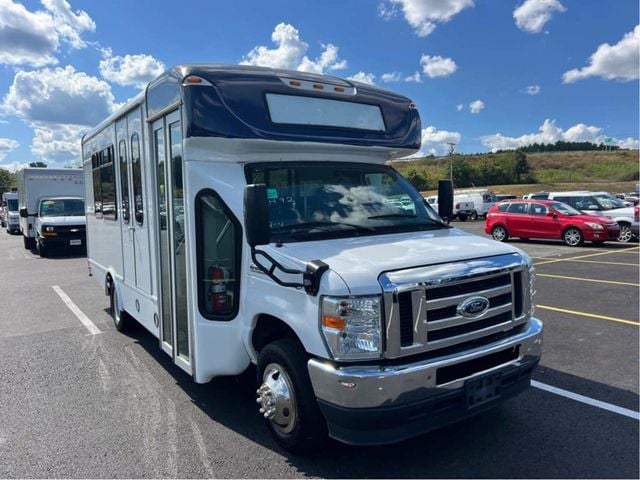
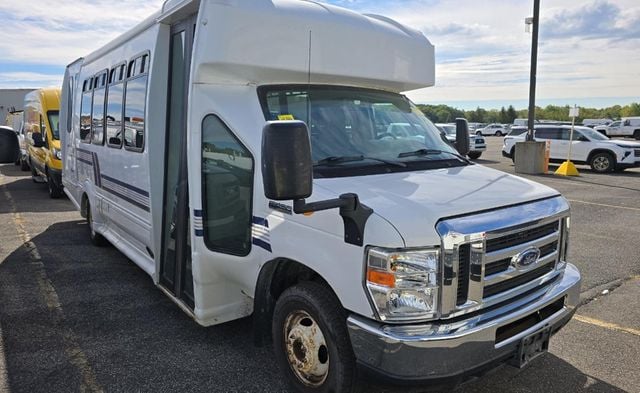
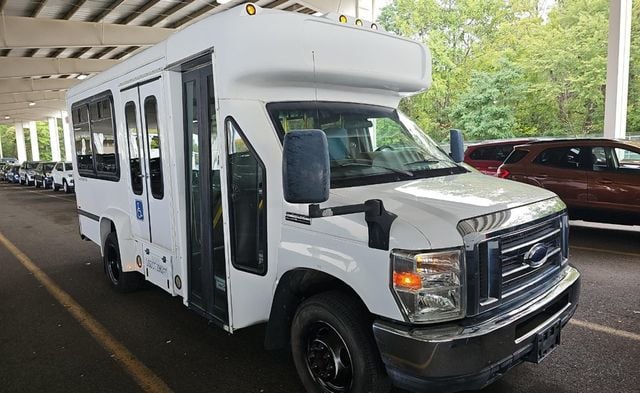
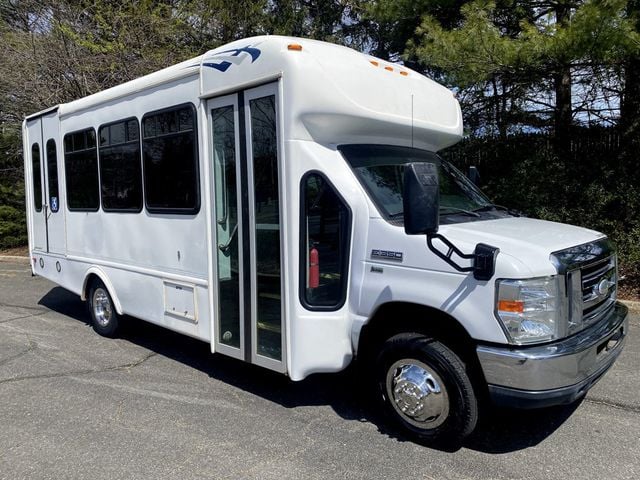
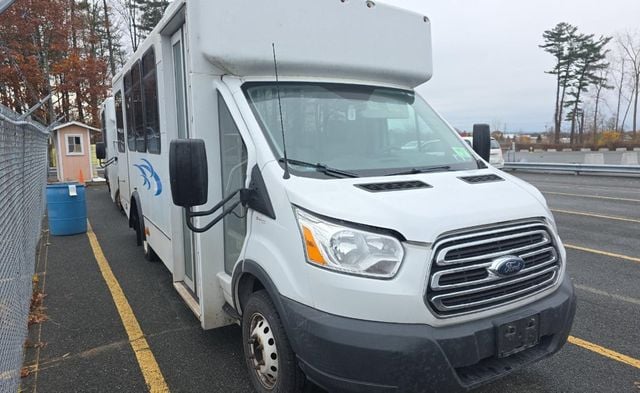
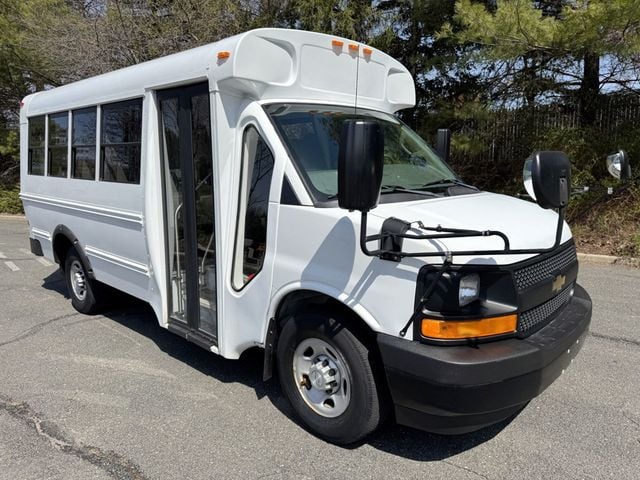
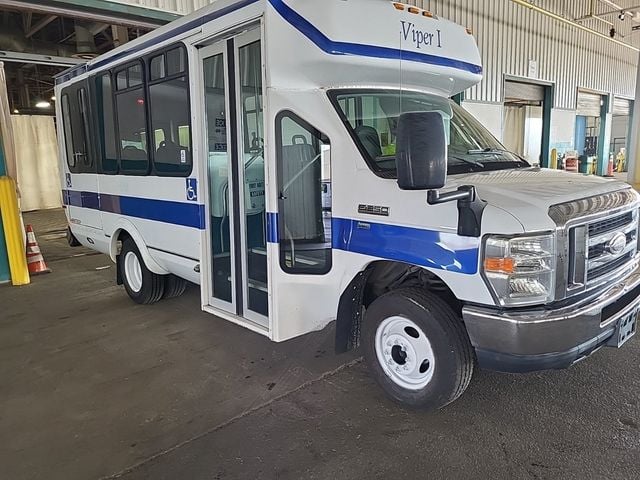
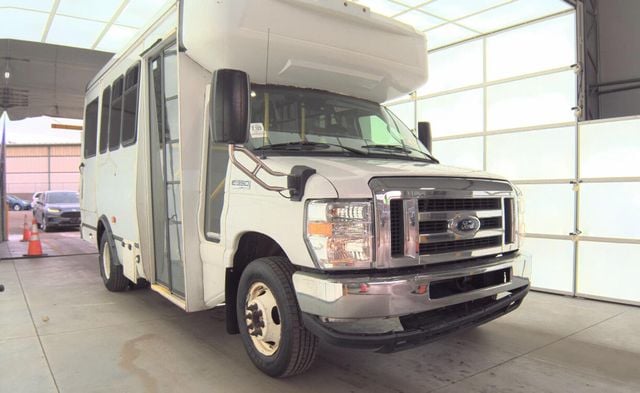
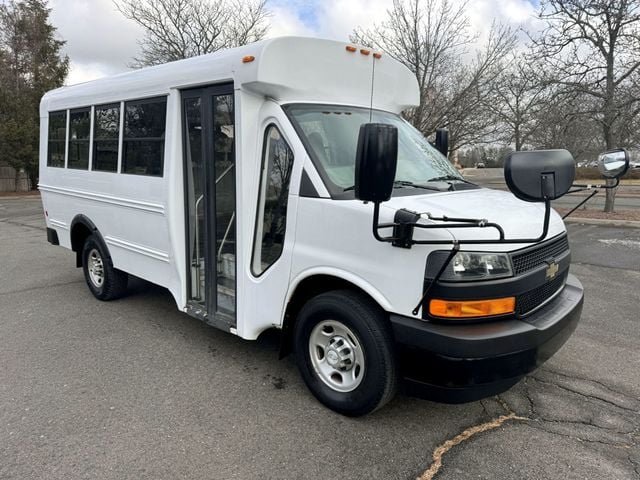
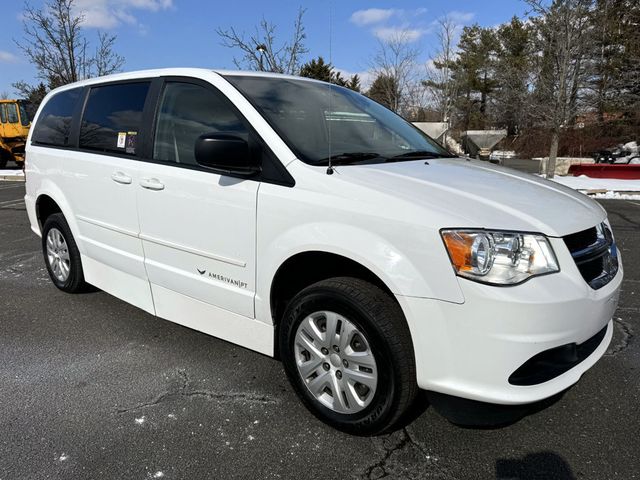
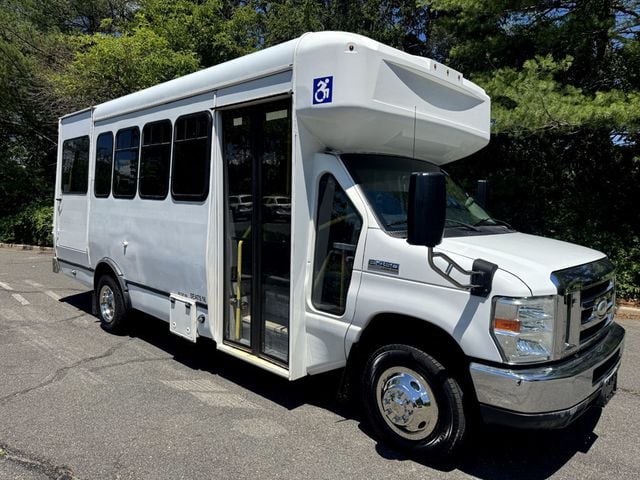
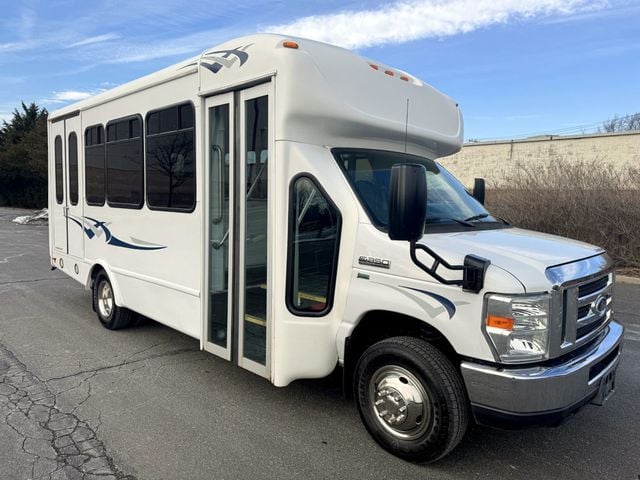
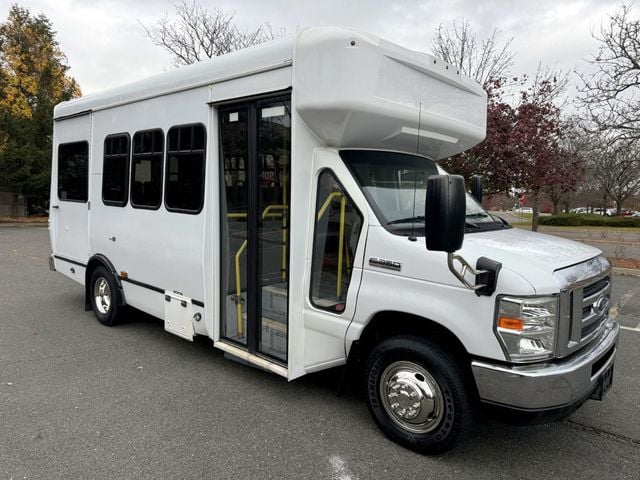
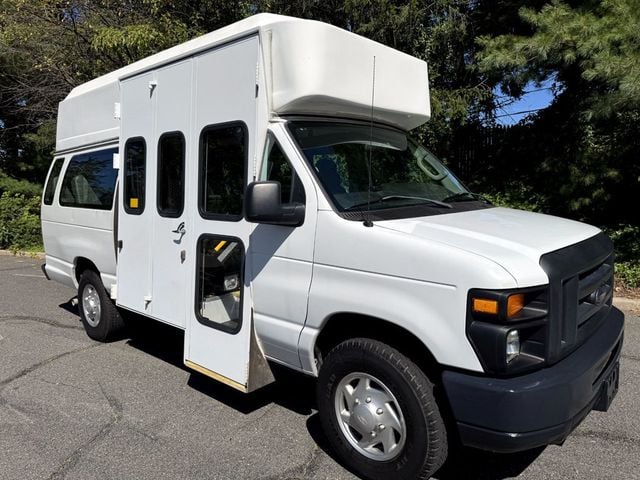

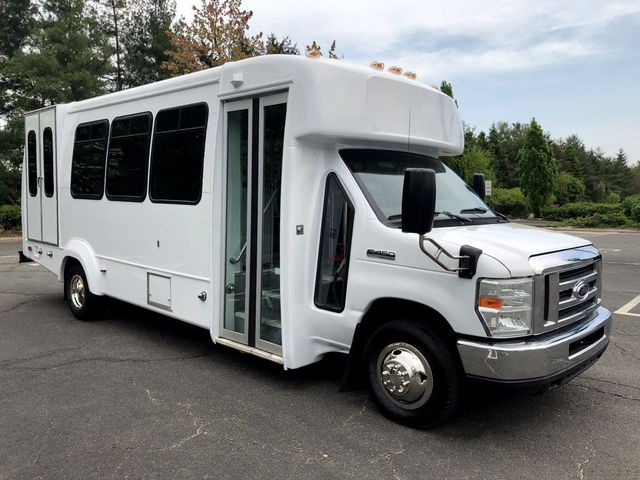
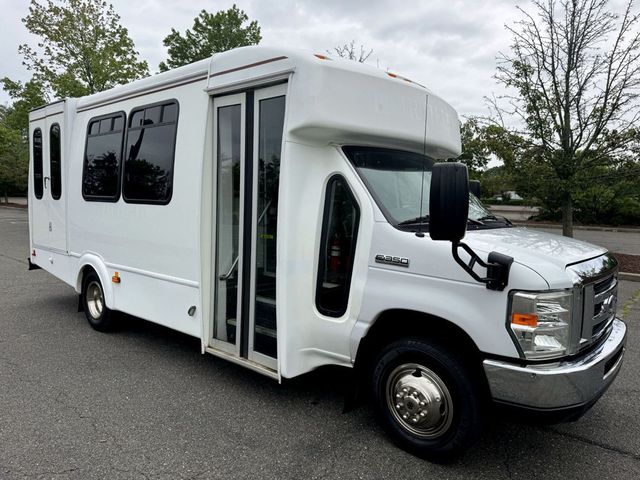
Buying a tour bus is a major step for any passenger transport business. The right tour bus financing plan can help buyers manage the purchase and keep their business plans on track. Before applying for a loan, buyers should set a clear budget, review their credit profile, and compare suitable lenders. Preparing these details early can reduce delays and help buyers choose a payment plan that fits their business needs. It also helps them plan for future costs and avoid money problems after the bus is bought. A clear plan makes it easier to move from choosing a vehicle to completing the purchase.
Set Your Budget Before You Apply
Start by working out how much you can afford to spend. Include the bus price, insurance, registration, inspection, and any repairs needed before you start service. This gives you a clearer view of the total amount required. Buyers should also consider the deposit, as a larger upfront payment can reduce the amount they need to borrow.
Also, estimate monthly fuel, maintenance, and other running costs. Keep enough money available for daily business needs after making the purchase. A realistic budget helps you avoid payments that put too much pressure on your cash flow. Review your expected income and regular bills to decide how much you can pay each month.
Choose a Loan That Fits Your Business
Commercial vehicle loans are a common way to finance a tour bus. The lender provides funds for the purchase, and the buyer repays the amount over an agreed period. Some lenders may offer fixed monthly payments, while others have different terms. The right option depends on the business’s income, credit history, and planned use of the vehicle.
Compare interest rates, repayment periods, down payment needs, and fees. Ask if the loan has early repayment charges or other conditions. Do not choose an offer based on the monthly payment alone. Review the total amount you will repay and make sure the terms suit your business income. Ask the lender to explain any unclear terms before you sign the agreement.
Prepare Your Documents Early
Missing paperwork can slow down a financing application. Prepare the documents that lenders commonly request before you apply. These may include identification, business registration details, bank statements, tax records, proof of income, and information about the bus. Having these items ready can help the lender begin the review sooner.
Lenders may also ask for credit details and financial statements. Requirements vary by lender and business type, so ask for a full checklist at the start. Clear, accurate records help the lender assess your application without repeatedly requesting missing information. Check that names, dates, and financial details match across your documents.
Check Your Credit and Cash Flow
Your credit history can affect loan approval, interest rates, and the amount a lender is willing to offer. Review your credit report before applying. Correct any errors and prepare explanations for issues that could raise questions. Paying bills on time and reducing unpaid debt can also strengthen your application.
Lenders may also review business income, current debts, and available cash. Show how the bus will support your services and how you plan to make payments. Clear financial records help the lender assess whether the proposed loan is manageable. New businesses may need to provide a personal guarantee or other records, depending on the lender’s rules.
Compare Lenders Before Choosing
Banks, credit unions, and commercial vehicle finance companies may offer different terms. Some focus on established businesses, while others consider newer operators with suitable financial records. Compare offers from several lenders rather than accepting the first approval. This gives you a better view of the options available.
Ask about approval times, deposit requirements, vehicle age limits, and rules for used buses. Confirm that the lender will finance the specific vehicle you plan to buy. Getting these answers early can prevent delays after you have selected a bus. Ask if the lender needs an inspection or a vehicle valuation before giving final approval.
Keep the Purchase Process Moving
Good planning helps connect financing approval with the vehicle purchase. Identify a suitable bus, gather its details, and share the asking price with potential lenders. They may need the vehicle identification number, age, mileage, and purchase documents to assess the request. Giving them accurate information early can help avoid repeated checks.
Avoid making a firm financial commitment until you understand the loan conditions. Check whether the approval is final or subject to further checks. Also, arrange a vehicle inspection and review the title before completing the sale. These steps help reduce the risk of unexpected problems. Stay in touch with the lender and seller so both sides know which documents or actions are still pending.
Ending Note:
At Major Vehicle Exchange, our team helps buyers review vehicle options that suit their passenger transport plans and budgets. If you are searching for a small bus for sale, consider passenger capacity, vehicle condition, maintenance needs, and available financing before you choose. The right match can help you avoid paying for features your business does not need. Buyers should also confirm that the selected vehicle meets their route needs and that the lender will finance it.
Contact Major Vehicle Exchange to discuss your vehicle needs and explore available options. Prepare your budget and financing questions before speaking with our team. A clear plan can help you move toward your purchase with fewer delays and greater confidence.
FAQs:
1. What documents are needed to finance a tour bus?
Lenders may request identification, business registration, bank statements, tax records, proof of income, credit details, and vehicle information to review your financing application.
2. How can buyers improve their chances of tour bus loan approval?
Buyers can review credit reports, pay bills on time, reduce existing debts, prepare accurate financial records, and show they can manage monthly loan payments.
3. What costs should buyers consider before financing a tour bus?
Buyers should budget for the vehicle price, down payment, interest, insurance, registration, fuel, routine maintenance, and repairs to manage ownership costs effectively.
4. How can buyers compare commercial vehicle financing options?
Compare interest rates, loan terms, monthly payments, fees, deposit requirements, approval times, and early repayment conditions before choosing a suitable commercial vehicle loan.
5. Can a used tour bus qualify for financing?
Yes, many lenders finance used tour buses, but approval depends on the vehicle’s age, condition, mileage, business finances, credit history, and the lender’s requirements.
Comments are closed.