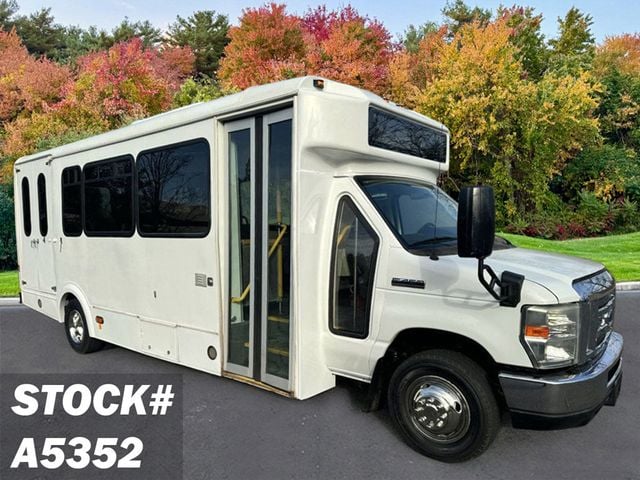
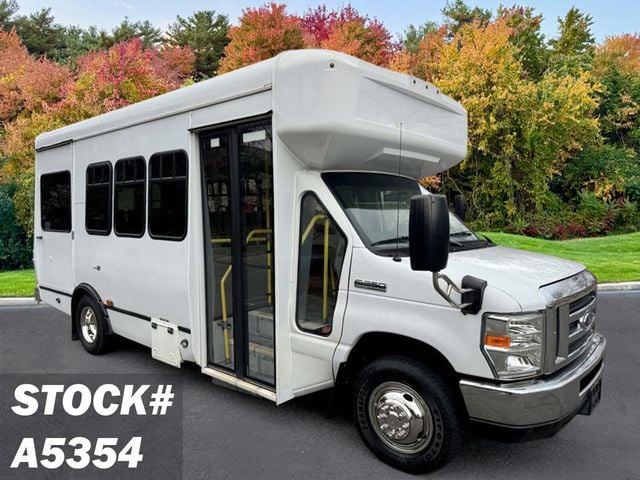
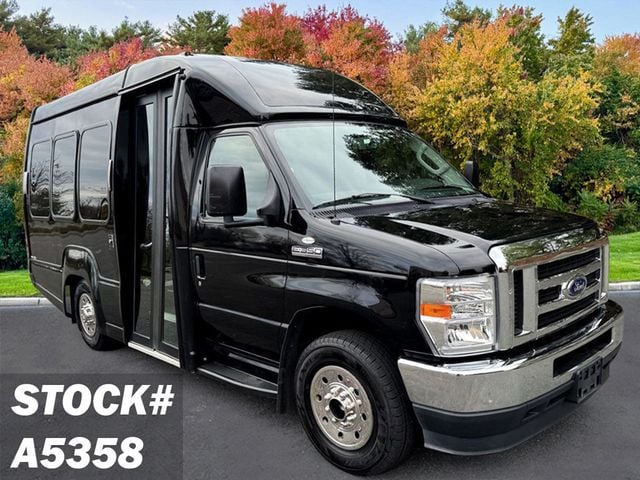
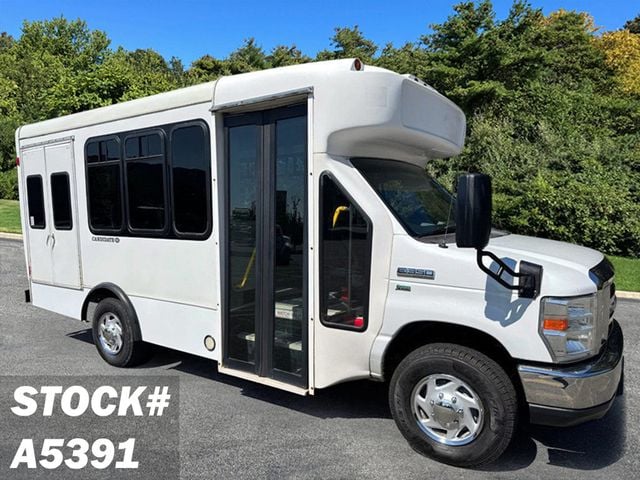
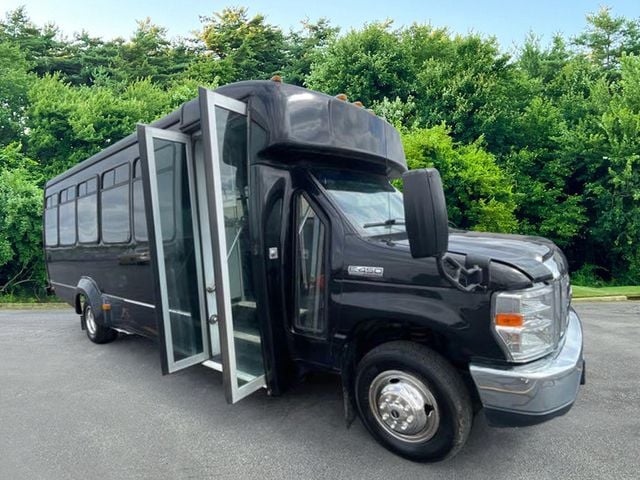
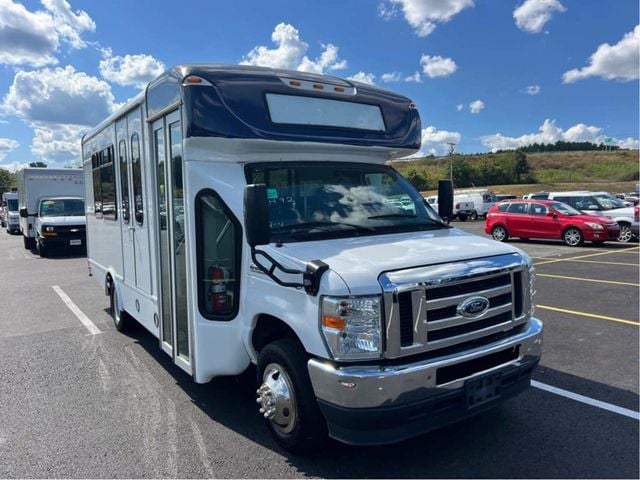
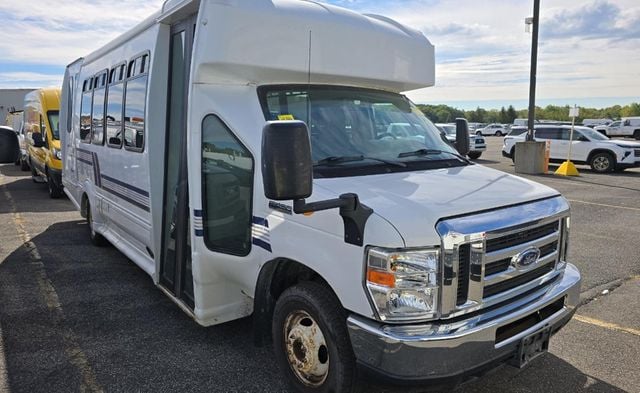
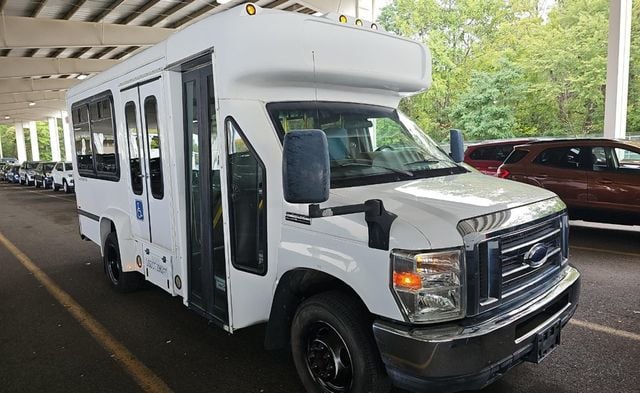
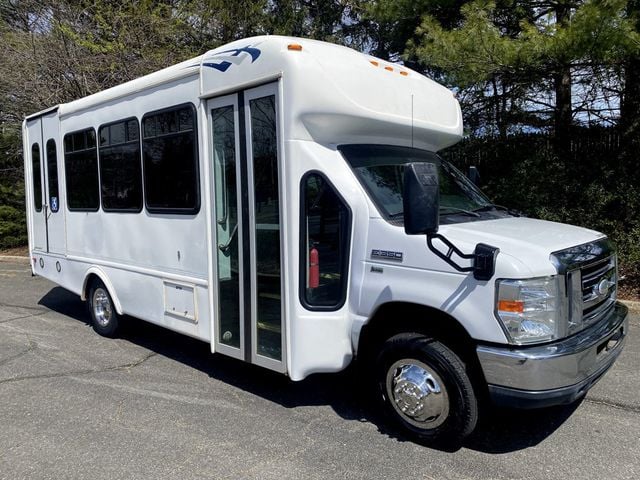
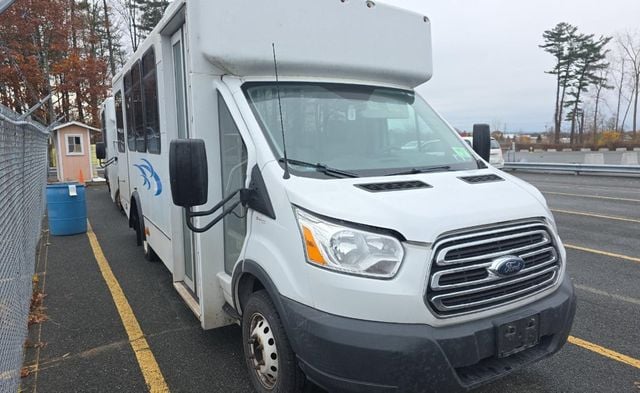
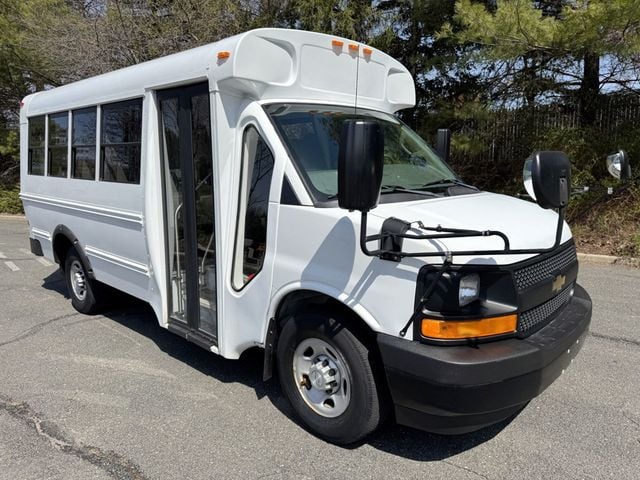
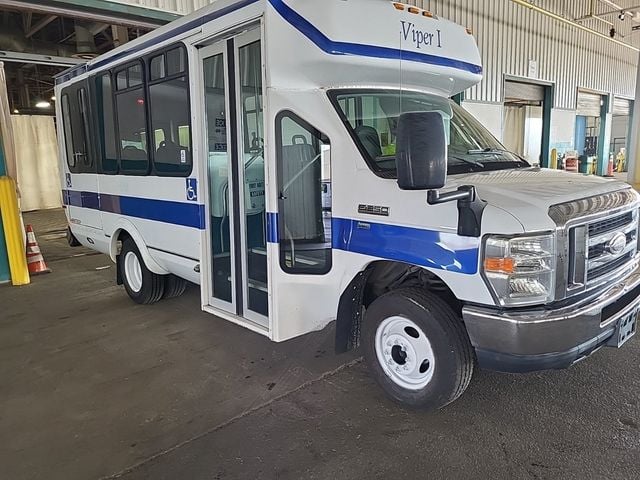
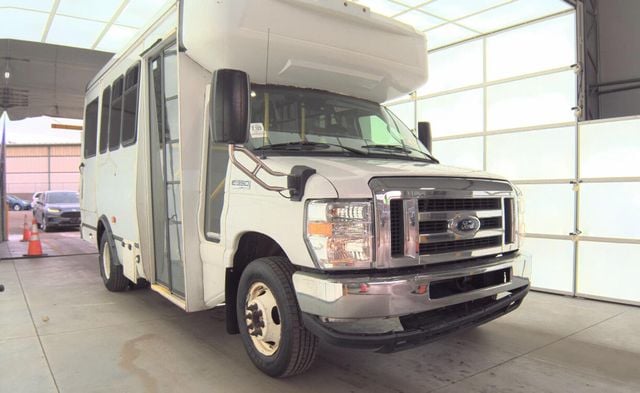
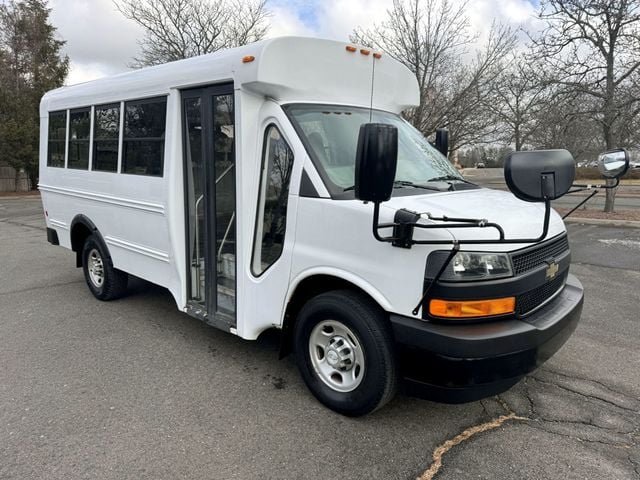
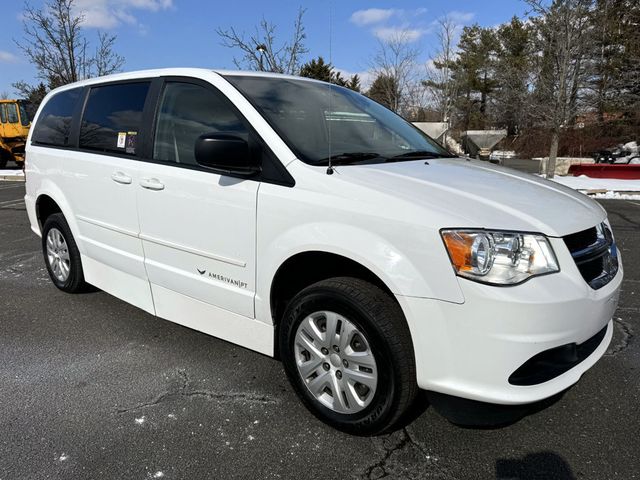
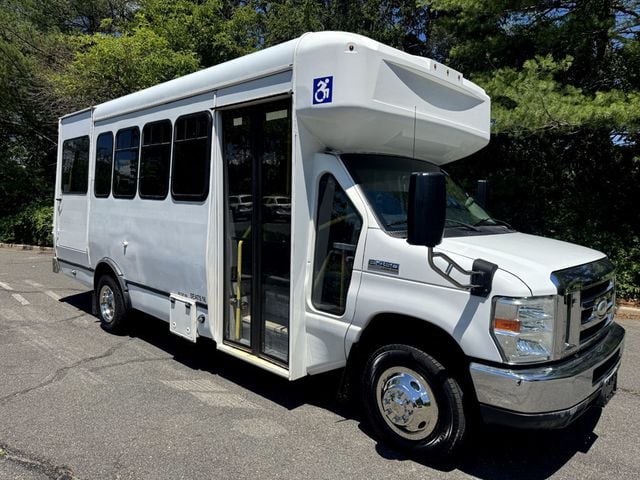
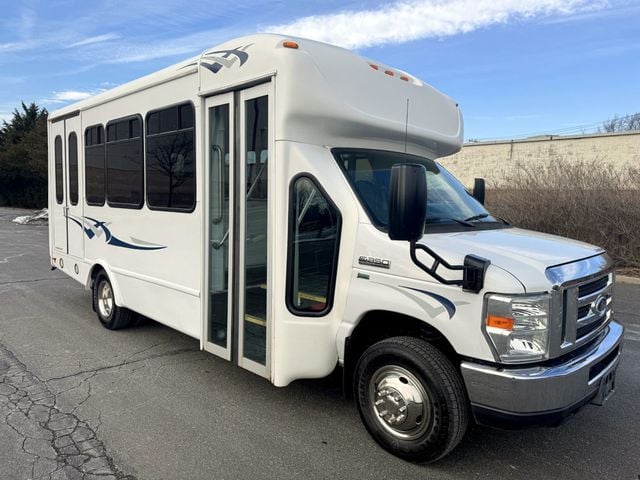
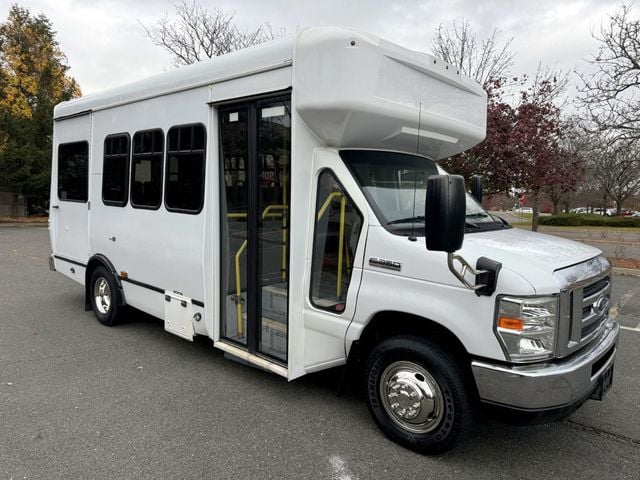
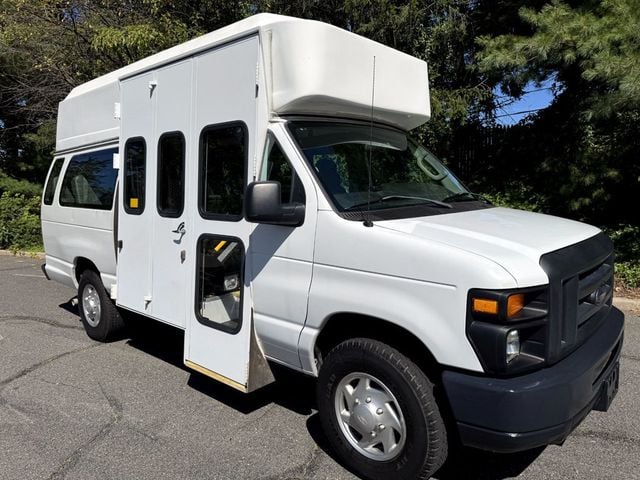

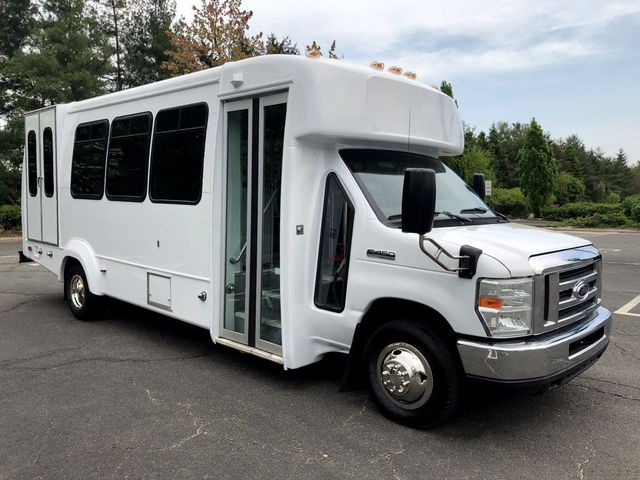
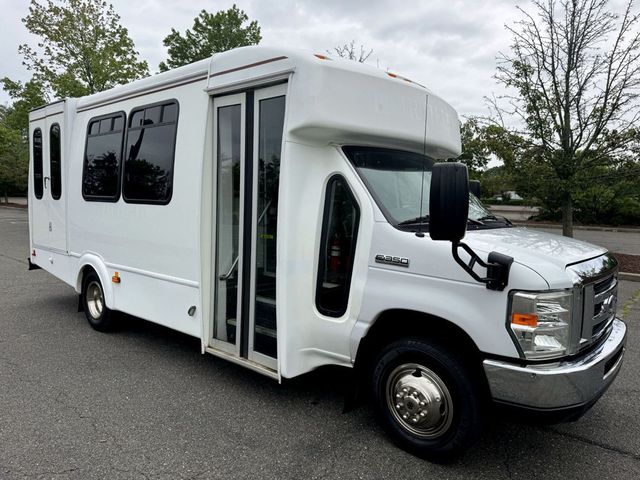

Choosing a used handicap shuttle bus for sale requires careful planning. The right vehicle should offer safe access, enough space, and reliable performance for daily passenger trips. Care centers, transport providers, and community groups must check the lift or ramp, seating layout, safety features, and service history before buying. A suitable bus can help passengers with mobility needs travel more comfortably while helping operators manage regular routes. Buyers should also consider the types of trips they run, how many people they carry, and the support needed to keep the vehicle in good working order.
Start With the Needs of Your Passengers
First, consider who will use the bus and how often they will travel. Some services carry wheelchair users, while others transport older adults or passengers who need help getting on and off. These needs affect the type of vehicle you should choose.
Check how many passengers you typically carry on a normal trip. Allow space for wheelchairs, mobility aids, and caregivers if needed. Think about trip length, stop frequency, and the roads used each day. These details help you select a bus that fits your service without wasting useful space. Also, consider how often passengers need to board and leave the vehicle, as this can affect the best door and seating layout.
Check the Lift, Ramp, and Entry Space
Easy access is one of the most important features of a handicap shuttle bus. Inspect the wheelchair lift or ramp before you buy. Test its controls and safety locks, and check for unusual sounds, damage, or signs of poor repair.
The doorway should offer enough room for safe entry. Check the floor for loose parts and make sure the boarding area is clear. Ask for service records for the lift or ramp. A qualified technician can inspect the system and confirm that it works as intended. Also check the lift’s weight limit, and make sure it can support the passengers who will use it.
Review the Interior Layout
A good interior helps passengers enter, sit, and exit more easily. Check the wheelchair securement system, seat belts, handrails, and aisle space. Each wheelchair position should have suitable restraints to keep the mobility device secure during travel.
Check seats for tears, loose fittings, and worn cushions. Check that doors open fully and emergency exits remain clear. If the bus will carry both seated passengers and wheelchair users, confirm that the layout meets approved capacity limits. Do not add or remove seats without checking the relevant safety rules. Make sure drivers can reach the controls easily and that passengers have enough room to move safely inside the vehicle.
Inspect the Engine and Main Parts
A bus may look clean but still have hidden faults. Check the engine, transmission, brakes, tires, steering, and suspension. Look for oil leaks, rust, warning lights, and uneven tire wear. These signs may indicate repairs that need attention.
Ask for maintenance records and details of past repairs. A road test can help reveal poor braking, unusual sounds, or steering problems. Hire a qualified mechanic to inspect the vehicle before purchase. This step helps you understand its condition and avoid repair delays after you take it into service. Ask about any major repairs, and ask whether the seller has records showing what was done.
Check Safety Records and Legal Requirements
Before buying, review the vehicle identification number, title, and ownership documents. Confirm that the bus can be registered for its planned use. Ask about inspection records and any known faults that could affect safe operation.
Check local rules for accessible passenger transport. Requirements may cover wheelchair restraints, lift operation, seat belts, and passenger capacity. Do not assume that an older bus meets current rules just because it was used for transport in the past. Confirm the relevant requirements before placing it on a regular route. Keep copies of key records so your team can refer to them during future checks and service visits.
Plan for Running and Repair Costs
The sale price is only one part of the cost. Budget for fuel, insurance, registration, routine service, tires, and repairs. Accessible equipment can also need regular checks and service. Ask whether replacement parts and qualified repair support are available for the lift or ramp.
Compare the expected costs with your operating budget. A bus that costs less upfront may need more work before it can carry passengers. Reviewing these needs early helps you choose a vehicle that fits both your service plan and your budget. It also helps you set money aside for planned maintenance instead of facing unexpected bills during busy periods.
Final Words:
At Major Vehicle Exchange, our team helps buyers review vehicle options based on passenger needs, access features, and daily transport plans. If you are considering a used bus, check its mechanical condition, wheelchair-access system, maintenance history, and approved passenger capacity before you decide. A careful review helps you understand whether the vehicle suits your intended service.
Contact Major Vehicle Exchange to discuss your transport needs and explore available bus options. Share your passenger count, access requirements, and planned routes with our team. A clear checklist and a professional inspection can help you choose a bus that supports safe, dependable daily transportation.
FAQs:
1. What should buyers check before purchasing a used handicap shuttle bus?
Buyers should inspect the engine, brakes, tires, wheelchair lift, ramp, safety restraints, service records, and title to confirm the vehicle meets daily passenger-transport needs.
2. How can buyers check if a wheelchair lift works properly?
Test the lift controls, safety locks, weight limit, and movement. Ask a qualified technician to inspect the system and review its maintenance records before purchase.
3. What safety features should an accessible shuttle bus have?
An accessible shuttle bus should have secure wheelchair restraints, seat belts, clear emergency exits, working door locks, handrails, and a suitable boarding system.
4. Are used handicap shuttle buses suitable for daily transportation?
Yes, a used handicap shuttle bus can support daily trips if its mechanical condition, accessibility equipment, passenger capacity, and legal requirements are properly checked.
5. What costs should buyers plan for after purchasing an accessible bus?
Buyers should budget for fuel, insurance, registration, routine servicing, tire replacement, repairs, and wheelchair lift maintenance to keep the vehicle ready for daily service.
Comments are closed.