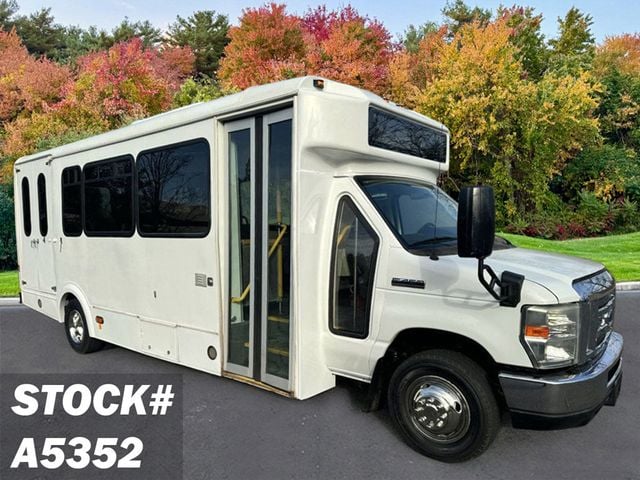
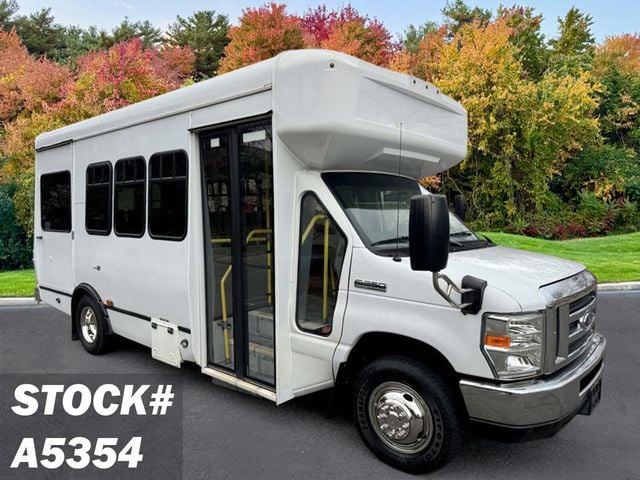
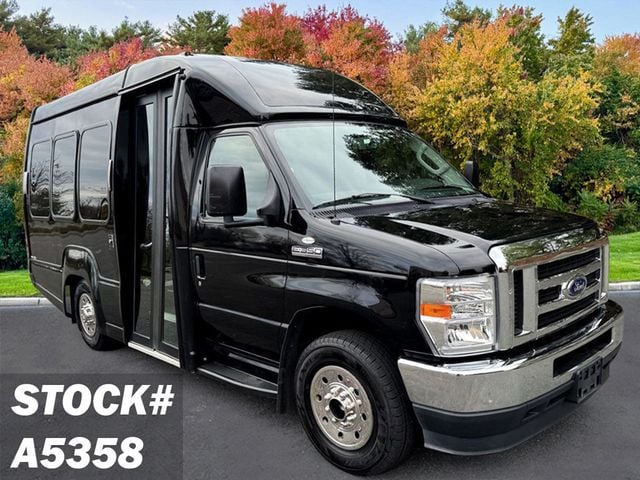
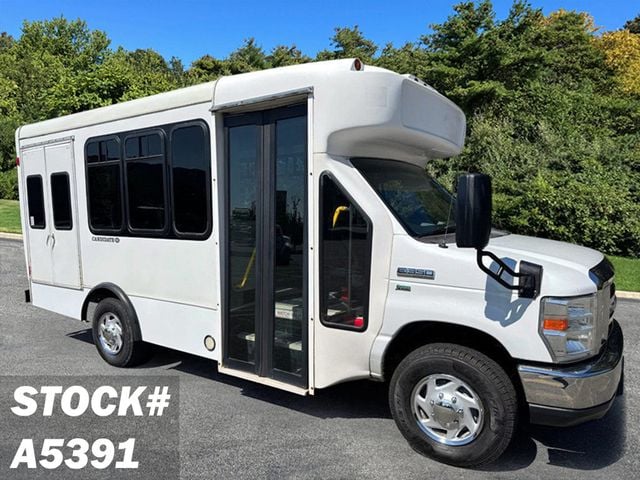
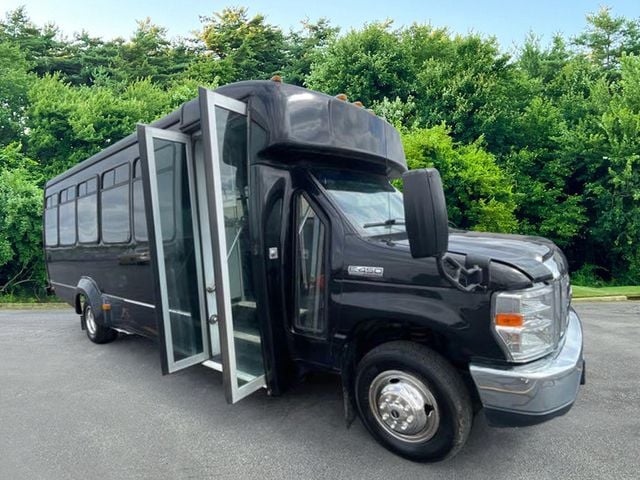
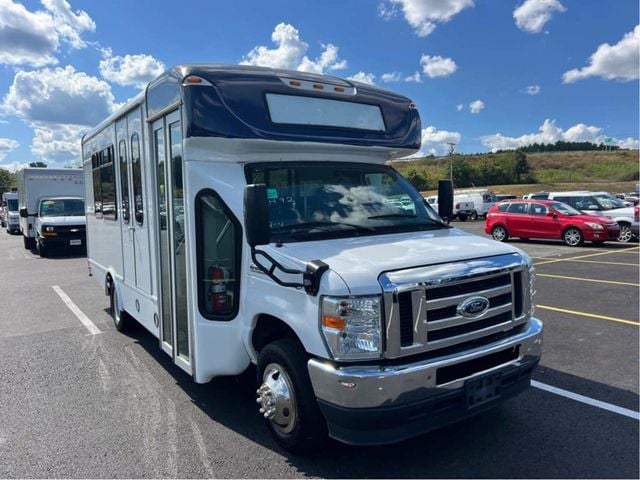
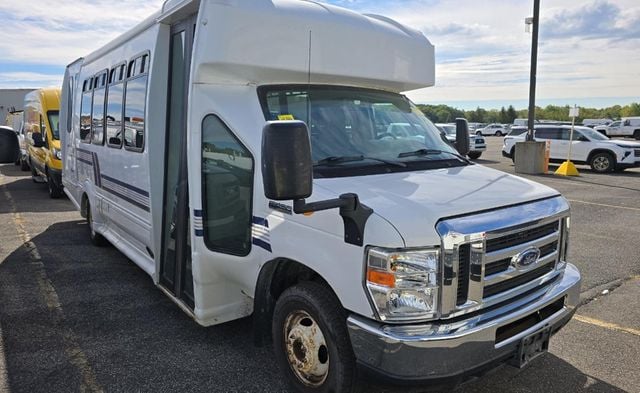
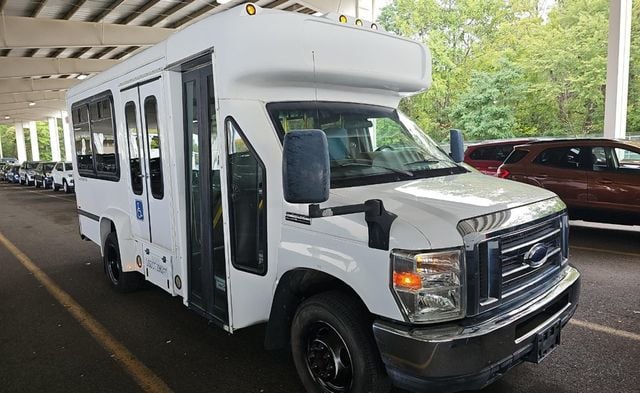
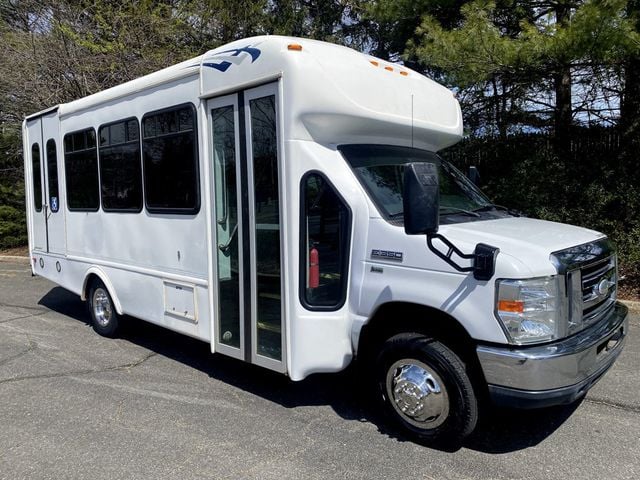
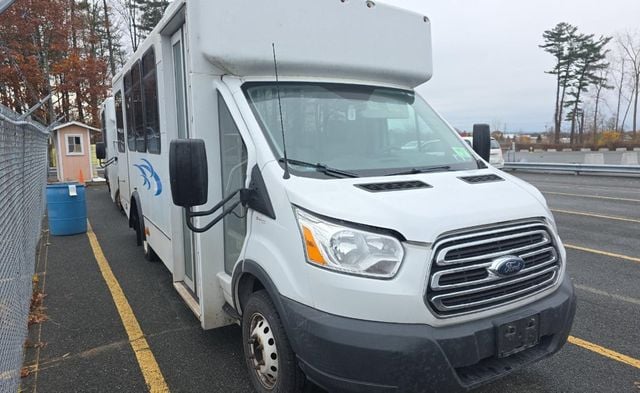
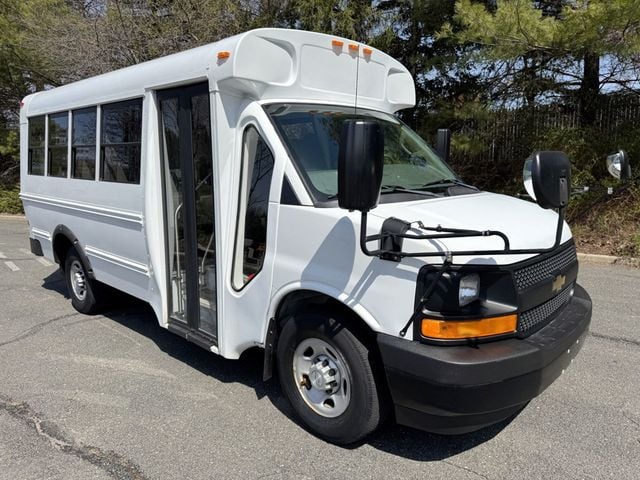
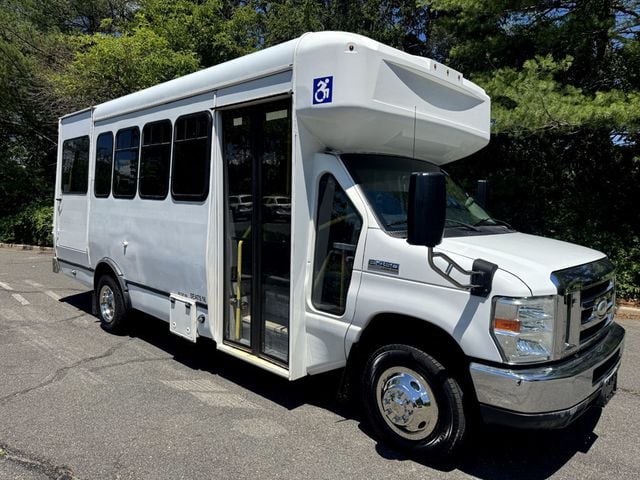
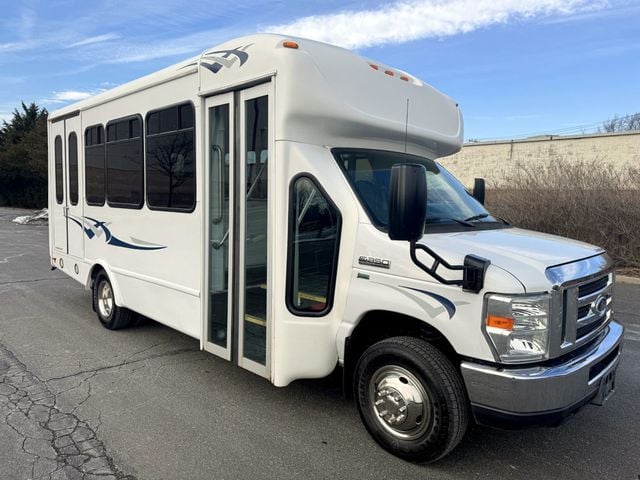
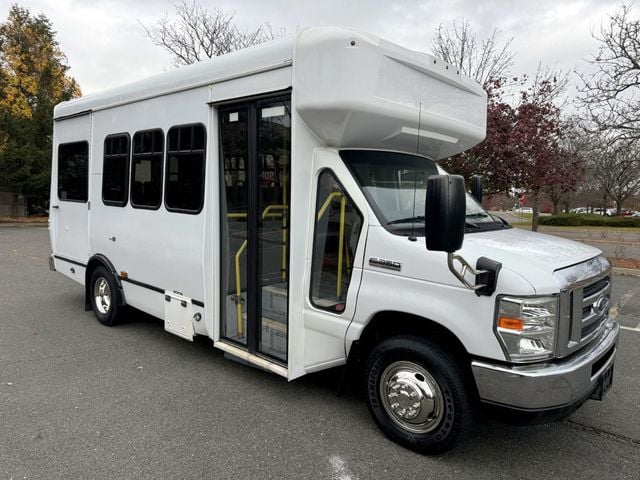
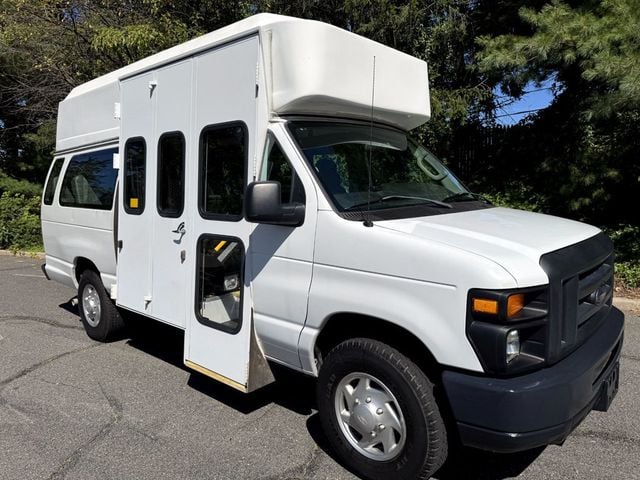

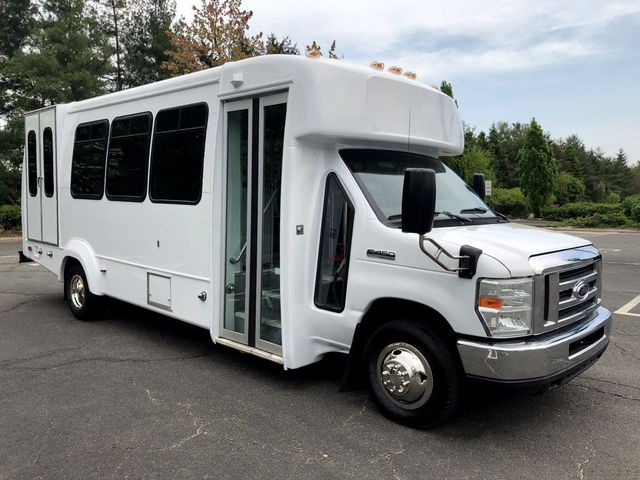
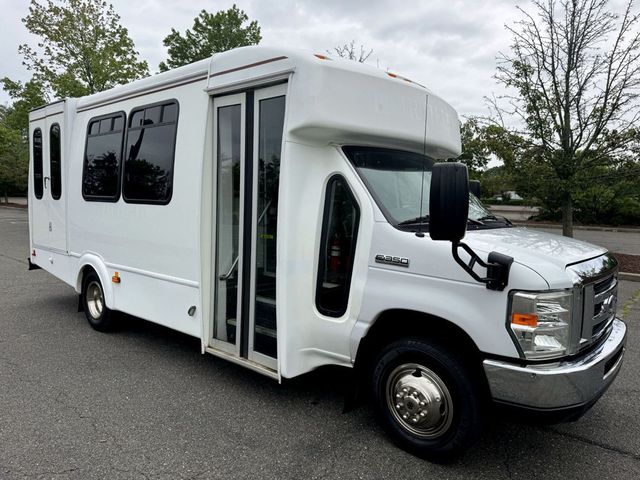
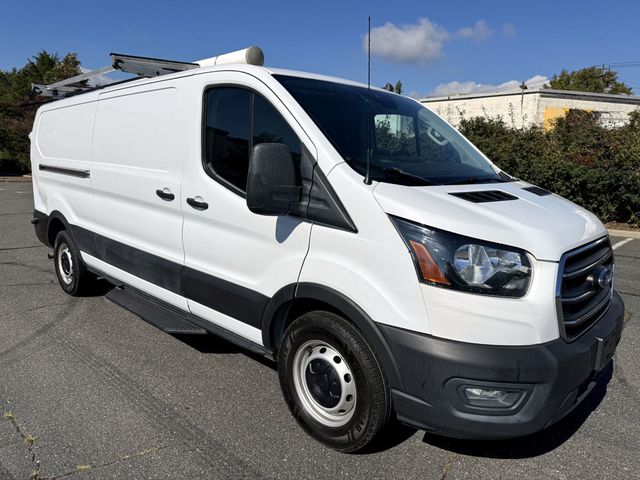

Churches often need dependable transportation for worship services, prayer meetings, youth activities, community programs, and special events. A used church bus can help congregations transport members who may not have their own means of getting to church. It can also support group outings, volunteer activities, religious gatherings, and community outreach programs. The right vehicle should match the number of passengers, travel routes, accessibility needs, and frequency of use. Before purchasing, church leaders should review the vehicle’s condition, seating capacity, safety features, and ongoing maintenance requirements.
Understand Your Church’s Transportation Needs
Start by identifying how the bus will be used. Some churches need regular transportation for Sunday services, while others organize weekday programs, youth gatherings, Bible study groups, and visits to community centers. The number of passengers and frequency of trips will help determine the type and size of vehicle required.
Consider whether the bus will travel within the local area or make longer trips for retreats, religious conferences, and church events. Think about pickup locations, travel distances, and the needs of older congregation members or families with children. A clear transportation plan will make it easier to select a vehicle that supports the church’s regular activities.
Choose the Right Passenger Capacity
Passenger capacity is an important consideration when comparing used church buses. A smaller congregation may need a vehicle for occasional group transportation, while a larger church may require more seating for regular services and community programs.
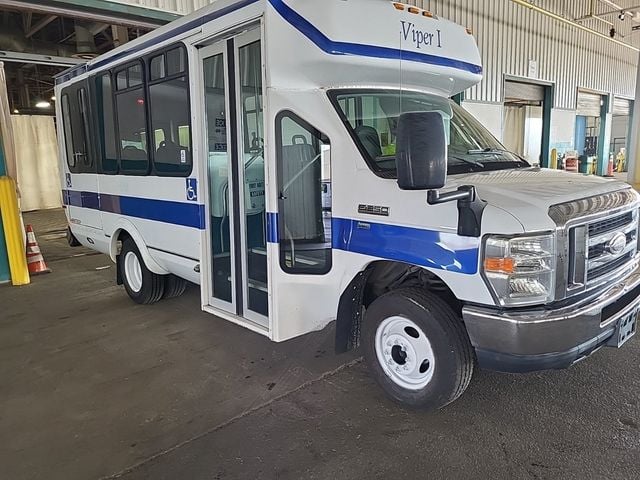
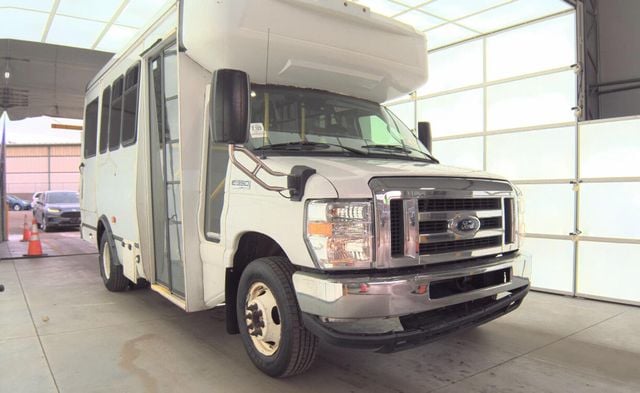
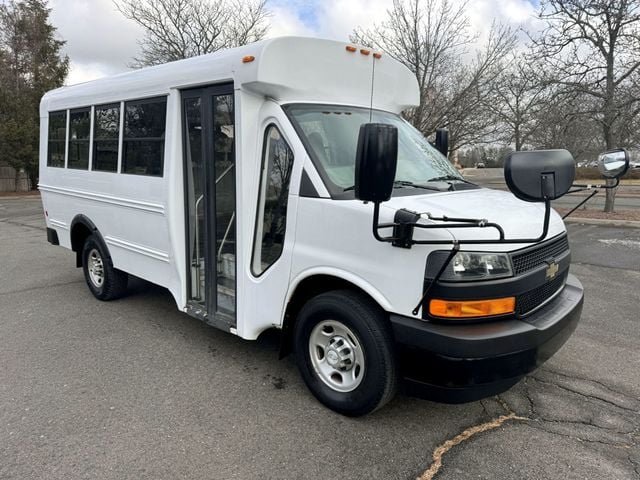
A 15 passenger used shuttle bus may be suitable for smaller church groups, volunteer teams, youth activities, or local outreach visits. Larger congregations may need a vehicle with greater approved seating capacity. Consider the number of people who typically travel together, along with any additional space needed for personal belongings, musical equipment, or supplies.
Always check the vehicle’s approved passenger capacity and seating arrangement. Avoid choosing a bus based only on its maximum advertised capacity without reviewing the actual interior layout and intended use.
Consider Church Events and Community Outreach
Church transportation often extends beyond weekly worship services. Congregations organize retreats, holiday celebrations, youth camps, charity activities, food distribution programs, and visits to hospitals or senior communities. Having a suitable bus can make it easier to coordinate these activities and transport volunteers or participants together.
Some churches also operate community outreach programs that support families, older adults, and people who need assistance accessing local services. Depending on the program, a bus may be used to transport volunteers, distribute supplies, or bring community members to scheduled activities.
Before purchasing, consider whether the vehicle’s interior and storage arrangements can support these uses. If the church plans to carry equipment or supplies, make sure they can be secured without blocking passenger seating or emergency exits.
Review Accessibility and Passenger Comfort
Church transportation may involve older adults, people with mobility limitations, children, and families. For this reason, accessibility and ease of boarding should be part of the buying decision.
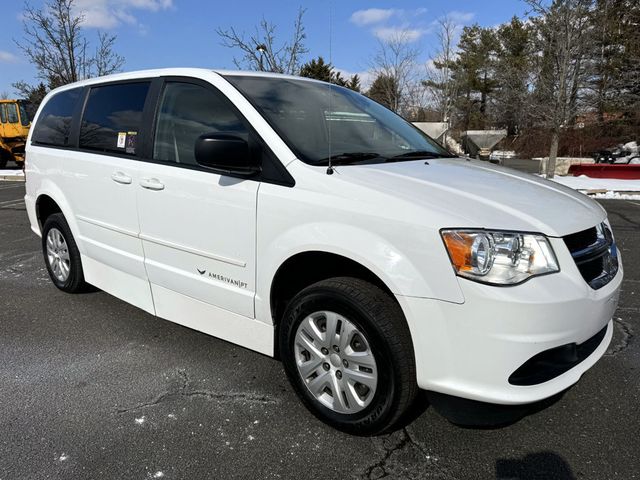
Check the entry steps, handrails, door operation, aisle space, and seating arrangement. If the church regularly transports wheelchair users, consider a vehicle equipped with an appropriate wheelchair lift and securement system. Confirm that the equipment is operational and suitable for the intended passengers.
Also inspect the seats, flooring, windows, interior lighting, and heating or air conditioning. A clean, comfortable interior can make regular trips more convenient for congregation members, particularly during longer journeys.
Inspect the Vehicle’s Mechanical Condition
A used church bus should be evaluated for more than its appearance. Review the engine, transmission, brakes, tires, suspension, steering, lights, and other important mechanical components. These systems affect the vehicle’s reliability and safe operation.
Ask the seller for available maintenance records, previous repair details, mileage information, and ownership documents. A qualified mechanic should inspect the vehicle before purchase and identify any repairs that may be needed. If possible, arrange a road test to check how the bus performs under normal driving conditions.
Church leaders should also confirm that the vehicle meets applicable registration, insurance, inspection, and passenger transportation requirements. A professional inspection can help identify potential concerns before the bus becomes part of the church’s transportation arrangements.
Plan for Maintenance and Operating Costs
The purchase price is only one part of owning a used church bus. Churches should also consider fuel, insurance, registration, routine servicing, tire replacement, and unexpected repairs. These expenses should be included in the transportation budget.
Ask about the availability of replacement parts and the type of maintenance the vehicle may require. If the bus will be used frequently for weekly services and community activities, regular inspections and preventive maintenance will be important.
It is also helpful to consider where the vehicle will be parked, who will drive it, and how trips will be scheduled. Having a clear plan for maintenance and daily operation can help the church keep its transportation service organized.
Final Thoughts
At Major Vehicle Exchange, our team helps buyers explore available bus options based on passenger capacity, vehicle condition, and intended use. Whether a church needs a smaller shuttle for volunteer groups or a larger vehicle for congregation transportation, the right choice depends on its activities, passenger requirements, and operating budget.
Contact Major Vehicle Exchange to discuss your church’s transportation needs and explore available vehicles. Share your expected passenger numbers, common travel routes, and any accessibility requirements with our team. Reviewing the vehicle’s condition and arranging a professional inspection can help you make a more informed purchase.
FAQs
1. What should a church consider before buying a used church bus?
Churches should review passenger capacity, seating arrangements, accessibility features, mechanical condition, maintenance records, safety equipment, and ongoing operating costs before purchasing.
2. Is a 15-passenger used shuttle bus suitable for church transportation?
A 15-passenger used shuttle bus may work well for smaller congregations, volunteer teams, youth activities, and local community outreach programs. The vehicle’s approved seating capacity should always be verified.
3. Can a used church bus be used for community outreach programs?
Yes. Depending on its layout and intended use, a church bus can transport volunteers and participants to community events, charity activities, food distribution programs, and other outreach initiatives.
4. What accessibility features should churches look for in a used bus?
Churches that transport passengers with mobility limitations should consider features such as wheelchair lifts, securement systems, accessible entry points, and suitable interior space.
5. How can churches check the condition of a used bus before buying?
Churches should review maintenance and ownership records, inspect the engine, brakes, tires, suspension, and interior, and arrange a professional mechanical inspection before completing the purchase.
Comments are closed.