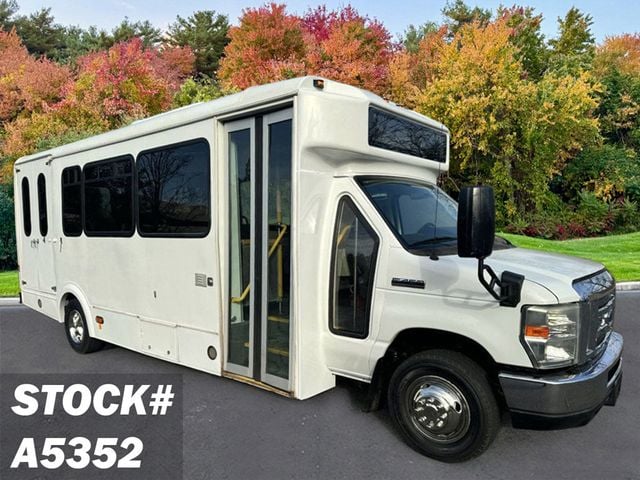
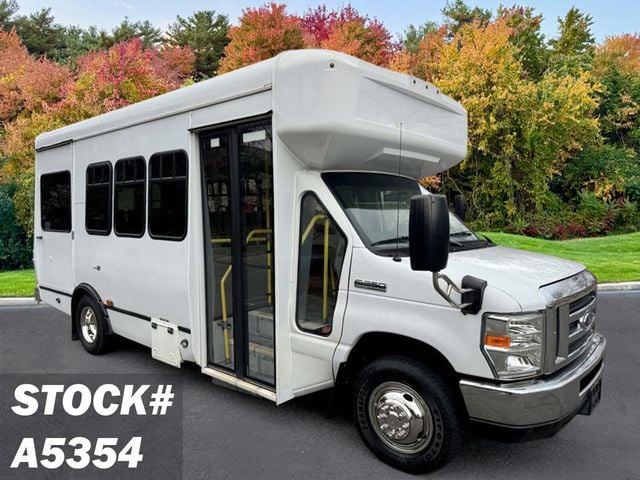
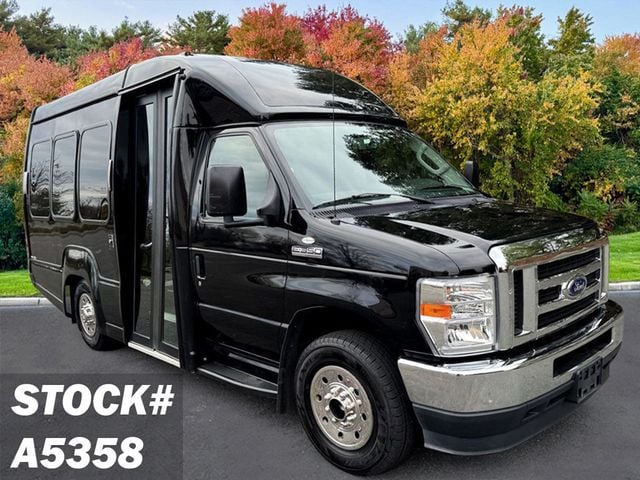
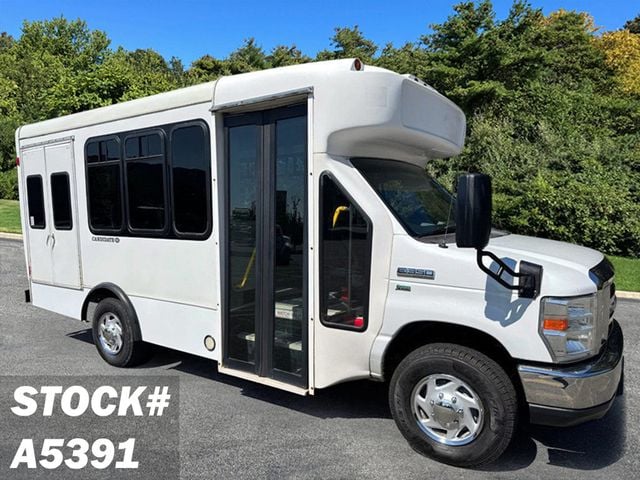
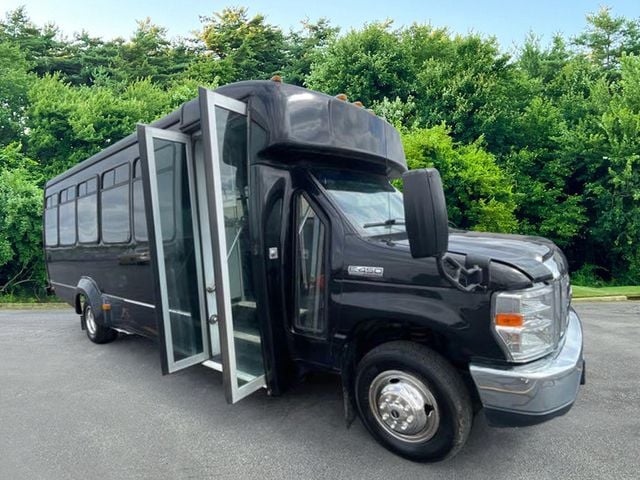
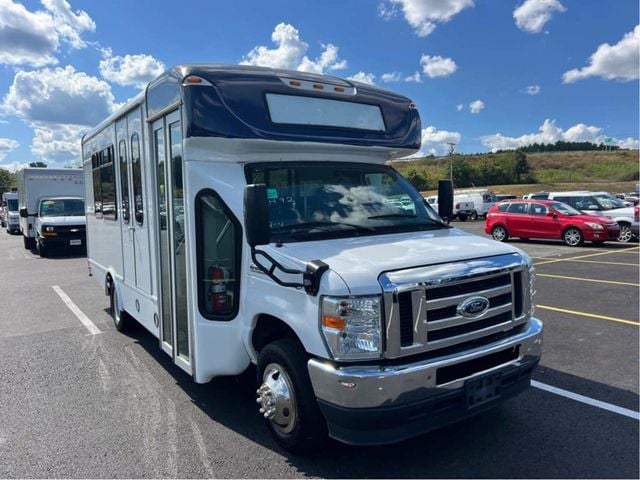
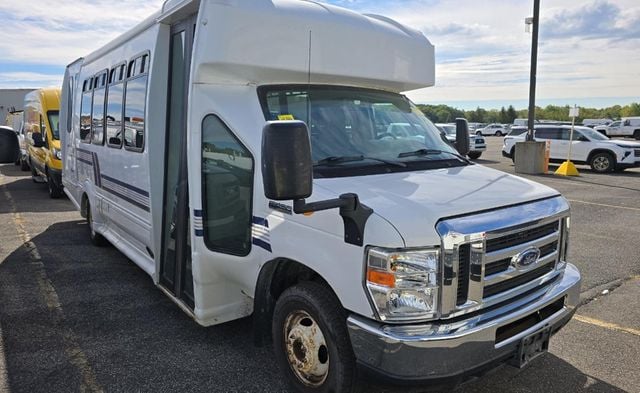
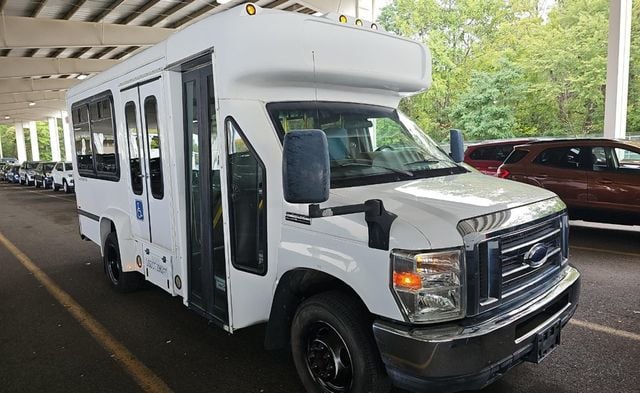
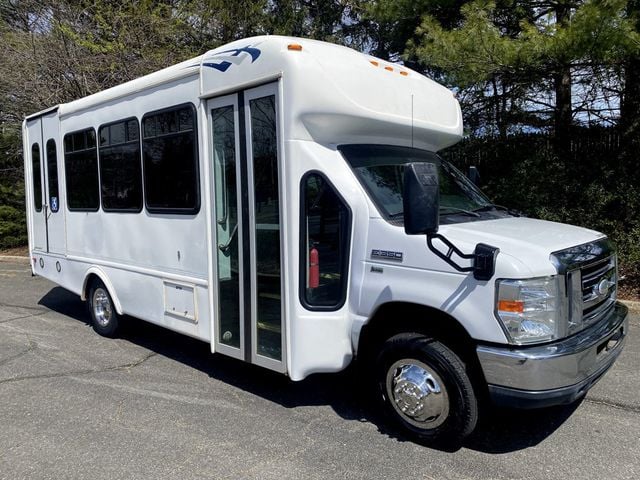
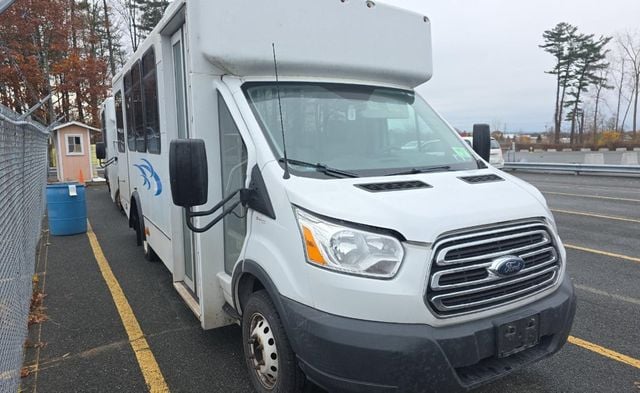
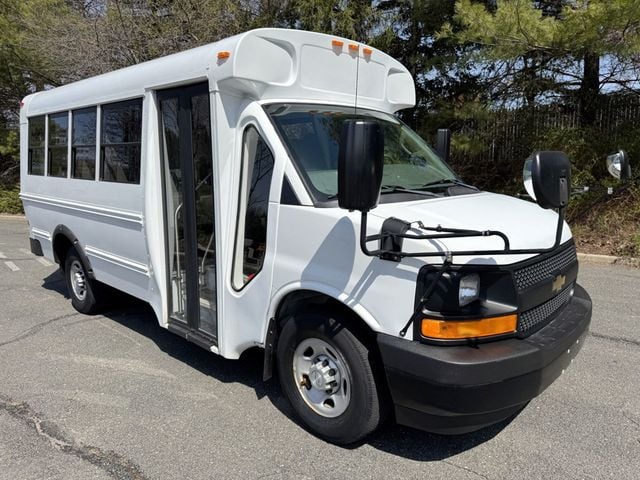
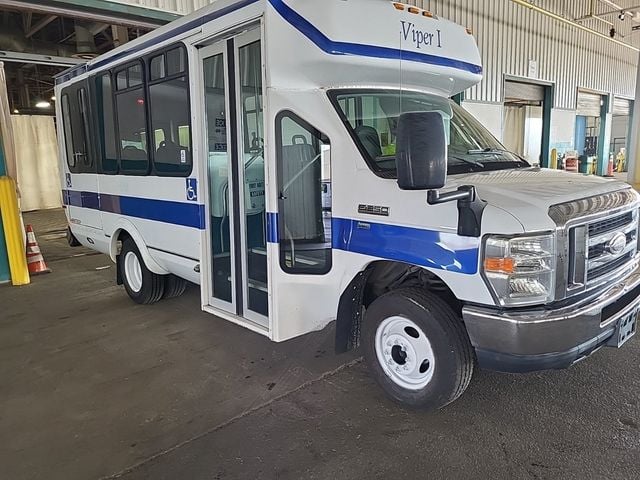
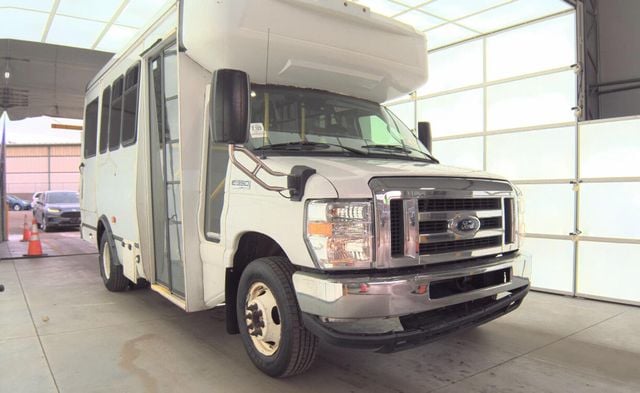
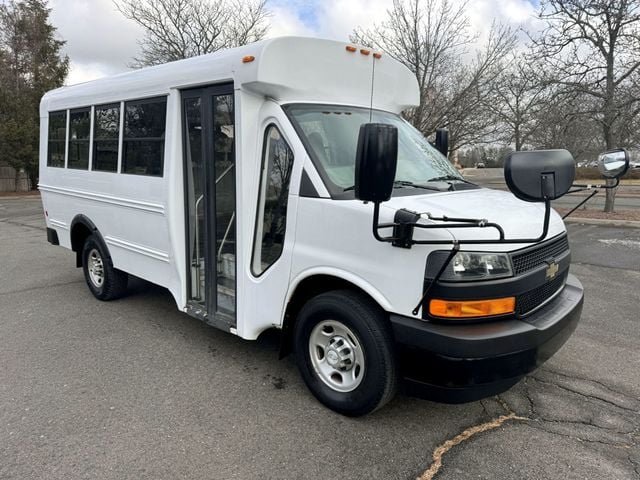
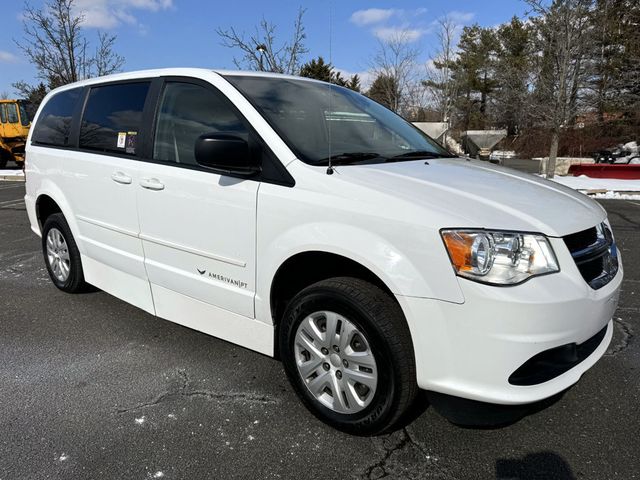
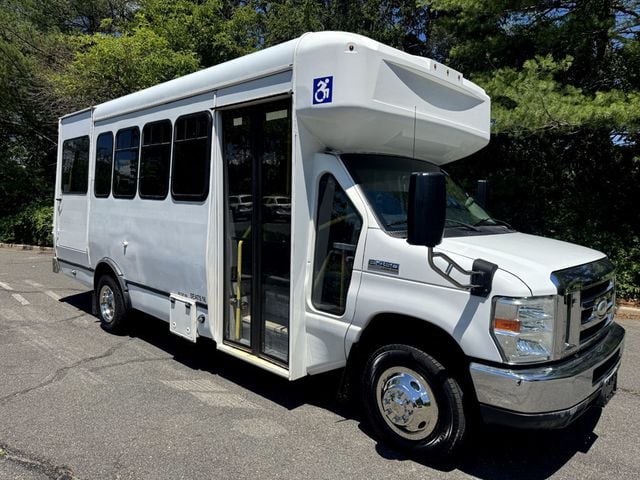
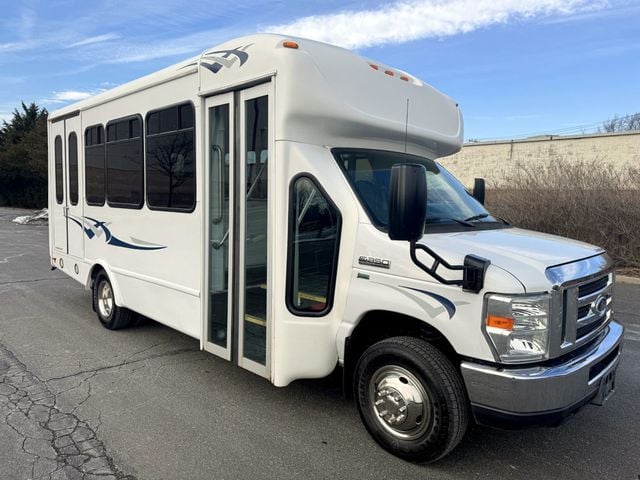
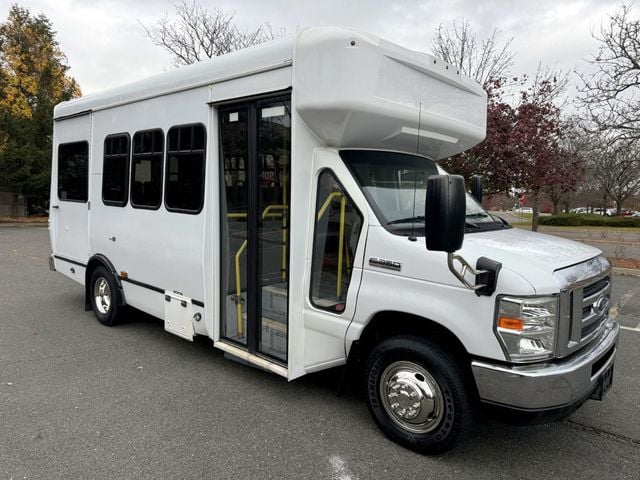
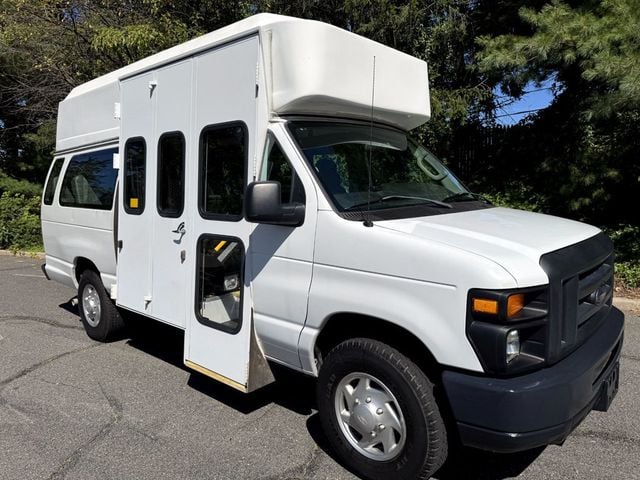

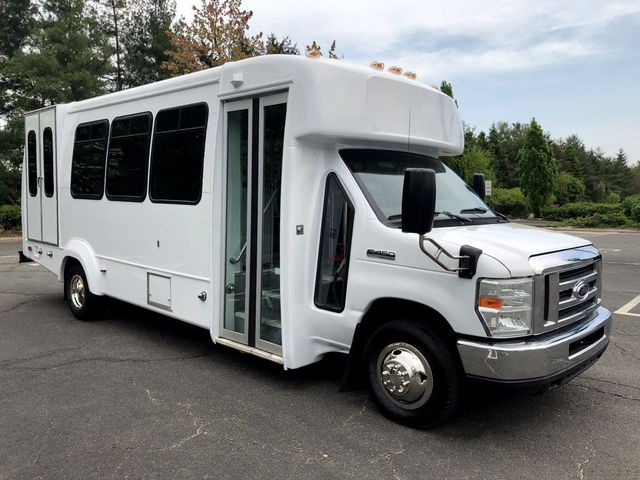
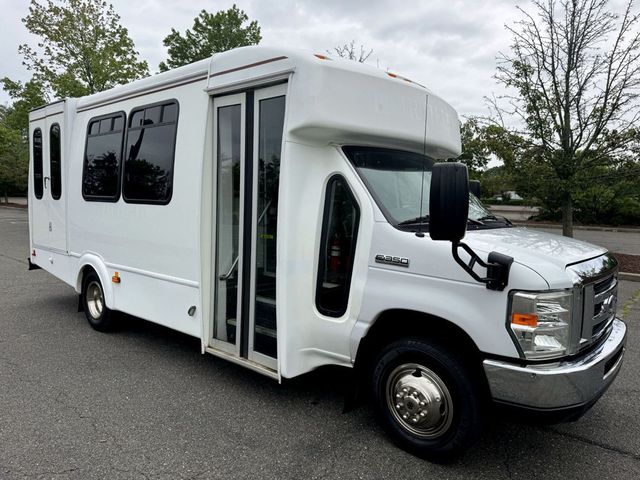
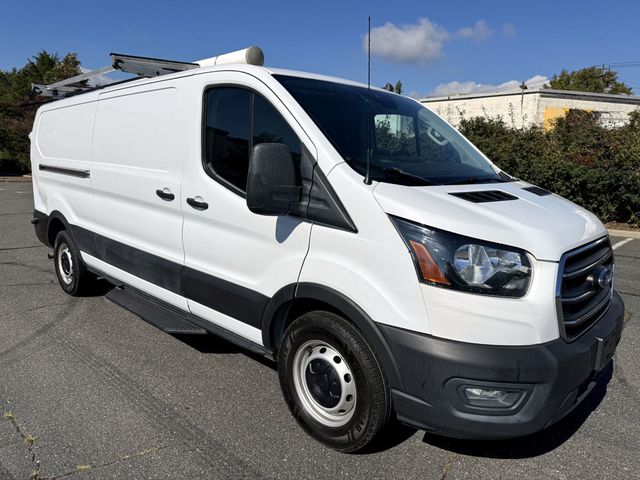

A shuttle bus can serve many purposes beyond transporting employees or customers. Across Ohio, businesses, churches, nonprofit organizations, senior care providers, and community groups have different transportation and service needs. Some require a vehicle to move workers between locations, while others need space for community programs, food distribution, or passengers with mobility challenges.
For organizations searching for a shuttle bus for sale in Ohio, the vehicle’s potential uses should be an important part of the buying decision. A standard passenger shuttle may be suitable for some operations, while others may benefit from interior modifications, specialized equipment, or accessibility features.
A used shuttle bus can also provide a starting point for a different type of operation. With the right layout and modifications, organizations can adapt a vehicle to support their activities, serve specific passenger groups, and meet practical day-to-day requirements.
Here are seven ways to evaluate a shuttle bus for different uses.
1. Employee Transportation and Workforce Mobility
Many employers need reliable transportation for workers traveling between residential areas, workplaces, job sites, and other locations. This is particularly useful when employees work different shifts or when several workers need to reach the same destination.
A shuttle bus can help employers organize scheduled transportation without relying on multiple smaller vehicles. The required setup depends on the number of employees, travel distance, and frequency of trips.
For workforce transportation, consider:
● Seating capacity that matches employee numbers.
● Comfortable seats for regular commuting.
● Storage space for work bags and personal belongings.
● Durable flooring and interior fittings.
● Reliable air conditioning and heating.
● Easy boarding and sufficient aisle space.
Some operations may also require changes to the interior layout to accommodate equipment, additional storage, or specific passenger requirements. Choosing a vehicle that can support these alterations may provide more flexibility over time.
2. Church Transportation and Community Outreach
Churches and religious organizations use transportation for much more than weekly services. Congregations organize retreats, youth activities, religious celebrations, senior outings, community programs, and volunteer initiatives.
A shuttle bus can help transport members who do not have access to personal vehicles and make it easier to coordinate group activities.
However, some religious organizations may need more than a standard passenger vehicle. A modified shuttle can support community outreach activities, mobile ministry programs, and the transportation of supplies for local initiatives.
Depending on the intended use, modifications may include additional storage compartments, adjusted seating arrangements, shelving, or dedicated space for outreach materials.
Before purchasing, consider whether the vehicle will primarily carry passengers, transport supplies, or serve a combination of purposes.
3. Food Banks and Mobile Food Distribution
Food banks, charitable organizations, and community assistance programs can benefit from vehicles adapted for food distribution. Instead of using a shuttle bus exclusively for passenger transportation, an organization may be able to convert a suitable vehicle into a mobile food pantry or distribution unit.
A conversion could include:
● Shelving for packaged food and essential supplies.
● Storage compartments for organized distribution.
● Dedicated areas for food boxes and donated goods.
● Appropriate ventilation and temperature-control equipment where required.
● An interior layout that allows volunteers to organize and distribute supplies.
Some organizations may prefer a vehicle that allows food to be distributed directly from designated service areas, while others may need a combination of passenger seating and storage.
When considering a used bus for sale, evaluate the available interior space, door configuration, vehicle condition, and suitability for the planned conversion. Any additional equipment should also be assessed for weight, electrical, ventilation, and safety requirements.
4. Senior Transportation and Assisted Mobility
Senior centers, retirement communities, care organizations, and local service providers often arrange transportation for older adults attending appointments, recreational activities, community events, and social gatherings.
Some passengers may need assistance with boarding or may use wheelchairs and other mobility devices. A standard shuttle bus may not provide the access they require.
A wheelchair-accessible shuttle bus for sale can be a suitable option for organizations that regularly transport passengers with mobility needs.
Important features to consider include:
● Wheelchair lifts or ramps.
● Securement systems for mobility devices.
● Handrails and grab bars.
● Suitable wheelchair positioning areas.
● Wide entry doors and accessible boarding arrangements.
● Comfortable seating and sufficient interior movement space.
Some vehicles may also require changes to their seating arrangements to create additional wheelchair positions. The right configuration depends on the number of passengers, mobility requirements, and intended transportation service.
5. Mobile Community Services and Specialized Programs
Community organizations and nonprofit groups often provide services that require more than conventional passenger transportation. Some may need a vehicle for mobile outreach, educational activities, local assistance programs, or specialized community services.
A shuttle bus can serve as a starting point for these projects when its size, structure, and condition are suitable for conversion.
For example, organizations may explore:
● Mobile resource and information centers.
● Community outreach vehicles.
● Mobile educational and activity spaces.
● Volunteer support and supply distribution units.
● Mobile assistance programs for underserved communities.
These projects may require substantial interior alterations, including removing or rearranging passenger seats, installing work surfaces, adding storage, and making electrical adjustments.
The intended service should determine the conversion plan. Buyers should identify the equipment, space, power requirements, and access arrangements needed before choosing a vehicle.
6. Understand the Modifications Needed Before Buying
One of the most important considerations when purchasing a shuttle bus for an alternative use is whether the vehicle can accommodate the required modifications.
Not every shuttle is suitable for every conversion. Interior dimensions, body construction, door placement, available weight capacity, and existing equipment can affect what changes are practical.
Before purchasing, prepare a list of the alterations your organization expects to make.

Also consider the vehicle’s mechanical condition and structural suitability. Modifications can add weight and change how a vehicle is used, so the conversion should be assessed by qualified professionals. Any changes must also account for applicable safety, registration, and accessibility requirements.
Planning the conversion before buying can help avoid choosing a vehicle that requires more work or expense than expected.
7. Inspect the Vehicle and Plan for Long-Term Ownership
Whether you need a passenger shuttle or a vehicle for a specialized conversion, its original condition remains important.
Review the maintenance history, mileage, and previous use. Inspect the engine, transmission, brakes, tires, suspension, electrical systems, and body condition. Pay attention to rust, leaks, previous repairs, and signs of structural damage.
If the bus already has specialized equipment, test its operation. For wheelchair-accessible vehicles, inspect the lift, controls, securement points, and related safety equipment.
You should also estimate the cost of the planned modifications alongside the purchase price. Additional expenses may include installation, electrical work, interior alterations, replacement parts, and ongoing maintenance.
A well-planned purchase considers both the vehicle’s current condition and what it will take to prepare it for its intended purpose.
Find a Shuttle Bus That Matches Your Intended Use
Not every organization needs a shuttle bus for the same reason. Some need dependable transportation for employees, while others need vehicles for church activities, senior services, food distribution, or specialized community programs. In many cases, the right vehicle is one that can be adapted to meet a particular requirement.
At Major Vehicle Exchange, we help buyers explore reconditioned shuttle buses for different transportation needs. Whether you are looking for a standard passenger vehicle, a wheelchair-accessible shuttle bus for sale, or a suitable starting point for a specialized vehicle project, it is important to evaluate the vehicle’s condition, layout, and potential uses.
Visit Major Vehicle Exchange or contact our team to discuss your requirements and explore available shuttle bus options.
FAQs
1. What can a shuttle bus be used for besides passenger transportation?
A shuttle bus can potentially be adapted for mobile food pantries, church outreach, community resource programs, mobile information centers, and specialized service operations. The suitability depends on the vehicle and required modifications.
2. Can a used shuttle bus be converted into a mobile food pantry?
Yes, a suitable vehicle may be converted with shelving, storage compartments, food distribution areas, and other necessary equipment. Buyers should assess interior space, weight capacity, ventilation, and temperature-control requirements before starting the conversion.
3. What modifications are available for wheelchair-accessible shuttle buses?
Depending on the vehicle, modifications may include wheelchair lifts, ramps, securement systems, handrails, wider access arrangements, and adjusted seating layouts.
4. What should organizations consider before buying a shuttle bus for conversion?
Consider the intended use, interior dimensions, body condition, available weight capacity, door configuration, electrical requirements, and estimated conversion costs. The vehicle should be suitable for the planned alterations.
5. Are reconditioned shuttle buses suitable for community organizations and nonprofits?
A reconditioned shuttle bus may be a practical option for organizations with limited budgets. Its suitability depends on mechanical condition, available space, seating configuration, and the modifications required for the intended service.