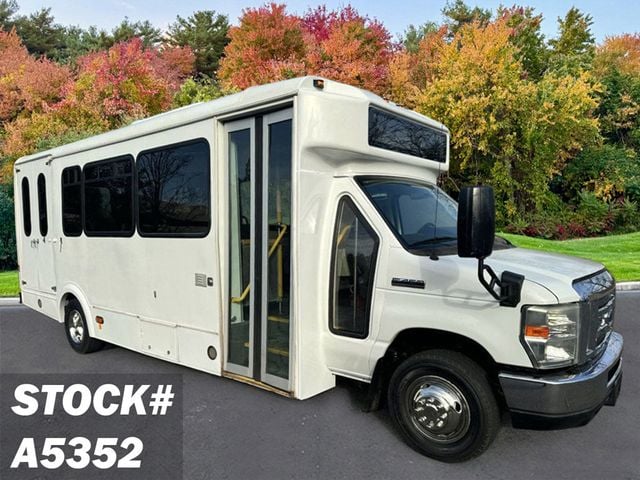
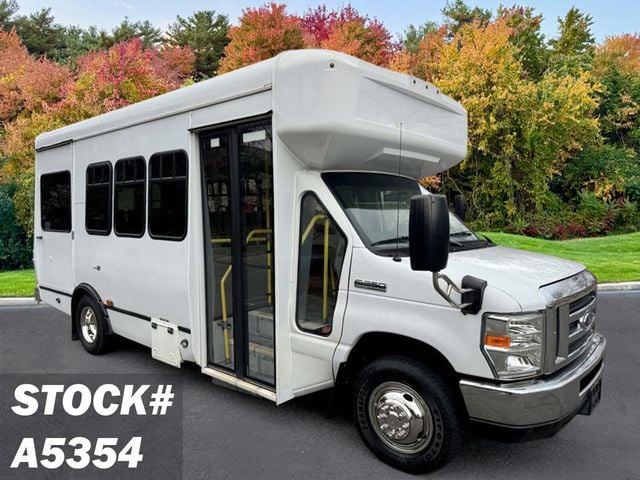
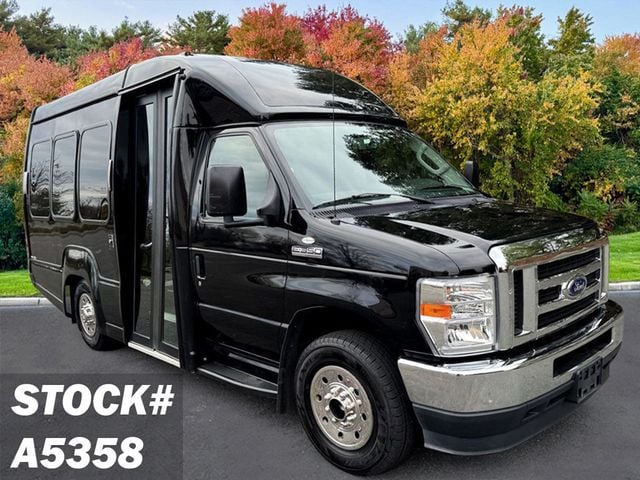
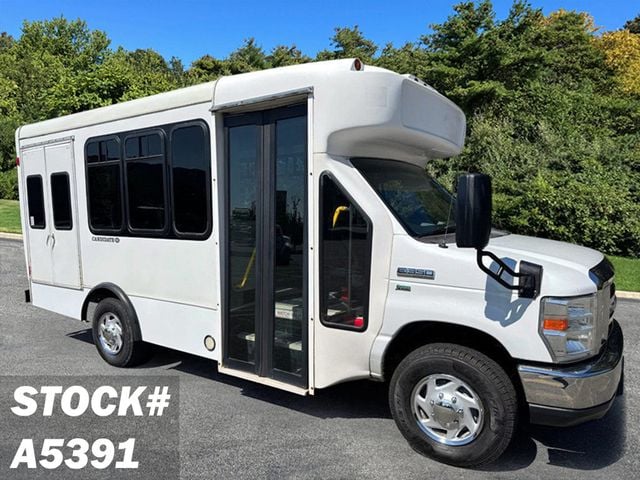
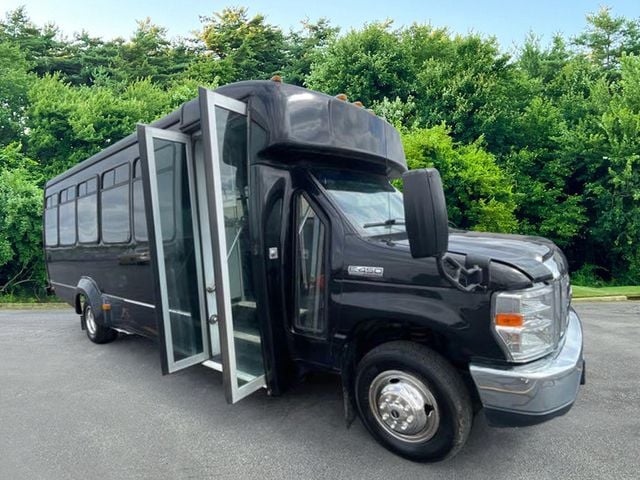
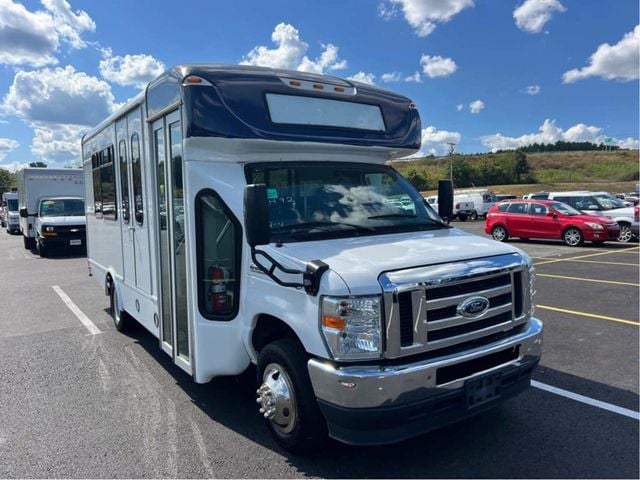
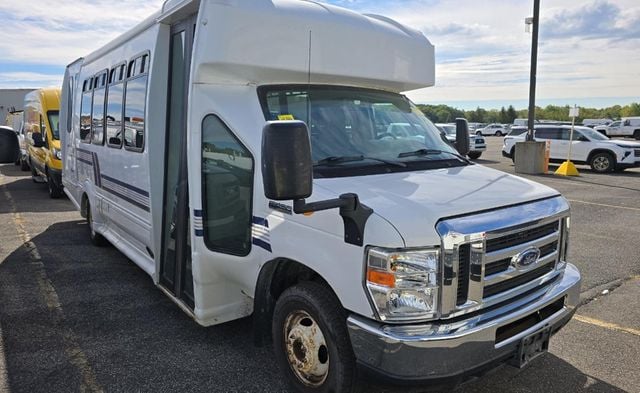
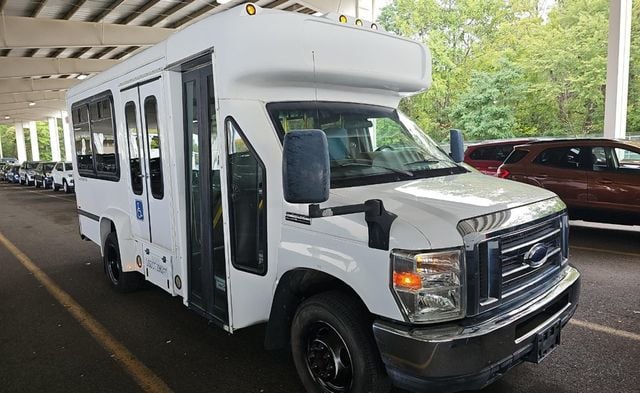
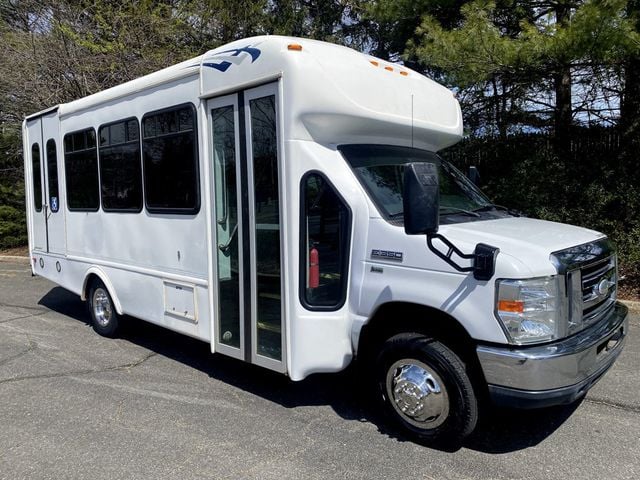
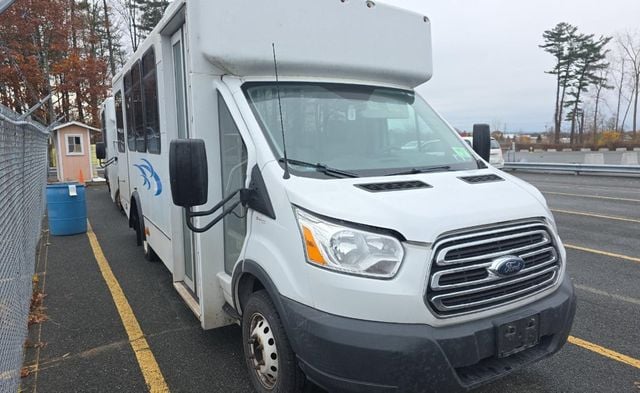
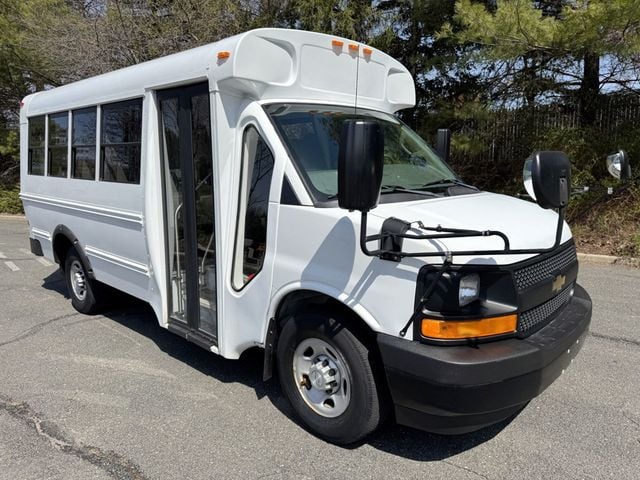
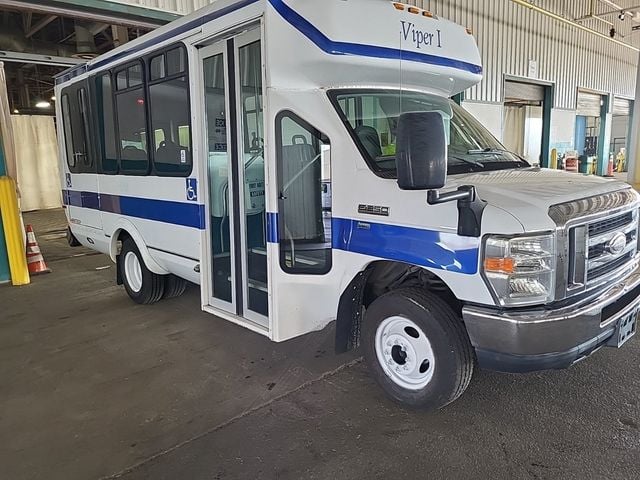
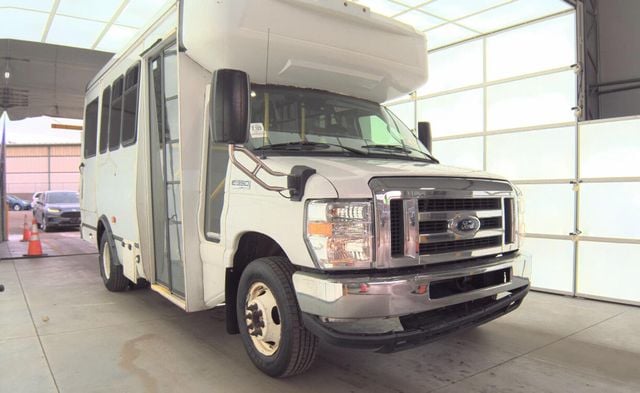
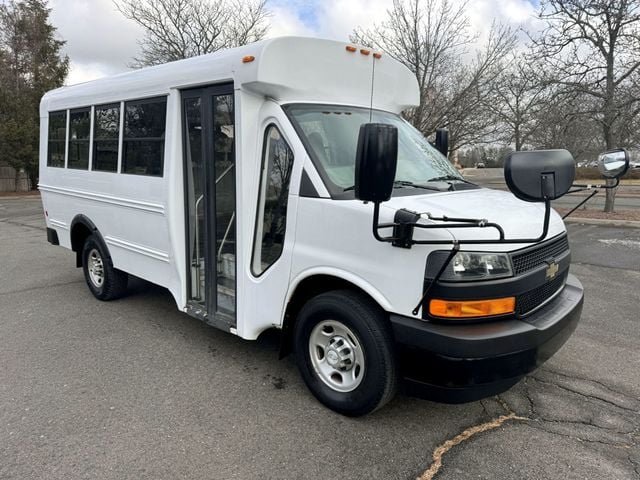
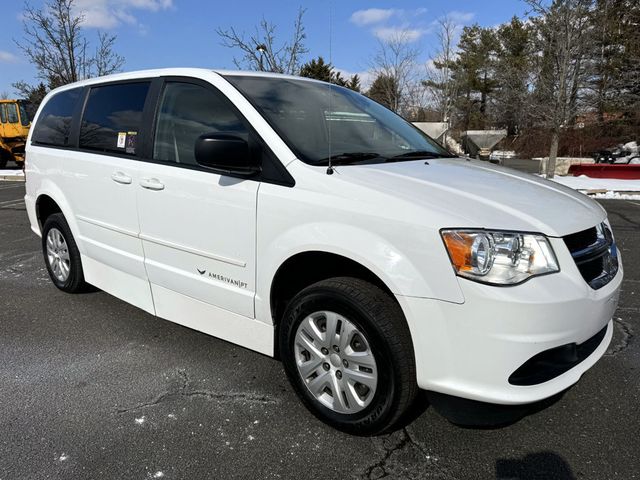
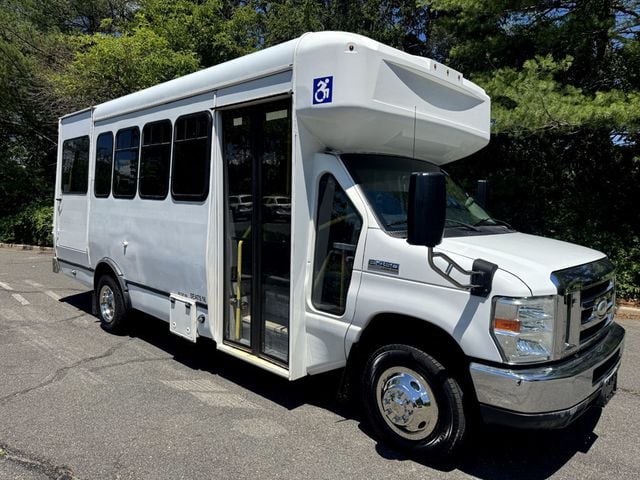
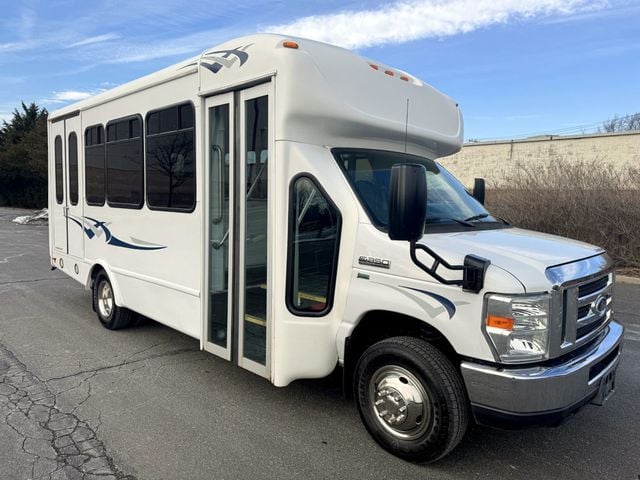
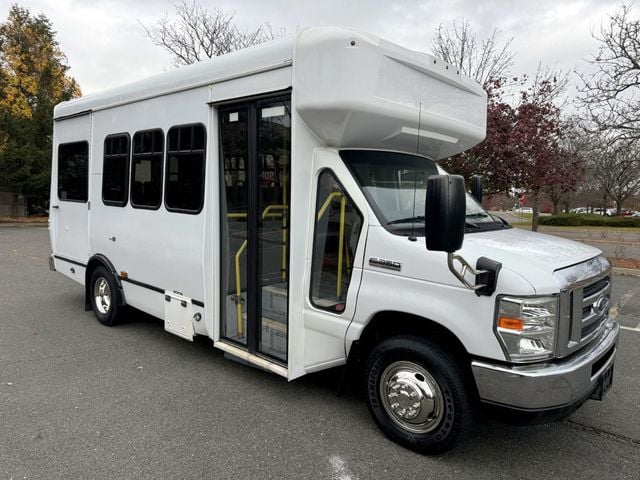
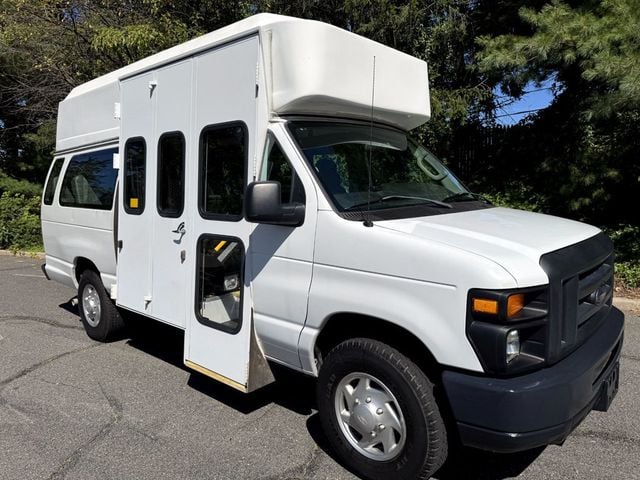

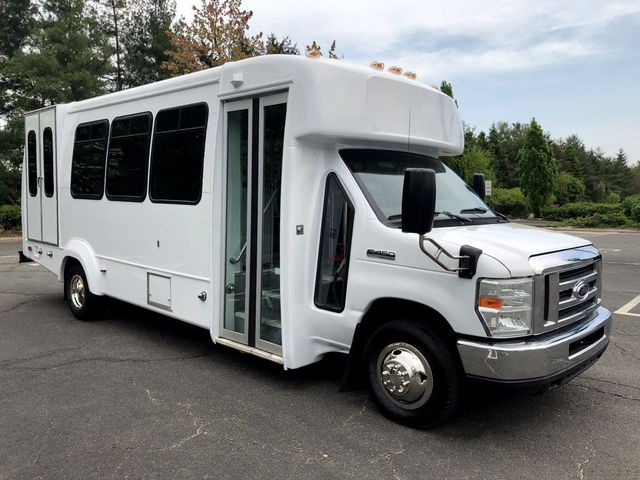
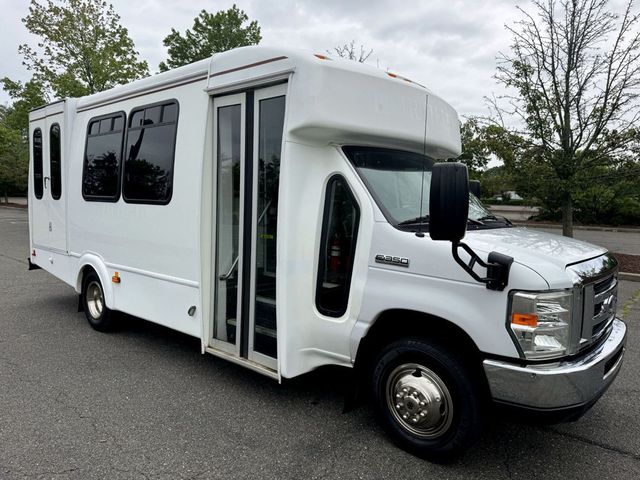
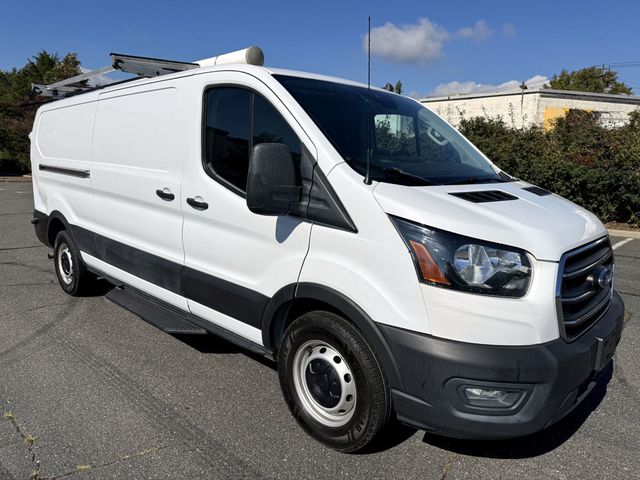

Business transportation needs can change as teams grow, work schedules shift, and client travel increases. Choosing the right vehicle helps companies manage these changes without disrupting daily operations. Businesses looking to buy a shuttle bus in Pennsylvania should consider passenger capacity, route needs, comfort, and vehicle condition before buying. A suitable shuttle bus can support employee transfers, client pickups, and group travel. It also gives companies more control over their transport plans and helps them serve passengers with fewer delays. The right choice can also reduce travel problems and make daily planning easier. Before purchasing, businesses should review how they’ll use the vehicle and which features will support current and future needs.
1. Keep Up With a Growing Workforce
As a business grows, its transportation needs may increase. More employees can mean more daily trips between offices, work sites, and parking areas. A shuttle bus with suitable seating capacity helps companies move staff in fewer trips. Start by reviewing your current passenger numbers. Then consider future hiring plans and shift changes. A vehicle with enough seats for expected growth can prevent the need to buy another one soon. It also helps managers plan pickup times and travel schedules more easily. For example, a company with several work shifts may need a bus that can carry groups at different times. Check how many employees travel together each day. This helps you choose the right size and avoid paying for empty seats.
2. Adjust Routes as Business Needs Change
A fixed travel route may not suit your company forever. New work locations, client meetings, and office changes can create new transport needs. The right shuttle bus should handle these changes with ease. Check the vehicle’s length, height, turning radius, and storage space before buying. These details matter if the bus must travel through narrow streets, busy areas, or large work sites. Also, consider the daily distance covered. For longer trips, choose a vehicle with comfortable seats, reliable air conditioning, and dependable engine performance. A flexible transport plan helps your business serve different locations without making major changes to its daily routine. It is also useful to review the road types along your planned routes. Some trips may involve highways, while others may include narrow roads or frequent stops. The vehicle should suit these conditions. Check parking areas and passenger pickup points to ensure the bus can enter and exit easily.
3. Give Employees a More Reliable Ride
Employee transportation can affect attendance and daily work schedules. A reliable shuttle service helps staff arrive on time. It can also reduce the stress of finding transport during busy hours. Choose a vehicle with comfortable seats, working seat belts, proper lighting, and a good heating and cooling system. Clear entry points and enough aisle space also make travel easier. Check the passenger doors and steps to ensure people can board and exit without difficulty. Regular vehicle inspections are equally important. Check the brakes, tires, engine, and other key parts to keep the shuttle ready for daily use. Businesses should also set clear pickup times and choose stops that are easy for employees to reach. A planned schedule helps reduce missed pickups and late arrivals. Keep the interior clean and check the seats often.
4. Make Client Travel More Comfortable
Client transportation is part of the service your business provides. A clean and well-maintained shuttle can create a positive first impression. It also makes it easier for clients to get to meetings, offices, and other locations. Look for a bus with supportive seats, enough legroom, proper air conditioning, and space for personal bags. The interior should be clean and easy to use. If your business often carries visitors, consider a layout that makes entry and exit easy. A comfortable vehicle can support airport pickups, business events, hotel transfers, and other group travel needs. Check the windows, lighting, and passenger controls before you choose. These features can make the cabin more pleasant during short and long trips.
5. Support Passengers With Different Mobility Needs
Your transportation plan should consider every passenger. Some people may use wheelchairs or need help climbing steps. A suitable shuttle bus can make travel easier for these passengers. Look for features such as wheelchair lifts, securement systems, handrails, wide entry doors, and enough interior space. Check that the lift works properly and that the wheelchair securement points are in good condition. Businesses should also review the accessibility rules that apply to their transport service. The right setup helps more people use company transportation comfortably and easily. Check the lift controls and the area around the entrance. Drivers should also know how to use the equipment correctly. Proper training helps them assist passengers during boarding and exit.
6. Choose a Vehicle That Can Serve Long Term
Business needs may change, but a suitable shuttle bus should remain useful for years. Check replacement part availability and confirm local repair shops can service the vehicle. Review its seating layout, passenger capacity, and mechanical condition. Also, consider the type of work the bus will handle most often. A company that carries employees daily may need a different setup than one that provides occasional client transport. Matching the vehicle to its main purpose can improve its long-term value. Keep records of service dates, inspections, and repairs after purchase. This helps your team track the vehicle’s condition and plan future maintenance.
Final Note:
At Major Vehicle Exchange, our team helps businesses choose transport vehicles that match their passenger needs, routes, and daily operations. Whether you need a staff shuttle, a client transport vehicle, or a used shuttle bus for sale, our range of reconditioned shuttle buses offers options for different business requirements. We can help you review seating capacity, condition, and features before you choose. Contact Major Vehicle Exchange today to discuss your transport plans and find a vehicle that can support your company’s changing needs.
FAQs:
1. How can a shuttle bus support a growing business?
A shuttle bus helps businesses transport more employees, manage new shifts, serve multiple locations, and handle rising passenger numbers with fewer delays.
2. What factors should businesses consider when choosing a shuttle bus?
Businesses should review passenger capacity, route distance, seating comfort, vehicle condition, accessibility features, fuel use, and long-term maintenance needs before buying.
3. How does a shuttle bus improve employee transportation?
A reliable shuttle service helps employees arrive on time, reduces travel stress, supports scheduled pickups, and makes daily staff transport easier.
4. What features make a shuttle bus suitable for client transportation?
Comfortable seats, air conditioning, clean interiors, luggage space, working seat belts, and easy entry help provide clients with a pleasant travel experience.
5. How can businesses maintain a shuttle bus for long-term use?
Regular servicing, tire checks, brake inspections, engine maintenance, and timely repairs help keep a shuttle bus in good working condition for daily business travel.
Comments are closed.