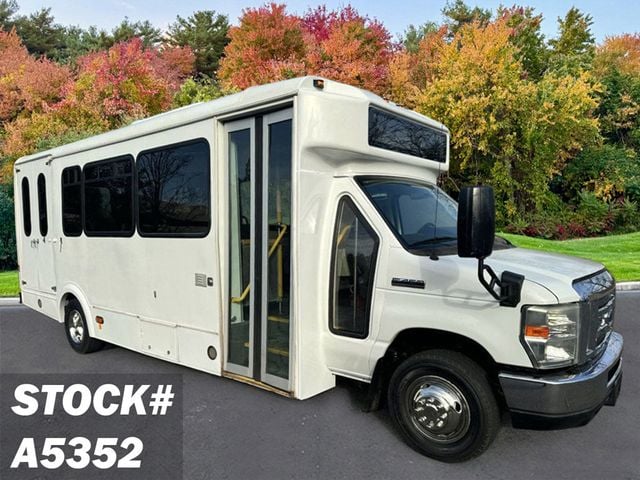
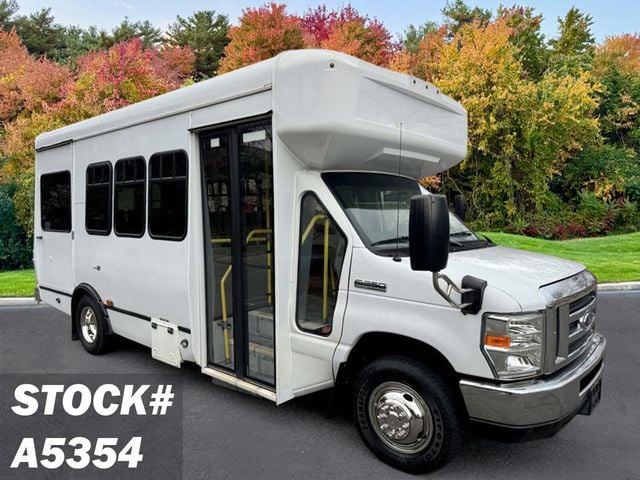
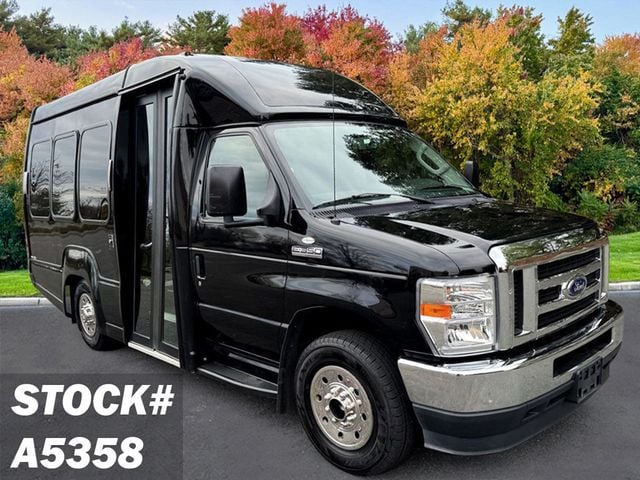
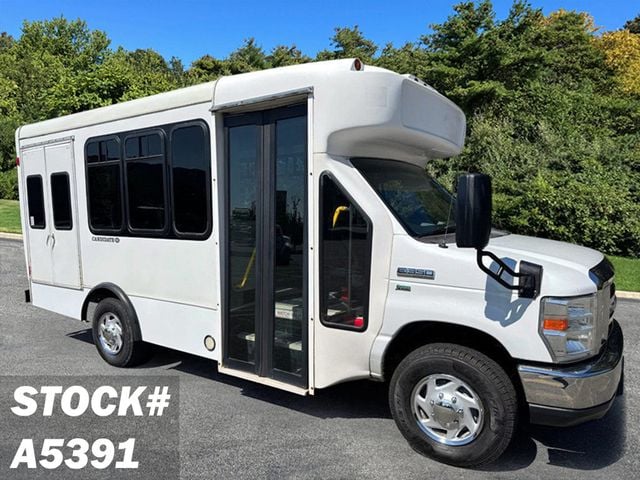
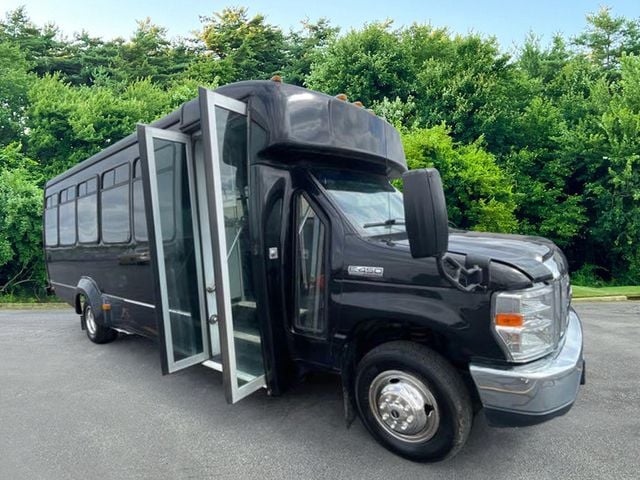
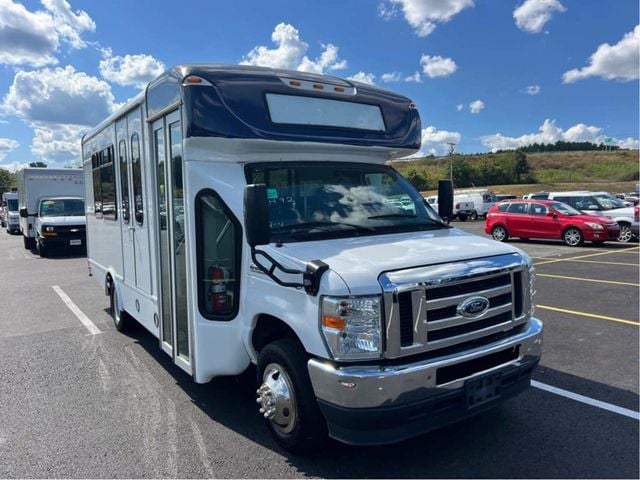
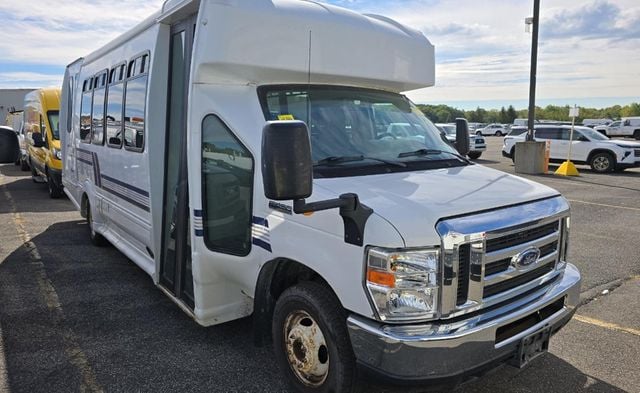
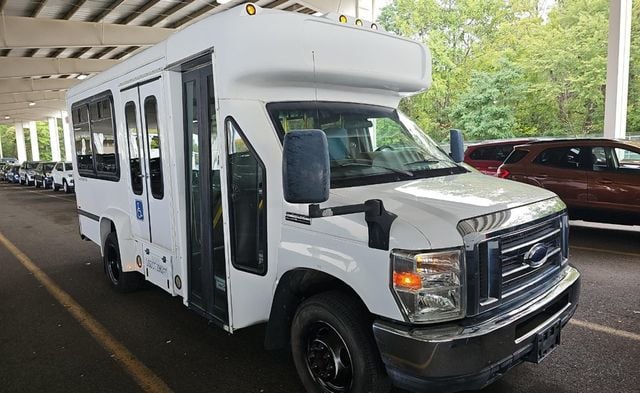
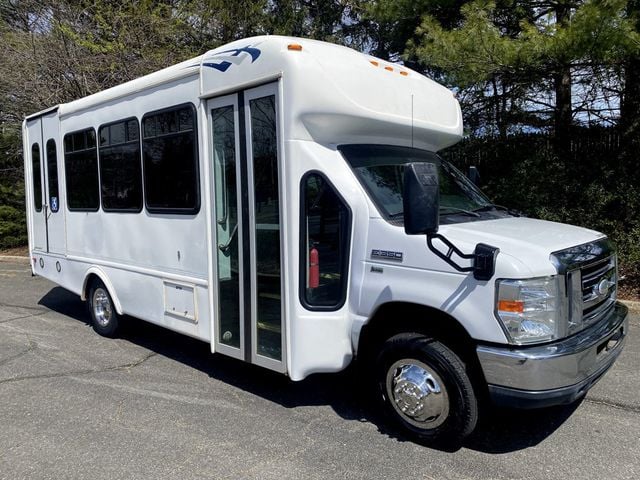
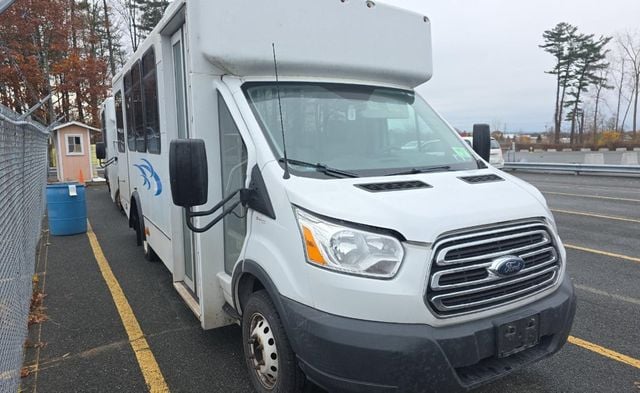
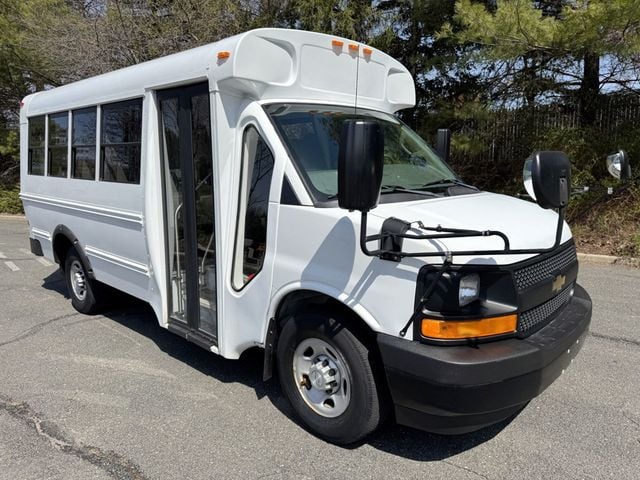
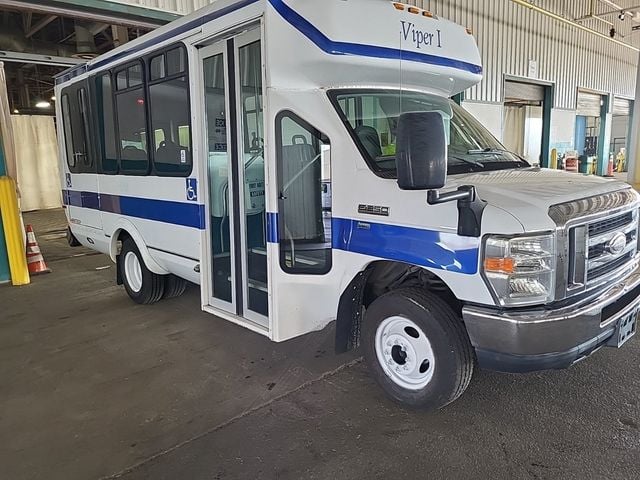
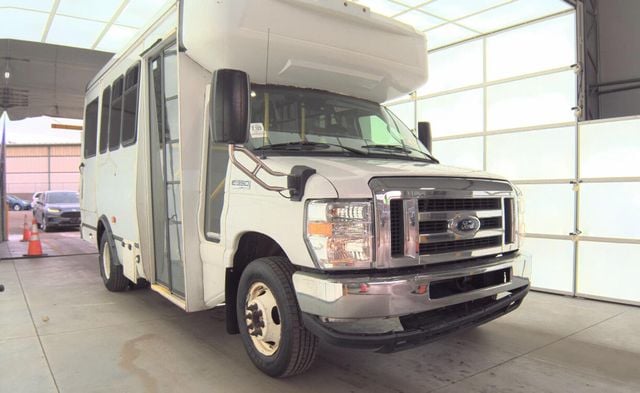
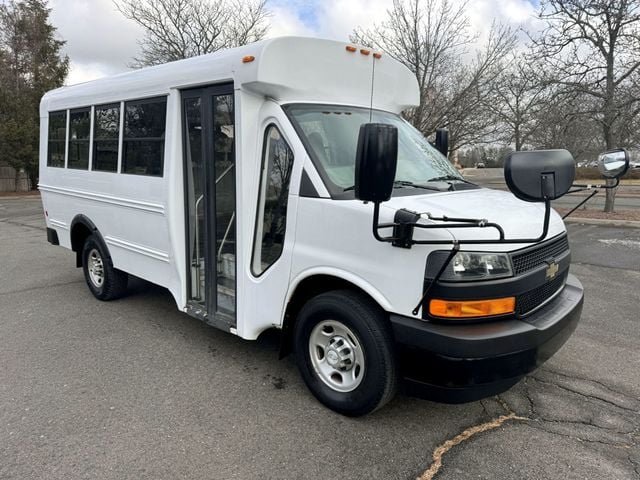
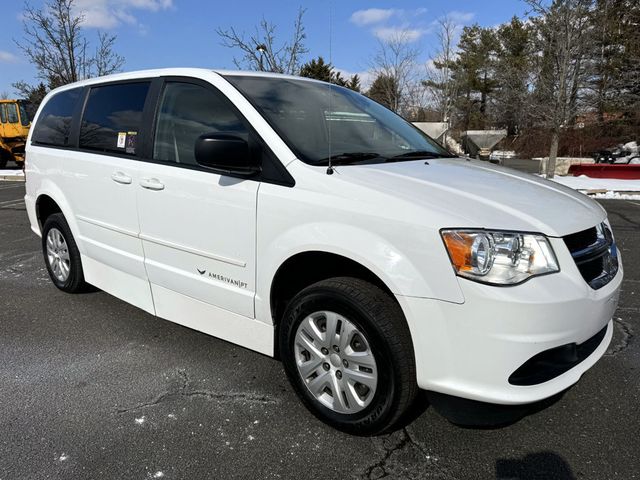
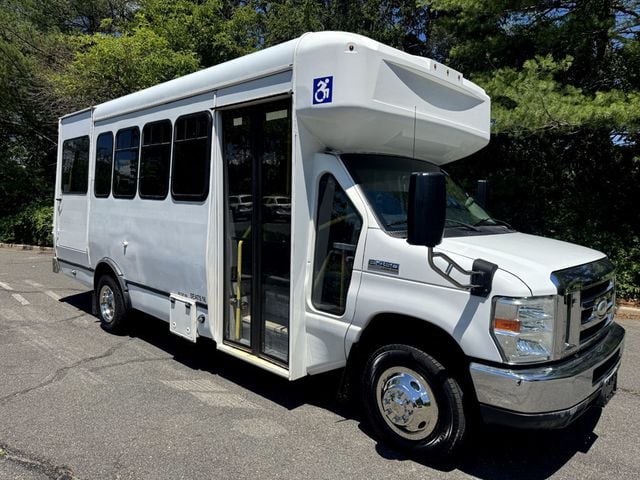
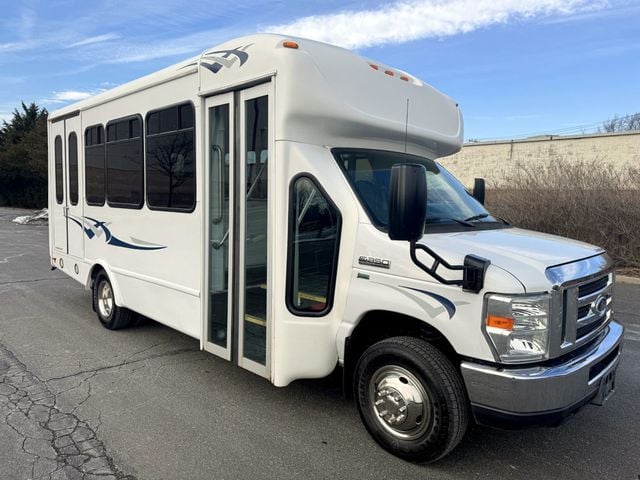
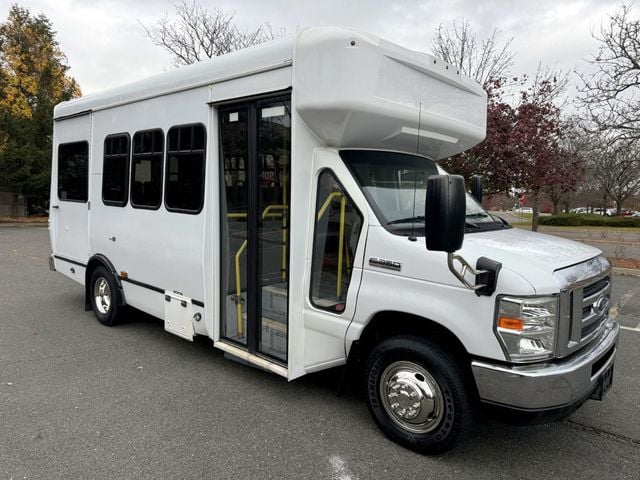
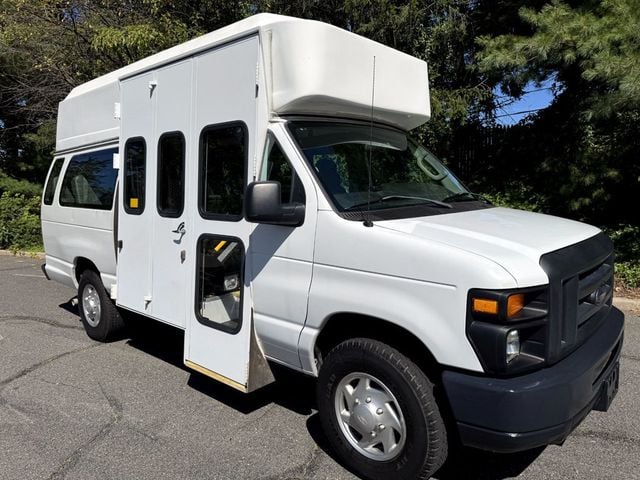

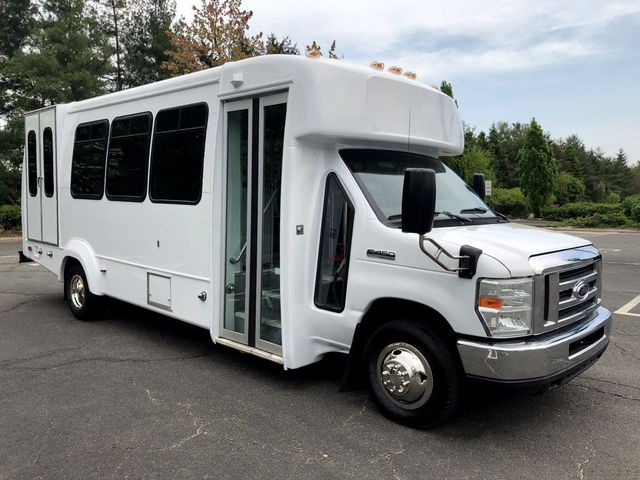
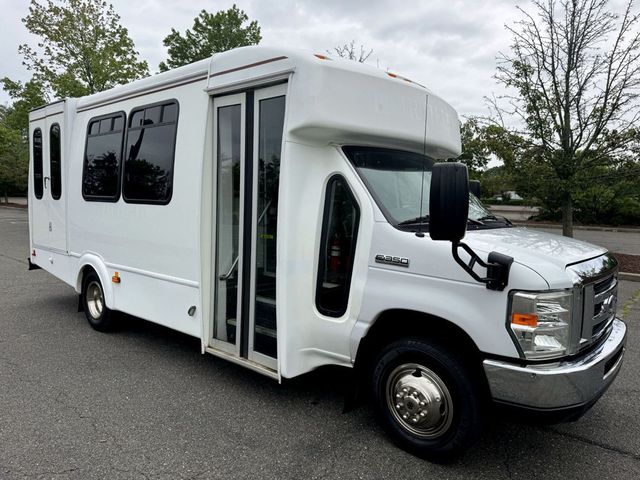
Finding the right shuttle bus requires more than comparing prices and seating capacity. Buyers must consider who will use the vehicle, where it will travel, accessibility requirements, and long-term operating costs. For businesses and organizations looking for a shuttle bus for sale in Maryland, these decisions are especially important because transportation needs across the state vary widely.
Maryland serves a diverse population and is closely connected to Washington, DC, and Northern Virginia. This creates demand for group transportation across tourism, corporate travel, employee transportation, religious organizations, community groups, and senior services. Whether you need a shuttle for hotel guests, church members, sightseeing groups, or daily passenger transportation, choosing the right vehicle can make a significant difference.
A well-selected shuttle bus should provide comfortable seating, reliable performance, convenient boarding, and enough flexibility to support your transportation needs. Here are six important factors to consider before making a purchase.
1. Understand Your Passenger and Group Transportation Needs
Start by identifying who will use the shuttle bus and how many passengers you expect to transport regularly. Maryland has a wide range of group transportation needs, from corporate teams and tourism groups to church congregations, community organizations, and senior passengers.
For example, a hotel may need a shuttle for airport transfers and guest transportation, while a religious organization may require a vehicle for weekly services, events, and group outings. Organizations providing transportation for older adults may need additional attention to comfortable seating, easy entry, and accessibility.
Consider both regular passenger numbers and peak demand. If your organization frequently transports larger groups, choosing a bus with sufficient seating can reduce the need for multiple trips. Also, think about future requirements so your vehicle continues to meet your needs as your transportation activities grow.
2. Choose a Shuttle Bus That Fits Your Routes
Maryland’s location near Washington, DC, creates a mix of transportation environments. Shuttle buses may travel through busy metropolitan areas, suburban communities, local roads, and major highways connecting Maryland with Virginia and the nation’s capital.
Your regular routes should influence the type of vehicle you choose. For transportation around Baltimore, Silver Spring, Bethesda, or the Washington, DC, metropolitan area, consider vehicle dimensions, maneuverability, passenger entry, and parking requirements.
For longer trips, tourism transportation, or travel between Maryland and Virginia, passenger comfort becomes especially important. Look at seating, legroom, air conditioning, luggage capacity, and overall vehicle performance.
Before purchasing, consider your regular stops, average travel distances, traffic conditions, and parking arrangements. A shuttle bus that works well for short local transfers may not be the best choice for longer group journeys.
3. Establish a Budget and Consider Long-Term Costs
Setting a realistic budget helps narrow down your options. However, the purchase price is only one part of owning a shuttle bus. You should also account for insurance, fuel, registration, routine servicing, and potential repairs.
A used or reconditioned shuttle bus can offer a practical option for organizations that want to manage their initial investment. However, its overall value depends on its maintenance history, mileage, mechanical condition, and available features.
Compare vehicles with similar specifications before making a decision. Ask about previous maintenance, major repairs, and any equipment that may need attention after purchase.
If your organization transports senior passengers or people with mobility needs, include accessibility features in your budget. Looking for a shuttle bus for sale with lift may help you find a vehicle that better accommodates passengers who use wheelchairs.
4. Prioritize Passenger Comfort and Accessibility
Passenger comfort should be a major consideration, particularly when transporting older adults, tourists, and groups traveling longer distances.
Look for supportive seats, sufficient legroom, working seat belts, clear aisles, and a reliable heating and cooling system. If the vehicle will carry luggage, personal belongings, or group equipment, make sure the interior provides enough storage space.
Accessibility is equally important. Maryland’s diverse passenger transportation needs make accessible vehicles a valuable consideration for senior transportation providers, community organizations, healthcare-related transport services, and other groups.
A shuttle bus equipped with a wheelchair lift can make boarding easier for passengers with limited mobility. Check the lift’s operating condition, wheelchair securement points, available interior space, handrails, and entry arrangements.
Choosing a vehicle with suitable accessibility features can help organizations accommodate more passengers while providing a more comfortable transportation experience.
5. Inspect the Vehicle Before Making a Purchase
Whether you are purchasing a new-to-you or reconditioned shuttle bus, a thorough inspection is essential.
Start with the major mechanical components, including the engine, transmission, brakes, tires, suspension, and electrical systems. Review the mileage and request available maintenance records to understand the vehicle’s previous use and service history.
Pay attention to the passenger area as well. Inspect the seats, flooring, windows, doors, lighting, air conditioning, and other interior features. If the vehicle has a wheelchair lift, test its operation and inspect the associated safety and securement equipment.
Look for rust, fluid leaks, damaged components, and signs of previous repairs. A professional mechanical inspection can help identify potential problems that may not be obvious during a basic visual check.
Taking time to inspect the vehicle can help you understand its condition, estimate future maintenance expenses, and make a more informed purchasing decision.
6. Review Driver, Registration, and Transportation Requirements
Before purchasing a shuttle bus, make sure it meets the requirements for your intended transportation activities.
Driver licensing requirements can depend on factors such as vehicle weight, passenger capacity, and how the vehicle will be used. Some vehicles and transportation operations may require a commercial driver’s license or additional qualifications.
You should also review applicable vehicle registration, insurance, inspection, and accessibility requirements. If your organization provides transportation across Maryland, Virginia, and Washington, DC, make sure you understand the requirements relevant to your routes and operations.
Check that the vehicle’s documentation accurately reflects its seating configuration and equipment. Planning these details before purchase can help prevent unexpected expenses and operational delays.
Find the Right Shuttle Bus for Your Transportation Needs
At Major Vehicle Exchange, we understand that different organizations need different transportation solutions. From corporate and employee transportation to tourism, religious groups, community travel, and senior passenger services, choosing the right shuttle bus starts with understanding your requirements.
Whether you are looking for a standard passenger vehicle or a shuttle bus for sale with lift, our selection of reconditioned shuttle buses offers options for different passenger and transportation needs.
Explore our available vehicles at Major Vehicle Exchange or contact our team to discuss your requirements and find a shuttle bus that fits your passenger capacity, accessibility needs, and budget.
FAQs
1. What should I consider when buying a shuttle bus in Maryland?
Consider passenger capacity, regular travel routes, vehicle condition, accessibility features, operating costs, and intended use. Your choice should reflect the type of passengers and transportation services you plan to provide.
2. What types of organizations need shuttle buses in Maryland?
Hotels, tourism operators, corporate organizations, religious groups, community organizations, senior transportation providers, and employee transportation services can all benefit from shuttle buses.
3. Should I consider a shuttle bus with a wheelchair lift?
Yes, if you regularly transport passengers with mobility needs. A wheelchair lift, securement points, handrails, and suitable interior space can make boarding and travel more accessible.
4. What should I check before purchasing a reconditioned shuttle bus?
Review the vehicle’s mileage, maintenance history, engine, transmission, brakes, tires, suspension, interior condition, and electrical systems. Test all major features and arrange a professional inspection before purchasing.
5. Can a shuttle bus be used for transportation between Maryland, Virginia, and Washington, DC?
Yes. Shuttle buses can support group transportation across the Maryland, Virginia, and Washington, DC, metropolitan area. However, buyers should consider their routes, passenger capacity, vehicle suitability, and applicable transportation requirements before purchasing.
Comments are closed.