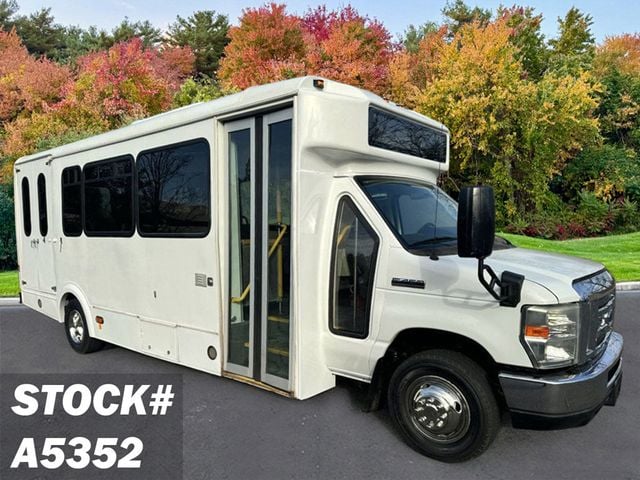
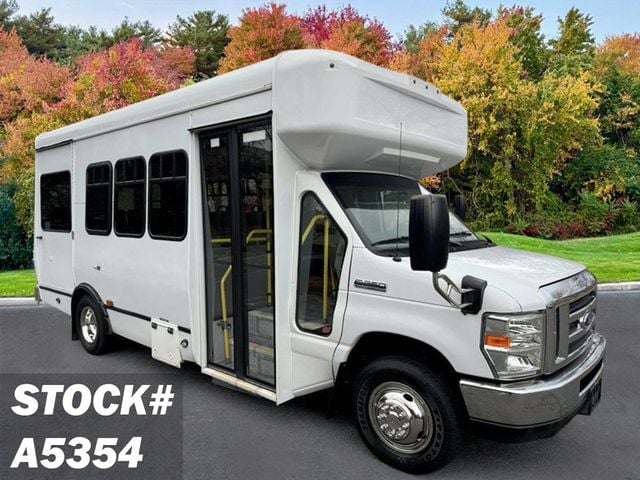
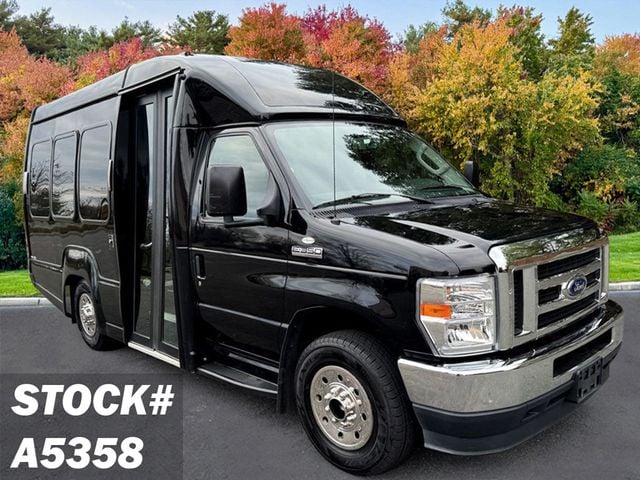
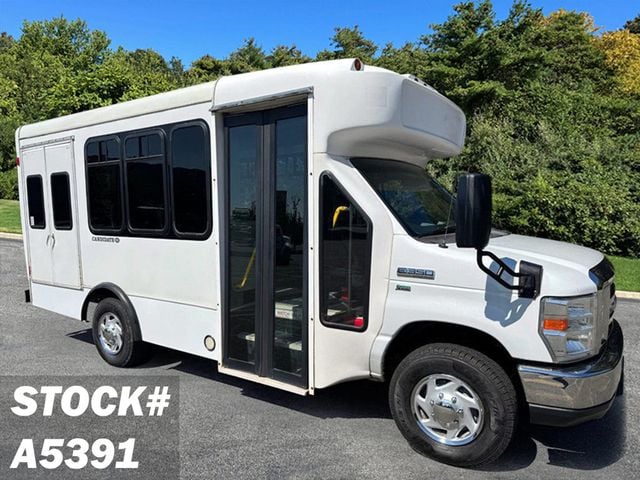
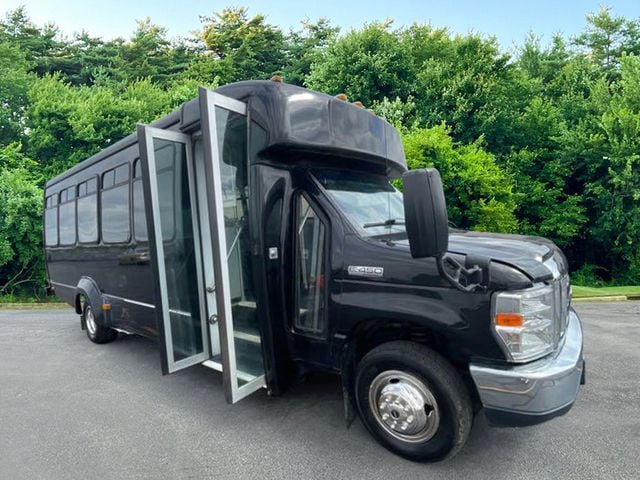
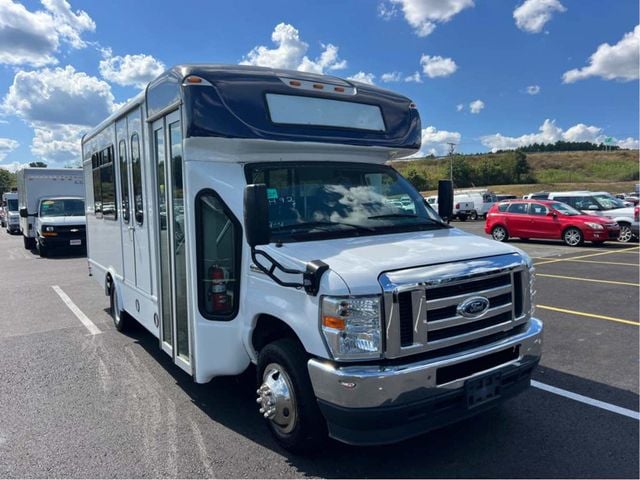
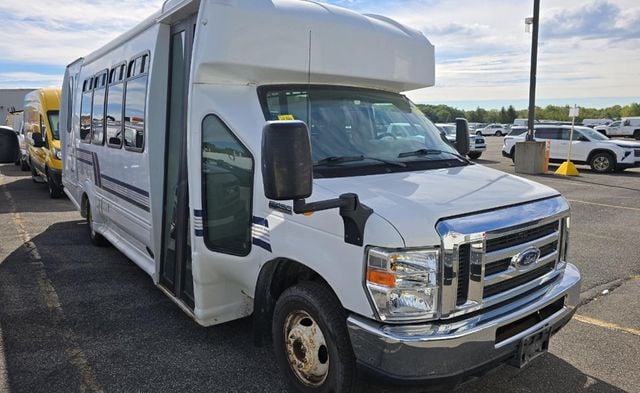
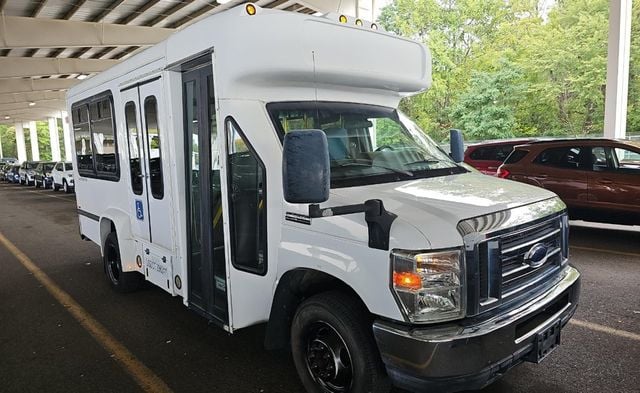
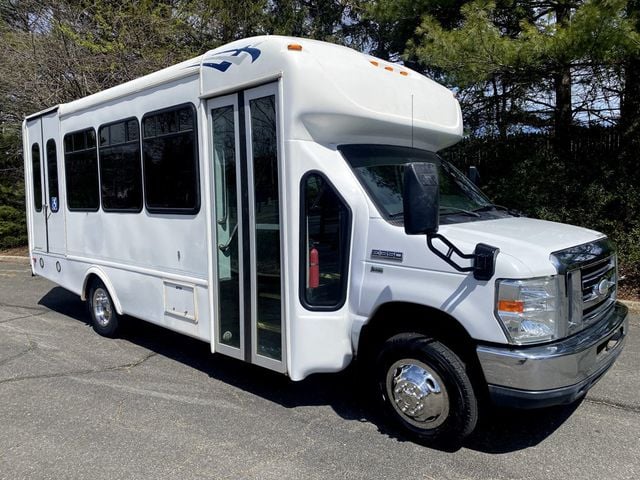


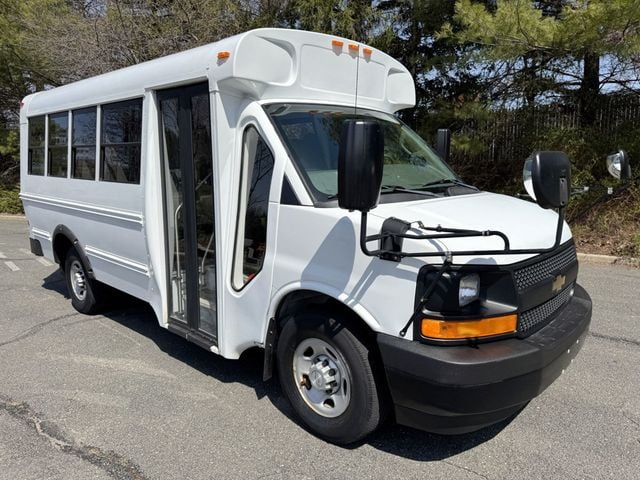
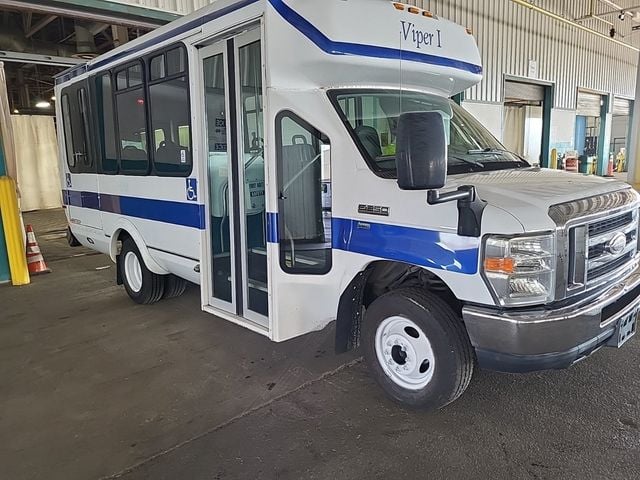
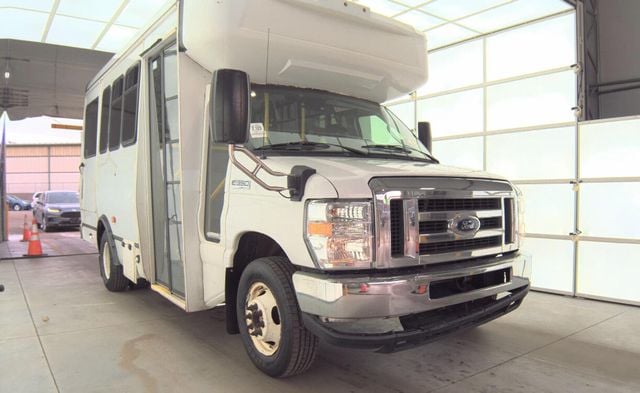
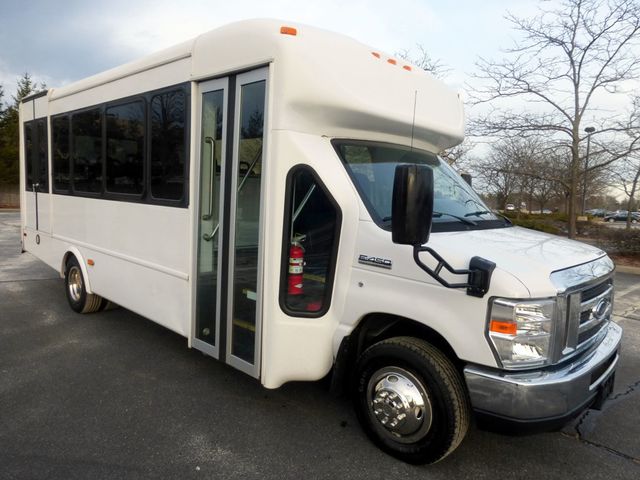
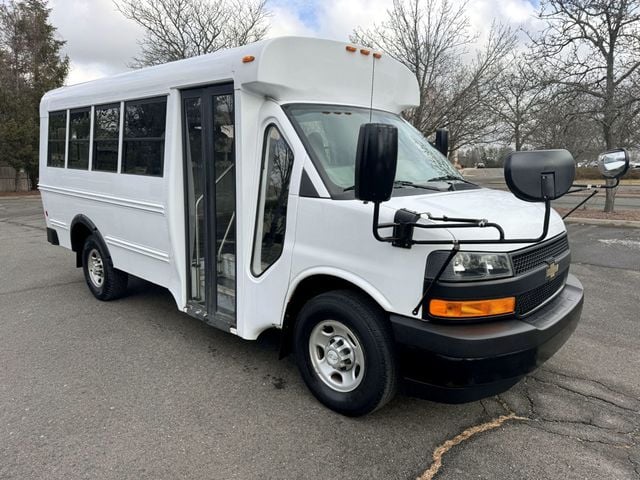

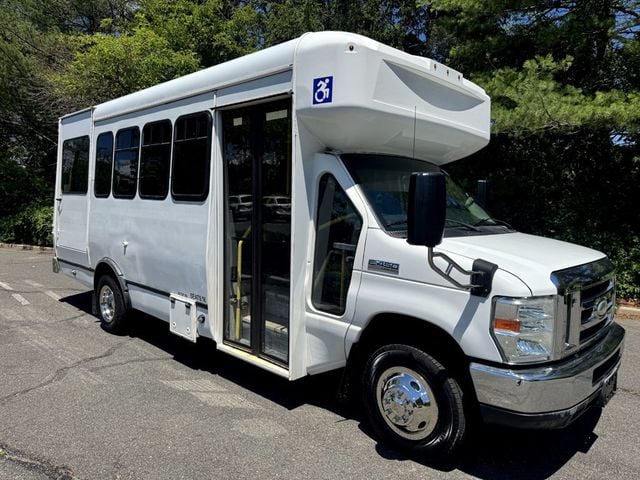
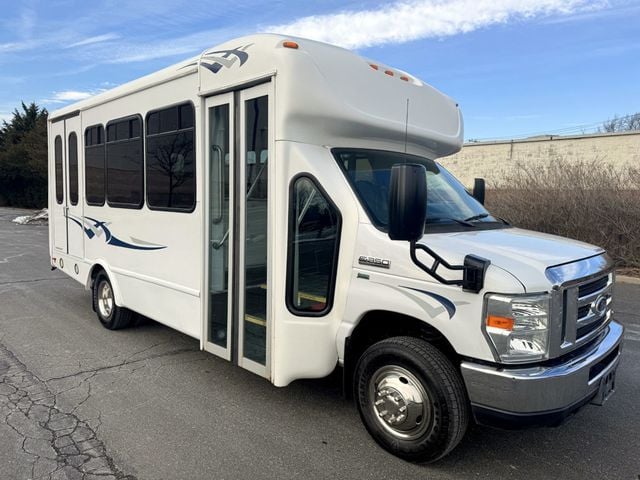
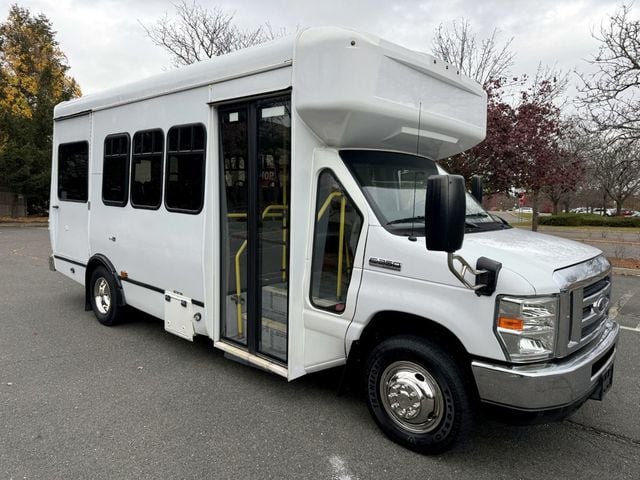
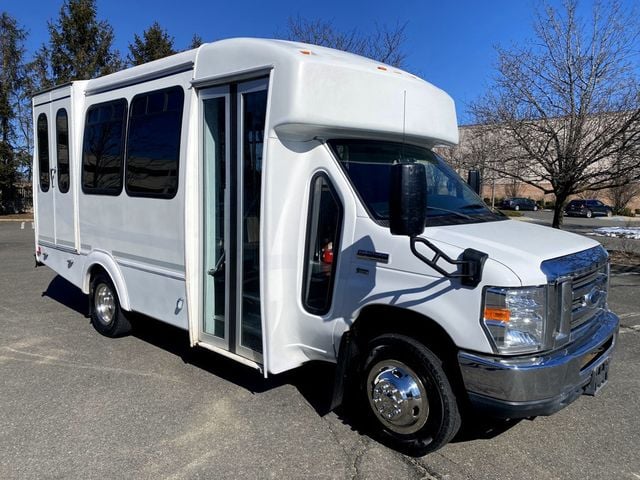
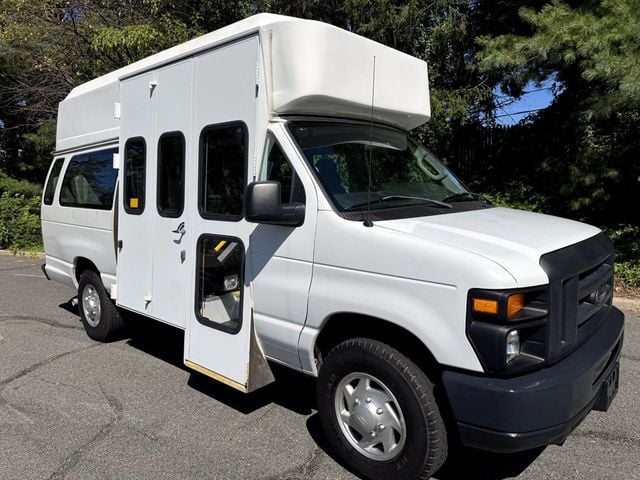

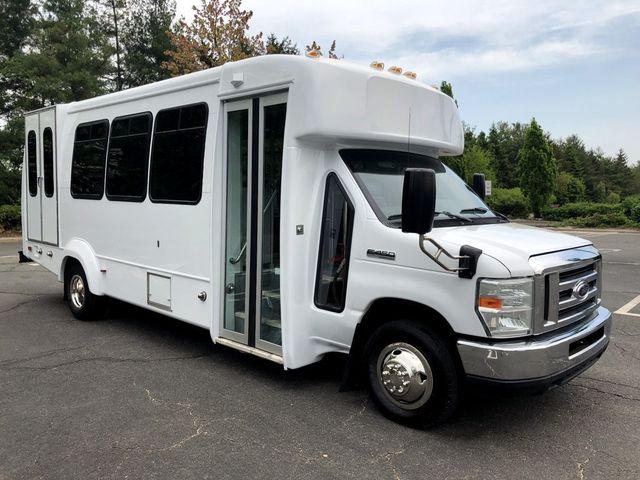
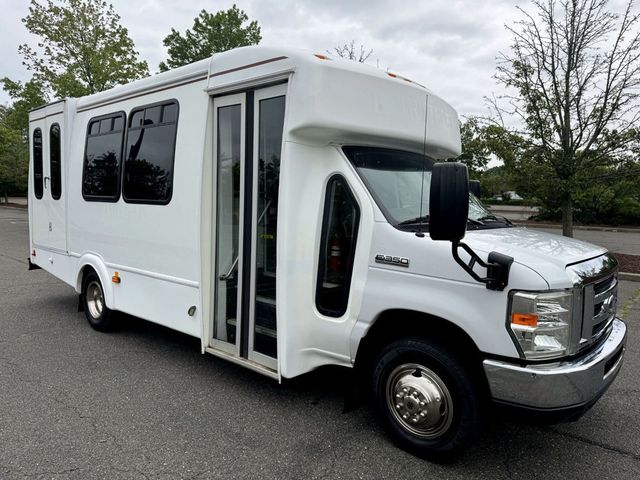
A Ford E-350 shuttle bus can be a practical choice for hotels, airport operators, and passenger transport teams that need dependable group travel. Its van-based design gives operators useful cabin space, easy road handling, and room for different seating layouts. The right vehicle should match passenger volume, luggage needs, route length, and accessibility needs. Before buying, operators should look at how the shuttle will be used each day. A vehicle that fits the service plan can make passenger trips easier for drivers, guests, and staff.
Start With the Passenger Flow
Hotel and airport service often involves steady passenger movement. Guests may carry bags, travel in groups, or need clear entry and exit points. A suitable shuttle should offer enough seats without making the cabin feel crowded. Passengers should be able to enter, find their seats, and leave the vehicle without causing delays.
Review the door position, aisle space, step height, and seat layout. A Ford E-350 shuttle bus with a sensible interior arrangement can help staff move passengers through the cabin with less delay. Think about the busiest part of the day, too. If several guests need to board at once, the interior should give them enough room to move safely and comfortably.
Make Luggage Space Part of the Plan
Airport transportation has a key need that some group transport plans miss: baggage space. Seat count alone does not tell you if a vehicle fits your operation. A shuttle may have enough seats but still have limited room for suitcases and carry-on bags.
Measure the space used for bags, review rear storage, and think about the size of common luggage. A Ford E-350 shuttle bus should support passenger seating while leaving practical room for bags. A balanced layout can help prevent blocked aisles and cramped seating. This is especially useful for airport trips, where passengers may bring several bags for longer travel.
Check Climate Control for Every Seat
Passenger comfort matters during hotel transfers and airport runs. Front cabin air conditioning is not enough for a full passenger load. Look for strong climate control across the cabin, plus heating for colder travel days. A shuttle used many times each day should keep passengers comfortable during both short and longer trips.
Many used shuttle vehicles offer front and rear A/C and heat. Check the system during inspection rather than relying only on a listing description. A Ford E-350 shuttle bus with working climate control can provide a more comfortable ride for guests and staff. Test the controls, airflow, and heating before making a buying decision.
Accessibility Needs a Real Check
Hotels and airport operators may serve passengers who use wheelchairs or have limited mobility. Accessibility equipment must match the actual service plan. The vehicle should give passengers the access and support they need during boarding and travel.
Review any lift or ramp, wheelchair securement areas, entry clearance, and interior seating arrangement. Test the equipment as part of the vehicle inspection. A Ford E-350 shuttle bus equipped for accessible passenger service can support broader transportation needs, but the equipment must be suitable and in working order. Operators should also make sure the layout works well for both passengers and drivers.
Inspect the Vehicle Beyond Its Paint
A clean exterior does not tell the full story. Review the engine, transmission, brakes, tires, suspension, steering, lights, doors, seats, and climate systems. Ask for service records and look for signs of recent repair work. These checks can help you understand the vehicle’s condition before you put it into regular passenger service.
A road test can reveal braking feel, steering response, sounds, and ride quality. The Ford E-350 shuttle bus should fit the planned route, passenger load, and schedule. Look at the vehicle as a working part of your transportation operation, not only as a clean vehicle on a sales lot.
Match the Bus to Hotel Service
Hotel transportation can include airport pickups, guest transfers, event transportation, and local trips. Each use can place different demands on a shuttle. A vehicle used for airport service may need more luggage room, while an event shuttle may place more focus on seating capacity and easy passenger loading.
Think about passenger loads, luggage volume, loading areas, driver access, and trip frequency. A Ford E-350 shuttle bus may work well for operations that need a manageable passenger vehicle with useful cabin space and familiar driving characteristics. Reviewing these needs before buying can help operators choose a vehicle that fits their daily work.
Ending Note:
Vehicle history should guide the buying decision. Review maintenance documents, mileage, inspection details, equipment records, and repairs. Compare those records with the actual vehicle during your visit. A clear review can help you understand what has been done and what may need attention later.
Our team at Major Vehicle Exchange, led by Charlie, helps hotels, airport transportation teams, and other passenger service operators review reconditioned vehicles based on seating, luggage space, accessibility equipment, climate control, and overall condition. We own the vehicles we offer, and our team can help you assess each option for its intended use. If you are considering a 15 passenger used shuttle bus for hotel or airport service, contact Major Vehicle Exchange, led by Charlie, to discuss your transportation needs and review available vehicles.
FAQs:
1. What should I check before buying a used shuttle bus?
Check the engine, transmission, brakes, tires, suspension, seating, climate control, accessibility equipment, service records, mileage, and overall condition before making your decision.
2. How many passengers can a shuttle bus carry?
Passenger capacity depends on the vehicle’s design and seating layout. Always check the manufacturer’s specifications and confirm that the layout fits your transportation needs.
3. What makes a shuttle bus suitable for airport transportation?
A suitable airport shuttle should provide comfortable seating, useful luggage space, reliable climate control, easy passenger access, and enough room for your regular travel needs.
4. Should accessibility equipment be inspected before purchase?
Yes. Test ramps, lifts, wheelchair securement areas, and entry clearance to confirm that the equipment works properly and suits your passenger transportation requirements.
5. How can I choose the right shuttle bus for hotel service?
Consider passenger volume, luggage needs, trip frequency, route length, seating layout, accessibility requirements, and vehicle condition to find a shuttle that fits your operation.
Comments are closed.