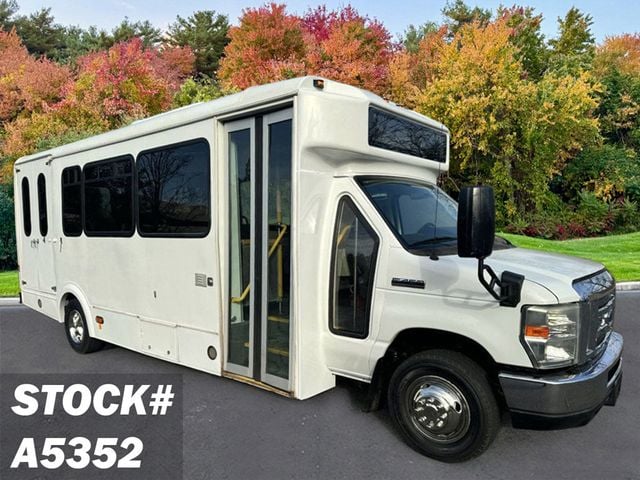
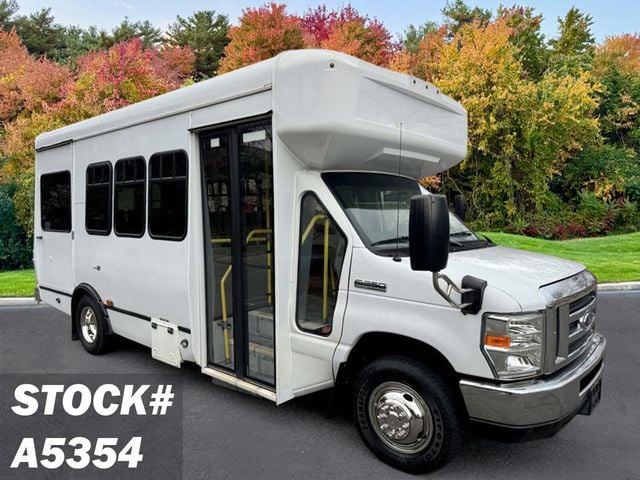
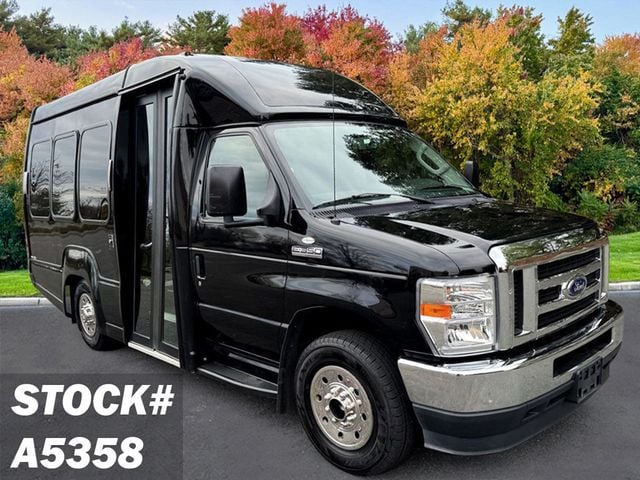
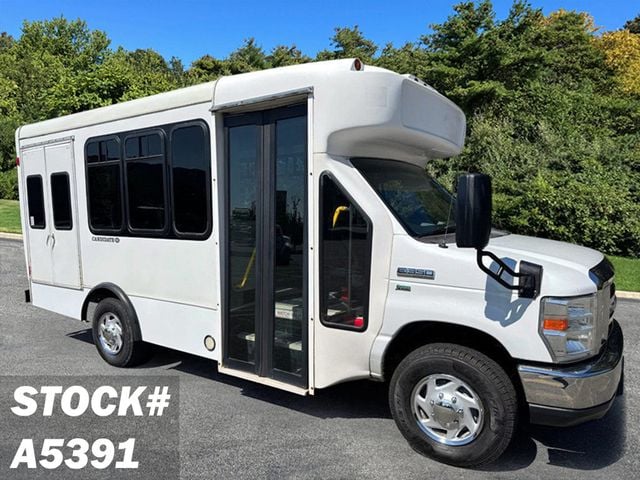
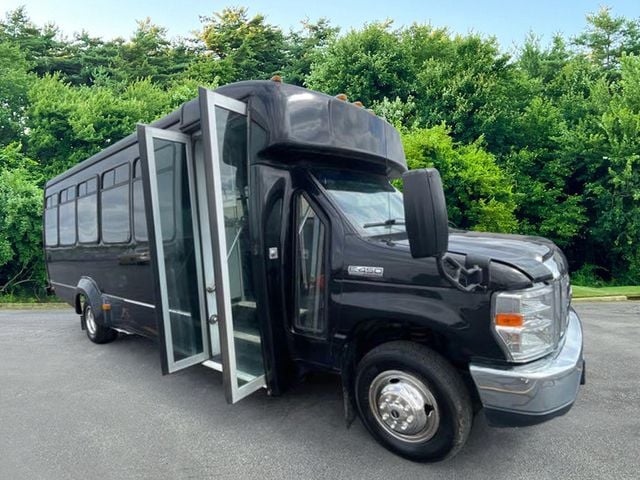
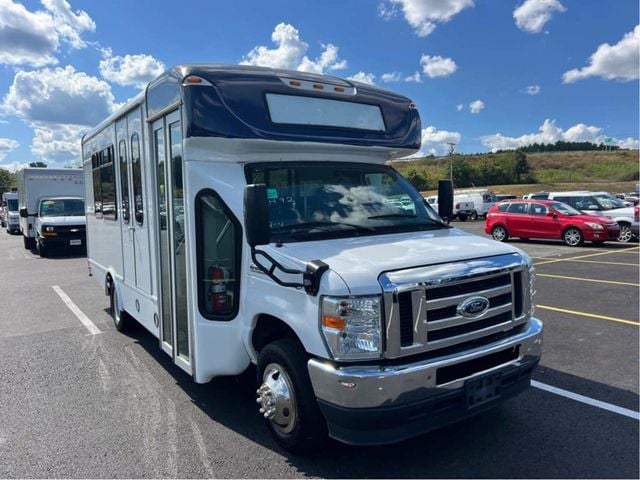
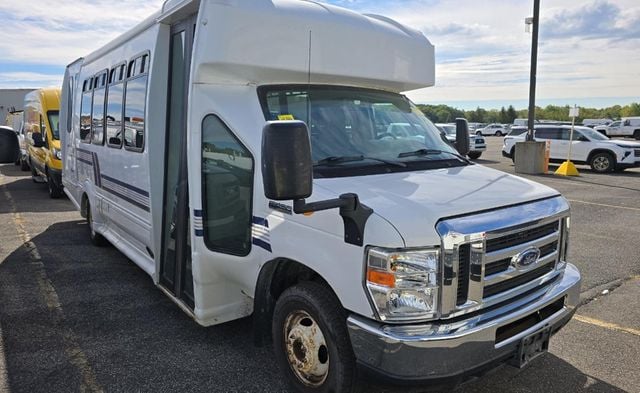
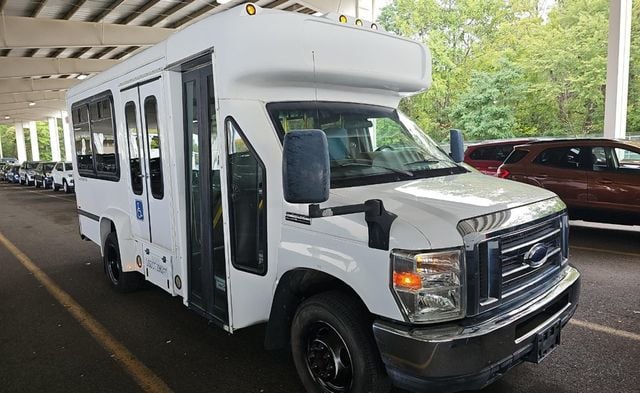
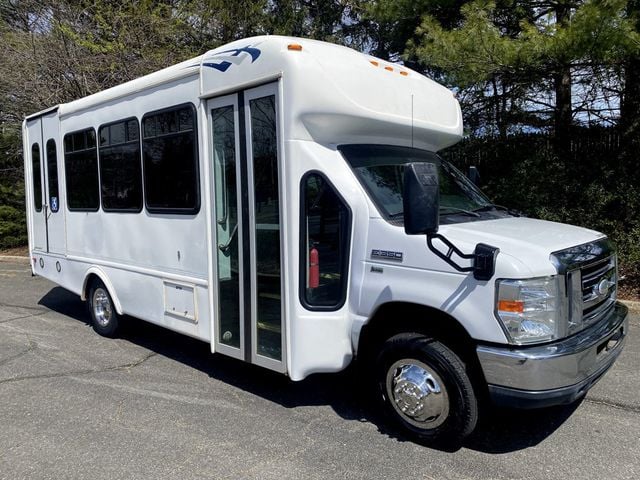
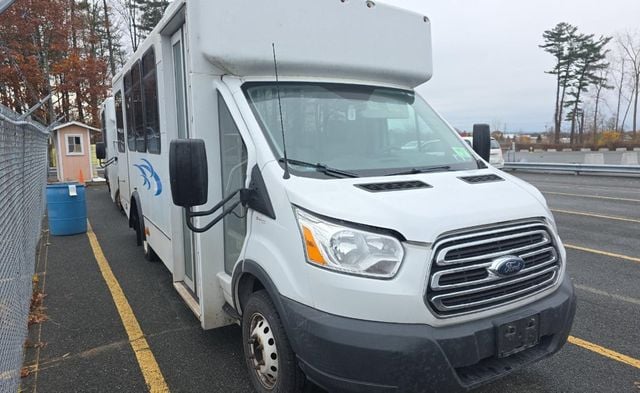
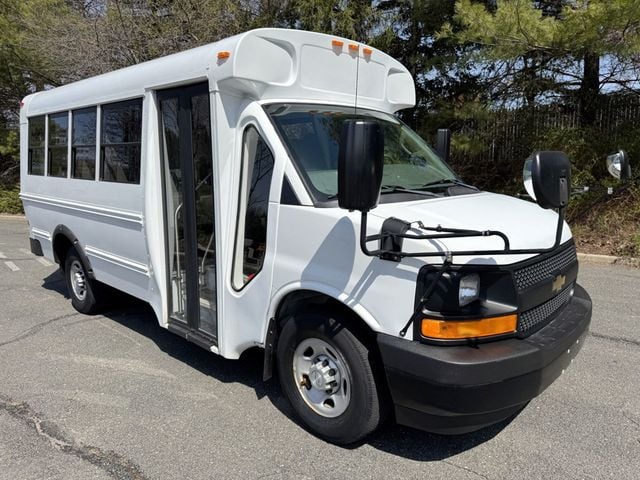
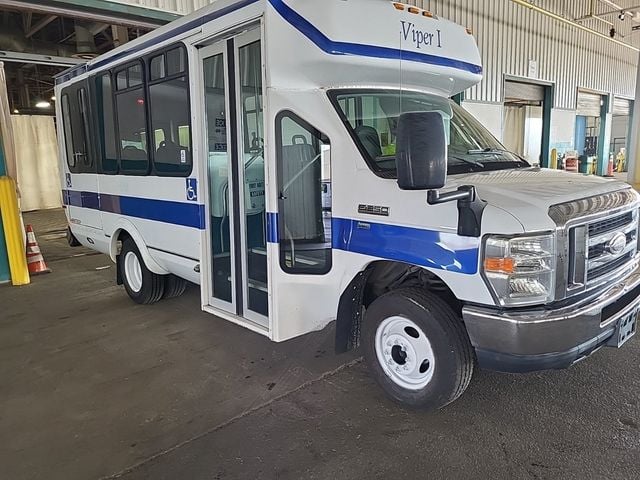
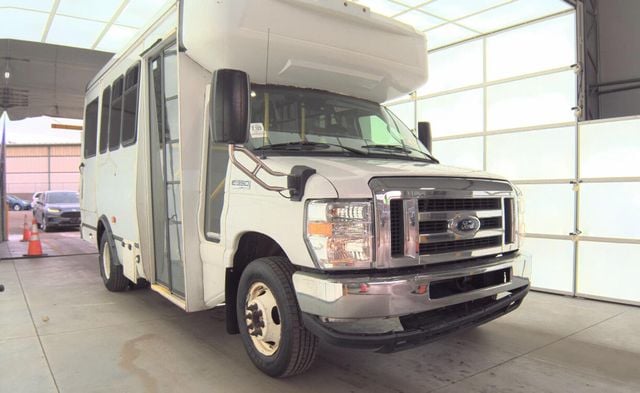
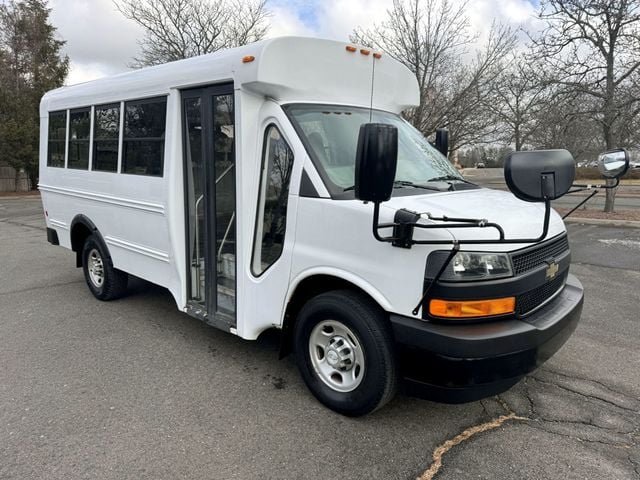
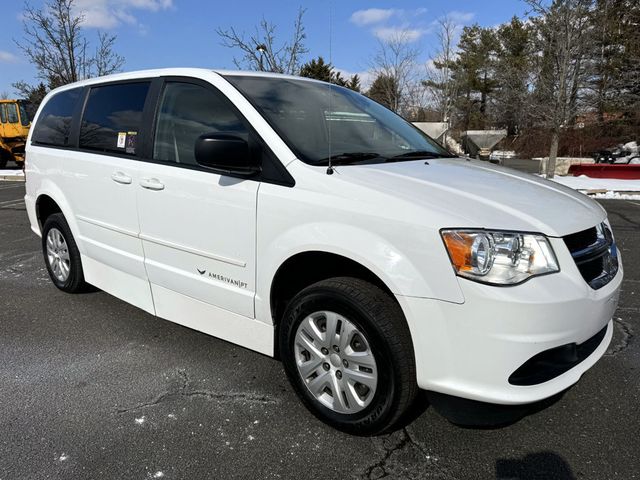
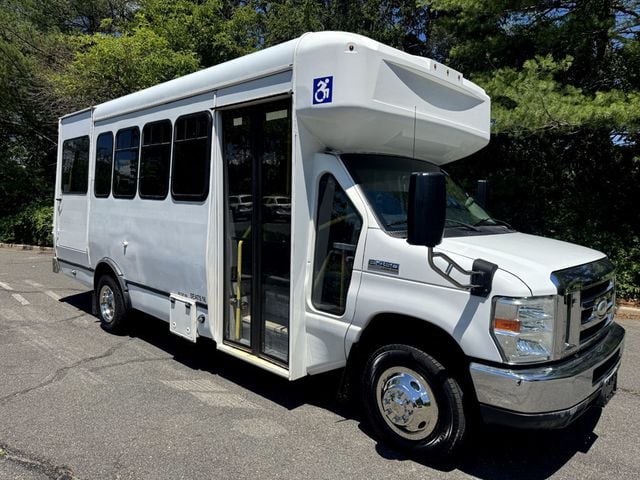
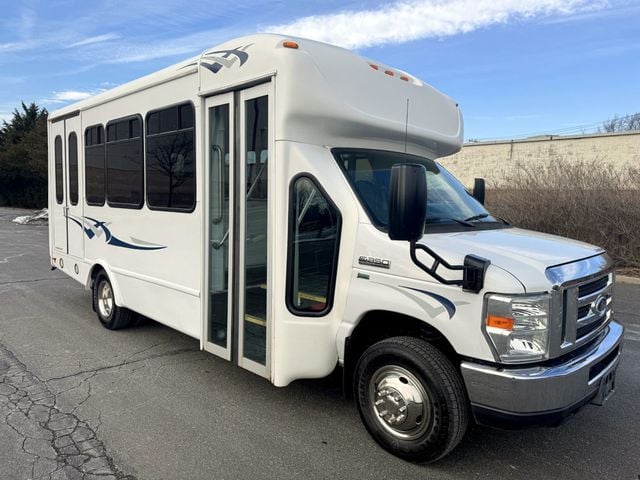
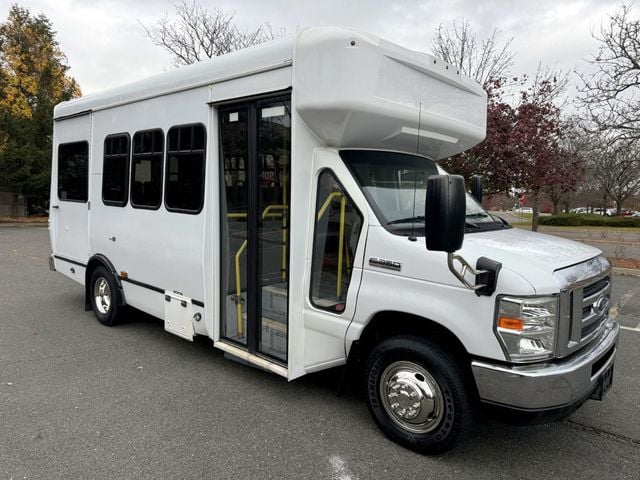
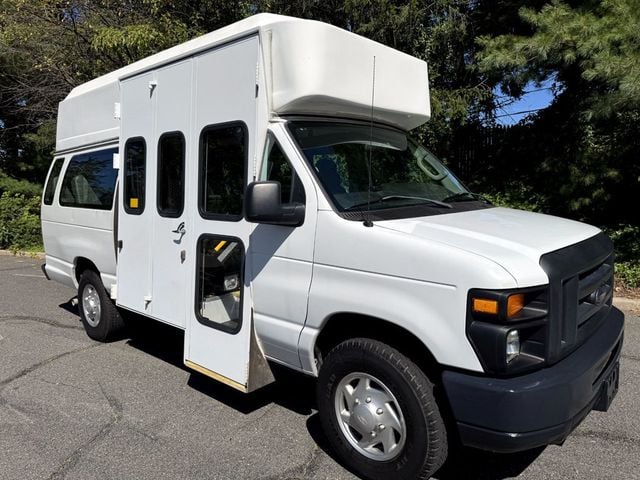


Senior communities need dependable transportation for more than medical appointments. Older adults may need rides to grocery stores, pharmacies, senior centers, social gatherings, community programs, and family visits. For people who have difficulty using standard public transportation, accessible vehicles can make these everyday journeys easier.
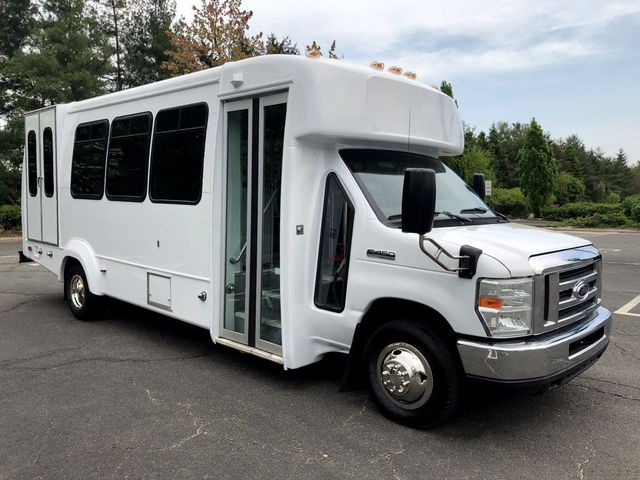
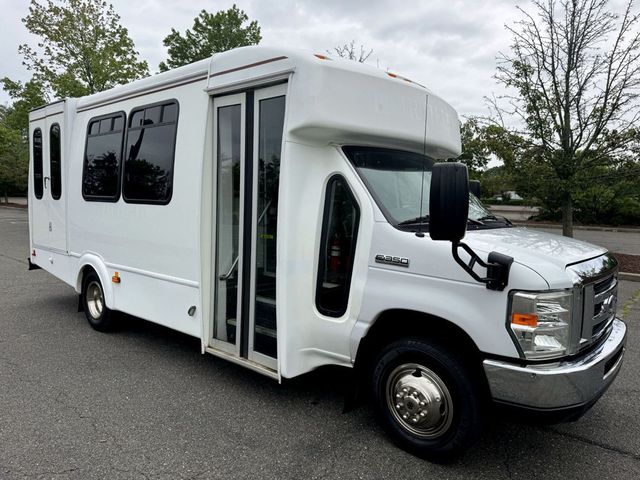
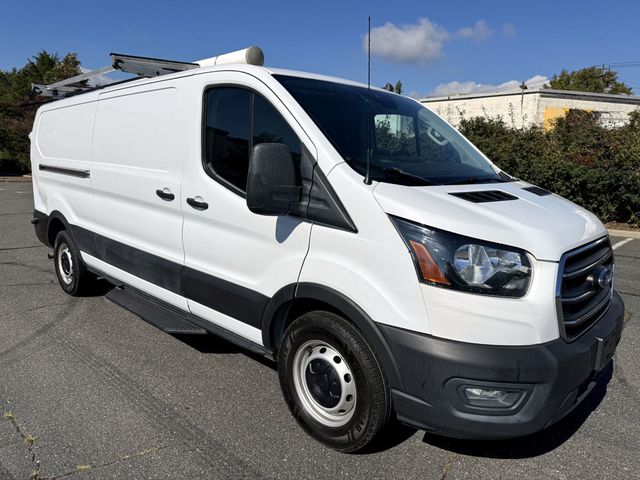
A paratransit bus for sale can help senior living facilities, adult day programs, assisted living communities, and transportation providers arrange rides for passengers with different mobility needs. Depending on the number of passengers and type of service, organizations may also consider paratransit vans for sale.
The choice between a bus and a van depends on passenger capacity, wheelchair positions, travel frequency, and the level of assistance passengers require. Understanding these differences can help senior communities select a vehicle that supports their daily transportation activities.
1. Understand the Transportation Needs of Your Senior Community
Not every senior passenger has the same mobility requirements. Some older adults can board a standard vehicle but need handrails or additional time. Others use walkers, mobility scooters, or wheelchairs and require specialized boarding equipment.
Senior living communities, nursing facilities, adult day centers, and community service providers should identify the needs of their regular passengers before choosing a vehicle.
Consider the following transportation requirements:
● Medical appointments, therapy sessions, and pharmacy visits.
● Grocery shopping and essential errands.
● Group outings, recreational activities, and community events.
● Transportation between residential facilities and senior centers.
● Regular trips for passengers who use wheelchairs or other mobility devices.
Understanding these requirements helps determine whether a larger paratransit bus or a smaller accessible van is the better fit.
2. Choose Between a Paratransit Bus and a Paratransit Van
Vehicle size can affect how easily your organization manages daily transportation. A larger bus may be suitable for group outings and scheduled trips involving several residents. A smaller van may work better for individual pickups, smaller groups, and more flexible transportation arrangements.
When comparing paratransit vans for sale with larger accessible buses, consider:
Paratransit buses:
● More passenger seating for group transportation.
● Potentially more room for multiple wheelchair positions.
● Suitable for scheduled trips involving larger groups.
● More interior space for passengers and mobility equipment, depending on configuration.
Paratransit vans:
● Smaller vehicle dimensions for easier maneuvering.
● Suitable for smaller passenger groups.
● Useful for individual pickups and scheduled appointments.
● Potentially easier to accommodate within limited parking areas.
The right choice depends on the number of passengers, wheelchair requirements, route conditions, and frequency of service. Review the actual seating and wheelchair configuration rather than relying on the vehicle’s general category.
3. Look for Wheelchair Lifts and Securement Equipment
Accessibility is one of the most important considerations when selecting a paratransit vehicle. Passengers who use wheelchairs should be able to board, position themselves, and travel with suitable safety equipment.
A paratransit bus for sale may include features such as:
● Powered wheelchair lifts or boarding ramps.
● Wheelchair securement straps and tie-down systems.
● Passenger seat belts.
● Handrails and grab handles.
● Wider entry doors.
● Designated wheelchair positioning areas.
Check the lift’s weight capacity, operating controls, safety locks, and maintenance history. The vehicle should also provide sufficient interior clearance for the mobility devices it is expected to carry.
For organizations transporting passengers with different mobility requirements, the number and placement of wheelchair positions should be considered before purchase.
4. Support Medical Visits and Regular Senior Care Activities
Transportation is an important part of coordinating care for older adults. Senior communities may arrange regular trips to hospitals, clinics, rehabilitation centers, pharmacies, and other healthcare facilities.
A dedicated accessible vehicle can help staff organize transportation around appointment schedules and passenger requirements.
For these services, consider comfortable seating, easy boarding, sufficient space for mobility devices, and reliable heating and air conditioning. A clear interior layout can also help staff assist passengers during boarding and exiting.
Some facilities may need vehicles for individual medical appointments, while others organize group transportation for routine activities. In either case, the vehicle should accommodate the passengers’ needs without making boarding or travel unnecessarily difficult.
Organizations should also establish clear procedures for passenger assistance and emergency situations. Drivers and support staff should understand how to operate accessibility equipment and secure mobility devices correctly.
5. Make Social Activities and Community Participation More Accessible
Senior transportation should not be limited to healthcare and essential appointments. Older adults also need opportunities to participate in social activities, visit family, attend community events, and enjoy recreational outings.
Senior centers, assisted living communities, and retirement facilities may organize trips to parks, shopping centers, places of worship, restaurants, and local events.
An accessible shuttle gives these organizations another way to arrange group outings for residents who may otherwise have difficulty traveling.
When selecting a vehicle for these activities, consider comfortable seating, convenient entry, interior lighting, air conditioning, and enough space for mobility equipment. The vehicle should also have a practical layout for passengers who need additional time or assistance when boarding.
Reliable transportation can help senior communities organize more activities and give residents greater opportunities to remain socially connected.
6. Evaluate Seating, Interior Layout, and Passenger Comfort
A vehicle’s interior configuration can make a major difference in how well it serves older passengers. Buyers should look beyond the advertised seating capacity and examine how passengers will actually use the available space.
Check for:
● Supportive seats with sufficient legroom.
● Clear aisles and accessible entry arrangements.
● Secure handrails and grab handles.
● Suitable wheelchair positioning and securement areas.
● Working heating, air conditioning, and interior lighting.
● Clean flooring, functional doors, and accessible controls.
Some used paratransit vehicles may have different seating configurations or previously installed accessibility equipment. Review these features carefully to determine whether the layout matches your organization’s requirements.
If modifications are needed, consider the available interior space, vehicle weight capacity, and cost of alterations before making a purchase.
7. Inspect Vehicle Condition and Long-Term Maintenance Costs
A suitable paratransit vehicle must be mechanically reliable as well as accessible. Before purchasing, review its maintenance records, mileage, previous use, and overall condition.
Inspect the engine, transmission, brakes, tires, suspension, electrical systems, doors, and interior fittings. If the vehicle has a wheelchair lift or ramp, test its operation and review available service records.
Also consider the ongoing costs of:
● Routine mechanical servicing.
● Lift and accessibility equipment maintenance.
● Insurance and registration.
● Fuel and replacement parts.
● Repairs to doors, seats, and interior equipment.
A reconditioned vehicle may offer a practical purchasing option, but its condition and suitability should always be evaluated individually. A professional inspection can help identify potential repair needs before you commit to the purchase.
Find the Right Paratransit Vehicle for Your Senior Community
Providing transportation for older adults requires vehicles that accommodate different passenger capacities and mobility needs. Whether your organization arranges medical trips, senior outings, community activities, or regular transportation between facilities, choosing the right vehicle is an important part of delivering dependable service.
At Major Vehicle Exchange, we help buyers explore accessible transportation options for different passenger requirements. Our inventory includes paratransit vans for sale and wheelchair-accessible buses that organizations can evaluate based on seating arrangements, accessibility features, and vehicle condition.
Whether you need a smaller accessible van or a larger paratransit bus, our team can help you review available options and identify a vehicle suited to your transportation requirements.
Visit Major Vehicle Exchange or contact our team to discuss your needs and explore available vehicles.
FAQs
1. What is the difference between a paratransit bus and a paratransit van?
A paratransit bus generally provides more passenger capacity and may accommodate multiple wheelchair positions. A paratransit van is smaller and may be more suitable for individual pickups and smaller passenger groups. The actual configuration varies by vehicle.
2. What features should I look for when buying a paratransit bus?
Look for wheelchair lifts or ramps, securement systems, handrails, accessible entry doors, suitable wheelchair positioning areas, passenger seat belts, and comfortable seating.
3. Are paratransit vans suitable for senior transportation?
Yes. Accessible vans can support smaller senior transportation services, medical appointments, individual pickups, and scheduled trips for passengers who use wheelchairs or other mobility devices.
4. Can a used paratransit vehicle accommodate multiple wheelchair users?
Some vehicles are configured with multiple wheelchair positions. Buyers should check the actual interior layout, securement equipment, available space, and approved passenger capacity before purchasing.
5. What should senior communities inspect before purchasing a used paratransit vehicle?
Review the mechanical condition, maintenance records, mileage, wheelchair lift operation, securement systems, seating configuration, doors, and expected maintenance costs. A professional inspection is also recommended.
Comments are closed.