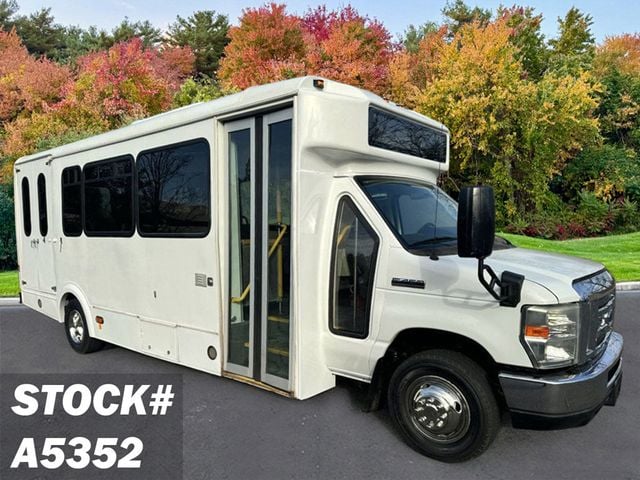
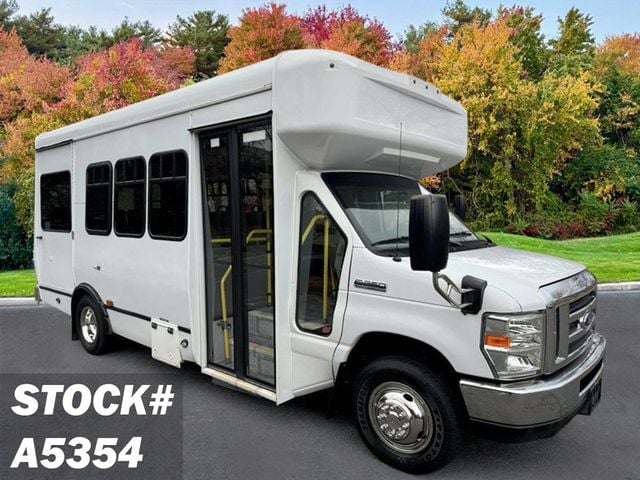
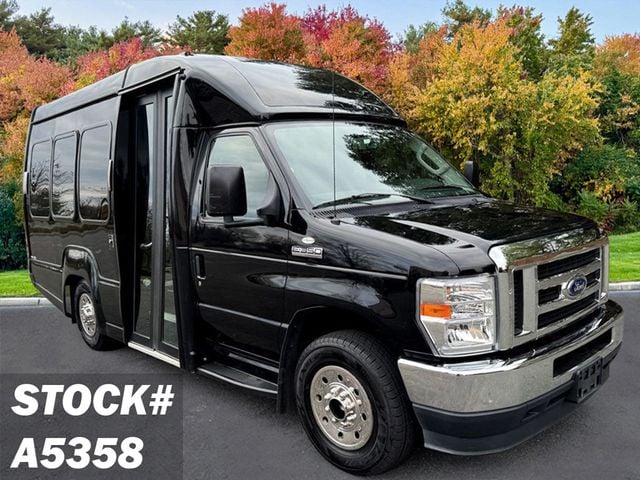
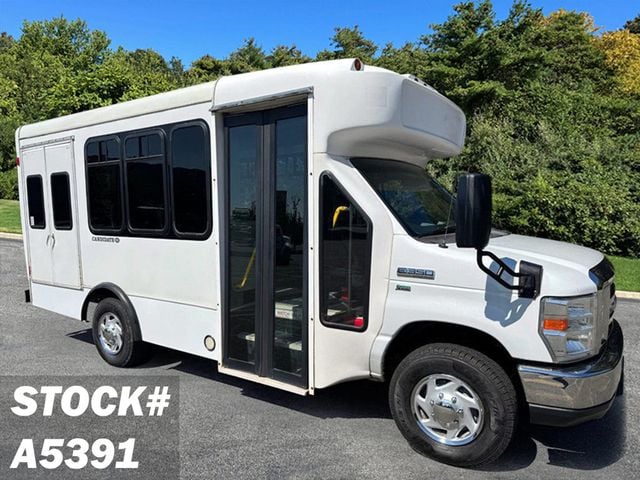
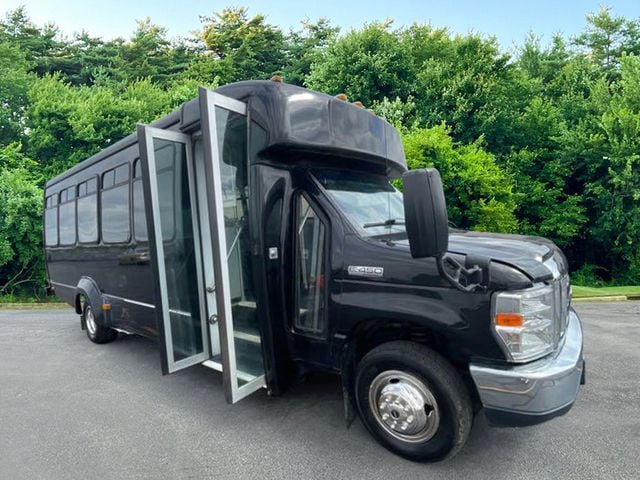
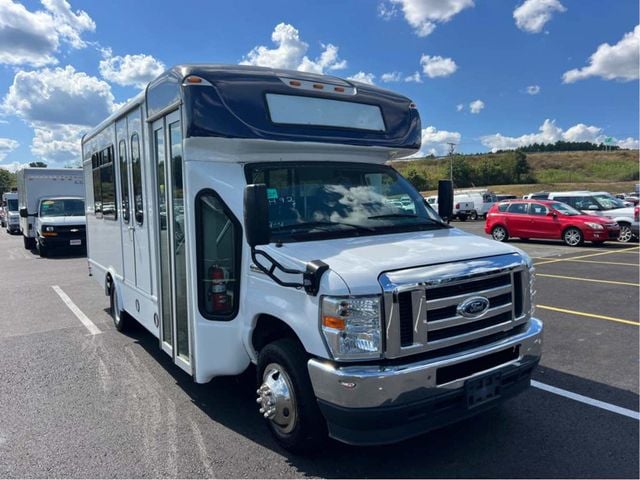
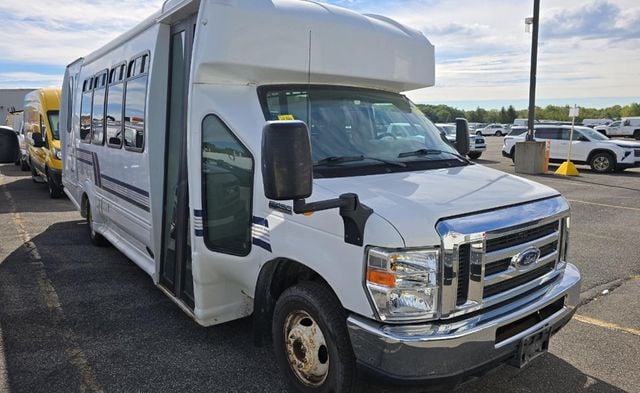
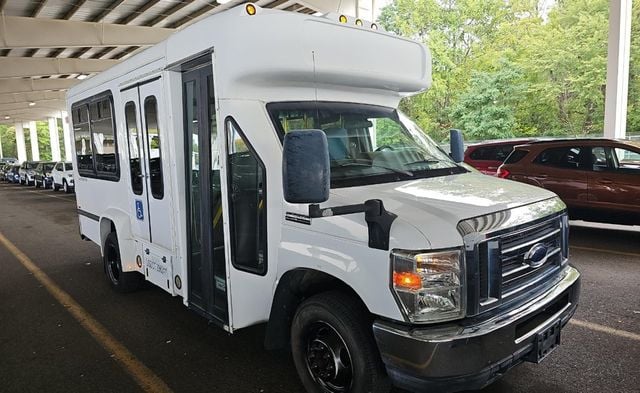
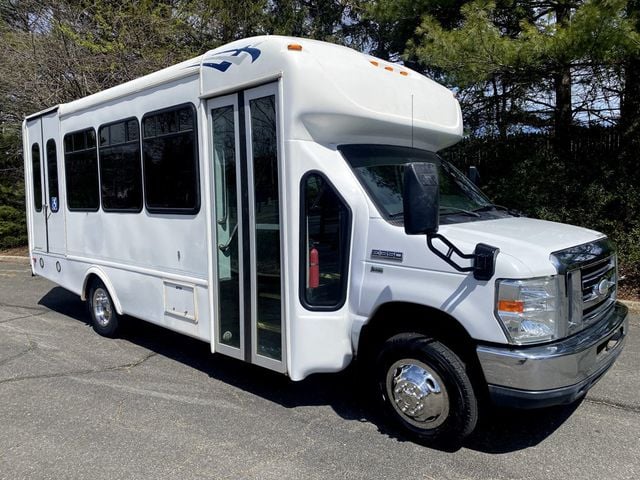
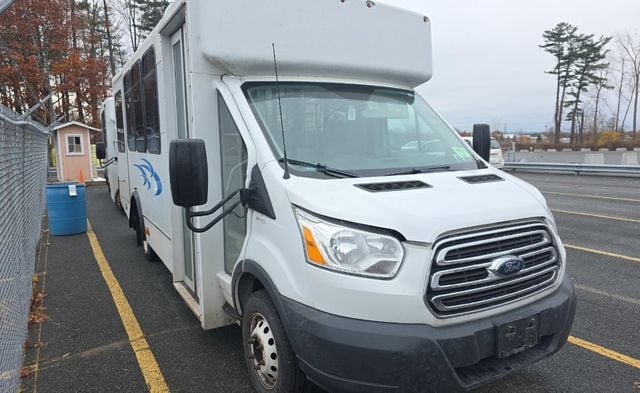
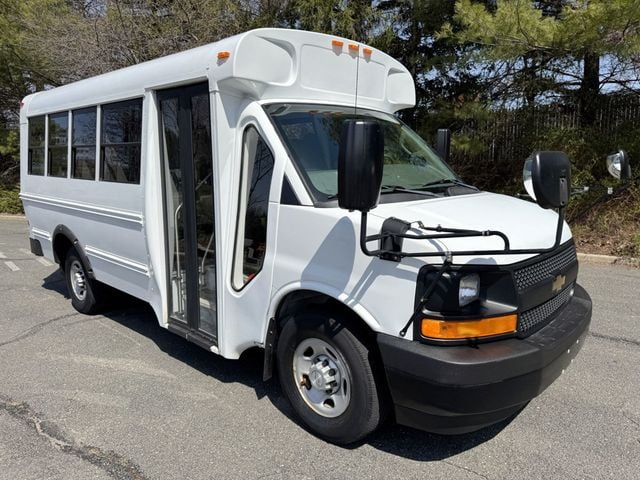
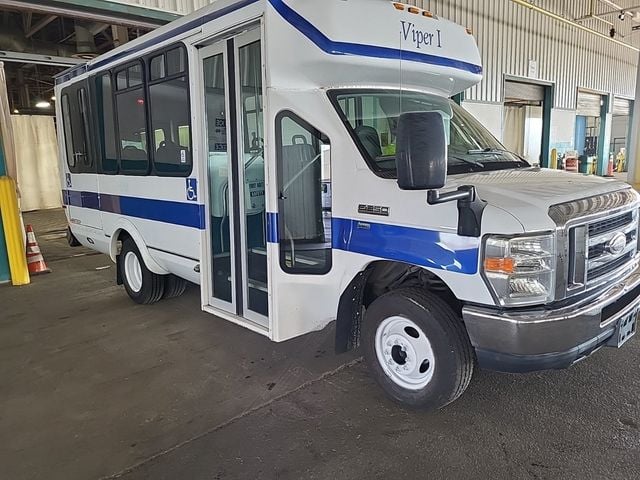
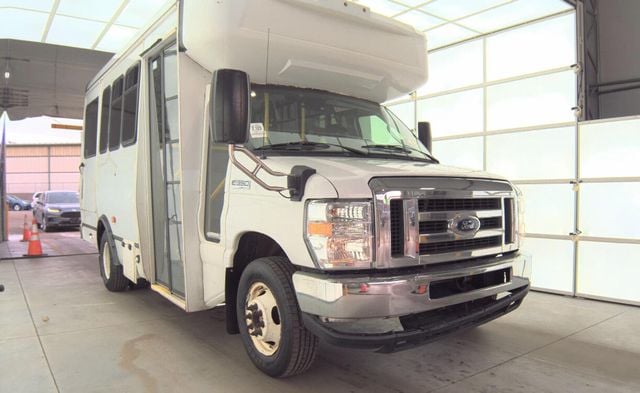
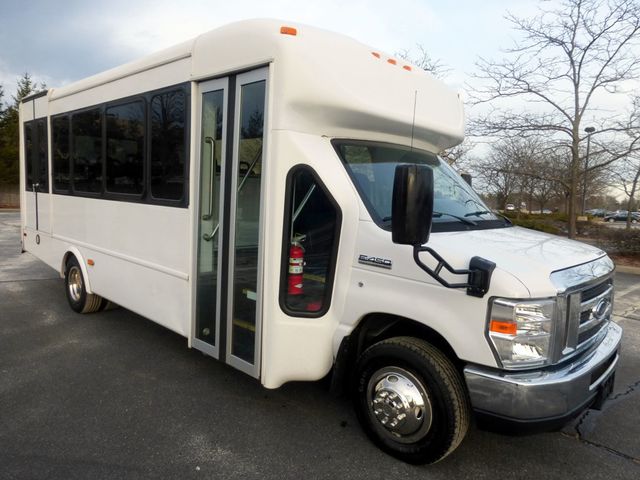
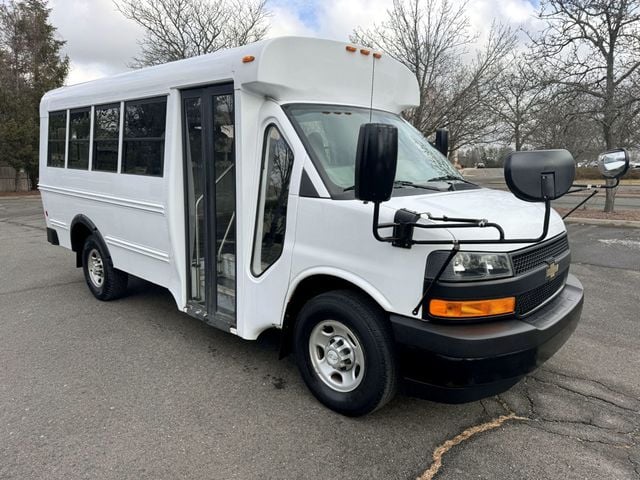
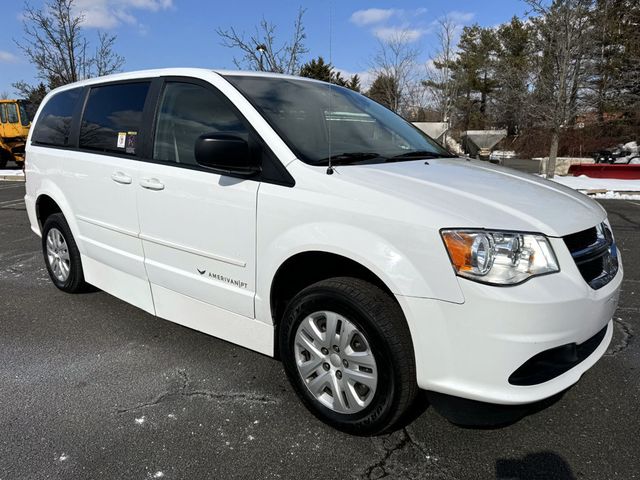
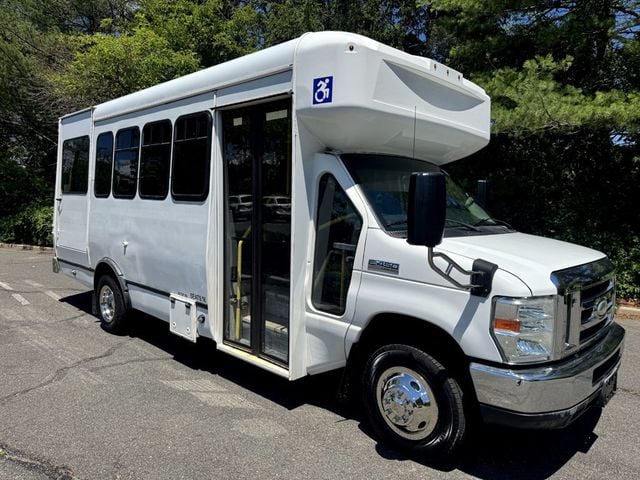
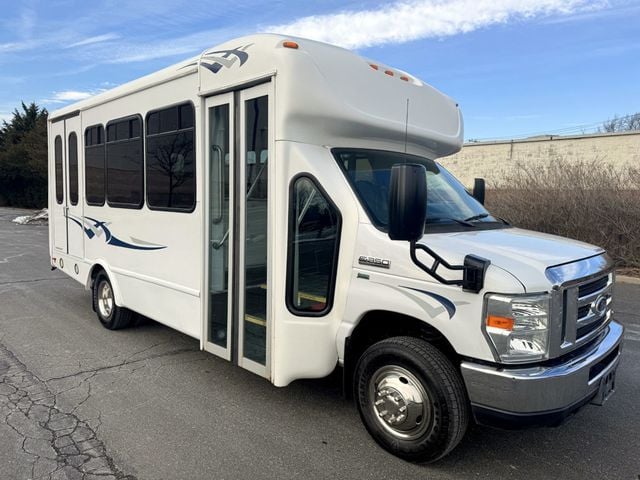
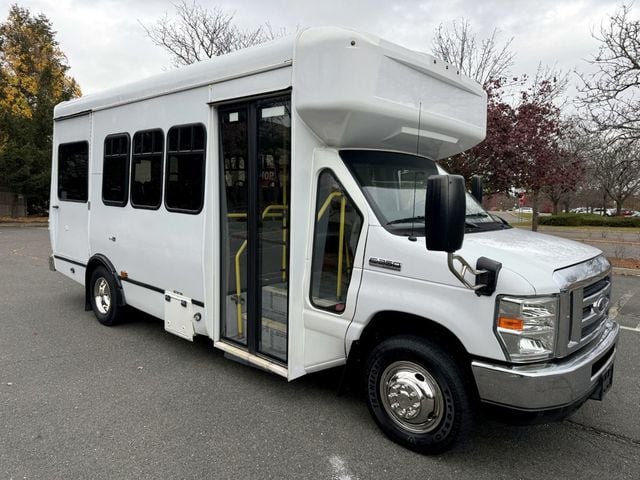
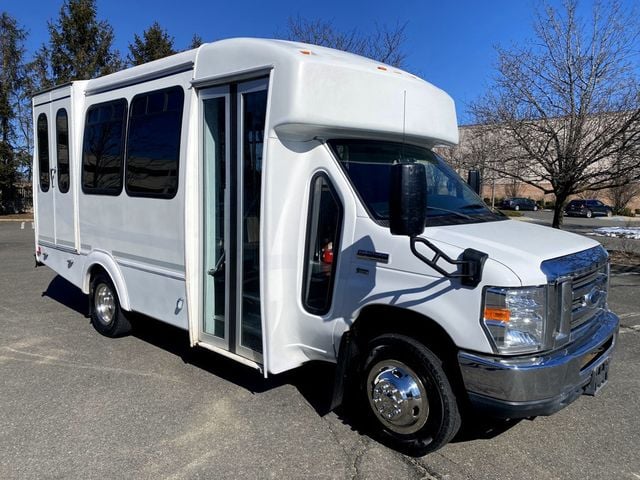
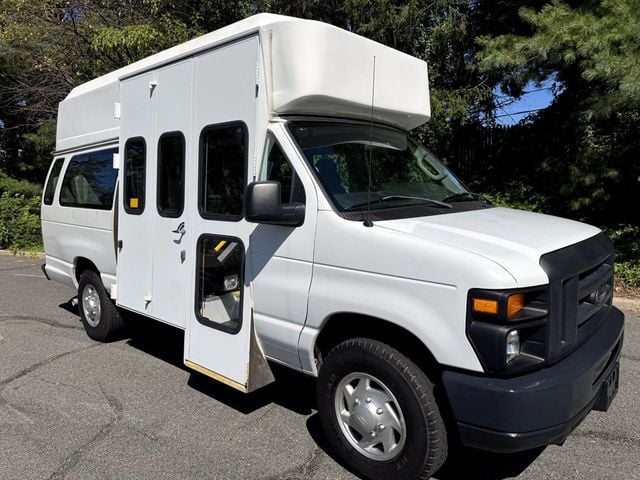

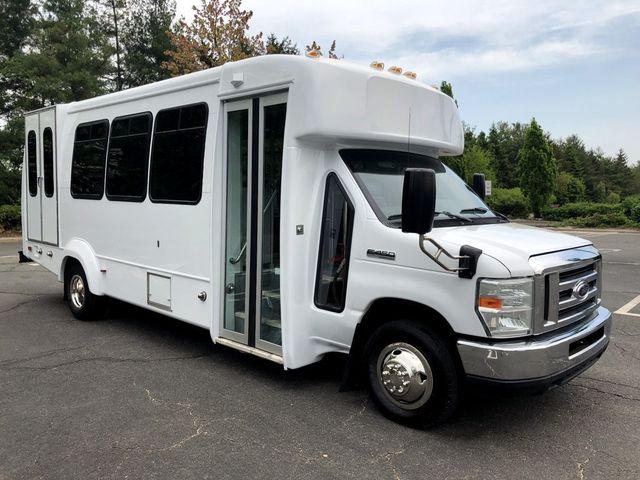
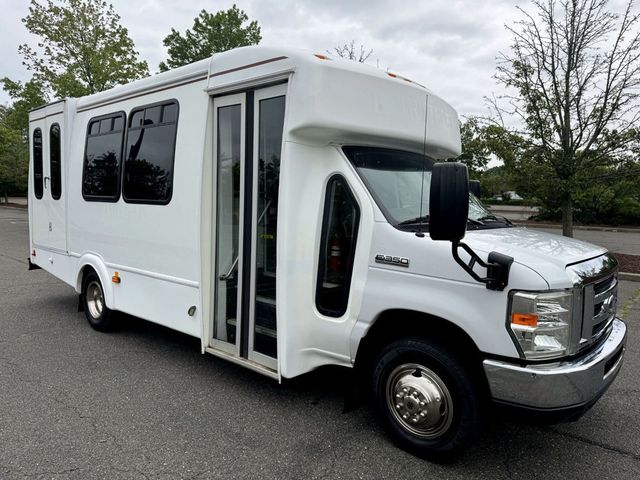
Buying used non-CDL shuttle buses can be a practical choice for businesses, groups, and organizations that need passenger transportation. Before making a decision, ask the seller clear questions about the vehicle, its history, seating, equipment, and condition. Good questions help you understand what you are buying and show if the bus fits your planned use. They can also help you compare different vehicles and avoid making a choice based only on appearance.
Confirm the Vehicle’s Intended Use
Start by asking how the shuttle bus was used by its previous owner. A vehicle used for short local trips may have a different service history than one used for long passenger routes. Knowing its past use can help you decide if it suits your own transportation work.
Ask about its main purpose, typical passenger load, and type of service. This information can help you judge whether the vehicle matches your needs. Also ask if the seating layout has been changed or modified during its service life. A clear answer can help you understand how the bus was set up and how it may work for your passengers.
Ask About Maintenance History
Maintenance records can provide useful facts about the bus. Ask the seller for available service records, repair invoices, inspection documents, and other maintenance information. These records can show the type of care the vehicle received during its previous use.
Ask which major systems have received service. This may include the engine, transmission, brakes, suspension, tires, steering, heating, and air conditioning. A clear record can help you understand how the vehicle was cared for and which repairs have already been completed. It also gives you useful information to discuss with a mechanic.
Check the Mileage and Vehicle History
Ask for the current mileage and compare it with the available records. The mileage should make sense across service documents and other vehicle paperwork. A consistent record gives you a better understanding of how much the bus has been used.
You should also ask about previous ownership and any major repairs. Find out if the vehicle has been involved in an accident or received major body work. Honest answers can help you form a clearer picture of its past. This information should be reviewed along with the bus condition during an in-person inspection.
Ask What Equipment Comes With It
The right equipment depends on how you plan to use the shuttle bus. Ask the seller to list the equipment included with the vehicle. This helps you know exactly what the bus can offer before you make a purchase decision.
Check the seating, passenger steps, climate systems, storage areas, doors, and other useful features. If accessibility is needed, ask about wheelchair lifts, ramps, securement areas, and interior clearance. Make sure the equipment matches your passenger needs before purchase. Test important equipment during the inspection if possible.
Ask About Heating and Air Conditioning
Climate control can affect passenger comfort during regular transportation. Ask if the heating and air conditioning systems work correctly throughout the cabin. A system that serves the full passenger area can be useful for daily group transportation.
Check if the vehicle has front and rear climate control. Ask if the rear heater works properly and if any recent repairs were made to the system. A physical inspection can support the seller’s answer and give you a better view of the cabin condition. Listen for unusual sounds and check the controls during your inspection.
Find Out What Was Recently Serviced
Recent service work can tell you which parts have already received attention. Ask the seller to explain any major work completed before the sale. Service documents can help confirm the work and give you a better view of the bus.
This may include brake repairs, tire replacement, suspension work, battery service, cooling system repairs, or climate system service. Knowing this information can help you understand the vehicle more clearly and plan for its regular use. It can also help you ask useful questions about future maintenance.
Request a Road Test and Inspection
Ask if you can inspect the shuttle bus in person and take it for a road test. A physical review can reveal details that paperwork cannot show. It gives you a chance to see how the vehicle feels and operates.
Check the body, interior, tires, lights, doors, steps, seats, and equipment. During the road test, pay attention to steering, braking, acceleration, suspension, and unusual sounds. A qualified mechanic can also perform an inspection before you complete the purchase. This extra check can give you more information before you make a final choice.
Wind Up:
Our team at Major Vehicle Exchange, led by Charlie, helps buyers review reconditioned passenger vehicles based on their planned use. We own the vehicles we offer, and our used shuttle buses are serviced and road-tested before sale. Our team can help you compare seating, accessibility equipment, climate systems, vehicle condition, and other features that matter for daily passenger transportation.
If you need a mobility bus for sale, our team can help you review available passenger vehicles based on your transportation needs. Contact Major Vehicle Exchange, led by Charlie, and ask the right questions before choosing your next shuttle bus.
FAQs:
1. What should I ask a seller before buying a used shuttle bus?
Ask about vehicle history, mileage, maintenance, repairs, equipment, seating, climate systems, accessibility features, inspections, and recent service before making your purchase decision.
2. Why should buyers review maintenance records?
Maintenance records show past service and repairs. They help buyers understand vehicle care, check major systems, and identify areas that may need attention.
3. What should I check during a shuttle bus inspection?
Check the body, seats, tires, lights, doors, steps, brakes, steering, suspension, heating, air conditioning, and accessibility equipment during a careful inspection before purchase.
4. Should I take a used shuttle bus for a road test?
Yes. A road test lets you assess braking, steering, acceleration, suspension, handling, unusual sounds, and overall operation before choosing a vehicle for transportation needs.
5. How do I know if a shuttle bus fits my transportation needs?
Consider passenger capacity, seating layout, route type, accessibility, climate control, storage, parking space, and daily use before selecting a shuttle bus for your operation.
Comments are closed.