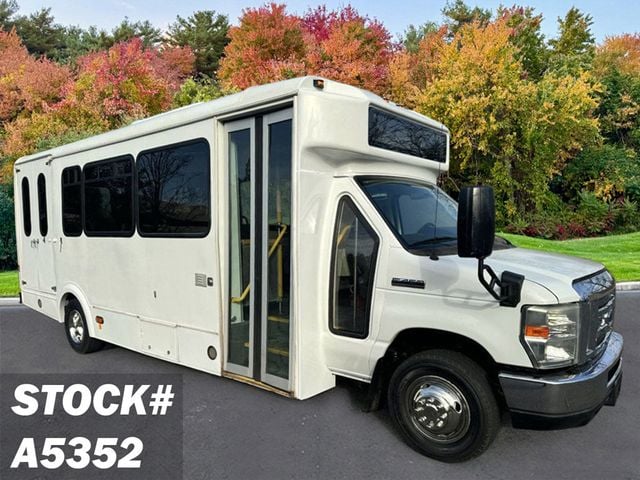
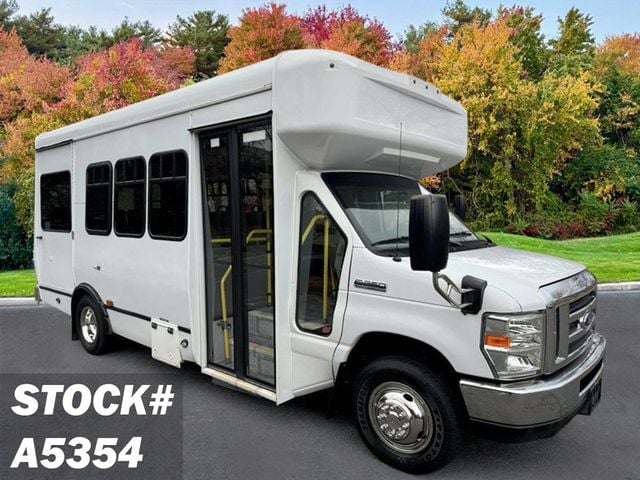
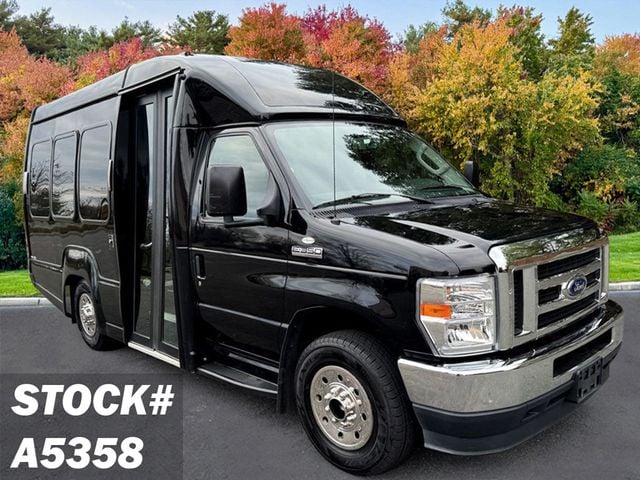
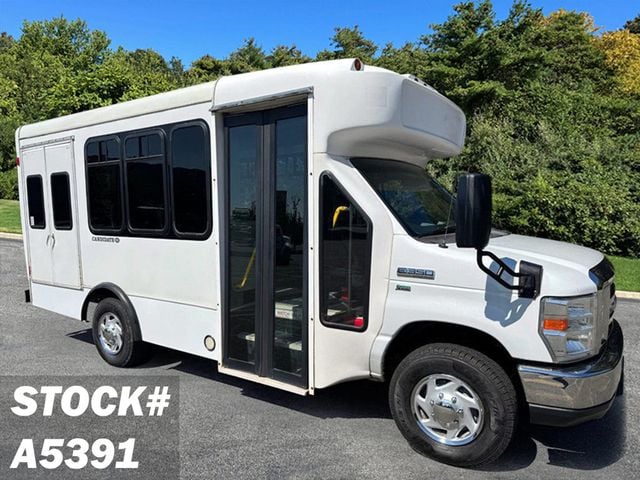
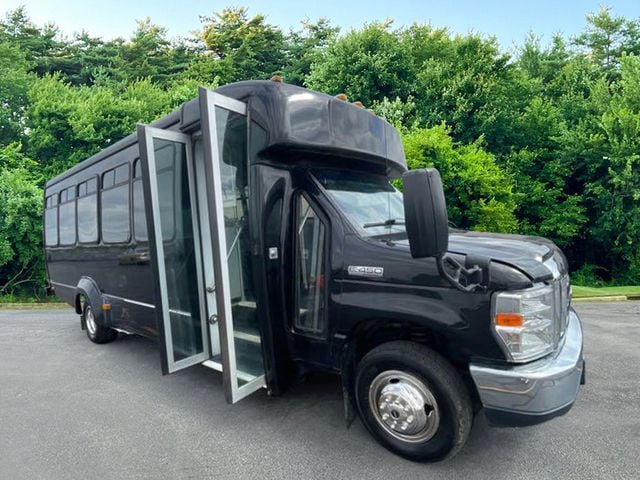
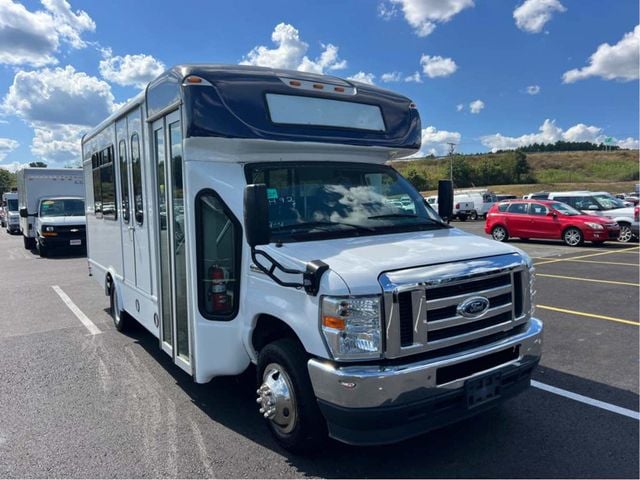
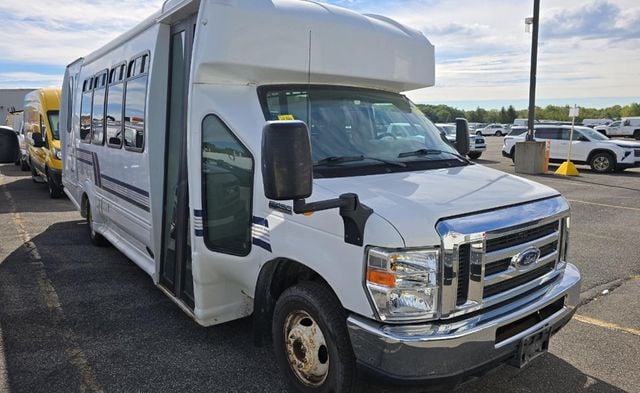
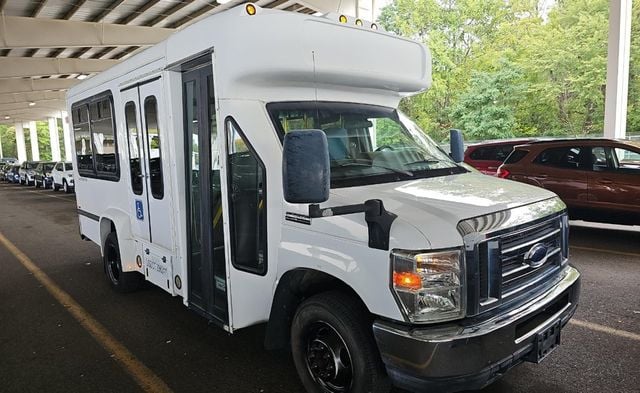
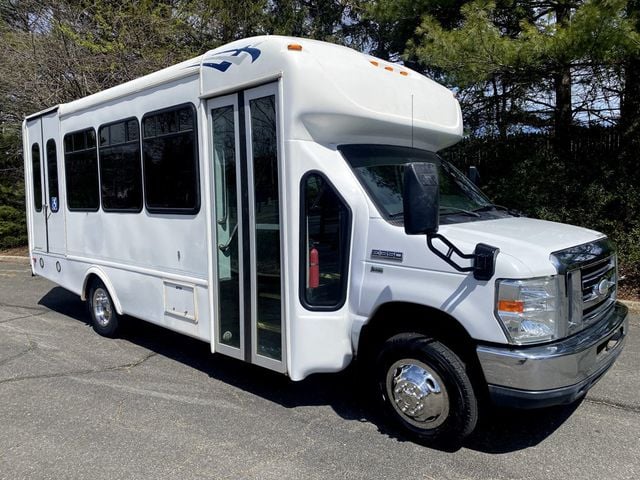
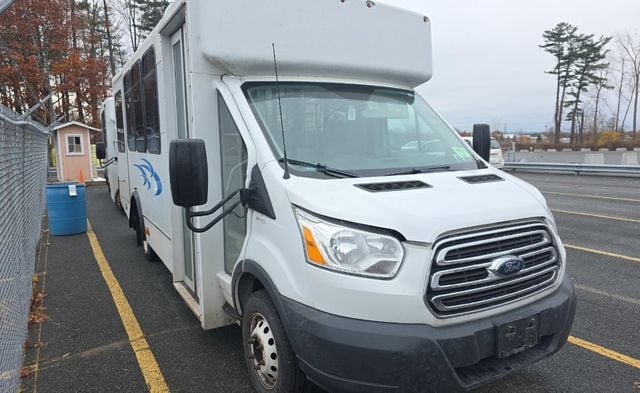
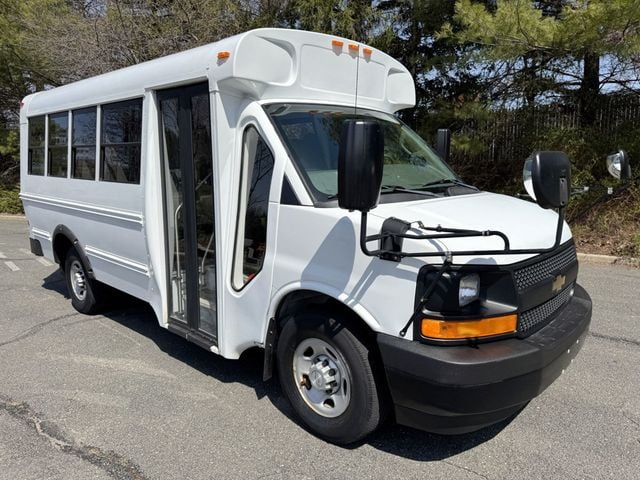
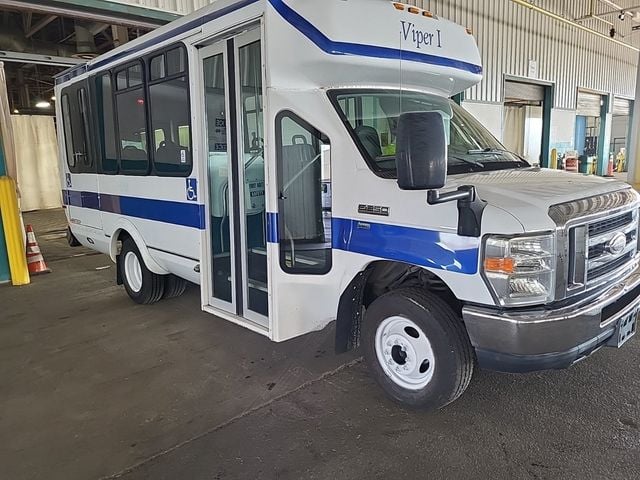
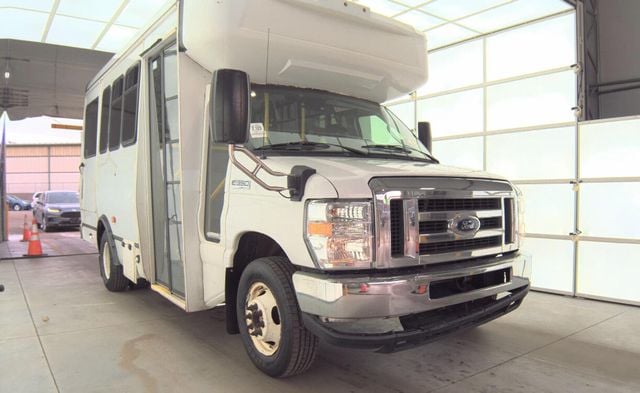
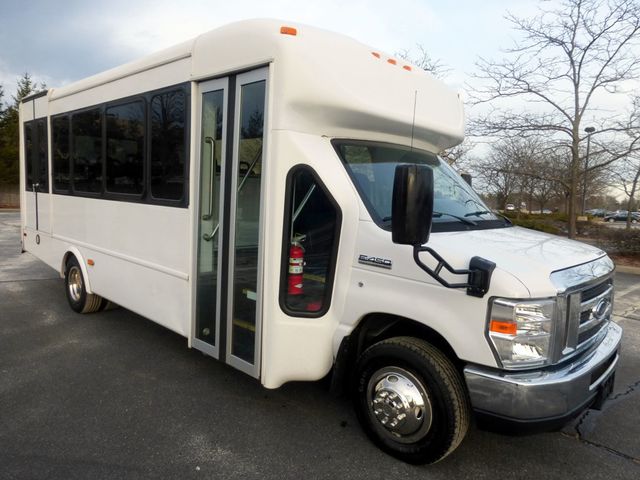
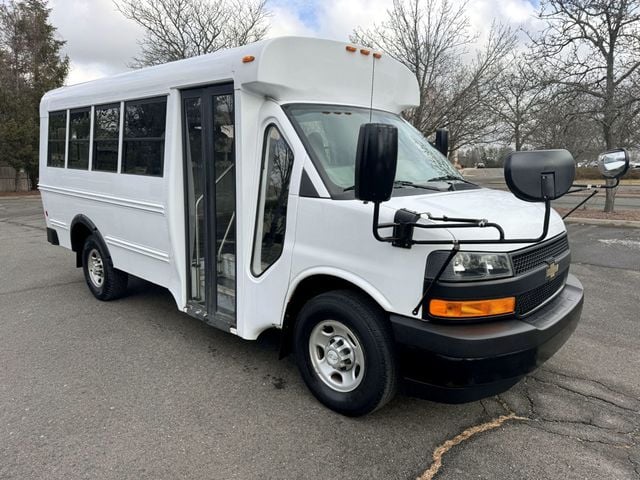
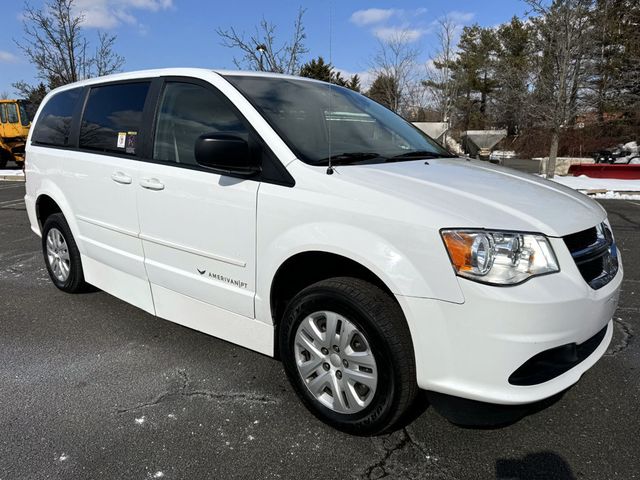
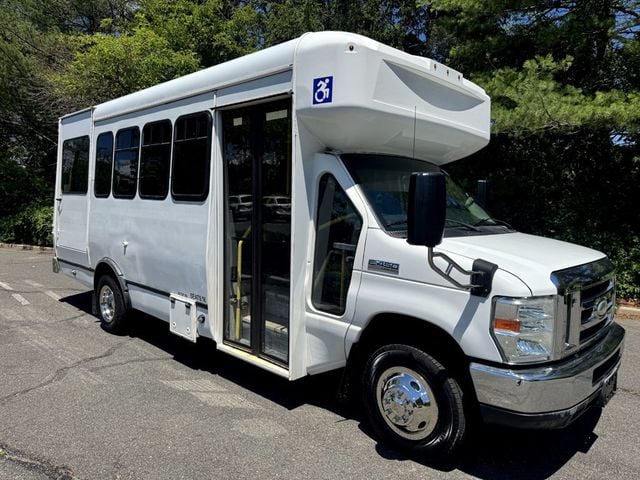
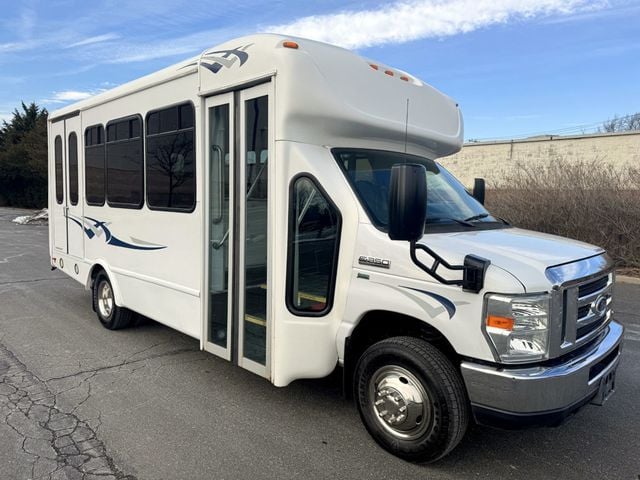
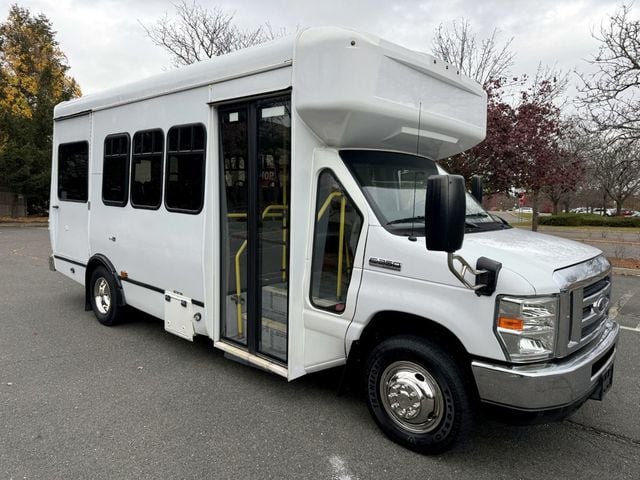
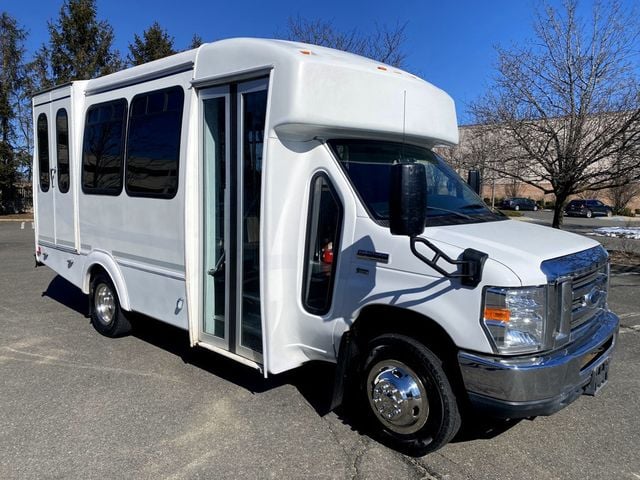
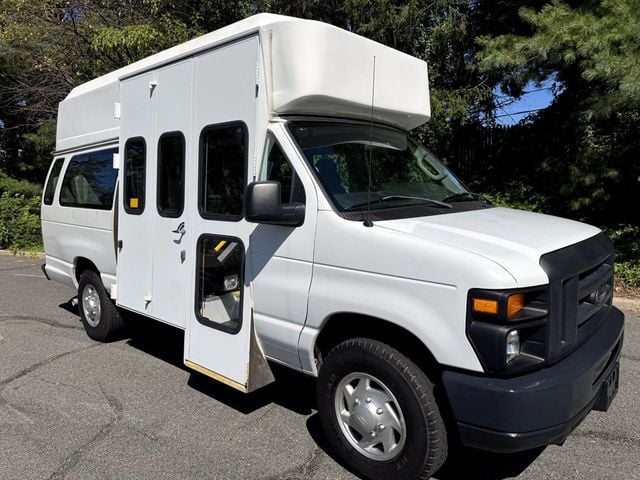

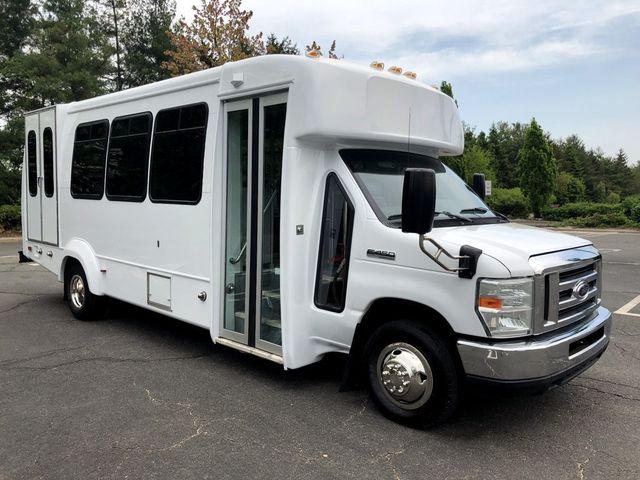
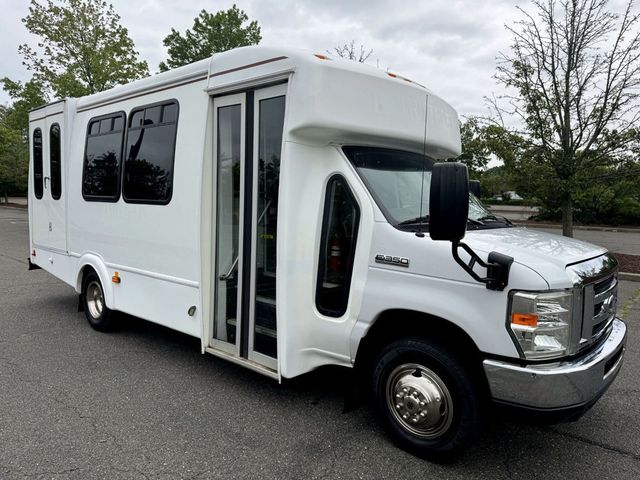
Finding the right shuttle bus for sale in Delaware that buyers can use for daily service starts with the vehicle’s purpose. A hotel may need guest transportation. A care provider may need easy passenger access. A company may need a comfortable bus for staff or clients. The best choice should match the route, passenger needs, seating plan, and expected use.
Start With the Passenger Layout
Seating is one of the first features to check. Think about how many people the bus needs to carry and how often passengers will enter or leave. A practical layout should give passengers enough room to sit and move safely.
Buyers should also review aisle space, seat condition, entry points, and interior height. These details affect daily use. A bus that fits the planned service can make boarding and unloading easier for drivers and passengers.
Check Heating and A/C From Front to Rear
Cabin comfort matters during regular passenger service. A bus may carry people for short trips or longer routes, so the heating and A/C system deserves close attention.
Virtually all buses and vans from Major Vehicle Exchange have front and rear A/C and heating. This setup helps manage the temperature across the passenger area. Some vehicles also have heated mirrors and passenger steps.
A buyer should check the equipment on the exact vehicle under review. Features can differ by model, so the vehicle details should always guide the final decision.
Give Accessibility a Clear Place
Passenger transportation often includes people with different mobility needs. A wheelchair accessible bus may be the right choice for care providers, community groups, schools, churches, and other organizations.
Review the access system, wheelchair space, seating arrangement, and available interior room. The goal is to make sure the vehicle supports the passengers who will use it.
Accessibility should be considered early in the buying process. It can affect the layout and the type of vehicle that fits the service.
Look Closely at Vehicle Condition
A used shuttle bus should be reviewed as a complete vehicle. Buyers should look at the body, interior, seating, tires, mechanical condition, heating, A/C, and passenger access equipment.
Service records can also help provide useful information about past care. A careful review gives the buyer a better picture of the vehicle and its expected role.
Major Vehicle Exchange offers reconditioned used shuttle buses and passenger vehicles. Buyers can compare available vehicles based on their intended use rather than choosing only by appearance.
Think About Delaware Roads and Regional Travel
A bus based in Delaware may also travel into nearby states for business, events, medical transportation, airport service, or group trips. That makes it useful to consider how the vehicle will perform across different routes.
Road salt can also affect vehicles that operate in areas that treat roads during winter. Major Vehicle Exchange undercoats all vehicles to help extend their service life on harsh, salted roads.
This preparation can matter for buyers who expect regional travel. Regular care is still needed after purchase. Buyers should review the condition of each vehicle and follow a suitable maintenance plan.
Match the Bus to the Work
There is no single shuttle bus that fits every business. A hotel may value passenger comfort and easy entry. A care provider may need wheelchair access. A company may need practical seating for staff transportation.
Start with the actual service. Review passenger capacity, seating, accessibility, heating, A/C, storage, and vehicle condition. Then compare vehicles that meet those needs.
This approach can help buyers avoid paying for features they do not need or choosing a layout that does not work well for their passengers.
Closing Thoughts:
Our team at Major Vehicle Exchange, led by Charlie, helps buyers review used passenger vehicles based on real transportation needs. We understand that a bus is a working vehicle for your business, so its layout, equipment, and condition need to make sense for the job. We serve customers in Delaware and across nearby regions. Customers can travel to our Westbury, New York location by automobile, train, or plane to inspect a vehicle. Buyers who cannot make the trip can also discuss pickup and delivery options with our team.
If you are comparing used shuttle buses in New York for a Delaware transportation operation, visit Major Vehicle Exchange to review available vehicles and speak with our team. Tell us how you plan to use the bus, and we can help you focus on options that fit your passenger needs.
FAQs:
1. What should I check before buying a shuttle bus?
Check passenger capacity, seating layout, accessibility equipment, heating and air conditioning, vehicle condition, maintenance history, mileage, and suitability for your regular transportation needs.
2. How do I choose the right shuttle bus size?
Choose based on passenger demand, available storage, route conditions, accessibility requirements, parking space, and how often the vehicle will operate with full passenger capacity.
3. Why are heating and air conditioning important in a shuttle bus?
Reliable heating and air conditioning help maintain passenger comfort across changing seasons, especially during longer trips, frequent stops, and transportation services serving diverse passenger groups.
4. What makes a shuttle bus suitable for accessible transportation?
A suitable accessible shuttle bus should provide properly installed wheelchair equipment, adequate interior space, secure passenger areas, and practical access for people with mobility needs.
5. Should I consider regional road conditions before buying a shuttle bus?
Yes. Regional weather, road surfaces, travel distances, and seasonal conditions can influence the vehicle features, heating, undercoating, tires, and equipment needed for dependable operation.
Comments are closed.