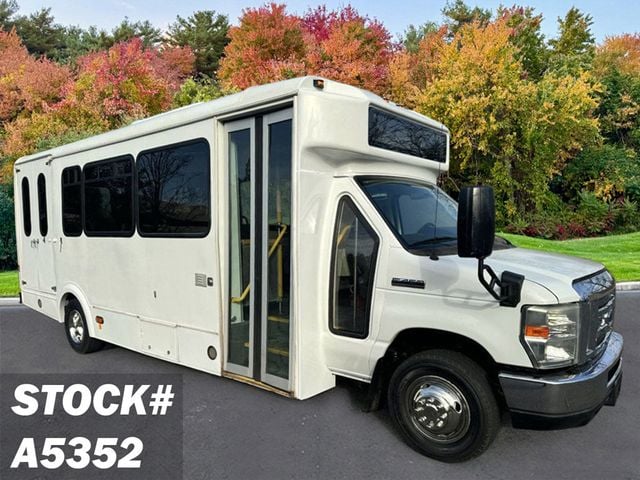
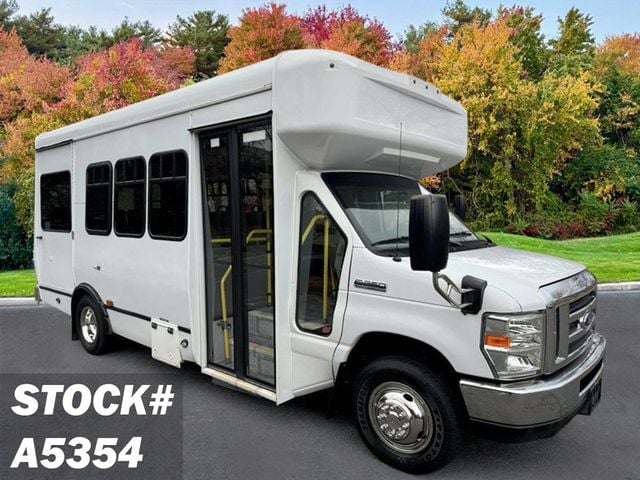
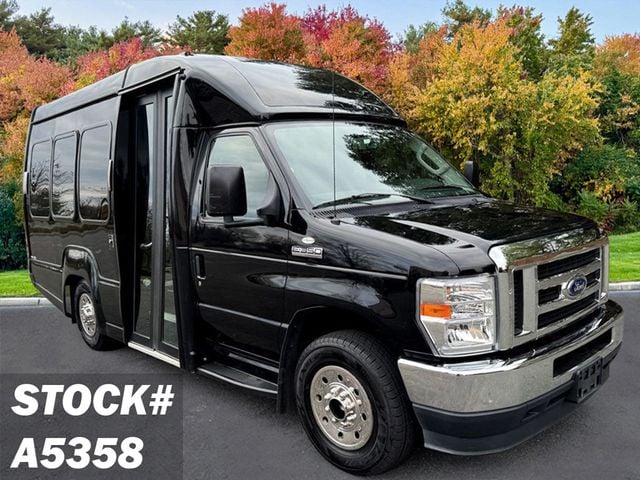
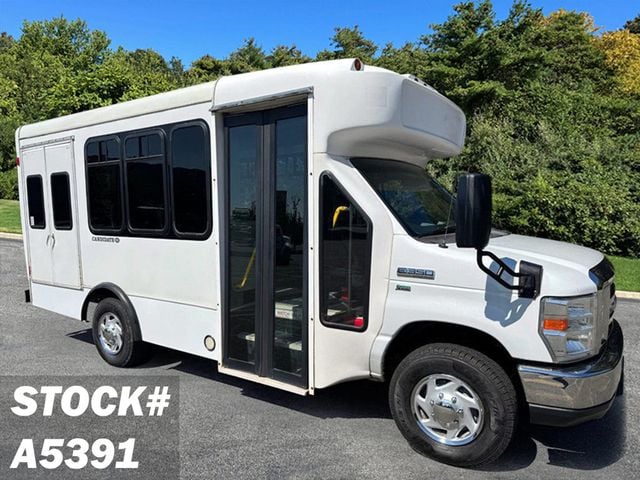
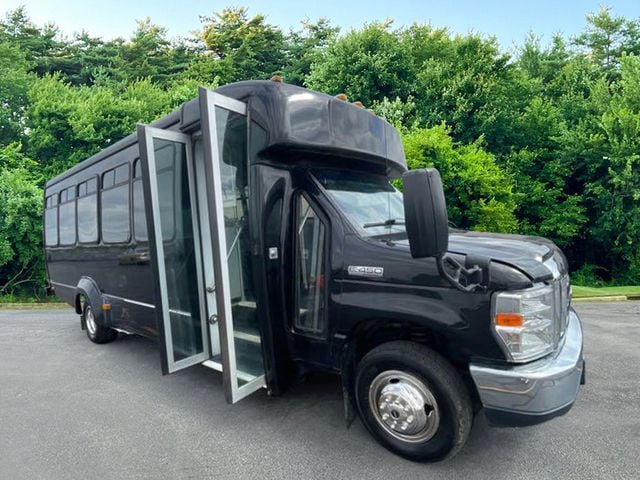
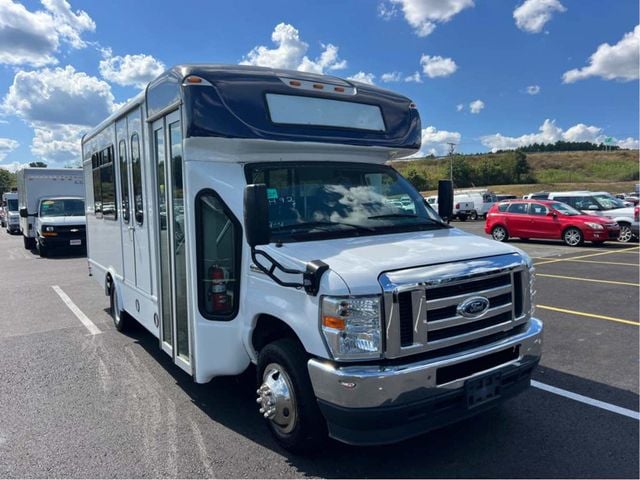
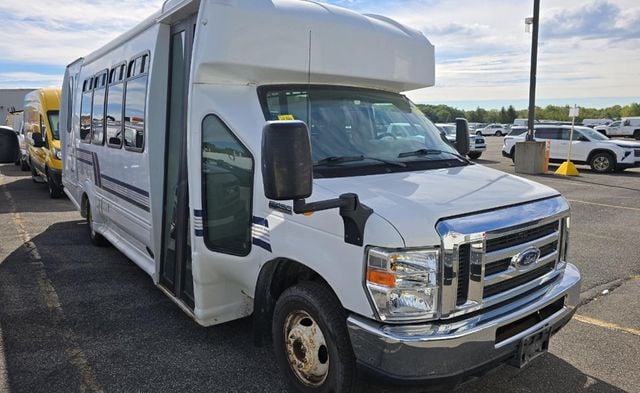
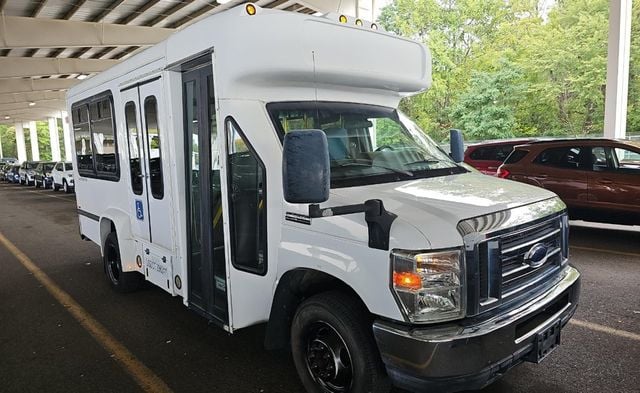
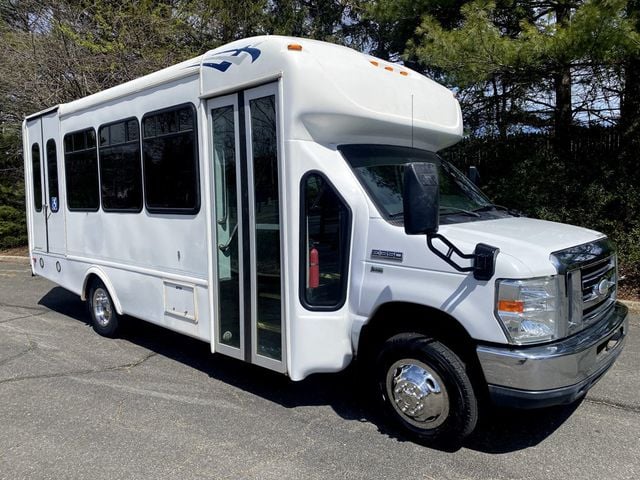
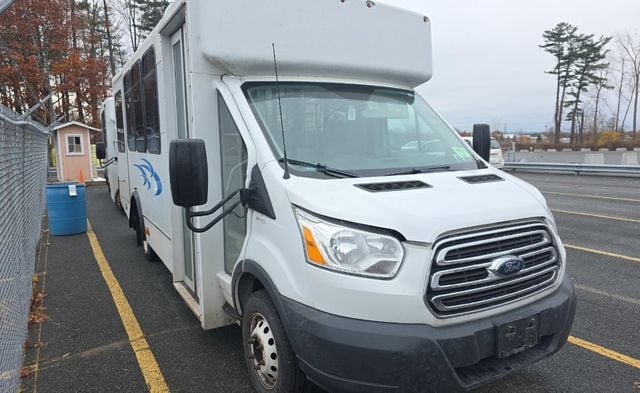
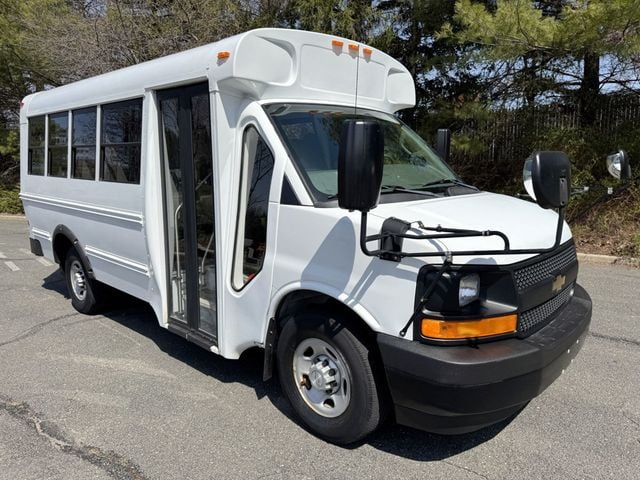
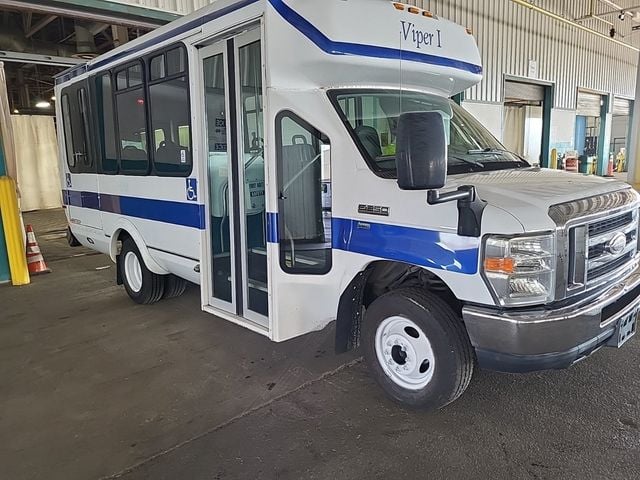
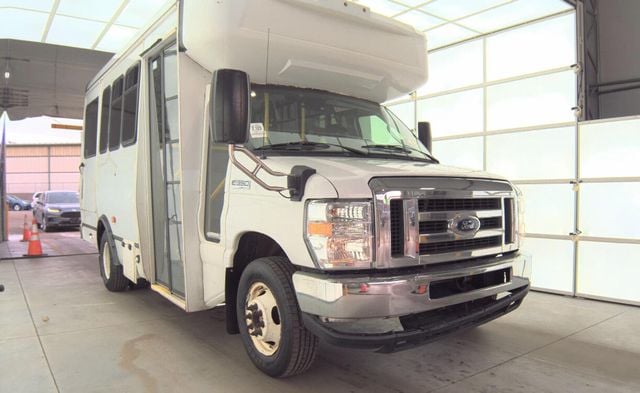
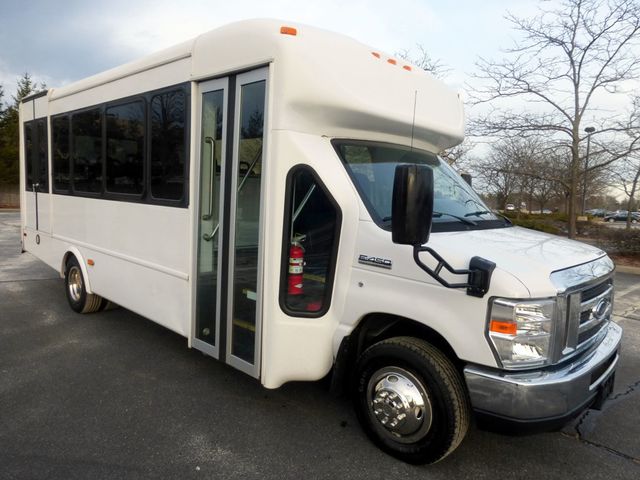
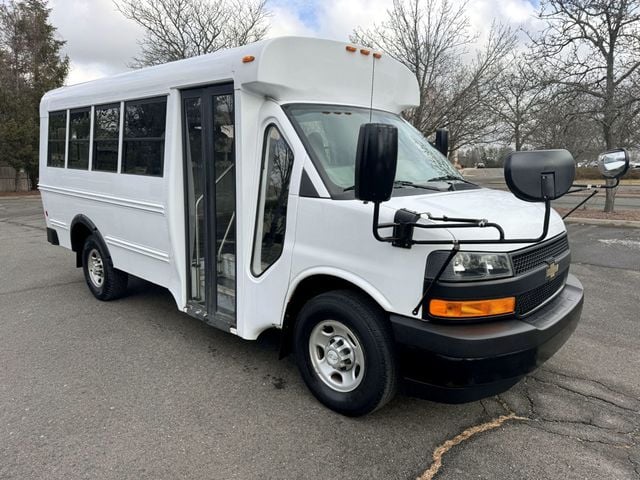
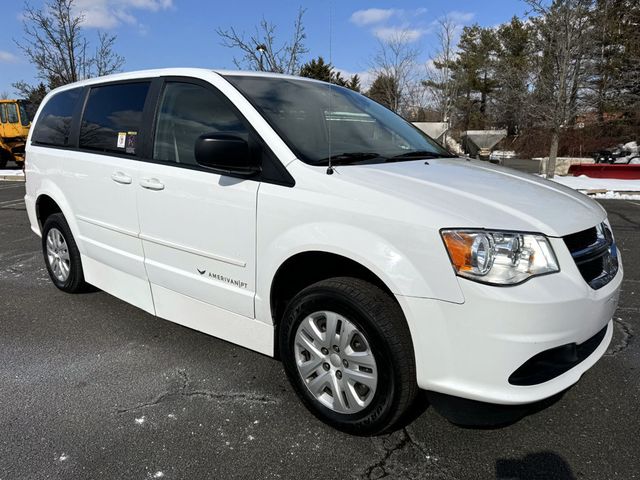
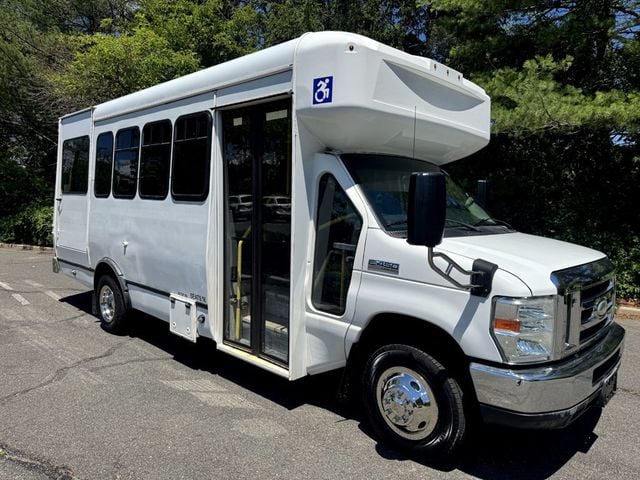
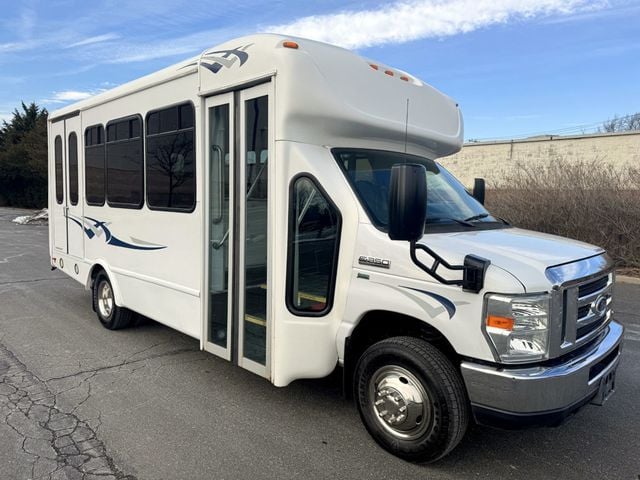
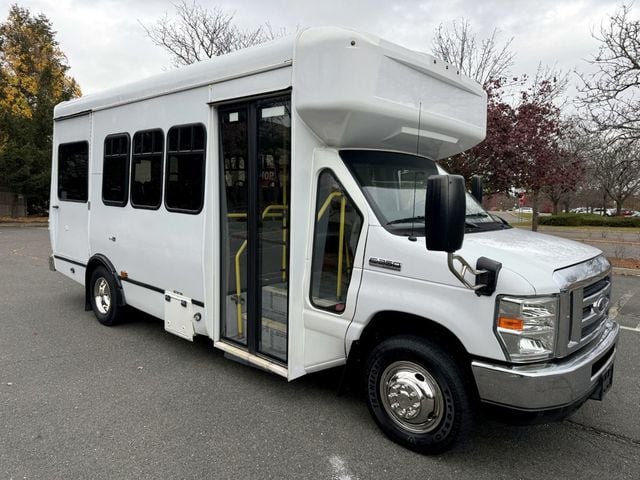
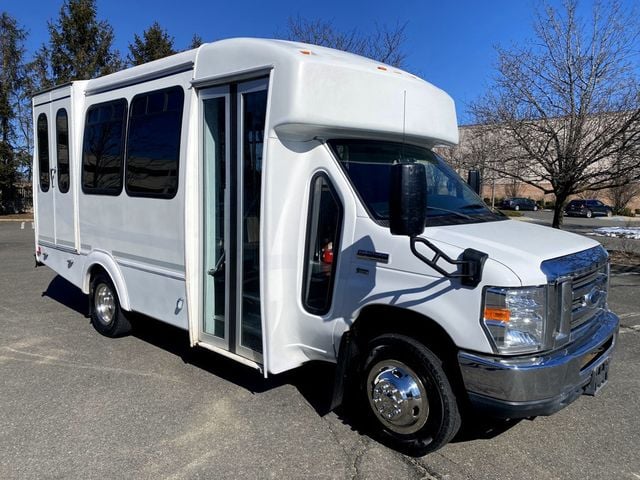
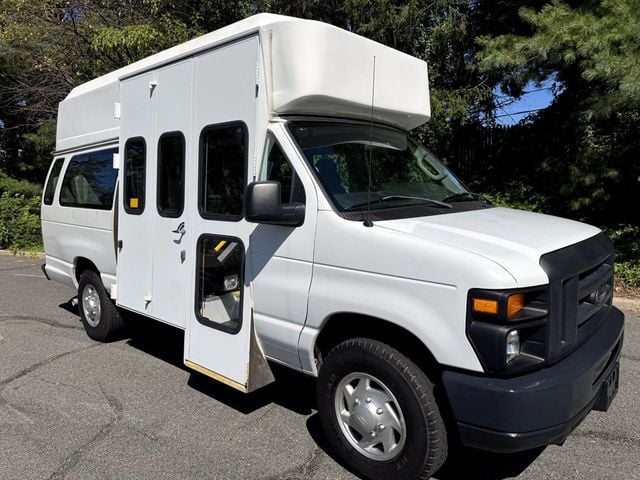

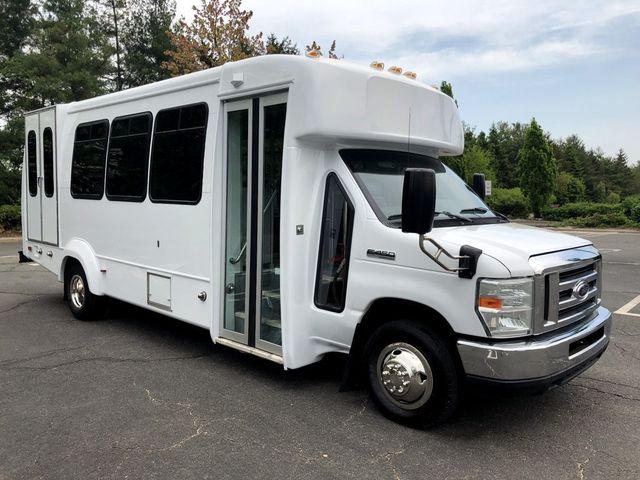
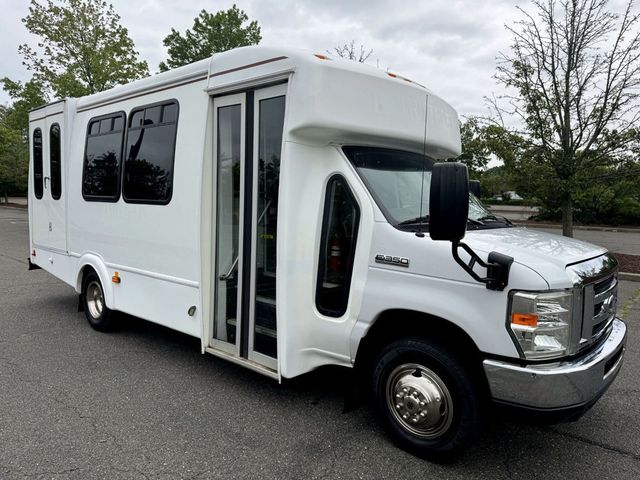
Choosing a shuttle bus for employee or group transportation takes more than checking the number of seats. A good choice should fit the route, passenger load, access needs, storage space, and daily work schedule. A reliable shuttle bus dealership can also help buyers compare vehicle layouts, equipment, and overall condition before making a decision. The goal is to select a vehicle that works well for the people who will use it and the staff who will operate it each day.
Start With the Daily Passenger Count
Passenger demand should guide the first part of the buying process. A company transporting a small work crew may need a compact passenger vehicle. A larger operation may require more seating and room for personal items. The number of riders can also change during the week, so it helps to understand the normal passenger load before choosing a vehicle. A clear passenger count makes it easier to select a useful seating layout.
Think about normal passenger use, not just the highest possible load. Too much unused space can make regular trips less practical. Too little space can create crowding and limit comfort. The right capacity gives each rider enough room for a smooth trip. It can also help drivers manage boarding and unloading with less confusion during busy parts of the day.
Match the Bus to the Route
The route affects the type of vehicle that makes sense. Short trips between offices, hotels, job sites, campuses, or parking areas may call for a different layout than longer regional travel. A vehicle used for several stops should support easy passenger movement and simple entry and exit.
Look at road length, stop frequency, traffic, parking areas, and loading points. A vehicle used for repeated daily runs should be easy to enter, operate, and maintain. Good visibility, practical seating, climate control, and a layout suited to regular stops all matter. Buyers should also consider the space needed to turn, park, and load passengers at each regular stop.
Make Passenger Comfort Part of the Choice
Employee transportation can involve several trips each day. Passenger comfort should not be treated as a minor feature. People may spend a large part of their workday traveling between locations, so a clean interior and useful climate control can make each trip easier.
Check the seating condition, aisle space, interior finish, heating, and air conditioning. Front and rear climate control can help keep the cabin comfortable across the full passenger area. A rear heater can also be useful for colder regional routes. Inspect the doors and steps as well. Easy entry and exit can reduce delays at busy pickup points.
Check Accessibility Before Purchase
Group transportation may include riders with mobility needs. A vehicle with suitable accessibility equipment can support a wider range of passengers. Buyers should check the available equipment and make sure it matches the needs of the people using the vehicle.
Review the wheelchair lift or ramp, entry space, securement areas, and interior clearance. Each part should work properly and fit the intended service. Accessibility should be checked during the vehicle inspection rather than treated as an afterthought. A careful review can also help staff understand how passengers will enter, exit, and travel safely.
Examine Condition, Not Just Appearance
A clean cabin can make a bus look ready for service, but appearance does not tell the full story. Buyers should review the mechanical condition, service history, tires, brakes, lights, suspension, air conditioning, heating, and other key systems. These checks give a better view of the vehicle than its appearance alone.
Road testing is also important. Listen for unusual sounds and watch how the vehicle handles starts, stops, turns, and changes in speed. A detailed inspection helps buyers make a decision based on facts rather than looks alone. It also gives the buyer a clearer idea of how the vehicle may fit regular transportation duties.
Consider How the Bus Will Support Your Operation
The best vehicle is one that fits the actual job. An employer may need transportation for staff parking programs, office transfers, shift changes, training sessions, or group events. A hotel may need regular guest movement between facilities and nearby locations. Each use can call for a different seating plan and equipment setup.
Think about storage, passenger flow, daily mileage, parking limits, and driver needs. This creates a clear picture of the vehicle that can serve the operation without adding features that have little practical value. A clear plan also helps buyers compare several vehicles and focus on the features that matter most for daily use.
Final Note:
Our team at Major Vehicle Exchange, led by Charlie, helps buyers review reconditioned passenger vehicles based on their actual transportation needs. We own the vehicles we offer, and our inventory includes used shuttle buses and accessible passenger vehicles that are serviced and road-tested before sale. Our approach is based on helping buyers understand the vehicle, its layout, equipment, and condition before they make a decision.
If your goal is to buy used shuttle bus for employee transportation or group travel, our team can help you compare seating, equipment, climate control, accessibility, and vehicle condition. Contact Major Vehicle Exchange, led by Charlie, to discuss your transportation needs and find a vehicle suited to your operation.
FAQs:
1. What should businesses consider before choosing a shuttle bus?
Businesses should review passenger capacity, route length, seating, accessibility, climate control, storage, vehicle condition, and daily operating needs before selecting a suitable shuttle bus.
2. How many passengers should a shuttle bus accommodate?
Passenger capacity should match regular demand while allowing comfortable seating and movement. Businesses should avoid overcrowding and choose a layout suited to daily transportation needs.
3. Why is vehicle condition important for group transportation?
Vehicle condition affects reliability and passenger comfort. Buyers should inspect brakes, tires, suspension, lights, climate systems, service history, and overall mechanical performance before purchase.
4. What features improve employee shuttle bus comfort?
Comfort can improve with supportive seating, clean interiors, useful aisle space, front and rear climate control, heating, practical entry points, and sufficient passenger room.
5. How can accessibility affect shuttle bus selection?
Accessibility needs can influence the required lift or ramp, entry space, wheelchair securement area, interior clearance, and seating arrangement for passengers with mobility needs.
Comments are closed.