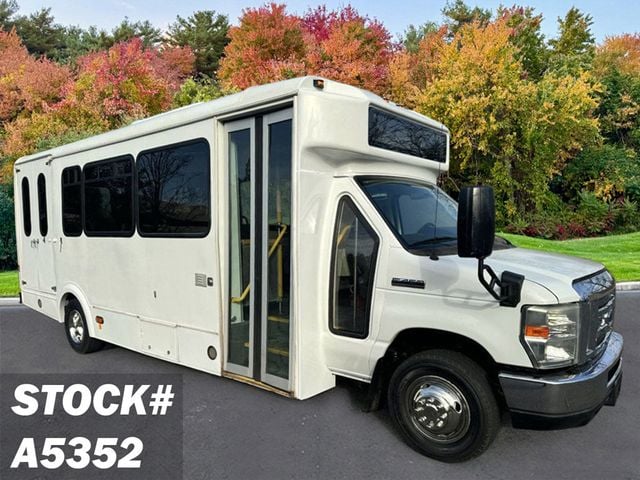
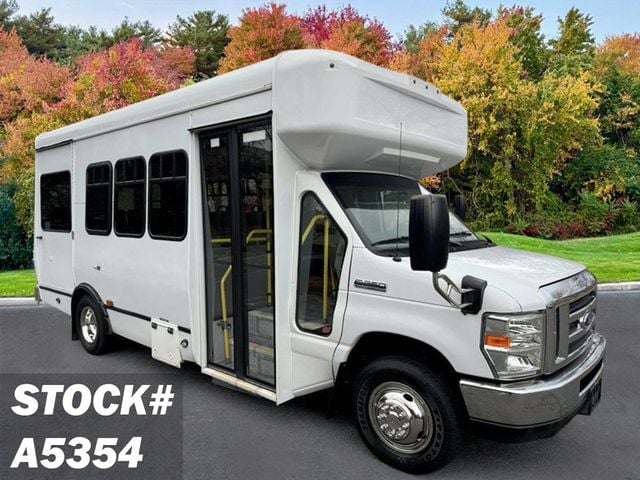
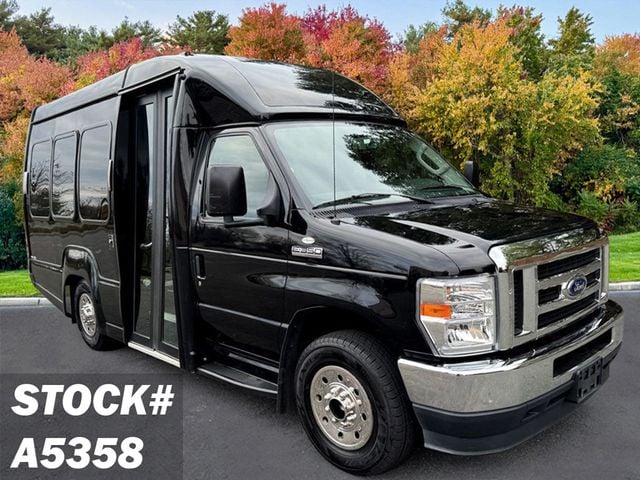
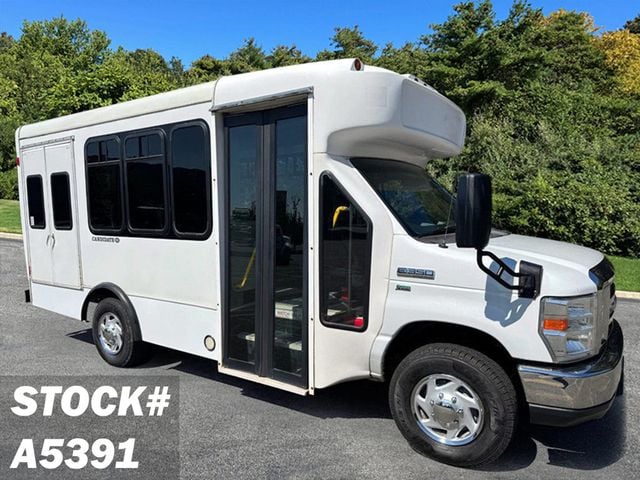
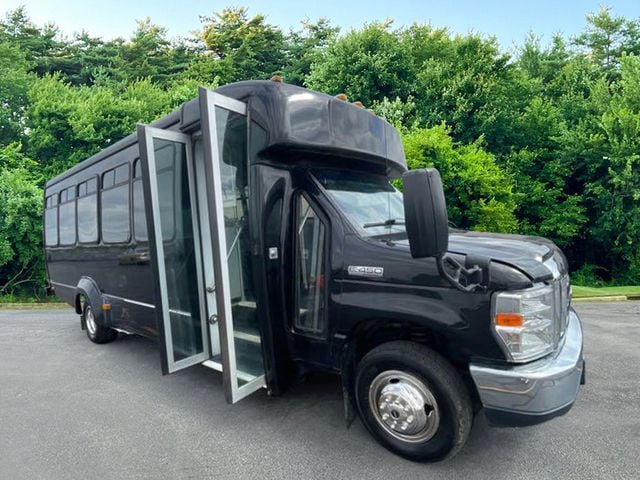
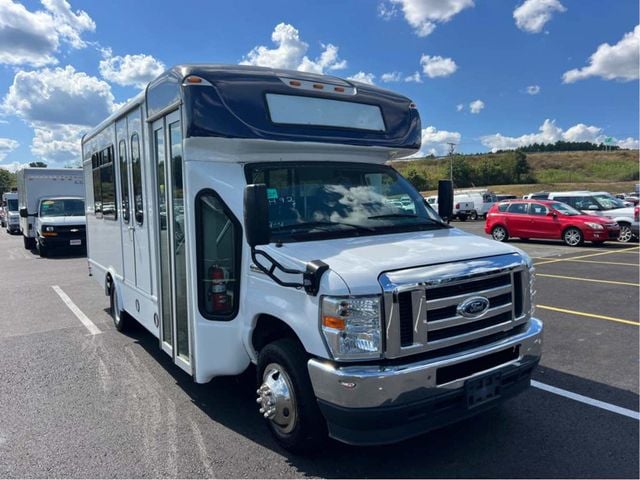
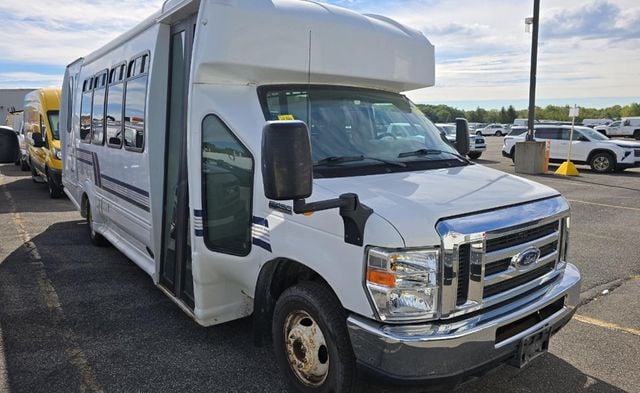
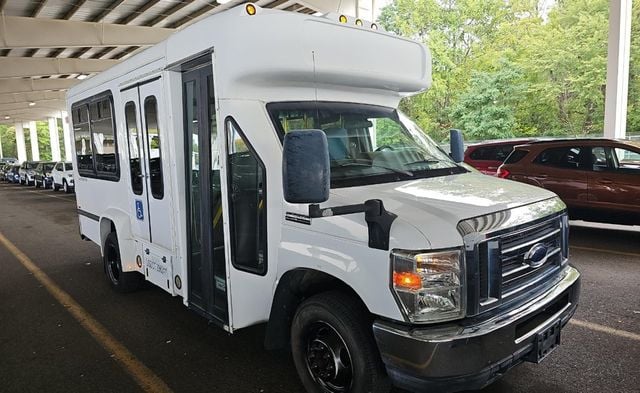
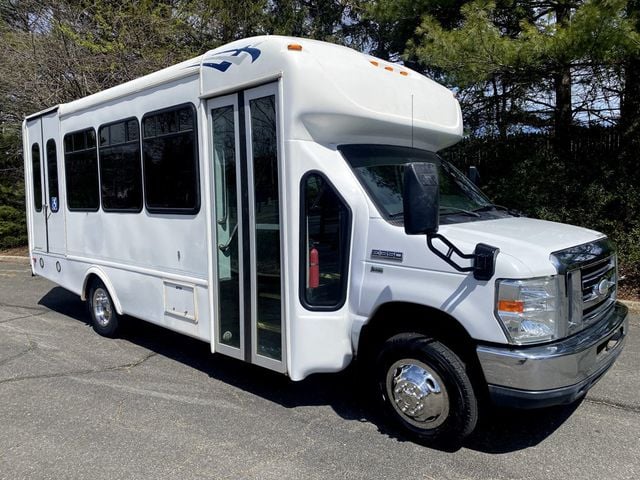
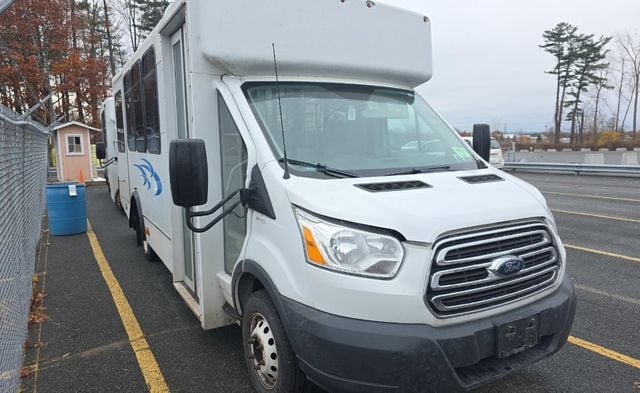
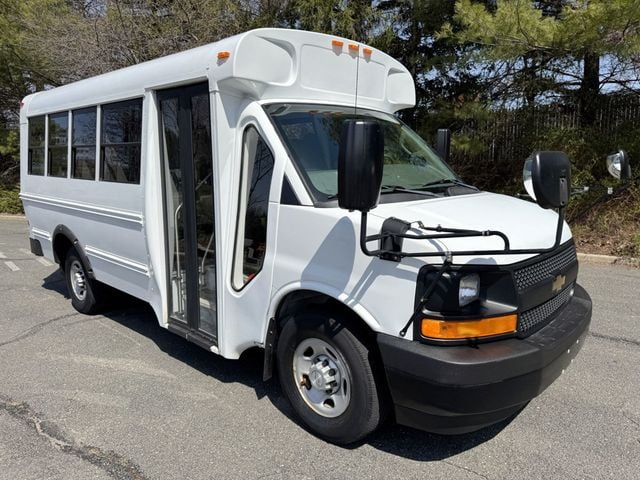
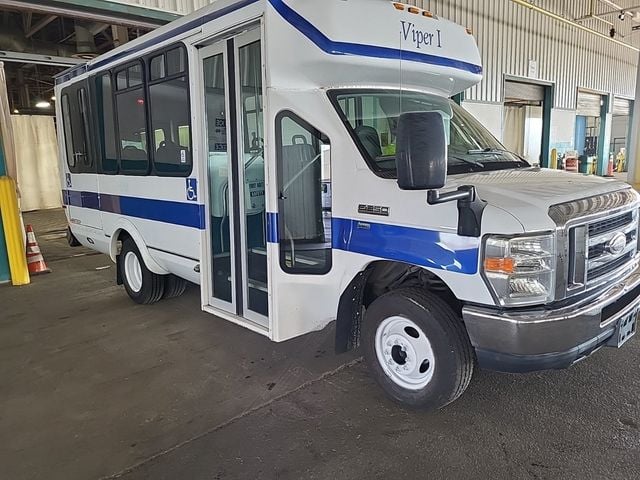
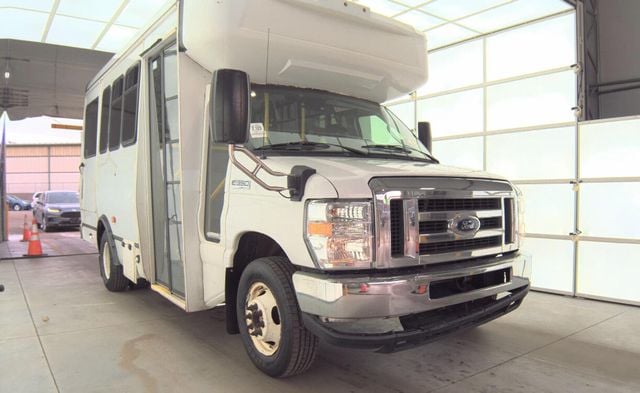
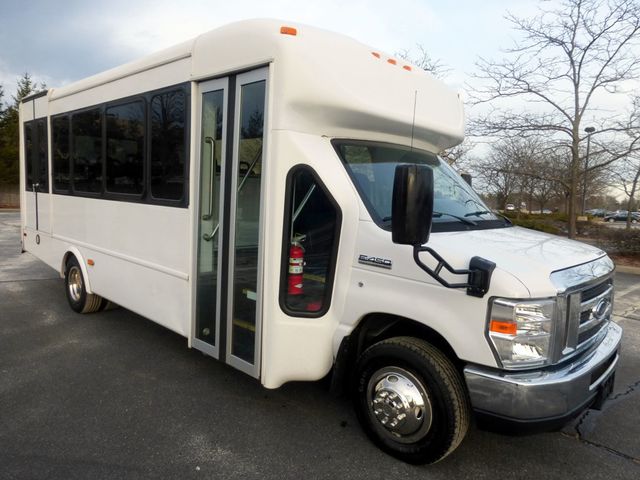
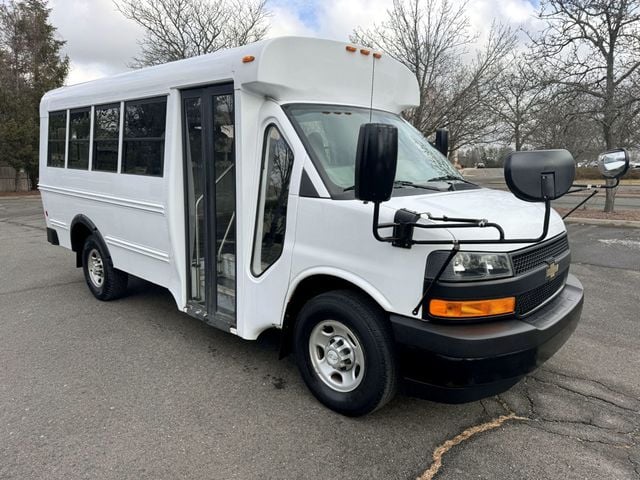

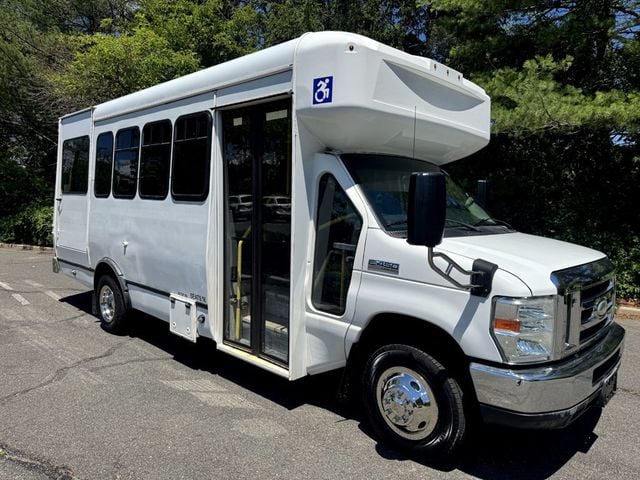
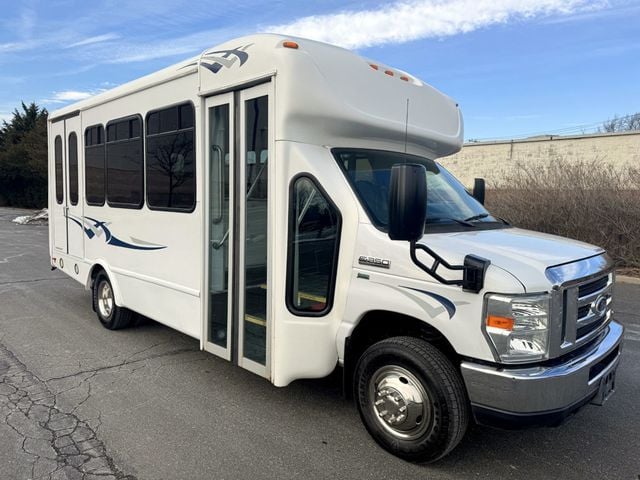
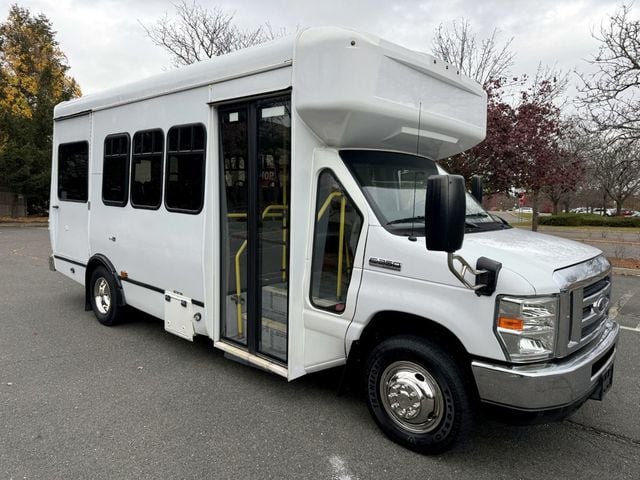
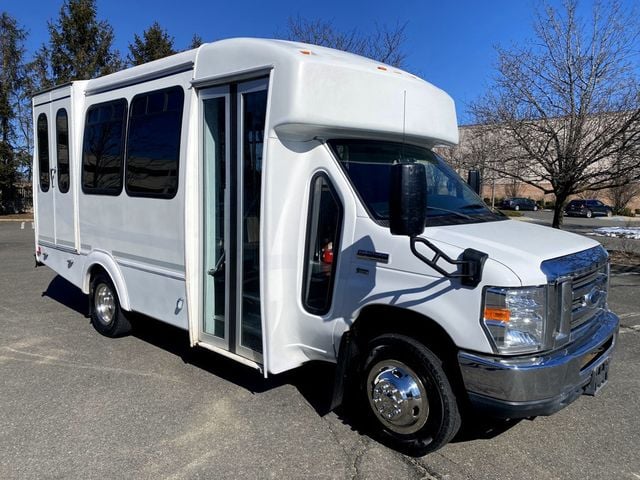
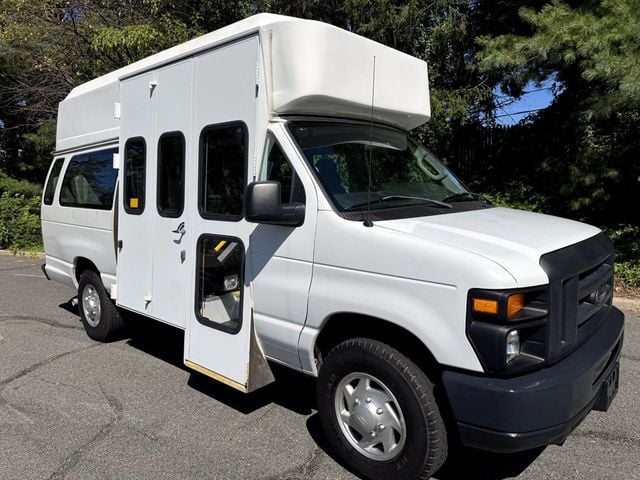

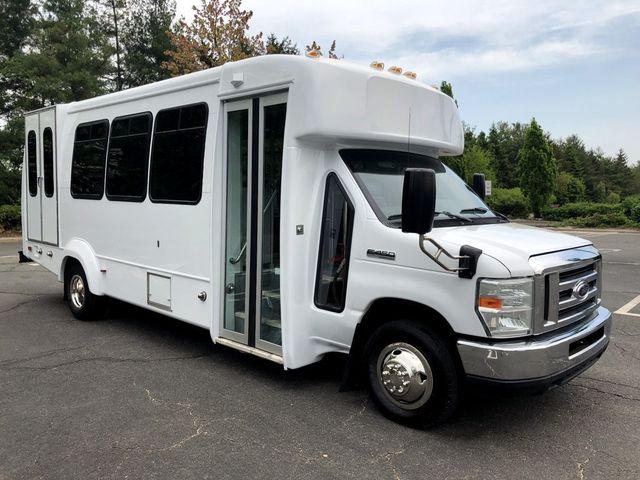
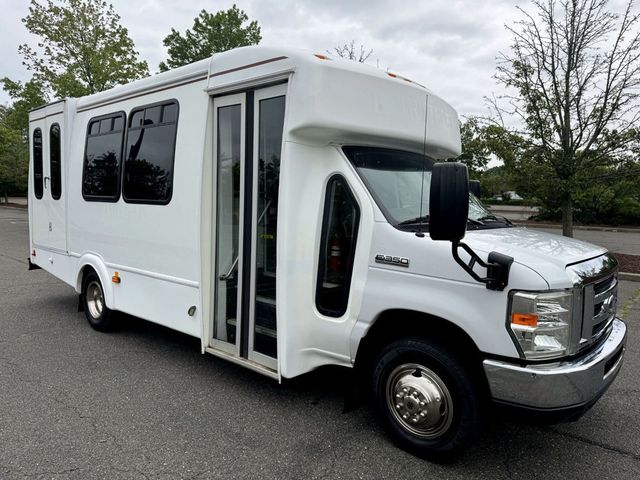
A shuttle bus for sale Maryland search should not start with a vehicle’s seat count or a long list of equipment. Start with the job the bus must perform. Passenger turnover, stop frequency, luggage, accessibility, road conditions, driver workload, and service demands can all change the best choice. A strong purchase is one where the vehicle’s layout and equipment match the actual operation. This method gives fleet buyers a clearer way to compare vehicles and avoid paying for features that do not support daily service. It also helps create a vehicle plan based on real passenger needs rather than a basic specification sheet.
Match Passenger Flow, Not Just Passenger Count
Two buses with the same seating capacity can work very differently. The reason is passenger flow.
Look at how people enter, move through the aisle, find seats, carry belongings, and exit. A busy route may need wide access and simple movement more than maximum seating.
Count how many riders board at common stops. Check how quickly the cabin clears at busy locations. A layout that supports smooth movement can be more useful than several extra seats that make the aisle feel crowded. This can also help drivers manage repeated stops with less cabin congestion.
Match the Doorway to the Way People Board
The entrance is the first working part of the passenger area. Its design can affect every stop.
Review step height, doorway width, handrails, entry lighting, aisle access, and the distance to the first seating row. For accessible service, inspect the lift or ramp position and the path from the loading area into the cabin.
A useful test is simple. Stand outside, enter the vehicle, and walk to several seating positions. This shows how the space works from a passenger’s point of view. It can also reveal narrow areas that may not be obvious from pictures or specifications.
Match Seat Placement to Stop Frequency
Seat layout should reflect how often passengers enter and leave.
A route with many short stops may benefit from easy seat access and a clear aisle. A longer route with fewer stops may place more value on comfortable seating and personal space.
Check row spacing, aisle width, seat position, and handrail placement. Look for areas that may become difficult to access after several passengers board.
The best layout is not always the one with the highest seat number. It is the one that supports the way your riders actually use the bus.
Match Storage to the Items on Board
Plan storage around real passenger belongings. A vehicle used for group travel may carry bags, while another shuttle may have very little luggage.
Review storage location, size, access, and effect on passenger space. Make sure bags do not need to sit in aisles, near doors, or in areas used for mobility equipment.
If your service rarely carries luggage, a large storage setup may not justify the space it occupies. Match the storage arrangement to actual demand. This keeps the cabin more open and easier for passengers to use.
Match Accessibility With the Complete Boarding Path
Accessibility is not limited to a lift or ramp. The entire route from curbside boarding to the passenger’s final position matters.
Check the entry opening, lift or ramp, turning area, aisle, wheelchair position, securement points, and passenger restraint system. Make sure staff have enough room to assist without blocking other riders.
A vehicle may have the right accessibility equipment yet still have a poor interior layout. Reviewing the complete boarding path helps reveal that difference. It also supports a more practical passenger experience.
Match Vehicle Dimensions to Your Service Area
Vehicle size should fit the places it will operate. Measure more than parking space.
Consider turning areas, narrow streets, pickup lanes, loading zones, facility entrances, and common passenger stops. Think about how much room the driver has to position the vehicle safely and comfortably.
A slightly smaller shuttle may serve a busy local route better than a larger model that creates problems at common stops. The right size should support passenger capacity without making daily driving harder.
Match Driver Workload to the Vehicle Setup
Drivers manage more than steering and braking. They also handle doors, mirrors, passenger boarding, climate controls, and route-related tasks.
Check mirror coverage, control placement, driver’s seat position, visibility around the passenger door, and access to important controls.
A clear operating area can make repeated stops easier. It can also help the driver monitor passenger movement without unnecessary distractions. Small control details can matter during a long service day.
Match Vehicle History to Its Intended Work
A used shuttle needs a condition review that goes beyond paint and appearance. Ask how the vehicle was used and maintained.
Inspect the engine, transmission, brakes, suspension, tires, doors, flooring, seats, electrical systems, climate equipment, and accessibility components. Review service records if available.
Heavy passenger service can create wear in specific areas. Door mechanisms, seat mounts, flooring, steps, and interior surfaces deserve close attention. A professional inspection can help identify repair needs before purchase and give buyers a clearer picture of the vehicle’s condition.
In the End:
Our team at Major Vehicle Exchange helps buyers compare shuttle vehicles by looking at the full operating picture. We review passenger flow, seating layout, accessibility, storage, vehicle size, driver needs, service history, and intended use so you can judge each option by practical value. If you are searching for a used shuttle bus for sale, our team can help you assess available choices based on what your fleet needs to do.
Ready to match a shuttle bus to your actual transportation needs? Contact Major Vehicle Exchange, led by Charlie, to discuss your requirements and explore suitable vehicle options.
FAQs:
1. What should I check first before choosing a shuttle bus?
Start with passenger demand, route conditions, boarding needs, storage requirements, accessibility, seating capacity, driver needs, and expected daily vehicle use.
2. How does passenger flow affect shuttle bus selection?
Passenger flow affects boarding speed, aisle movement, seat access, and cabin comfort. A practical layout can make frequent stops easier for riders.
3. Why should storage needs influence my shuttle bus choice?
Storage keeps bags and mobility equipment away from aisles and doorways. Match storage capacity with the items passengers regularly carry during trips.
4. Should accessibility affect the shuttle bus floor plan?
Yes. Review entry points, lifts or ramps, wheelchair positions, securement areas, turning space, and clear paths so passengers can move through the cabin.
5. How can I evaluate a used shuttle bus before buying?
Inspect mechanical systems, interior components, accessibility equipment, tires, brakes, suspension, doors, and service records. A professional inspection can reveal repair needs.
Comments are closed.