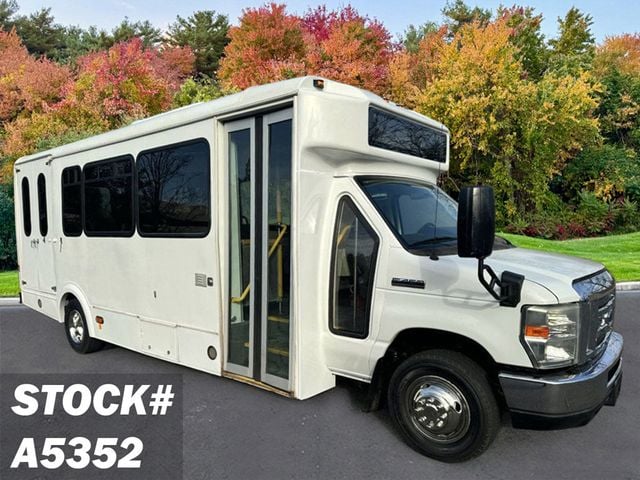
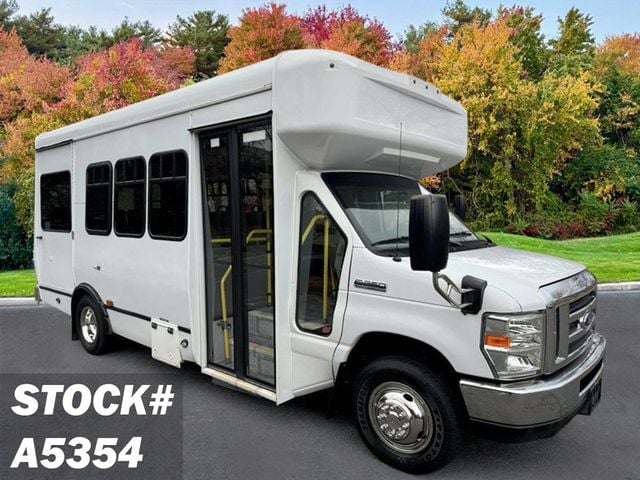
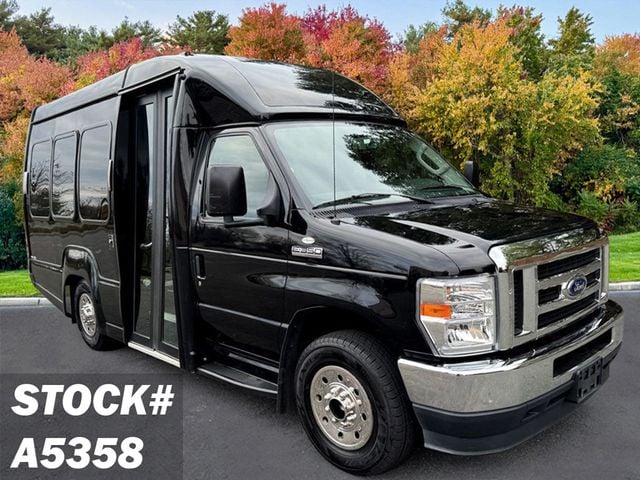
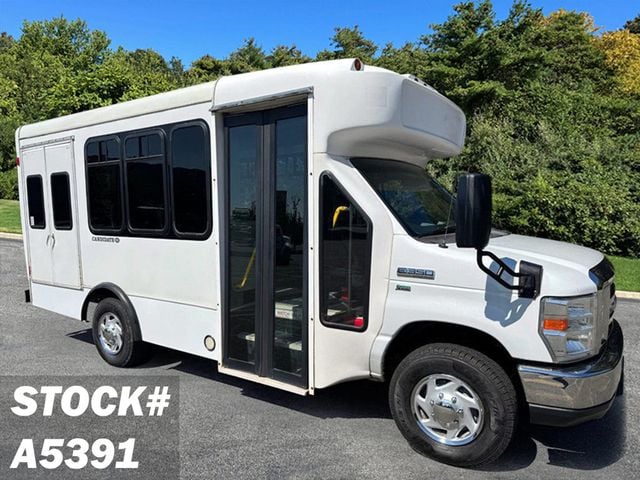
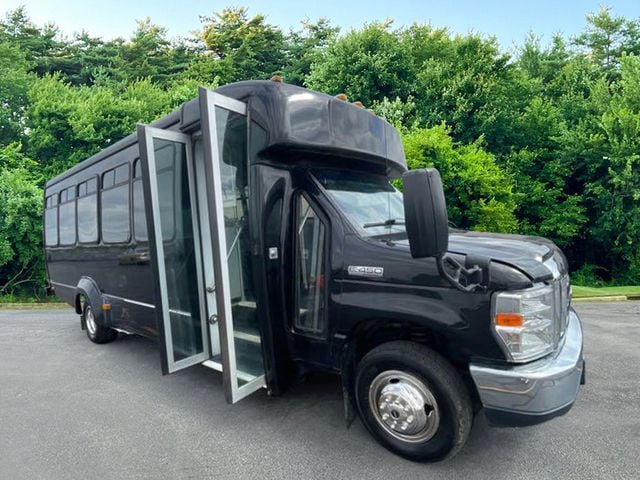
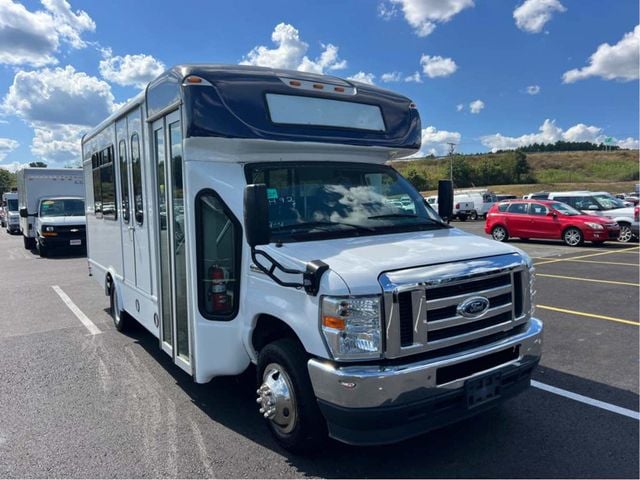
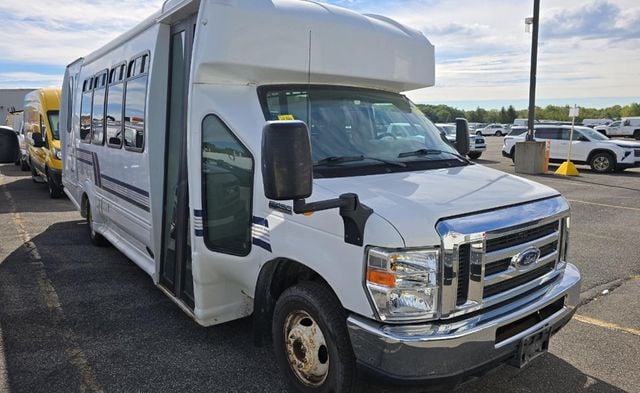
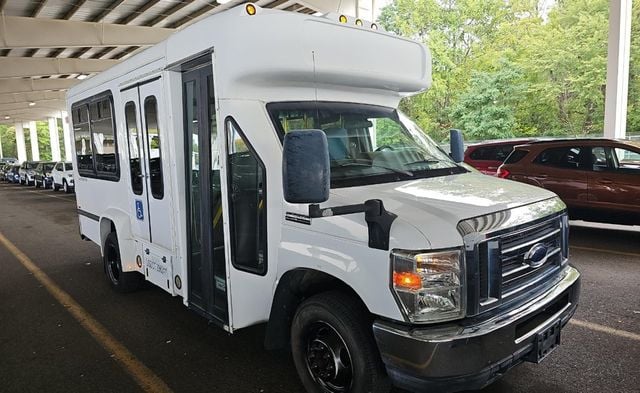
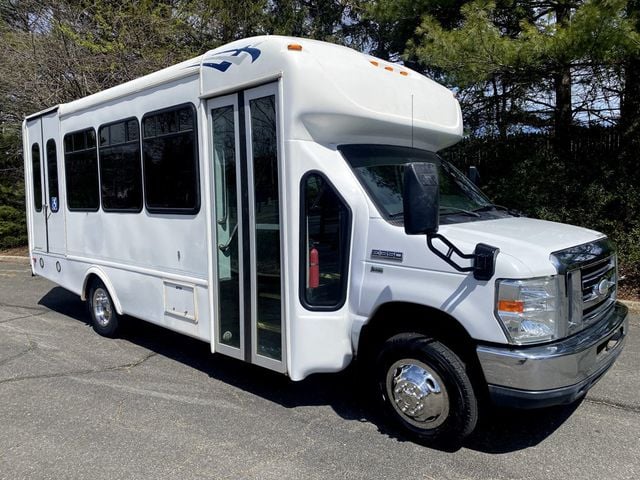
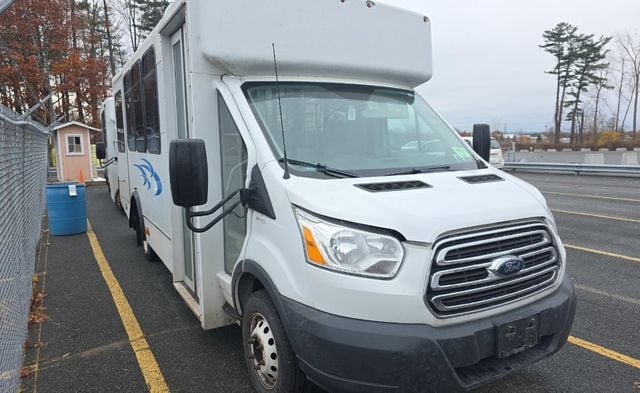
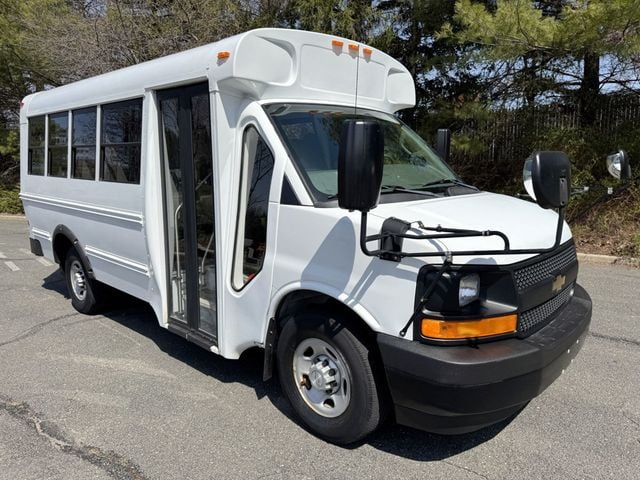
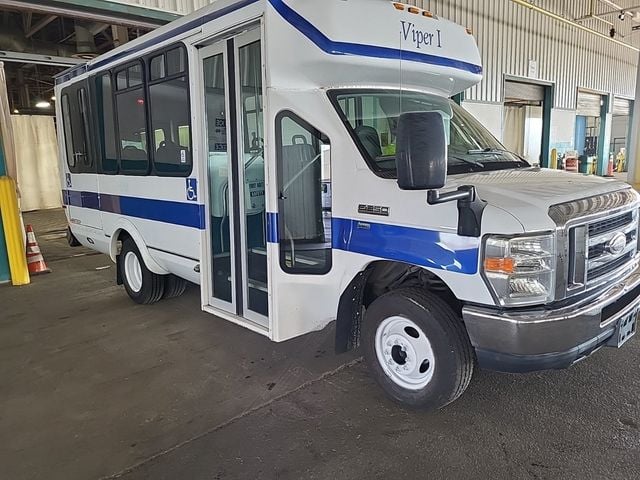
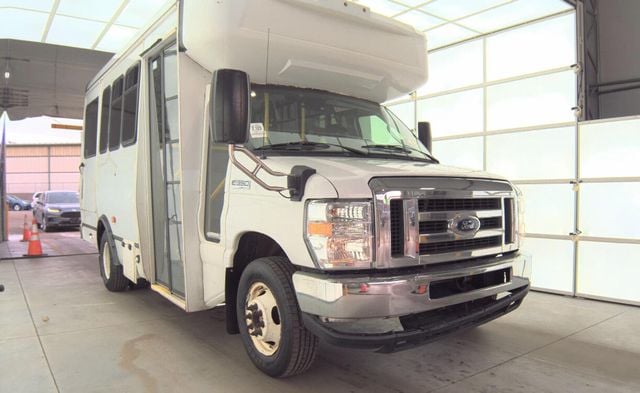
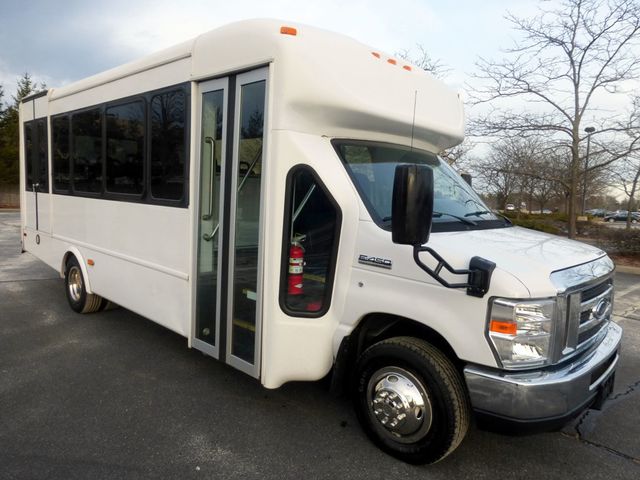
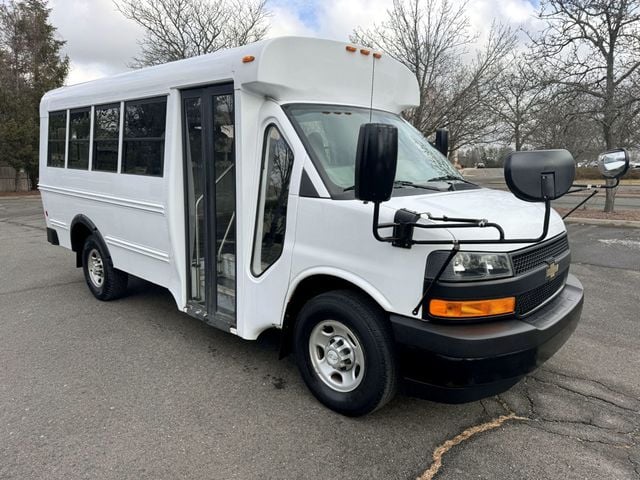
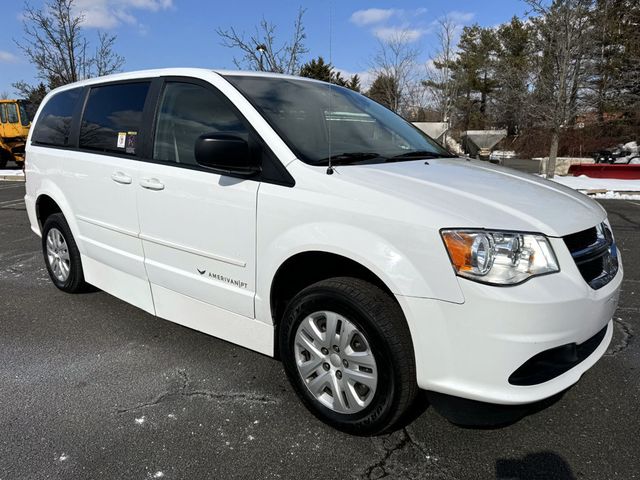
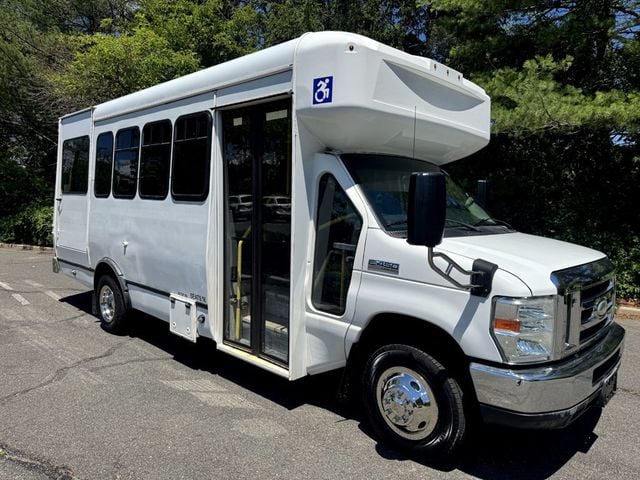
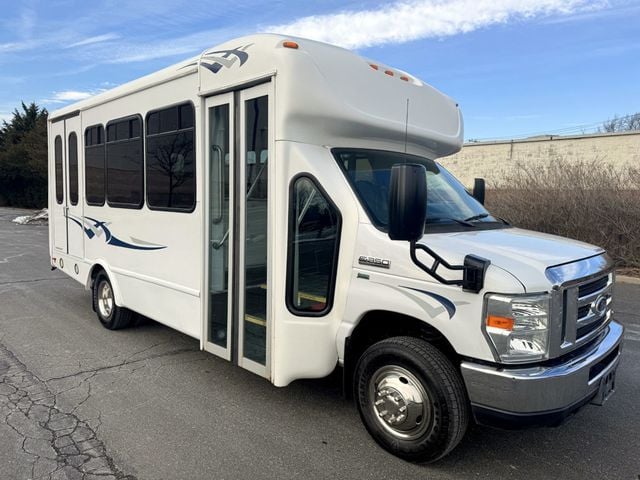
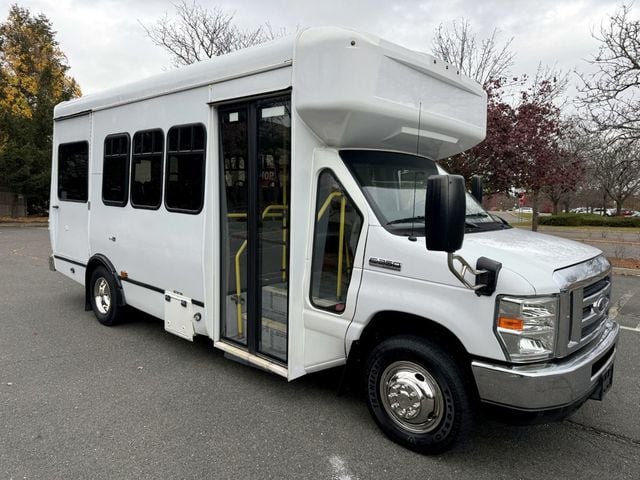
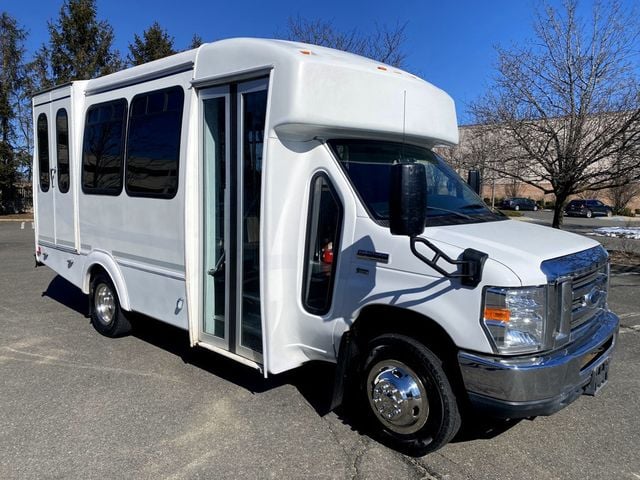
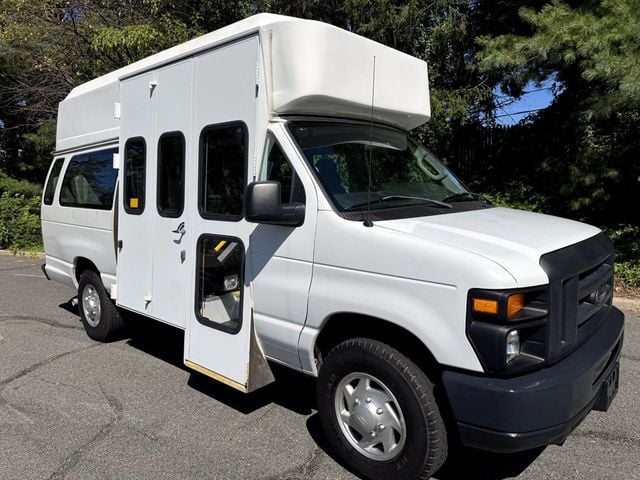

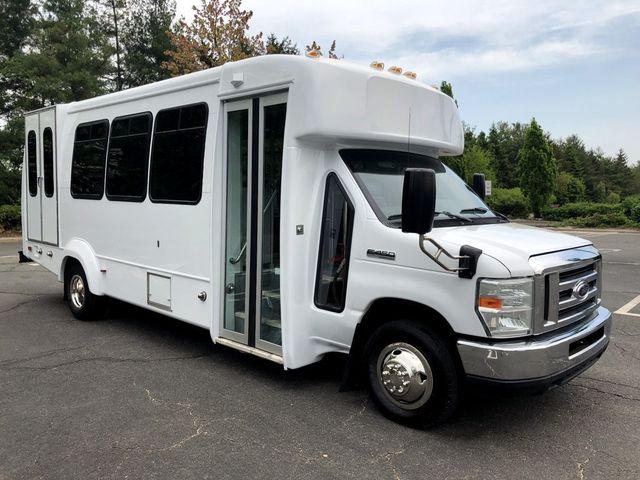
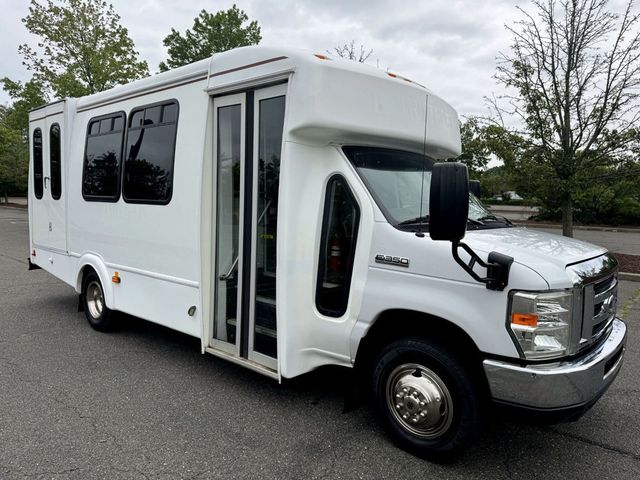
Schools need transportation that works for every student. Handicap buses can help schools provide accessible travel for students who use wheelchairs or need extra support during boarding. The right vehicle should offer safe access, useful seating, enough interior space, and equipment that fits the school’s daily needs. A careful review helps school staff choose a bus that supports students, drivers, and caregivers. The bus should also be easy to use during regular school routes and activity trips.
Start With Student Transportation Needs
Begin by looking at the students who will use the bus. Some students may use wheelchairs, while others may need a simple step entry and extra room. The school should know how many students need accessible seating and how many passengers will travel on a normal route. This helps staff choose a layout that gives everyone enough room.
Think about the type of wheelchair equipment needed. A lift or ramp should provide a clear path into the passenger area. Wheelchair securement areas should also allow proper placement without blocking other riders. The seating plan should give students enough personal space during each trip. Staff should also consider how easily an aide can assist a student during boarding.
Choose the Right Entry System
The entry system is one of the most important parts of an accessible bus. Schools should check how students enter the vehicle and how easily drivers or aides can assist them. A simple entry process can help keep school routes organized and reduce waiting time at pickup points.
A wheelchair lift can help passengers board without using regular steps. A ramp may work well for certain vehicle layouts and passenger needs. Check the lift or ramp during an inspection. It should operate smoothly and provide enough space for the intended mobility equipment. Staff should understand how the equipment works before the bus begins regular service.
Check Wheelchair Securement Areas
A proper securement area gives a wheelchair a stable place inside the passenger cabin. Schools should review the number, position, and layout of these areas before choosing a vehicle. The space should match the mobility equipment used by the students who will ride.
Look at the available space around each position. Drivers and aides need room to help passengers board and settle into place. Securement points should also be easy to reach. A clear cabin layout can make boarding more organized and help reduce delays during school routes. Staff should also check that the securement equipment is in good working order.
Review Seating and Interior Space
Accessible transportation needs more than a lift or ramp. The inside of the bus should support comfortable movement for students and staff. Check the aisle, seats, handrails, doors, windows, and floor area during the inspection. Clean and well-maintained interior areas can also make regular trips more comfortable.
Consider how many students will ride together. A school may need space for wheelchairs, regular seats, bags, and mobility equipment. The right layout should support the expected passenger group without making the cabin feel crowded. Think about how students will move through the doorway and reach their assigned seating or securement area.
Check Climate Control and Comfort
Students may spend a lot of time inside the vehicle during school transportation. A comfortable cabin can make regular trips easier for passengers and staff. Good seating and working climate systems can be useful for short trips as well as longer school routes.
Check the heating and air conditioning systems before purchase. Front and rear climate control can help maintain a comfortable cabin across the full passenger area. Also inspect the seats, interior surfaces, windows, doors, and steps. These small details matter during daily school use and can affect the experience of students and staff.
Review Vehicle Condition Carefully
A school should not choose a bus based only on its appearance. The mechanical condition needs a close review. Ask for service records and inspect the engine, transmission, brakes, tires, suspension, steering, lights, doors, and accessibility equipment. These checks can help staff understand the actual condition of the vehicle.
A road test can provide useful information about braking, handling, acceleration, and unusual sounds. Schools can also have a qualified mechanic inspect the vehicle before completing a purchase. This provides another layer of confidence in the bus being considered. The inspection should cover both the mechanical systems and the equipment used by students.
Match the Bus to School Routes
School routes can differ greatly. Some buses may make short local trips, while others may travel farther between campuses, homes, activity centers, or special programs. The planned route should help guide the choice of vehicle and interior layout.
Consider passenger numbers, route length, parking space, loading areas, and driver needs. The selected vehicle should fit the work it will perform each day. A practical match can make transportation easier for students and school staff. It can also help drivers manage regular pickup and drop-off points with fewer problems.
Final Verdict:
Our team at Major Vehicle Exchange, led by Charlie, helps schools review reconditioned accessible passenger vehicles based on their transportation needs. We own the vehicles we offer, and our inventory includes serviced and road-tested vehicles with accessibility features, useful seating layouts, heating, and air conditioning. Our team can help schools look at the vehicle layout, equipment, passenger space, and overall condition before choosing an option.
If your school needs bus sales for accessible student transportation, our team can help you review available options based on passenger needs, vehicle condition, equipment, and planned routes. Contact Major Vehicle Exchange, led by Charlie, to discuss your school’s transportation requirements and select a suitable vehicle.
FAQs:
1. What features should buyers check in a shuttle bus?
Buyers should review seating, accessibility equipment, heating, air conditioning, vehicle condition, maintenance history, mileage, and layout to match passenger transportation needs.
2. How important is vehicle condition when buying a used shuttle bus?
Vehicle condition matters greatly. Buyers should inspect mechanical systems, interior components, tires, accessibility equipment, and service records before selecting a used shuttle bus.
3. Should a shuttle bus have heating and air conditioning?
Yes. Front and rear heating and air conditioning can improve passenger comfort, especially for regular transportation across Delaware and nearby Northeast routes.
4. How can buyers choose the right shuttle bus size?
Consider passenger capacity, seating arrangement, wheelchair requirements, luggage space, route length, and daily use. The layout should support your transportation needs comfortably.
5. What should buyers inspect before purchasing a used shuttle bus?
Review service records, inspect the vehicle, test major systems, check accessibility equipment, examine the interior, and request a road test before purchase.
Comments are closed.