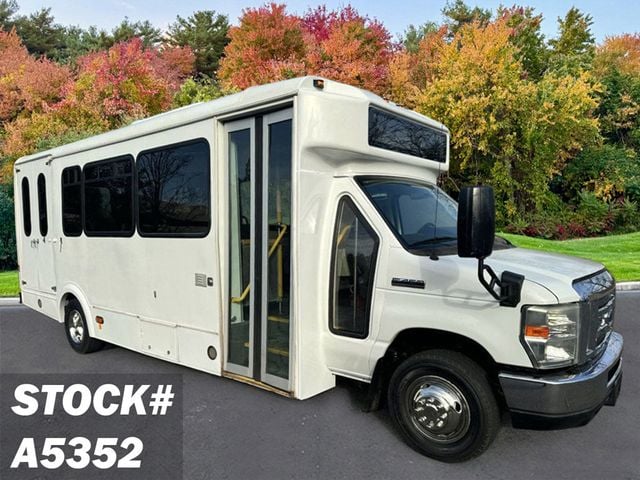
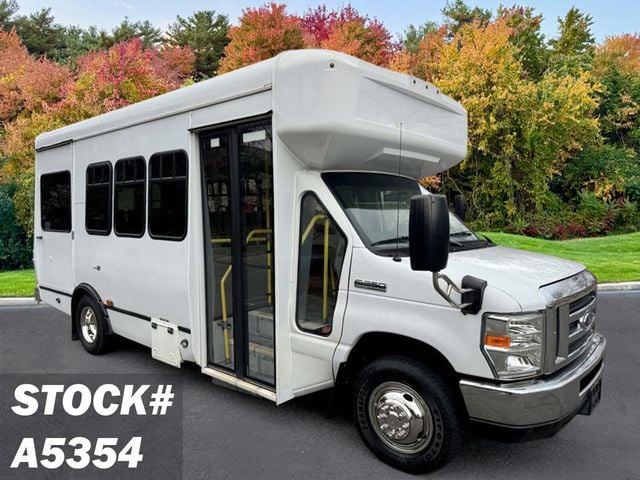
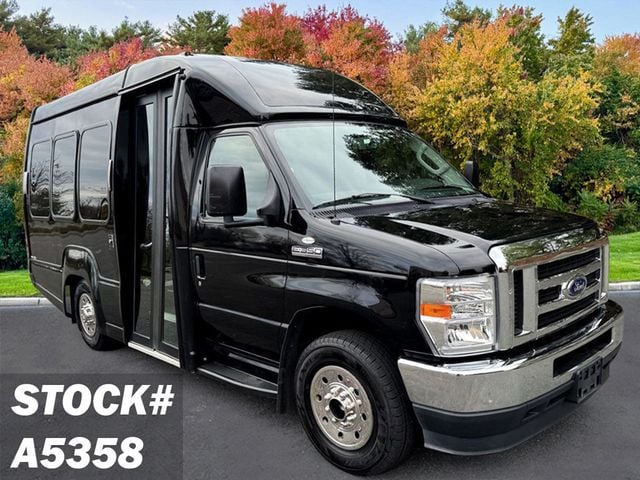
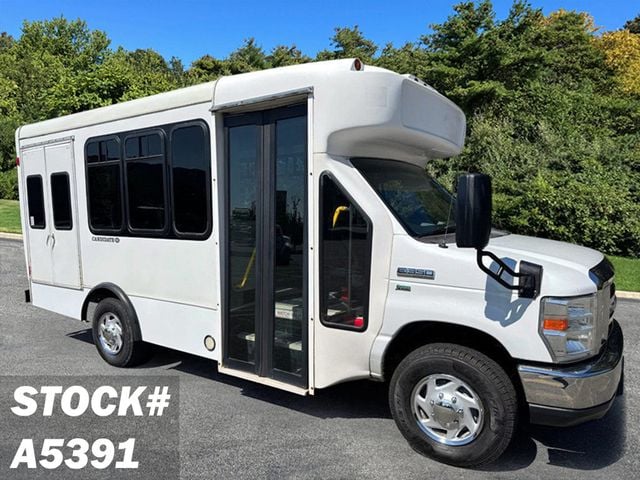
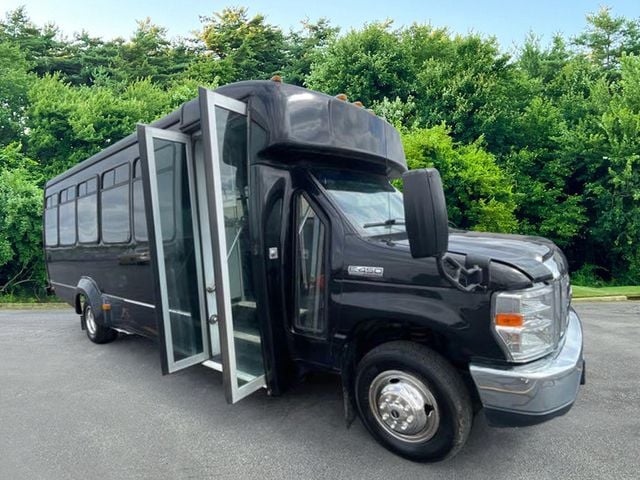
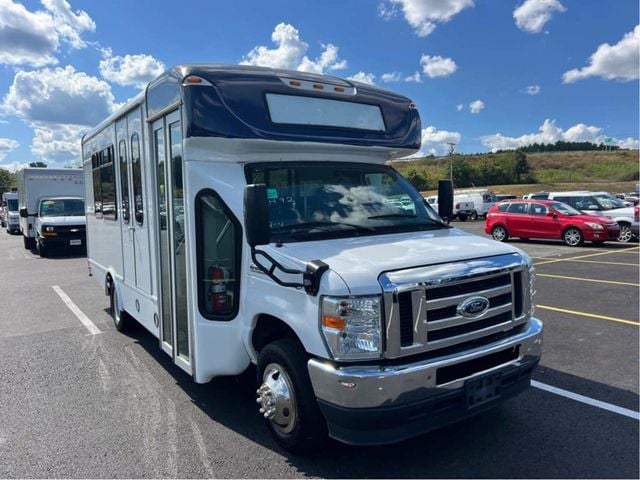
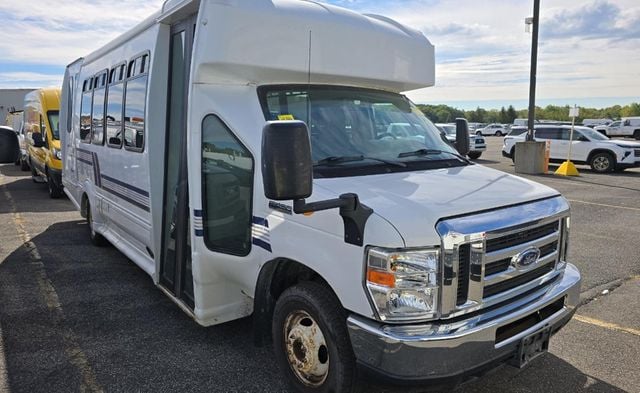
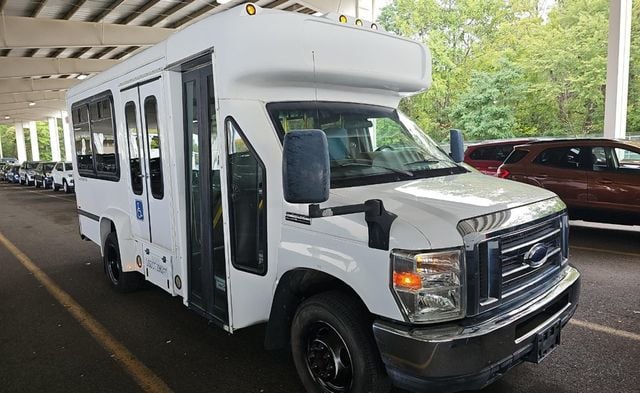
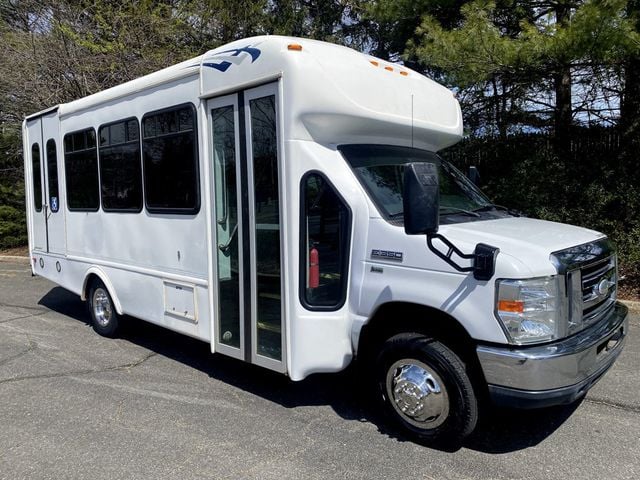
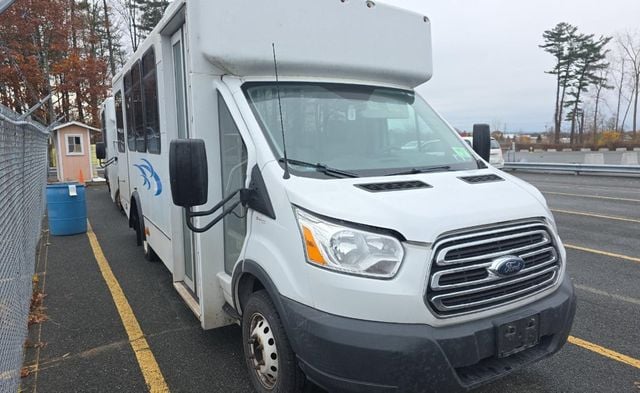
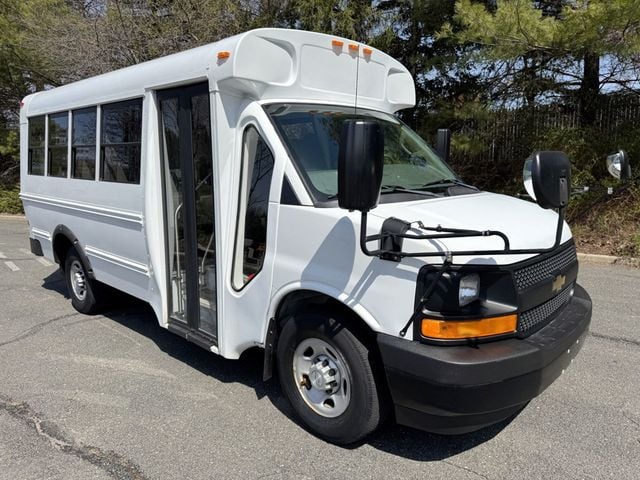
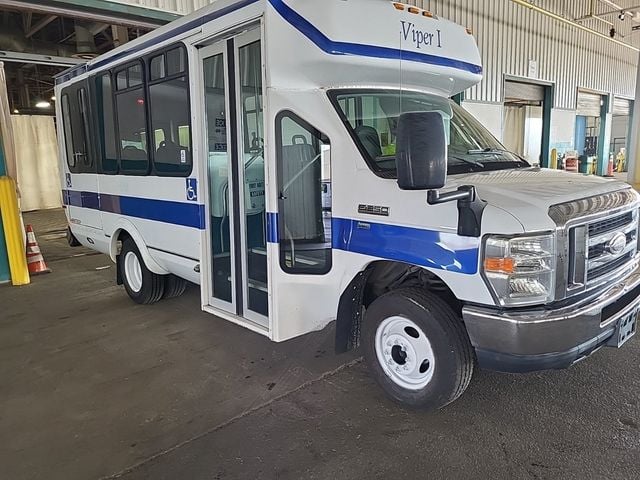
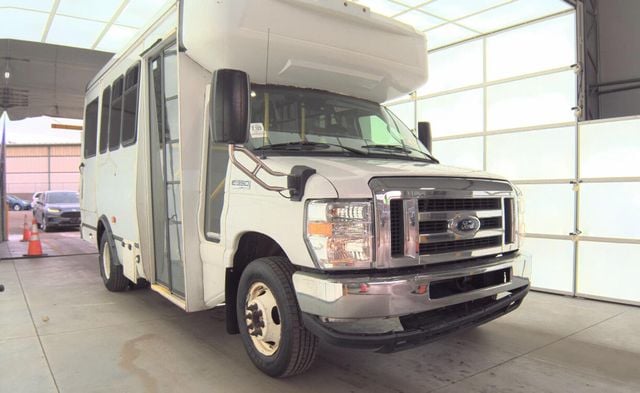
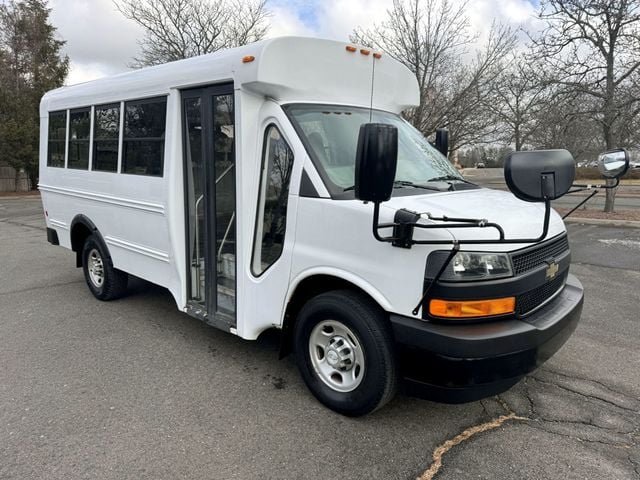
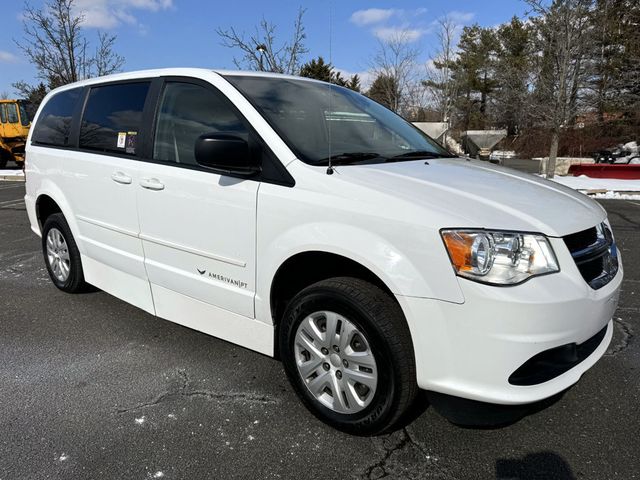
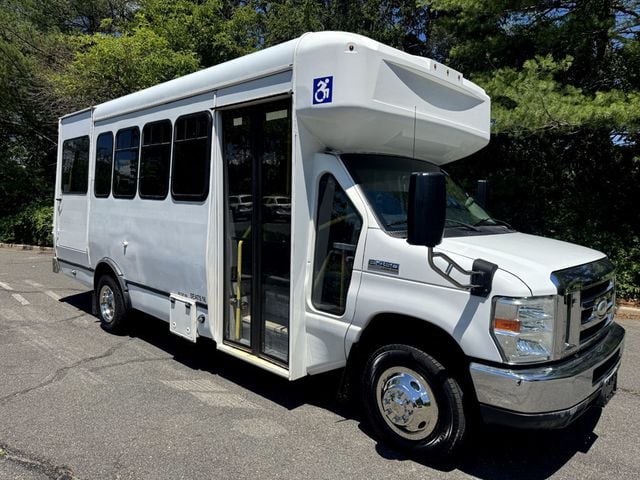
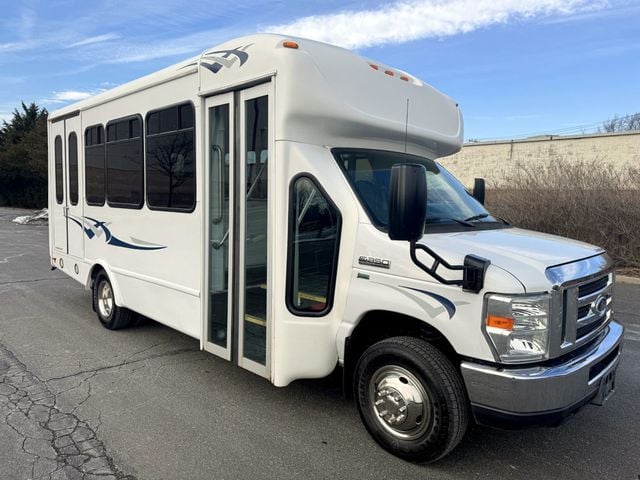
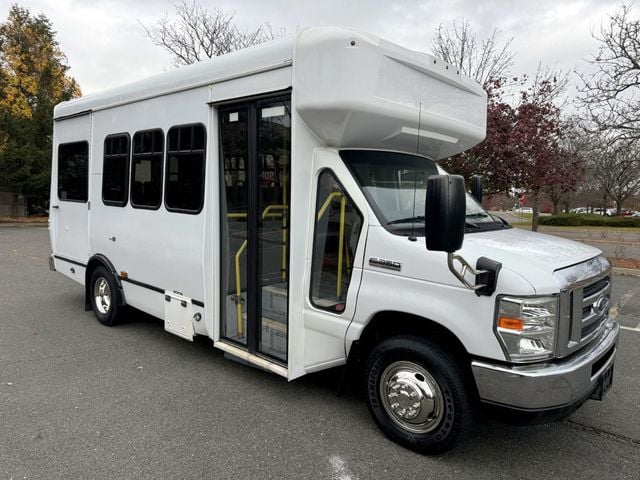
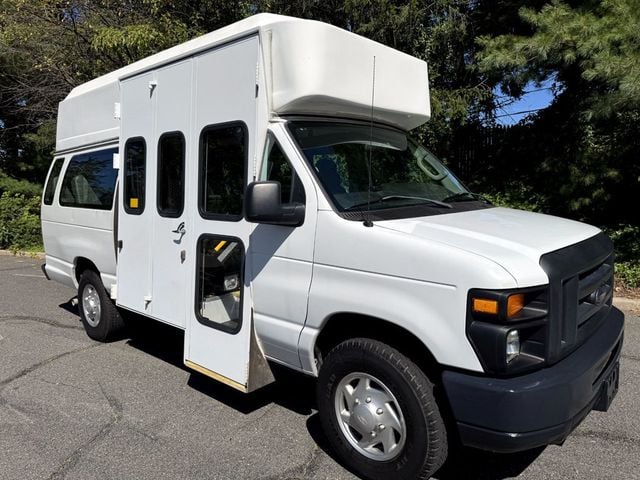

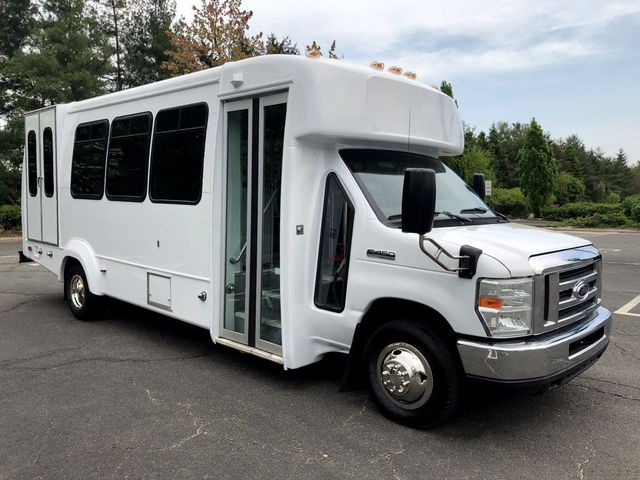
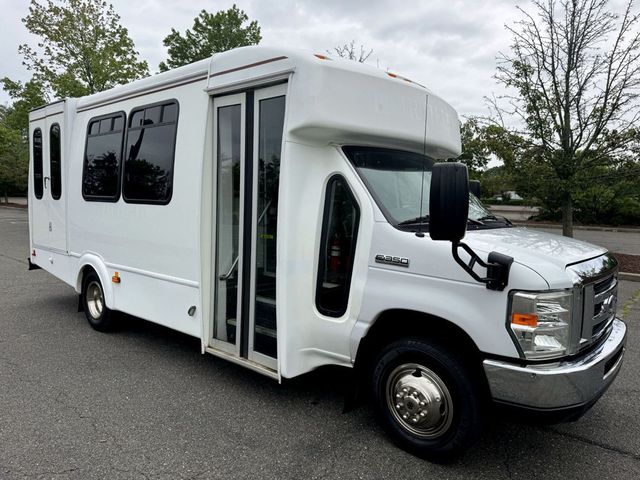
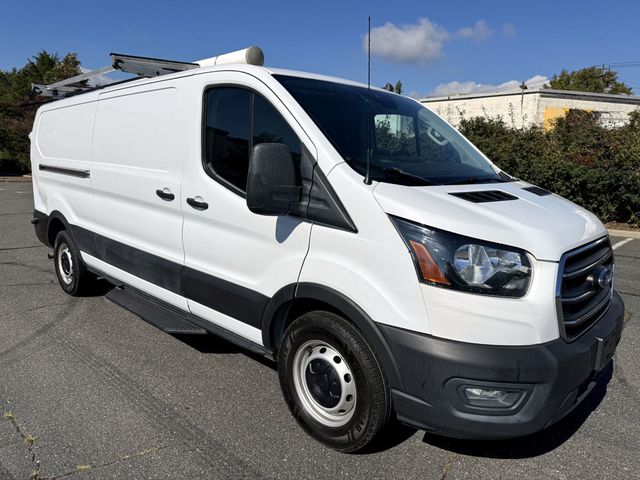

Choosing the right vehicle is key to running a reliable passenger service. A suitable shuttle bus for sale in Ohio can help transport businesses, hotels, care centers, and private groups meet daily travel needs. The right bus should offer enough seating, easy entry, safe handling, and room for luggage or mobility aids. Buyers should also review service records, vehicle condition, and passenger needs before choosing. A well-chosen bus can help drivers follow set routes, serve passengers on time, and reduce delays caused by poor vehicle condition. It also helps owners plan daily trips with fewer problems.
Match the Bus to Your Daily Routes
Every passenger service has its own needs. A hotel may need a bus for airport transfers, while a care center may require easy access for older adults. A company may need regular trips between parking areas and office buildings. Each use calls for a bus with the right size, layout, and features.
Start by listing the number of passengers, route length, and number of daily trips. Think about road types, traffic, and stop locations. Check if the bus can turn easily and fit into the parking spaces used along the route. A bus that suits these needs can help drivers stay on schedule and reduce travel problems.
Check Seating, Entry, and Passenger Comfort
Passenger comfort affects the quality of each trip. Look at seat space, aisle width, step height, handrails, and door access. These details matter during frequent stops and busy travel periods. Clear aisles also help passengers board and exit the bus more easily.
For passengers with mobility needs, check if the vehicle has a wheelchair lift or ramp. Confirm that the access system works and meets the rules for its intended use. Good lighting, working climate controls, and clear exit signs also improve the ride. Before buying, check each feature in person rather than relying only on photos or a written description.
Inspect the Parts That Keep Service Moving
A clean exterior doesn’t prove a bus is in good condition. Buyers should inspect the engine, transmission, brakes, tires, steering, and suspension. These parts affect safe operation and daily use. Worn tires, weak brakes, or engine trouble can lead to delays and costly repairs.
Ask for maintenance records and review past repairs. Check for leaks, rust, warning lights, and signs of damage. A qualified mechanic can inspect the vehicle and spot faults that are hard to see on a short test drive.
Test the bus on roads similar to its planned route. Listen for unusual sounds and check how it brakes, turns, and accelerates. A careful inspection can help prevent post-purchase repair delays. It also gives buyers a clearer idea of the work needed before the bus enters service.
Choose Seating Capacity With Care
A bus must have enough seats for its normal passenger load. A vehicle that is too small can force operators to make extra trips. A larger bus may be harder to park or use on narrow streets. The best choice depends on passenger numbers and the roads used each day.
Review the approved passenger capacity, including standing limits if applicable. Never assume that extra seats can be added without checking legal and safety requirements. The right size should support daily demand without making routes harder to manage. Leave enough room for passengers to enter, exit, and sit safely.
Review Operating Needs Before Buying
Purchase decisions should account for more than the asking price. Review fuel use, routine service needs, parts availability, insurance, and registration requirements. These factors affect the cost of keeping a bus in service. Buyers should also consider how often the vehicle will run and how far it will travel each day.
Also, check the vehicle identification number, title status, and ownership documents. Confirm that the bus meets the rules for commercial passenger transport in the area where it will operate. Buyers should verify any required inspections or permits before putting the vehicle into service. Keeping these records in order can help avoid delays during registration and operation.
Why Used Buses Can Meet Practical Needs
A used shuttle bus can suit an operator who needs a working vehicle without buying a new model. Its value depends on service history, mileage, condition, seating layout, and repair needs. Low mileage alone does not guarantee a better vehicle. A bus with clear service records and proper care may be a better choice than one with fewer miles but unknown faults.
Compare several options with the same purpose in mind. Review each bus against your route, passenger count, access needs, and maintenance plans. Ask clear questions about past use and known faults. This approach helps you choose a vehicle based on its actual condition and intended use.
Final Note:
At Major Vehicle Exchange, our team helps buyers assess vehicle options for passenger transport needs. We understand that each operator needs a bus that fits its routes, seating demands, access needs, and service plans. Buyers looking for used shuttle buses in New York should review vehicle condition, records, and passenger capacity before making a final choice. A careful review helps buyers understand what each vehicle can offer and what needs attention before regular use.
Contact Major Vehicle Exchange to discuss your requirements and explore available shuttle bus options. Share your passenger count, route needs, and preferred features with our team. We can help you review suitable choices for your service. A clear plan and careful vehicle review can help you select a bus that supports dependable passenger service.
FAQs:
1. What should buyers check before purchasing a shuttle bus?
Buyers should inspect the engine, brakes, tires, seats, service records, vehicle title, passenger capacity, and safety features before choosing a bus for regular service.
2. How do you choose the right shuttle bus size?
Choose a bus based on passenger numbers, route length, parking space, luggage needs, and access requirements to support smooth and reliable daily transport.
3. Are used shuttle buses suitable for commercial passenger services?
Yes, used shuttle buses can serve commercial needs if their condition, maintenance history, seating capacity, safety systems, and legal documents meet operating requirements.
4. Why are maintenance records important when buying a shuttle bus?
Maintenance records show past repairs, routine servicing, and possible issues. They help buyers assess the vehicle’s condition and plan future service needs before buying.
5. How can buyers find a shuttle bus for their transport needs?
Buyers can contact Major Vehicle Exchange, led by Charlie, to discuss passenger numbers, route needs, seating preferences, vehicle condition, and suitable shuttle bus options.
Comments are closed.