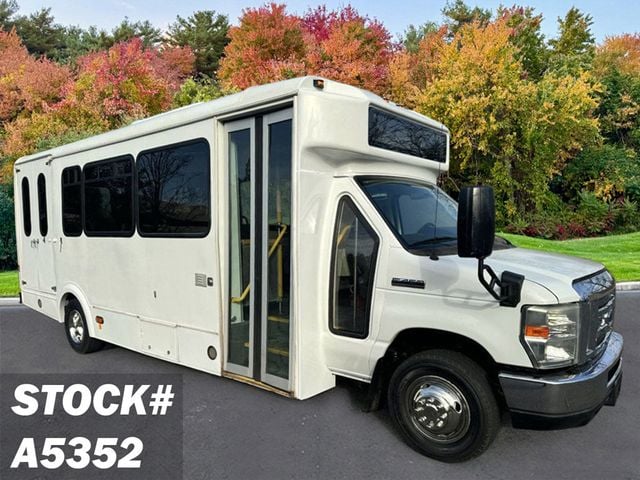
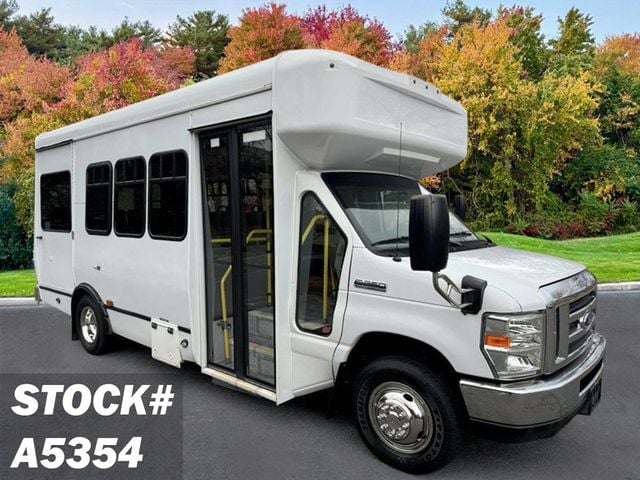
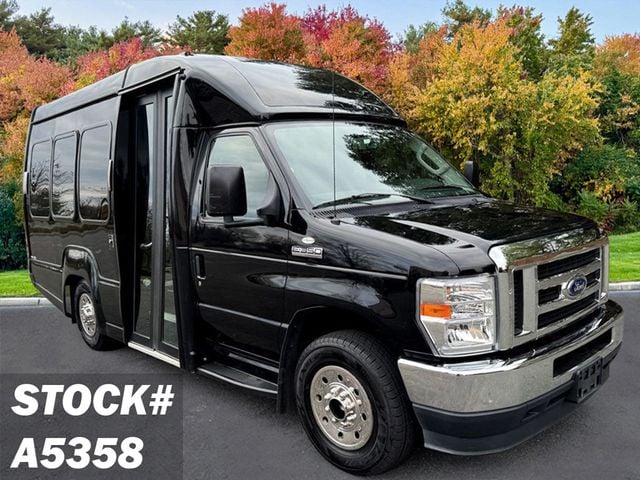
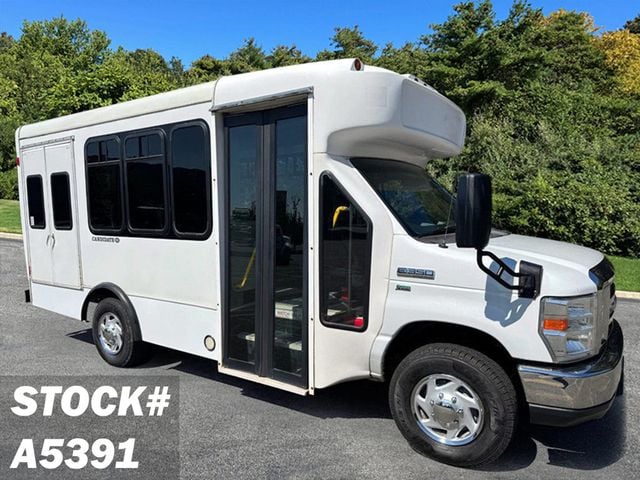
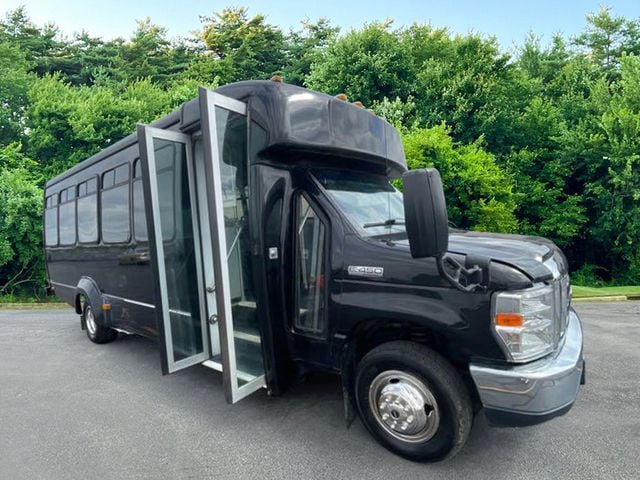
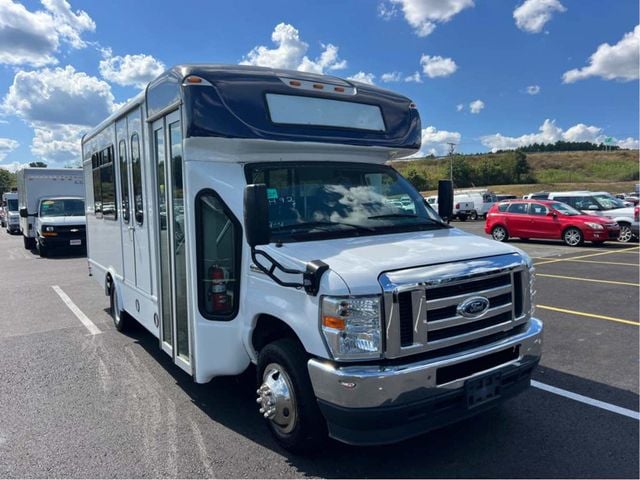
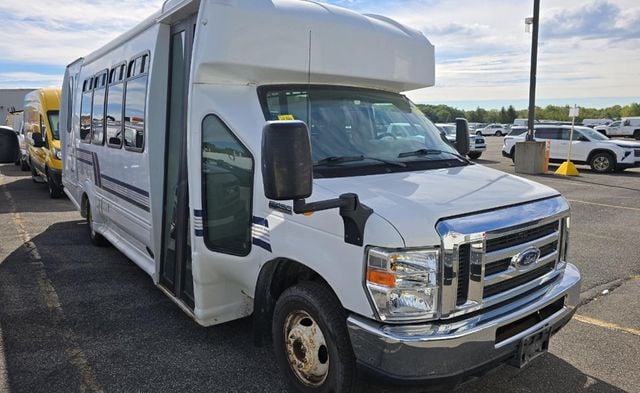
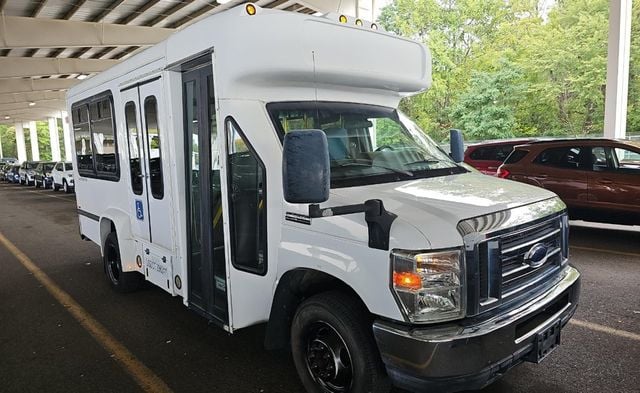
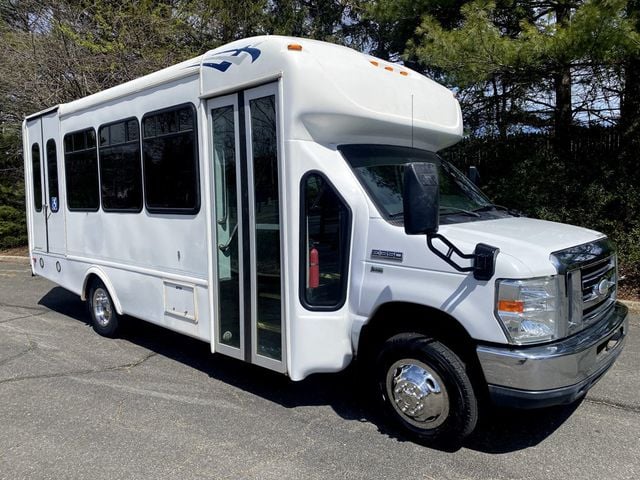
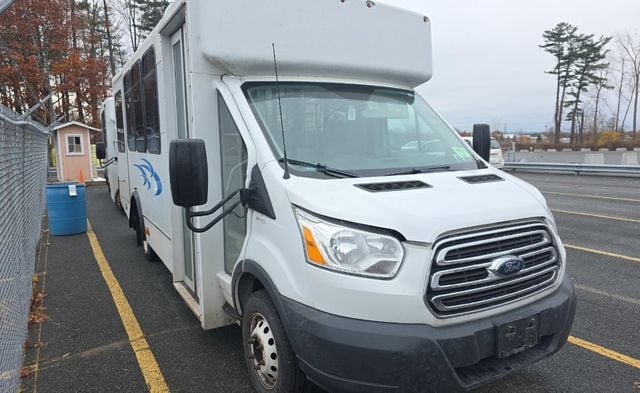
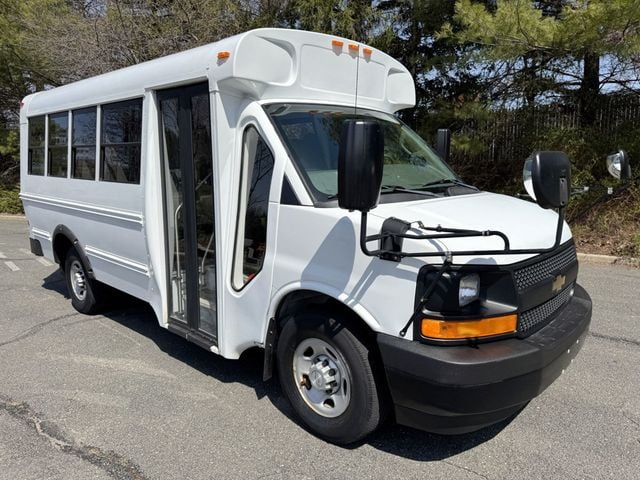
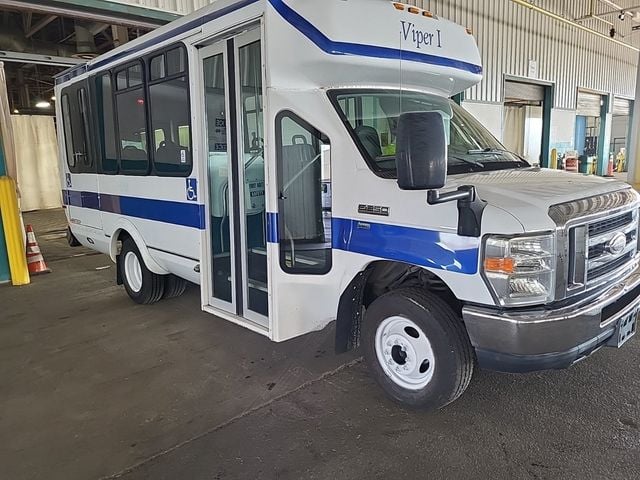
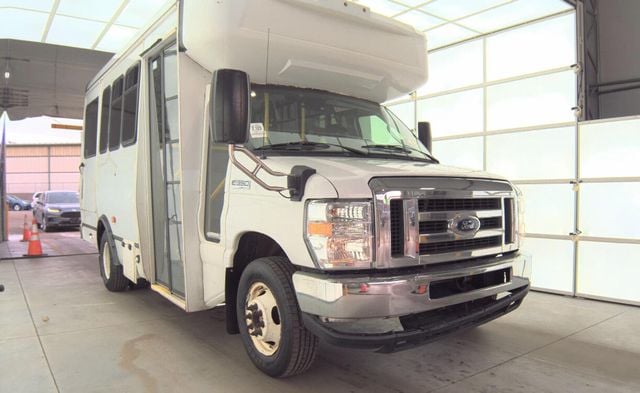
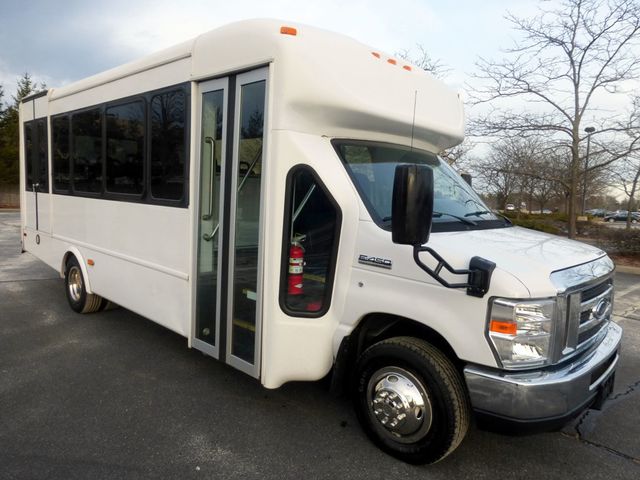
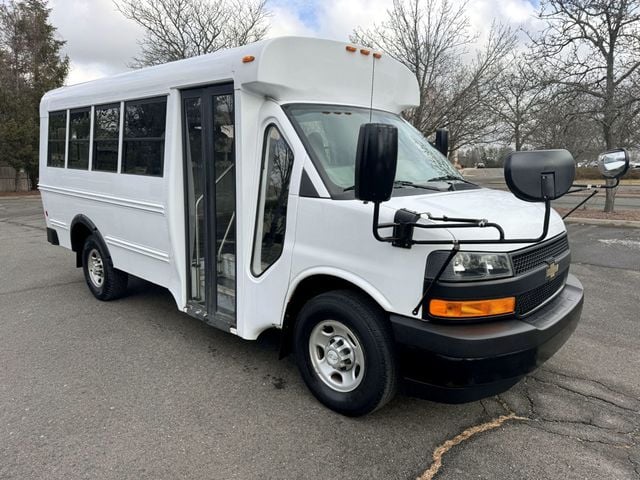
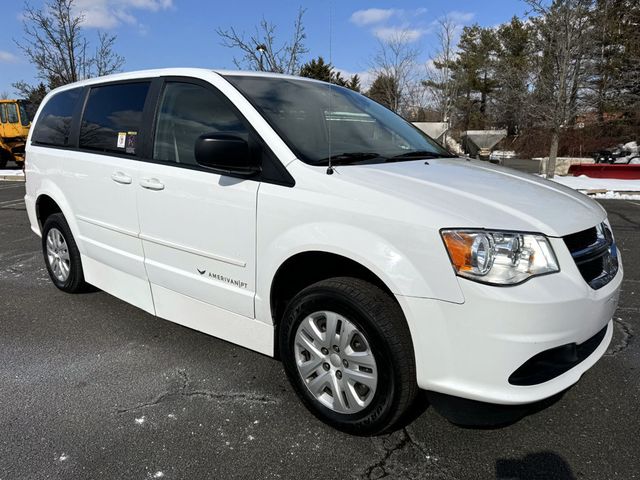
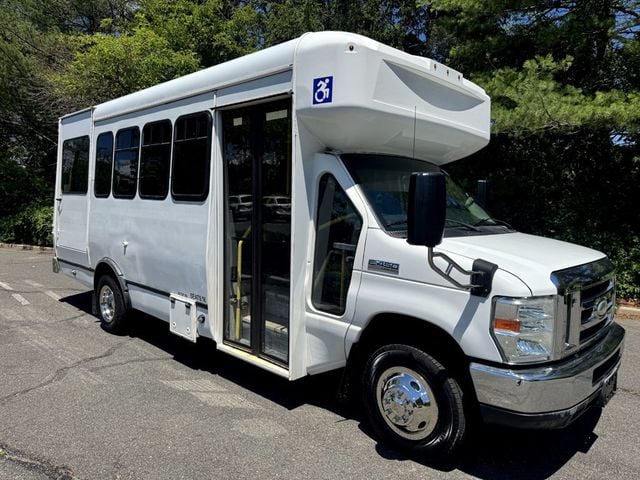
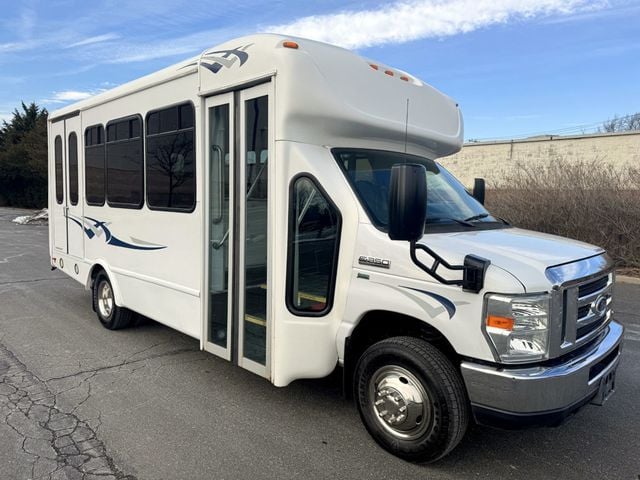
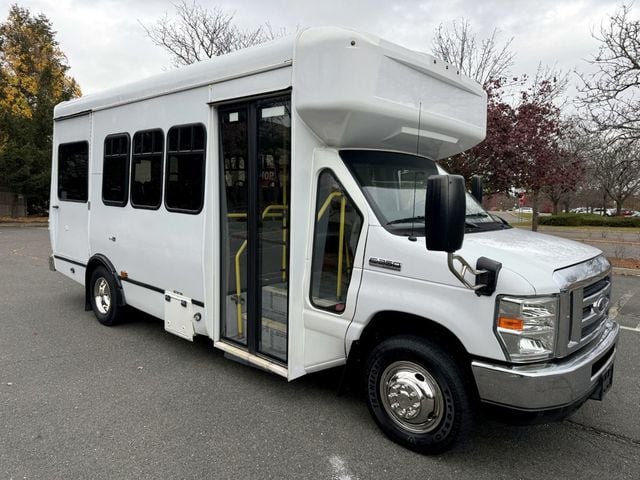
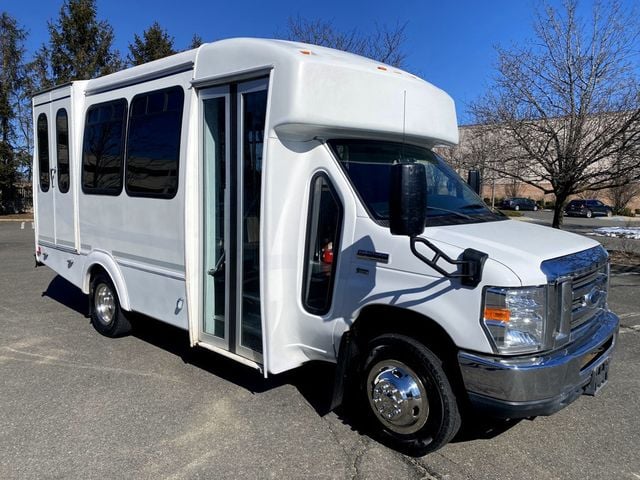
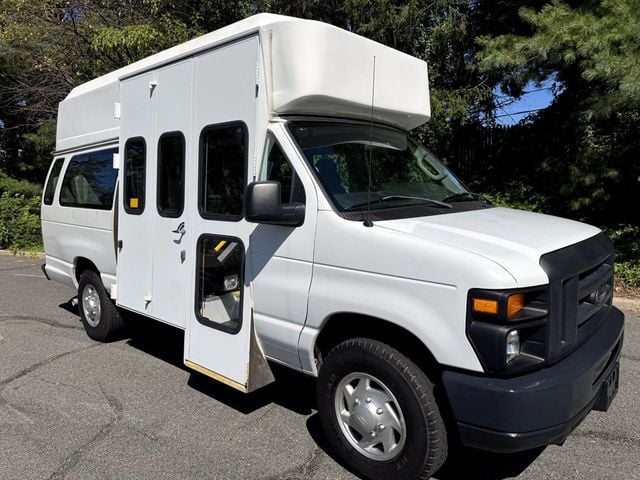

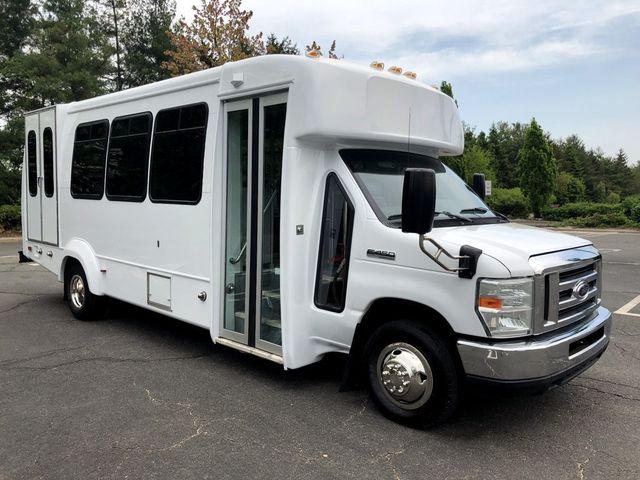
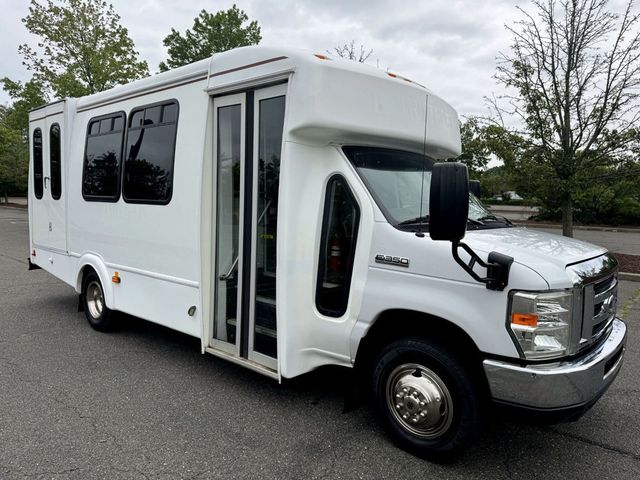
Buying a used shuttle bus requires more than checking the seats and body. Records can show how the vehicle was used, serviced, repaired, and cared for. Before considering a used shuttle bus for sale, ask for records that support the seller’s claims and help you understand the vehicle’s past. Clear documents can make your buying decision easier and more informed. They also give you useful facts to compare with the bus you see during an inspection.
Ask for the Vehicle History First
Start with the basic history of the vehicle. Ask for its identification number, title information, mileage records, and ownership history. These details can help confirm that the vehicle information matches the records provided. A clear history can also help you understand how the bus was used before it became available for sale.
Check the title for its current status. A buyer should know if the vehicle has a clean title or has been affected by a major event. The mileage should also make sense across the available documents. Large gaps or unclear entries deserve further questions. The goal is to make sure the paperwork gives a clear account of the vehicle.
Review Service Records in Detail
Service records can tell you how the vehicle was maintained over time. Ask for invoices, repair orders, inspection reports, and other maintenance documents that are available. These records can show the type of work completed and help you understand how the bus was cared for during its previous use.
Look for work involving the engine, transmission, brakes, suspension, steering, tires, cooling system, heating, and air conditioning. Regular service records can provide useful evidence of care. Repeated repairs in one area may also point to a system that needs closer inspection. A buyer can use this information to ask better questions before making a final choice.
Check Inspection and Repair Reports
A shuttle bus may have completed many passenger trips, so inspection records matter. Request reports that show the results of past mechanical checks and repairs. Such documents can help show which systems were checked and which parts received service.
Pay close attention to notes about brakes, lights, tires, steering, suspension, doors, steps, and other key systems. Repair records should show what work was completed rather than simply stating that repairs were needed. This gives buyers a clearer picture of the vehicle’s present condition and helps separate completed repairs from future service needs.
Look at Mileage With Care
Mileage is useful, but it should never be the only factor in a purchase. A vehicle with higher mileage and strong service records may be a better choice than one with lower mileage and poor documentation. Mileage should always be reviewed along with the vehicle’s overall condition and service history.
Compare mileage across title documents, inspection records, service invoices, and other available paperwork. The numbers should follow a logical pattern. A sudden change that cannot be explained should be discussed before purchase. This simple check can help buyers avoid confusion and make a more informed decision.
Check Accessibility Equipment Records
Accessible shuttle buses need another level of record review. Ask for documents related to wheelchair lifts, ramps, securement systems, and other accessibility equipment. These records can show if important equipment has received regular service.
Look for service notes that show inspections, repairs, or replacement work. Properly maintained equipment is important for passenger access and daily operation. Buyers should also test the equipment during a physical inspection instead of relying only on paperwork. The equipment should fit the intended passenger needs and transportation service.
Confirm Recent Mechanical Work
Recent repairs can affect the value and usefulness of a used passenger vehicle. Ask for records showing major work completed before the sale. Knowing about recent service can help you understand what has already been handled.
This may include brake service, tire replacement, suspension repairs, battery work, cooling system repairs, or climate system service. Knowing what was recently handled can help buyers avoid making assumptions about the vehicle. It can also help identify areas that may need attention after purchase.
Match Records With the Actual Bus
Paperwork should agree with the vehicle sitting in front of you. Compare the identification number, mileage, equipment, seating arrangement, and major features with the records. Each detail should match the vehicle being considered.
A road test and physical inspection should support the information found in the documents. If the records describe work that is not visible or equipment that is missing, ask for an explanation before moving ahead. Taking time to compare the paperwork with the actual bus can prevent simple mistakes.
Ending Note:
Our team at Major Vehicle Exchange, led by Charlie, helps buyers review reconditioned passenger vehicles with their actual transportation needs in mind. We own the vehicles we offer, and our used shuttle buses are serviced and road tested before sale. We encourage buyers to look at vehicle condition, equipment, service information, and intended use together. This gives each buyer a clearer basis for choosing a passenger vehicle.
If you are searching for a used coach bus for sale or another passenger vehicle, our team can help you review available options based on your transportation needs. Contact Major Vehicle Exchange, led by Charlie, to discuss your requirements and choose a vehicle with greater confidence.
FAQs:
1. What vehicle records should I review before buying a used shuttle bus?
Review title information, mileage history, service records, inspection reports, repair invoices, and accessibility equipment records to understand the vehicle’s past and present condition.
2. Why are service records important for a used shuttle bus?
Service records show completed maintenance and repairs. They help buyers understand how major systems were cared for and identify areas needing closer inspection.
3. How can I verify the mileage on a used shuttle bus?
Compare mileage shown on service invoices, inspection reports, title documents, and other records. Consistent readings can provide greater confidence in the vehicle’s history.
4. Should accessibility equipment have service records?
Yes. Buyers should review records for lifts, ramps, and securement systems. These documents can show inspections, repairs, and replacement work completed before purchase.
5. Should vehicle records match the shuttle bus being inspected?
Yes. Compare the identification number, mileage, equipment, seating, and major features with available records. Any mismatch should be explained before completing the purchase.
Comments are closed.