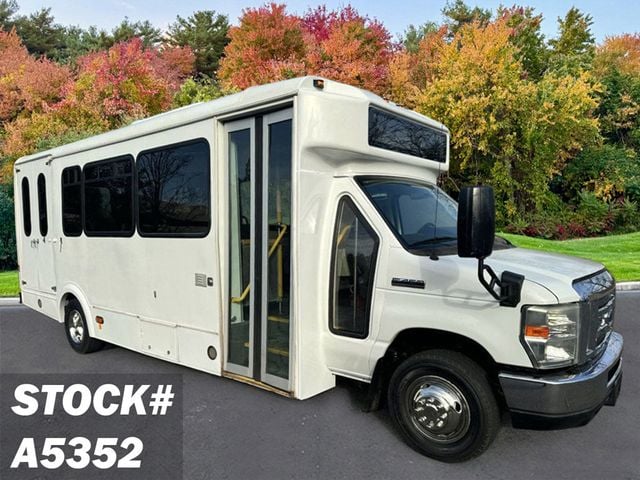
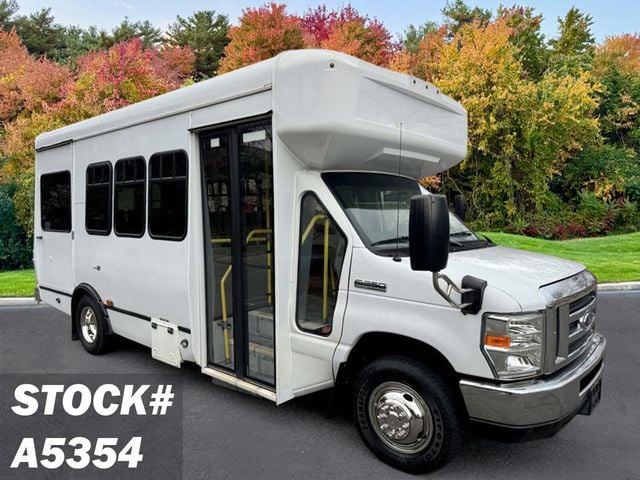
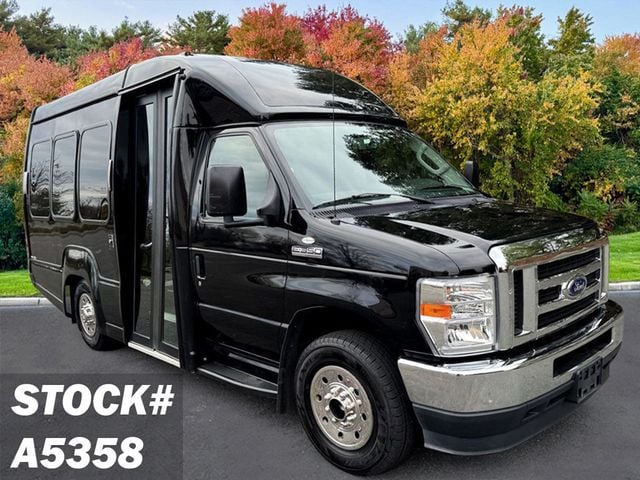
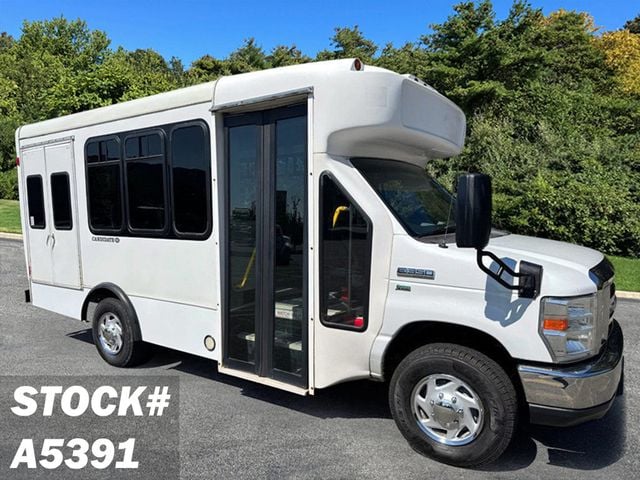
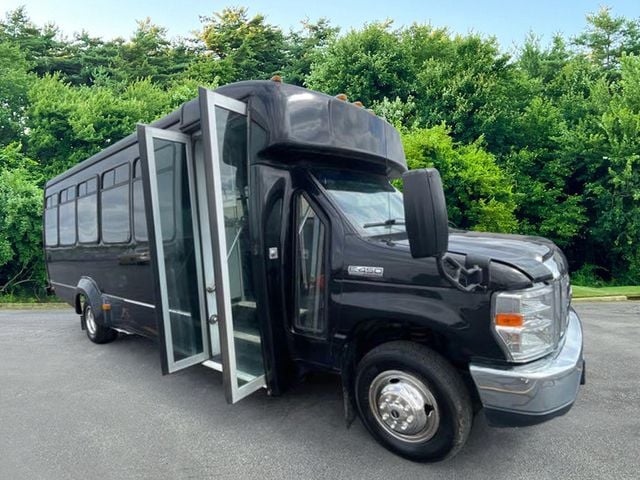
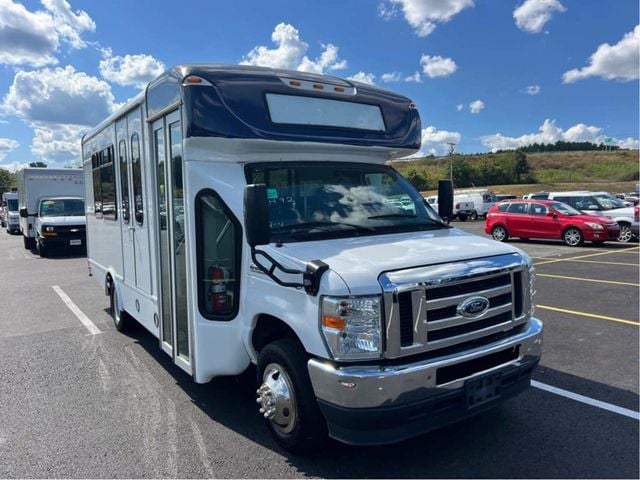
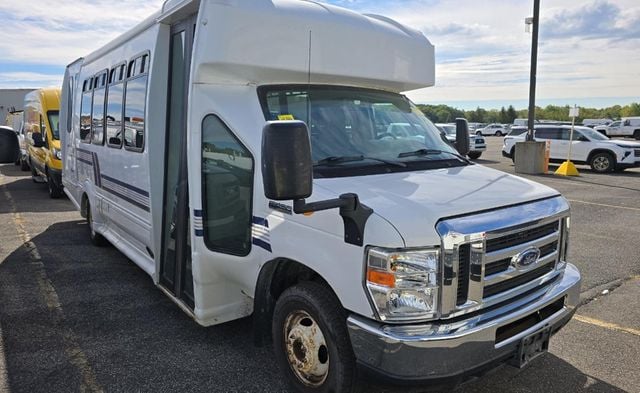
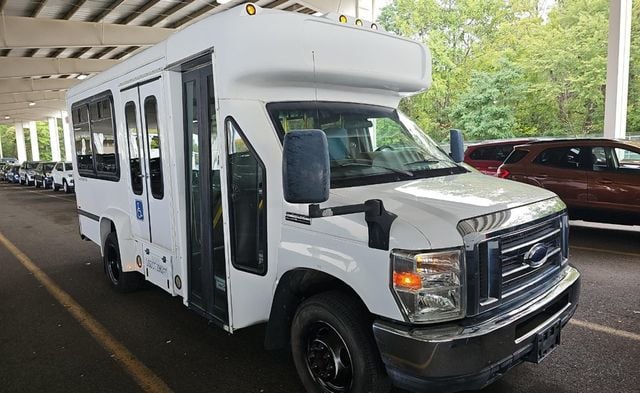
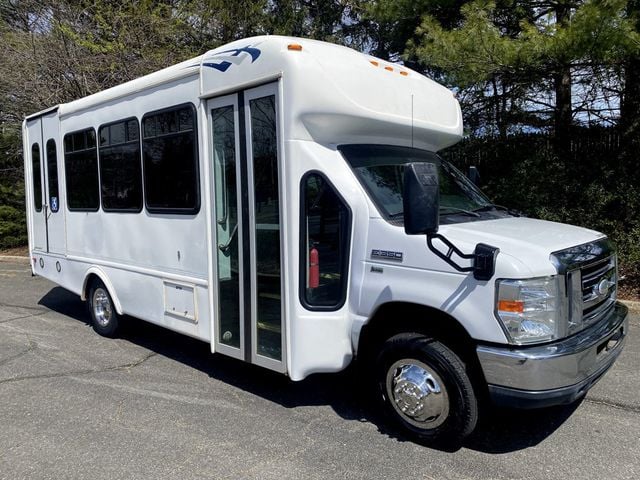
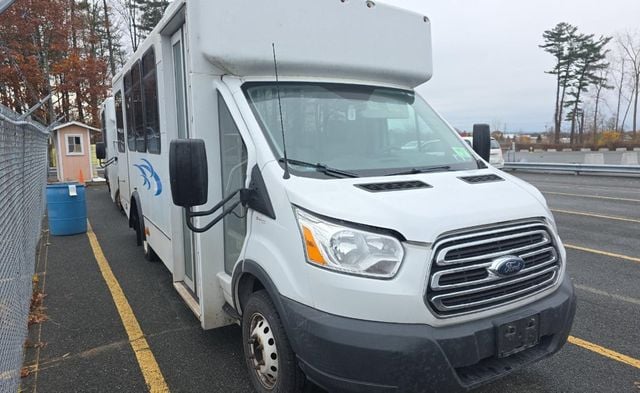
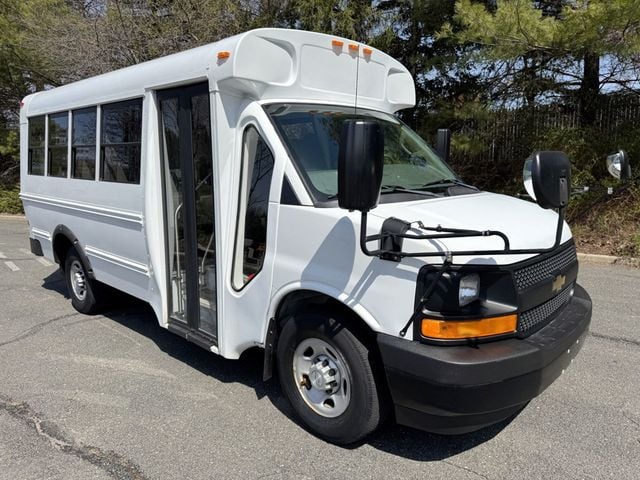
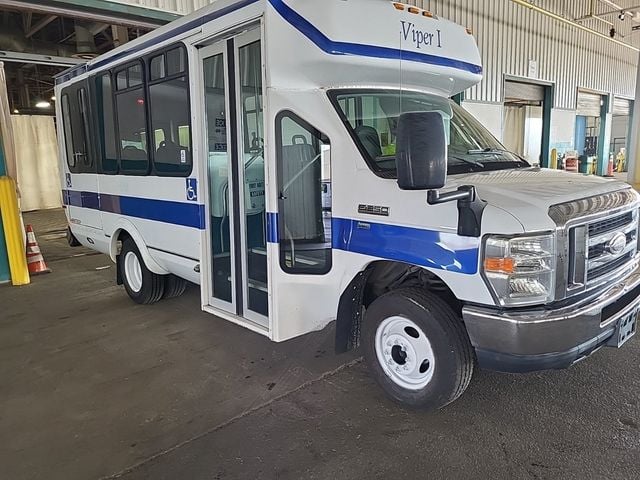
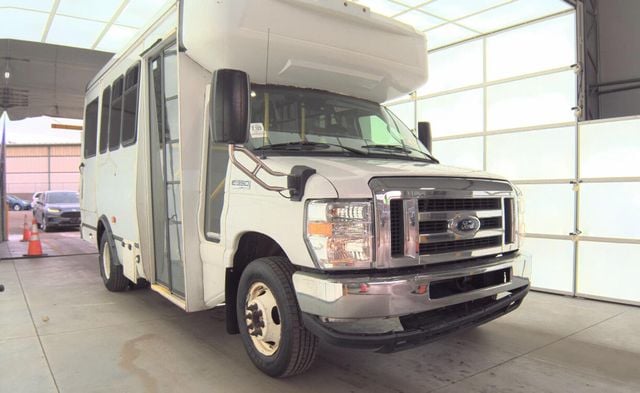
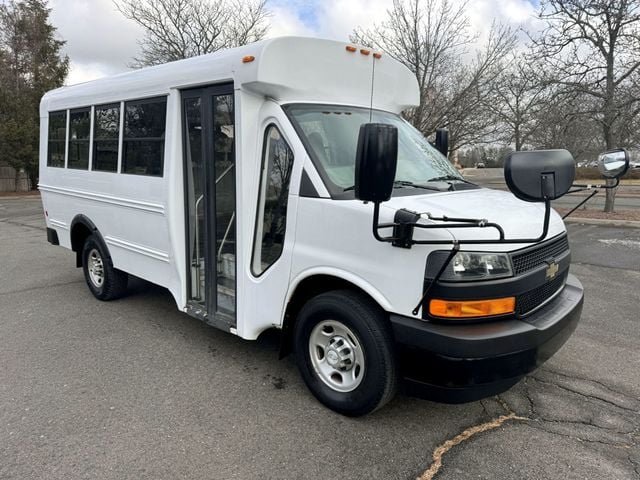
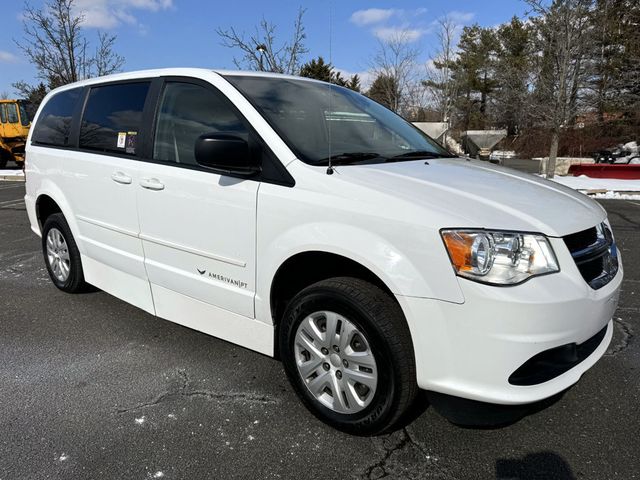
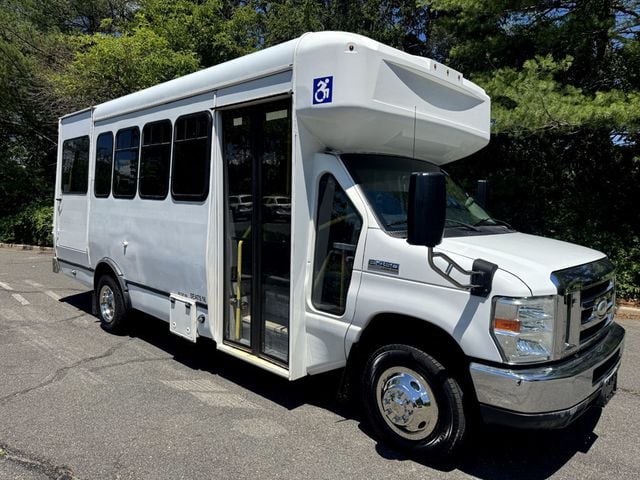
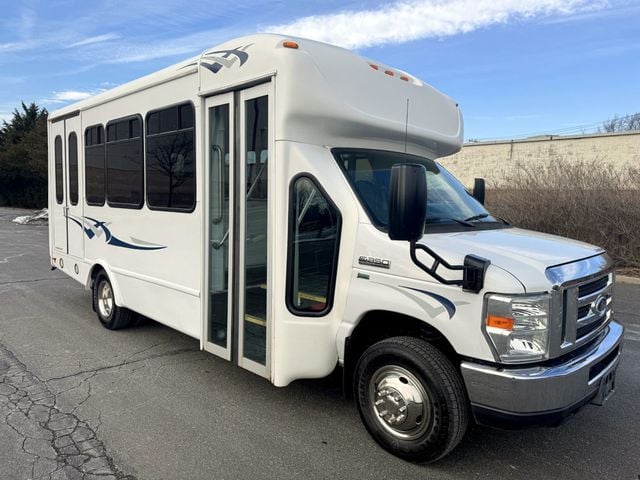
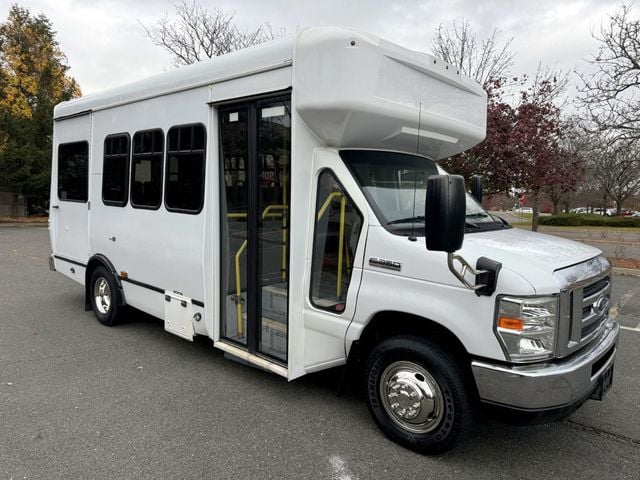
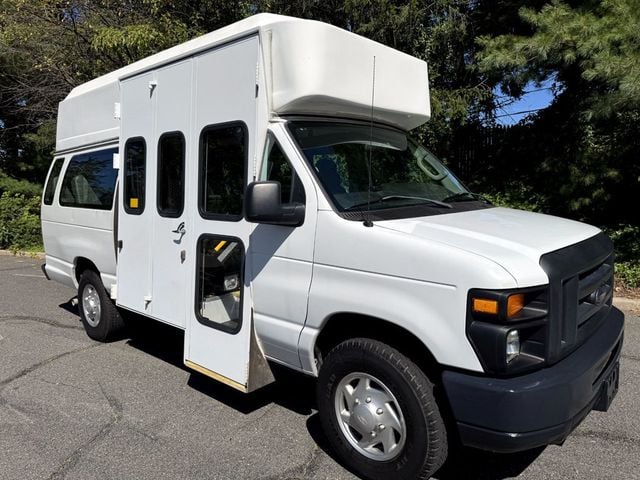

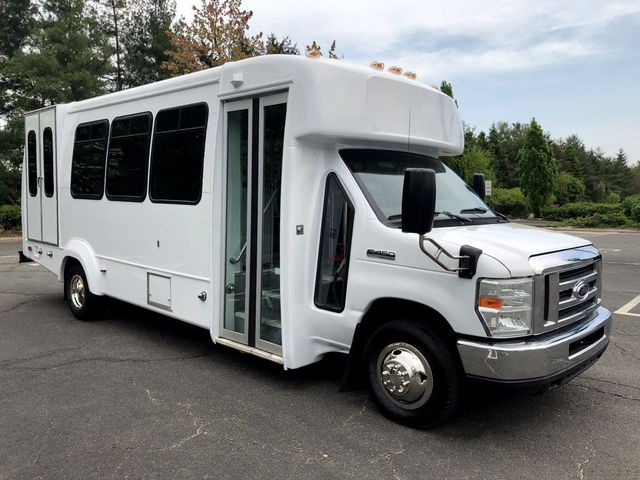
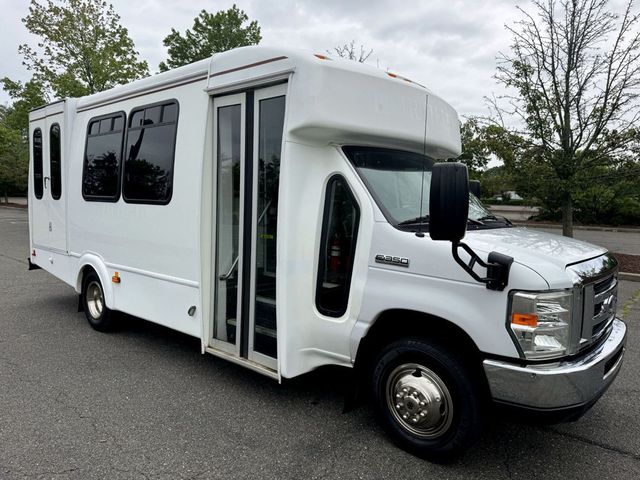
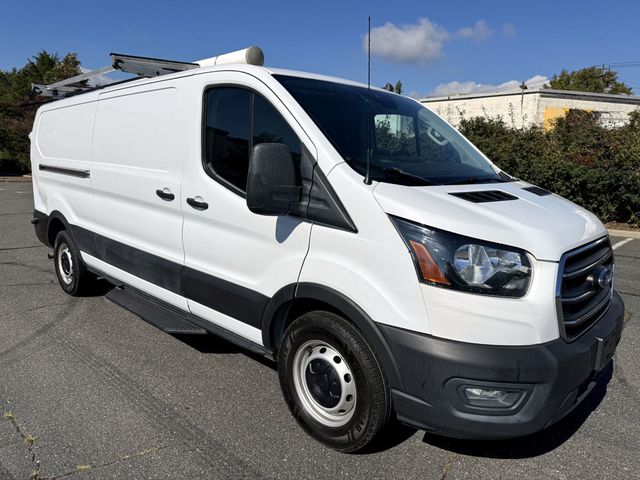

Buying a shuttle bus for business use is a major decision. The right vehicle should meet daily travel needs, carry passengers comfortably, and remain reliable for years. Businesses searching for a shuttle bus for sale in Massachusetts should look beyond the purchase price. Passenger capacity, vehicle condition, maintenance needs, and accessibility all affect long-term value. A careful review helps owners select a bus that fits their routes, budget, and service goals. It is also useful to think about how the vehicle will support daily work as the business grows. A good choice can make passenger transport easier to plan and manage.
1. Match Passenger Capacity to Daily Demand
Start by estimating how many people travel on a normal day. Think about busy periods too. Too few seats can lead to extra trips. A much larger vehicle can add costs without offering real value. Check the seating layout, standing room, and luggage space before you choose. The right capacity should support current demand while leaving some room for business growth. Also, consider how many trips the bus will make each day. A tour group may need space for guests and their baggage, while an office group may need enough seats for staff traveling at the same time. A clear passenger count helps you avoid choosing a vehicle that is too small or too large.
2. Check the Vehicle’s Mechanical Condition
A bus may look clean on the outside but still have hidden faults. Review its service records and ask about past repairs. Pay close attention to the engine, transmission, brakes, tires, steering, wheelchair lift if equipped and suspension. These parts affect daily performance and repair needs. A professional inspection can help identify wear, fluid leaks, warning lights, or signs of poor care. Ask for clear details about any repairs made before purchase. Also check the mileage and compare it with the vehicle’s age and service history. Look at the body, doors, windows, and floor for signs of damage. A careful check gives you a better idea of the work the bus may need in the future.
3. Choose a Layout That Fits Your Routes
The best shuttle bus layout depends on how often you use it daily. Airport transfers need room for bags. Hotel services may need easy entry and exit. Employee transport often needs practical seating for repeated trips. Check door placement, aisle space, seat design, and luggage storage. Also consider the roads and parking areas on your routes. A vehicle with suitable size and turning ability can make regular travel easier for drivers. Think about narrow streets, low bridges, busy pickup areas, and tight parking spaces. The bus should fit the places it needs to visit. This can help drivers move through their routes with fewer problems.
4. Give Passenger Comfort Proper Attention
Long-term use calls for a comfortable interior. Check the condition of seats, legroom, ventilation, air conditioning, and lighting. Passengers should have enough space to sit without feeling cramped. Good entry steps and handrails can also make boarding easier. For businesses that serve people with mobility needs, wheelchair lifts and securement systems are key features. Check that these systems work properly and meet your passengers’ needs. A clean cabin also improves the travel experience. Check the windows, seat belts, floor, and door handles for damage. Small details can make a big difference during daily trips.
5. Review Maintenance and Running Needs
A bus needs regular care to stay dependable. Before buying, ask about service intervals, common repair needs, and the availability of replacement parts. Review the condition of the battery, cooling system, belts, hoses, and electrical parts. A clear maintenance history gives buyers a better view of past care. Businesses should also plan routine inspections and keep service records. This helps reduce surprise repairs and supports steady daily operations. Ask how often the bus needs oil changes, tire checks, and brake service. Keep a simple record of each repair and inspection. This makes it easier to plan service and spot problems early.
6. Confirm Safety and Driver Requirements
Make safety features part of every purchase decision. Check seat belts, mirrors, lights, emergency exits, door controls, braking systems, and the wheelchair safety interlock. Make sure the driver has a clear view of the road and easy access to key controls. Also confirm the vehicle’s passenger rating and the licensing rules that apply to its size and use. These checks help a business choose a bus that fits its transport duties. Ask whether the required safety equipment is present and working. Drivers should also know how to use the doors, emergency exits, and other key systems. Proper training helps them handle daily trips with care.
7. Think Beyond the First Purchase
The purchase price is only one part of the total cost. Fuel use, insurance, maintenance, repairs, and registration all affect long-term ownership. Compare these costs with the bus’s expected daily use. A well-maintained vehicle with suitable features can offer better value than a cheaper option that needs frequent repairs. Choose a bus that supports your work without straining your operating budget. It also helps to set aside funds for regular service and unexpected repairs. This makes it easier to manage costs over the years. A clear budget can help your business keep the vehicle in good condition.
Closing Thoughts:
At Major Vehicle Exchange, our team helps businesses select reliable transport options that match their passenger needs and daily routes. Our range of used buses for sale gives buyers options for group travel, employee transport, customer pickups, and accessible services. We can help you review vehicle features and choose a suitable option for long-term use. Contact Major Vehicle Exchange today to discuss your business transport needs and find a shuttle bus that fits your plans.
FAQs:
1. What should businesses check before buying a shuttle bus?
Businesses should review passenger capacity, mechanical condition, service records, safety features, accessibility, and running costs to choose a vehicle that suits daily transport needs.
2. How can a business choose the right shuttle bus size?
Count daily passengers, luggage needs, and trip frequency. Choose a bus with enough seats to handle busy periods without adding unnecessary operating costs.
3. Why is a shuttle bus maintenance history important?
Service records show how well a vehicle was maintained. They help buyers review past repairs, spot possible issues, and plan future maintenance.
4. What safety features should a business shuttle bus have?
Before using the bus for passenger transport, check seat belts, brakes, mirrors, lights, emergency exits, door controls, and appropriate safety equipment.
5. How can businesses manage the long-term cost of a shuttle bus?
Plan for fuel, insurance, registration, regular servicing, and repairs. A clear budget helps businesses maintain the vehicle and manage transport costs over time.
Comments are closed.